Which pumpkin suits your plans?
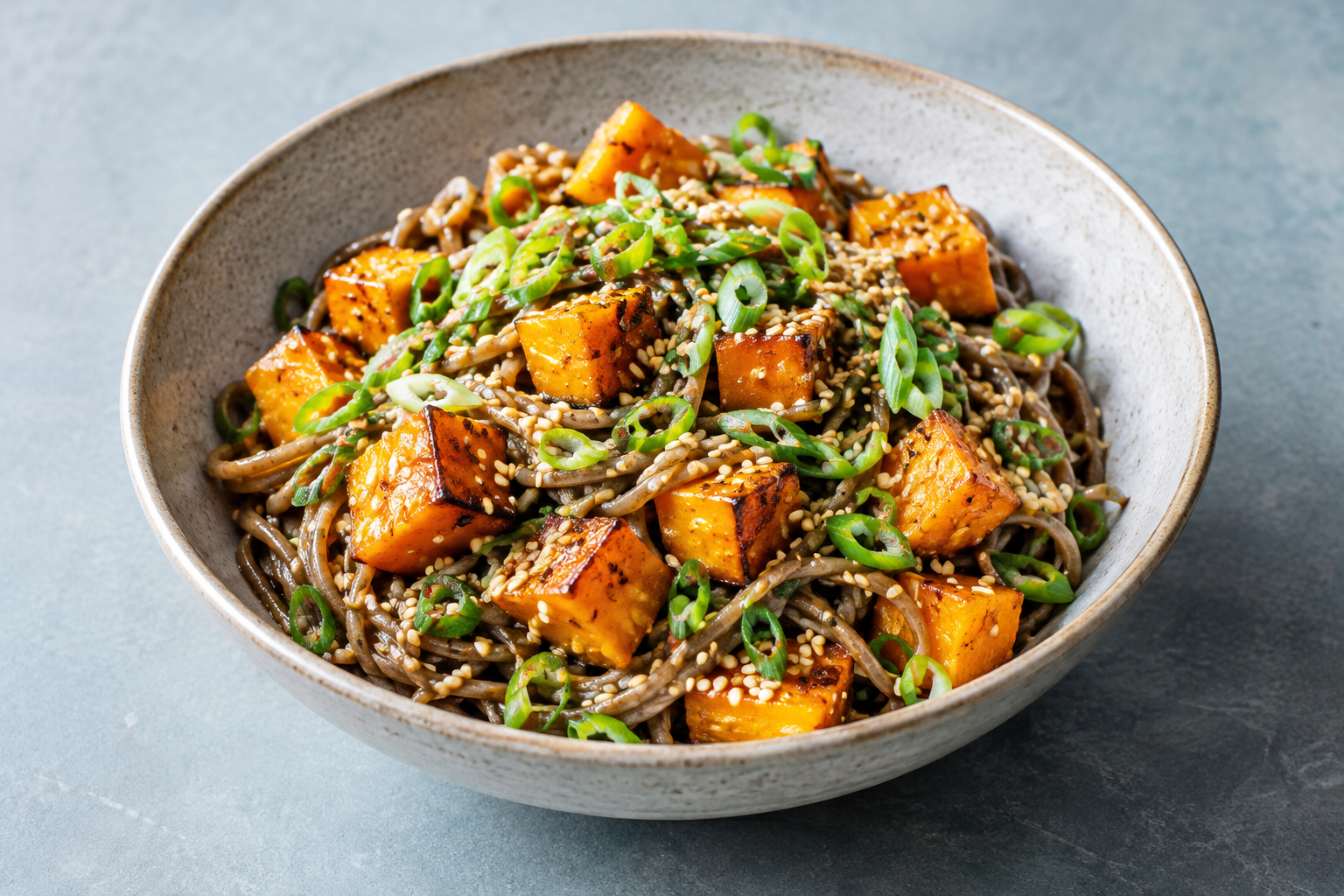
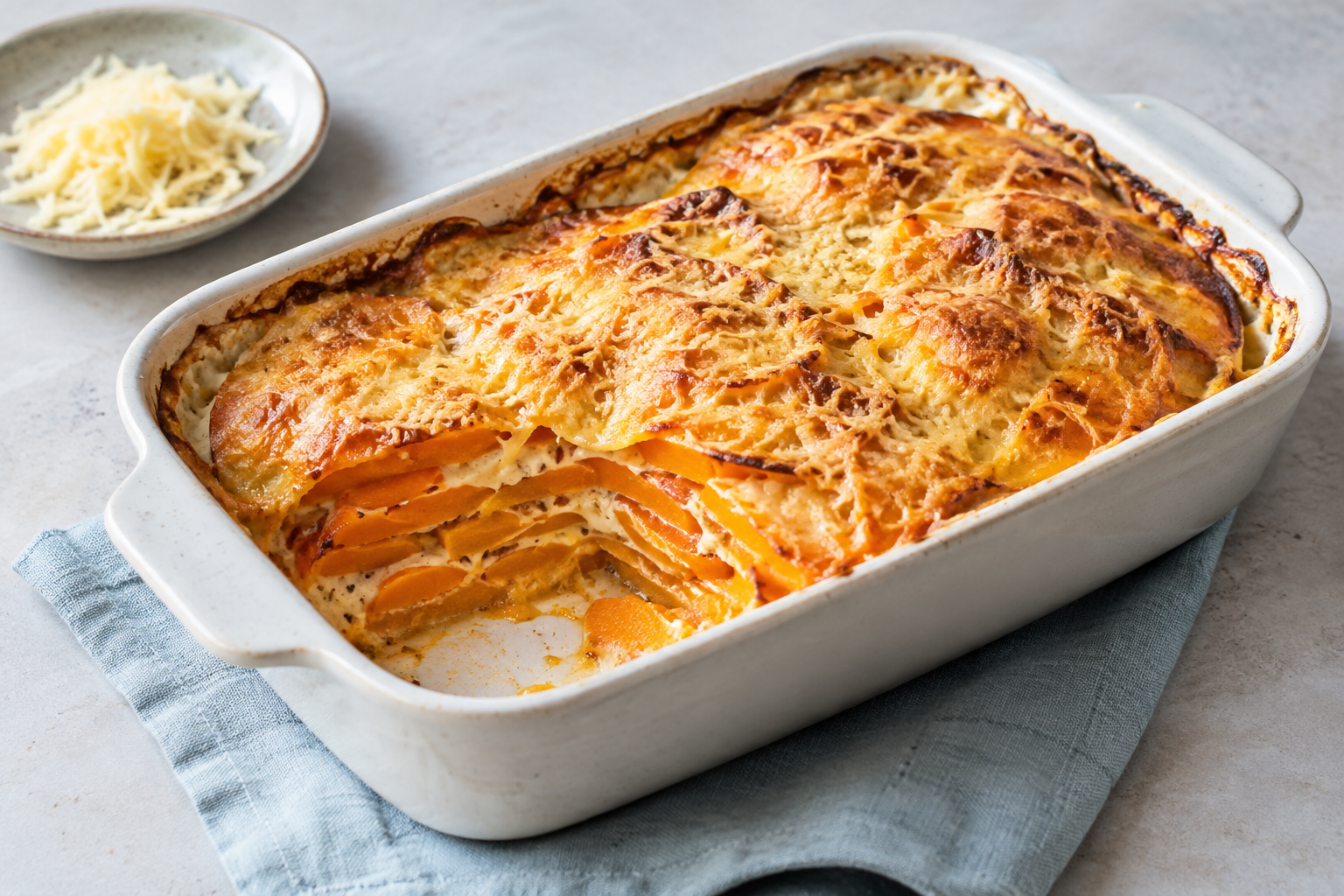
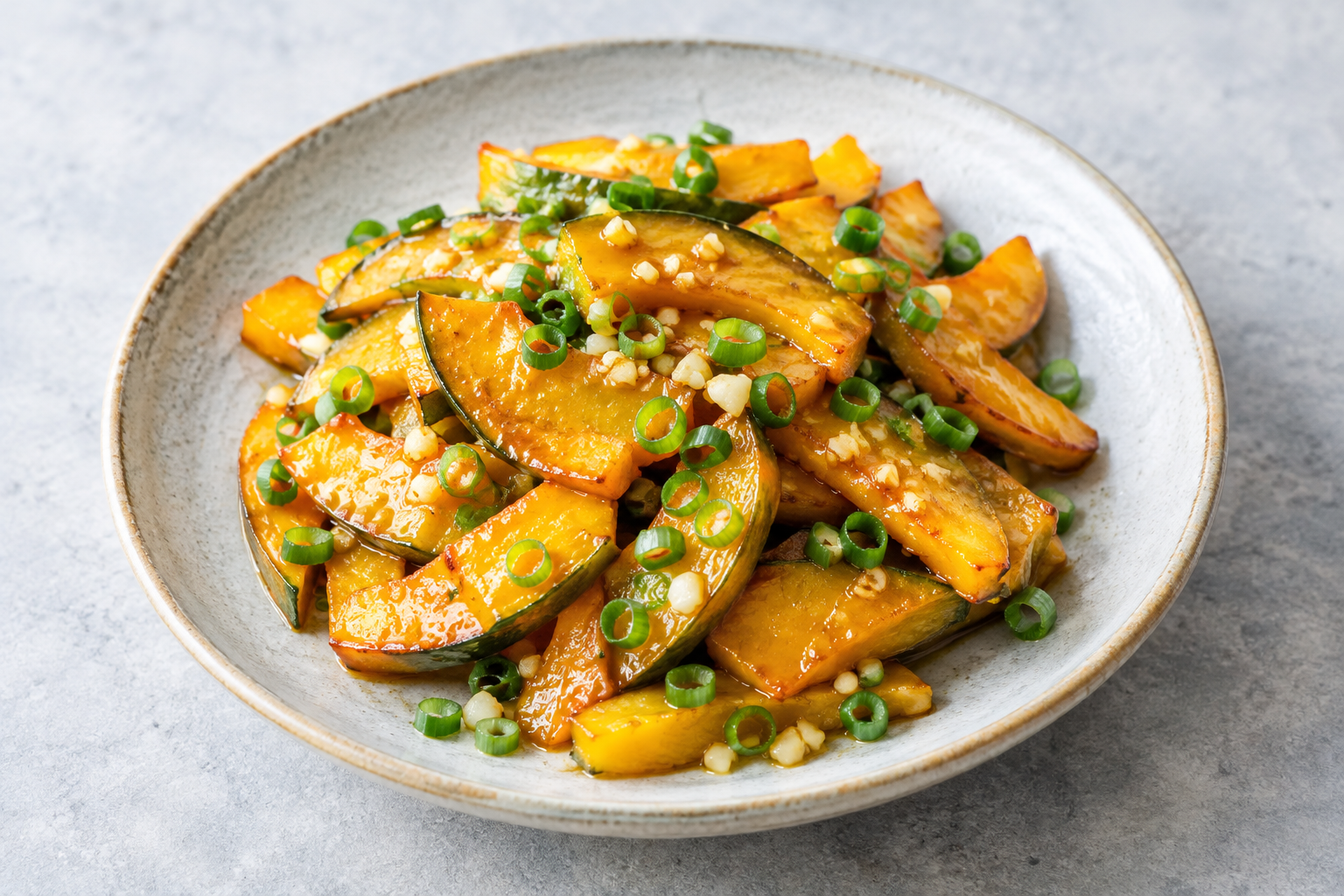
Butternut squash has firm flesh and is easy to cut into cubes or slices. It works well in roasted dishes, gratin and gnocchi. Hokkaido squash has an edible skin when washed well; it softens in the oven while the flesh holds its shape. Kabocha is also firm and features in the roasted wedges with miso-sesame dressing. If you have another type of pumpkin, feel free to use it, but check for doneness: size, moisture content and variety all make a difference. Pumpkin is widely available, especially in autumn and winter; many varieties can also be found outside that season. Cut the pieces to an even size so they cook evenly.
Roasted, stewed or stirred into the sauce
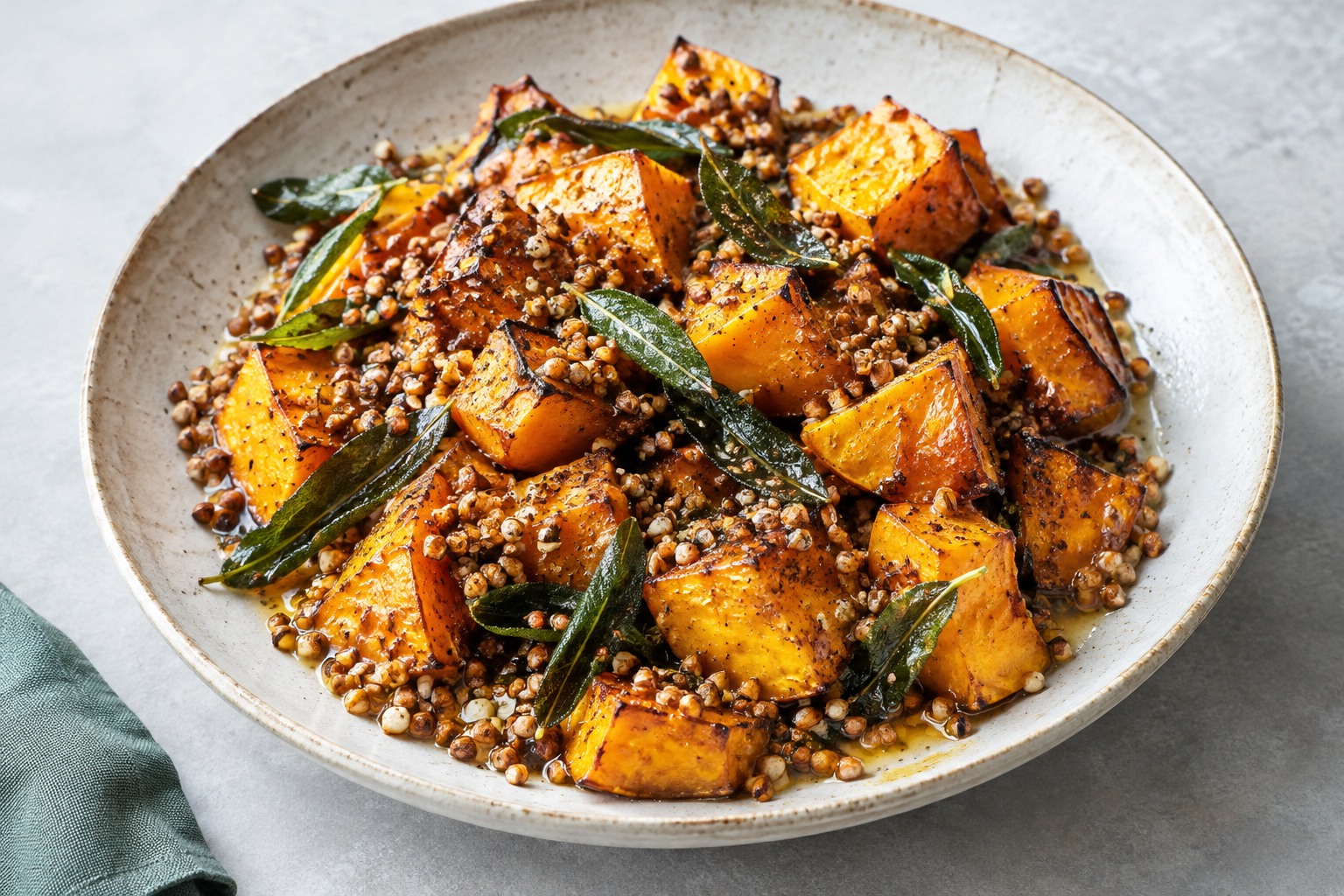
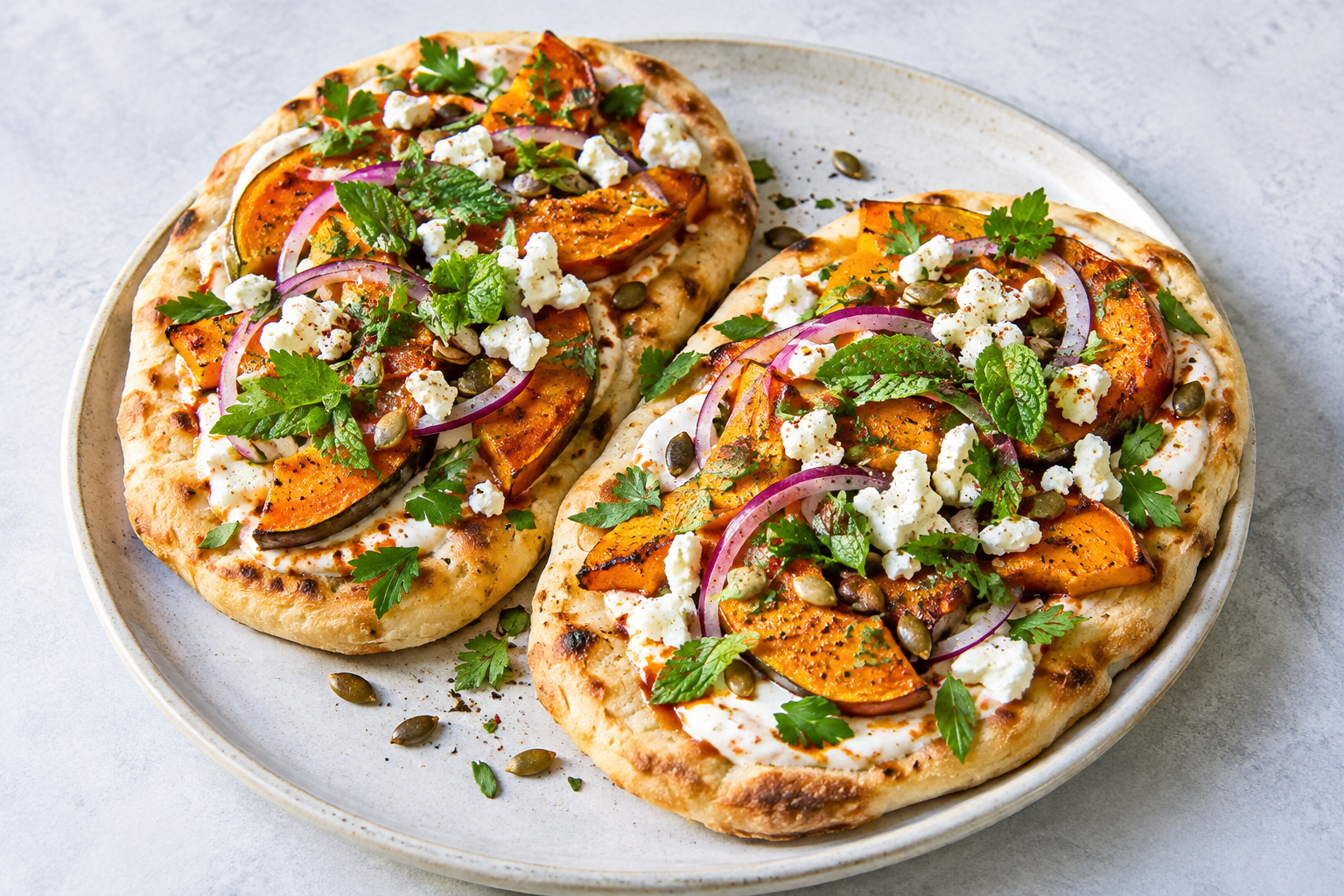
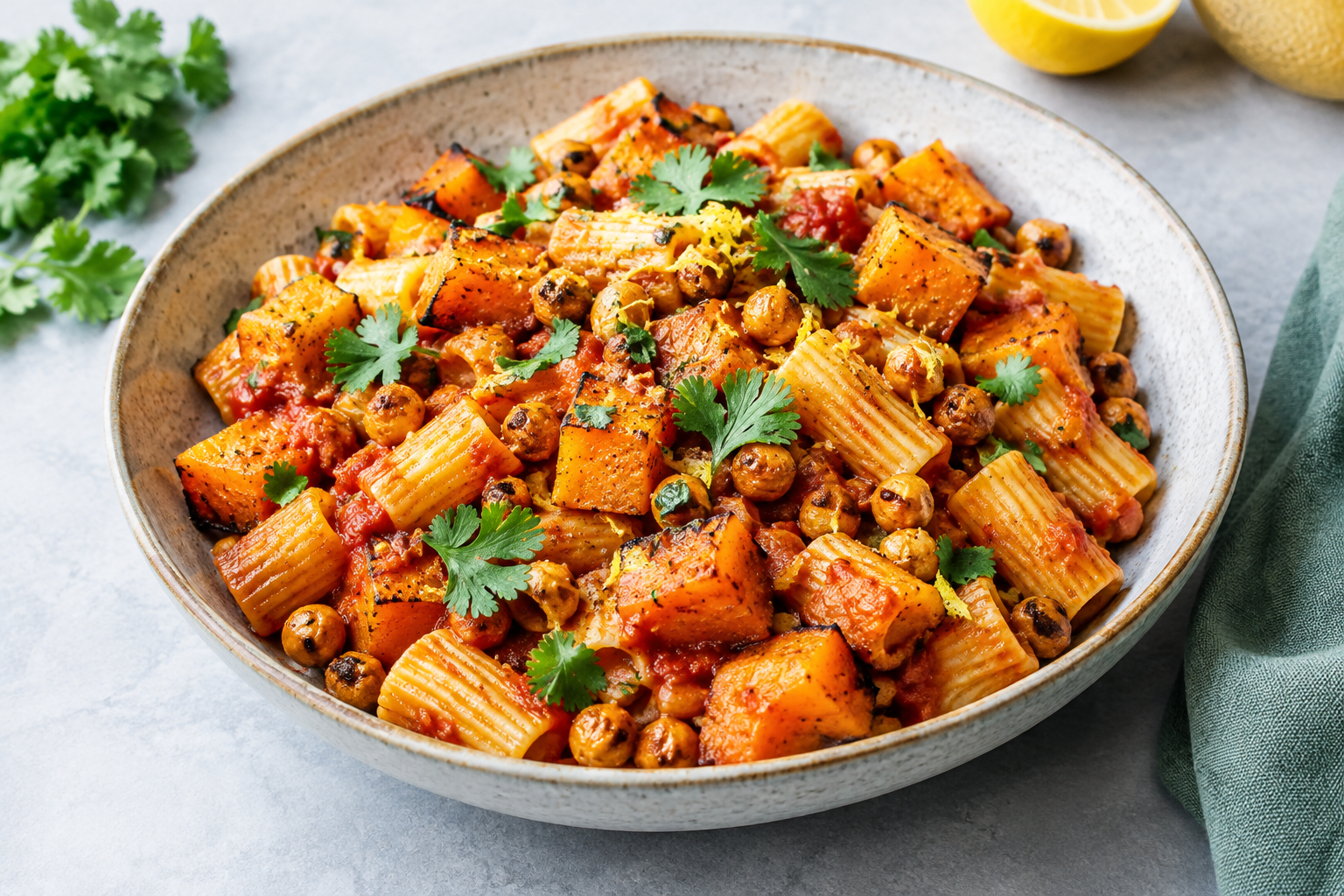
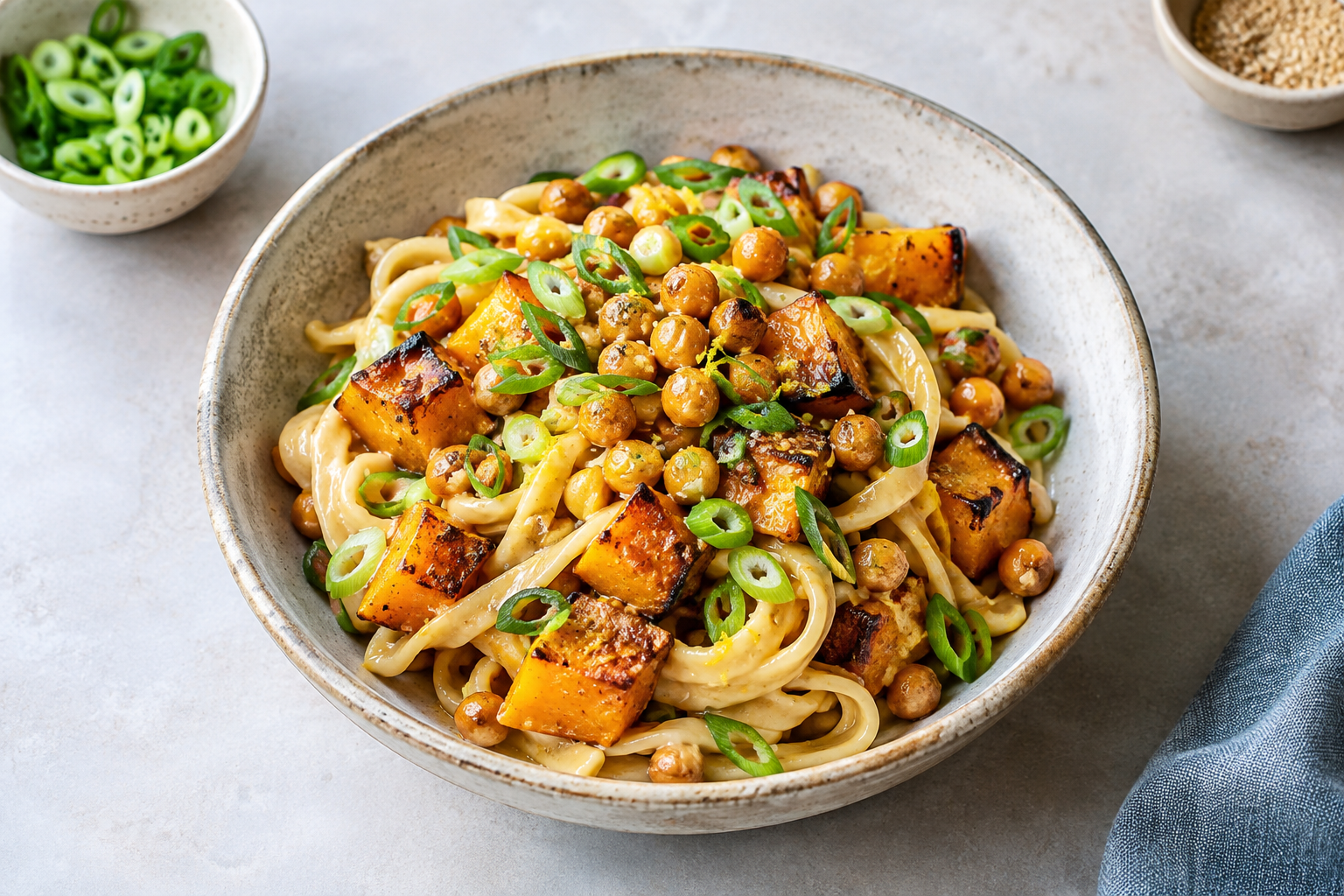
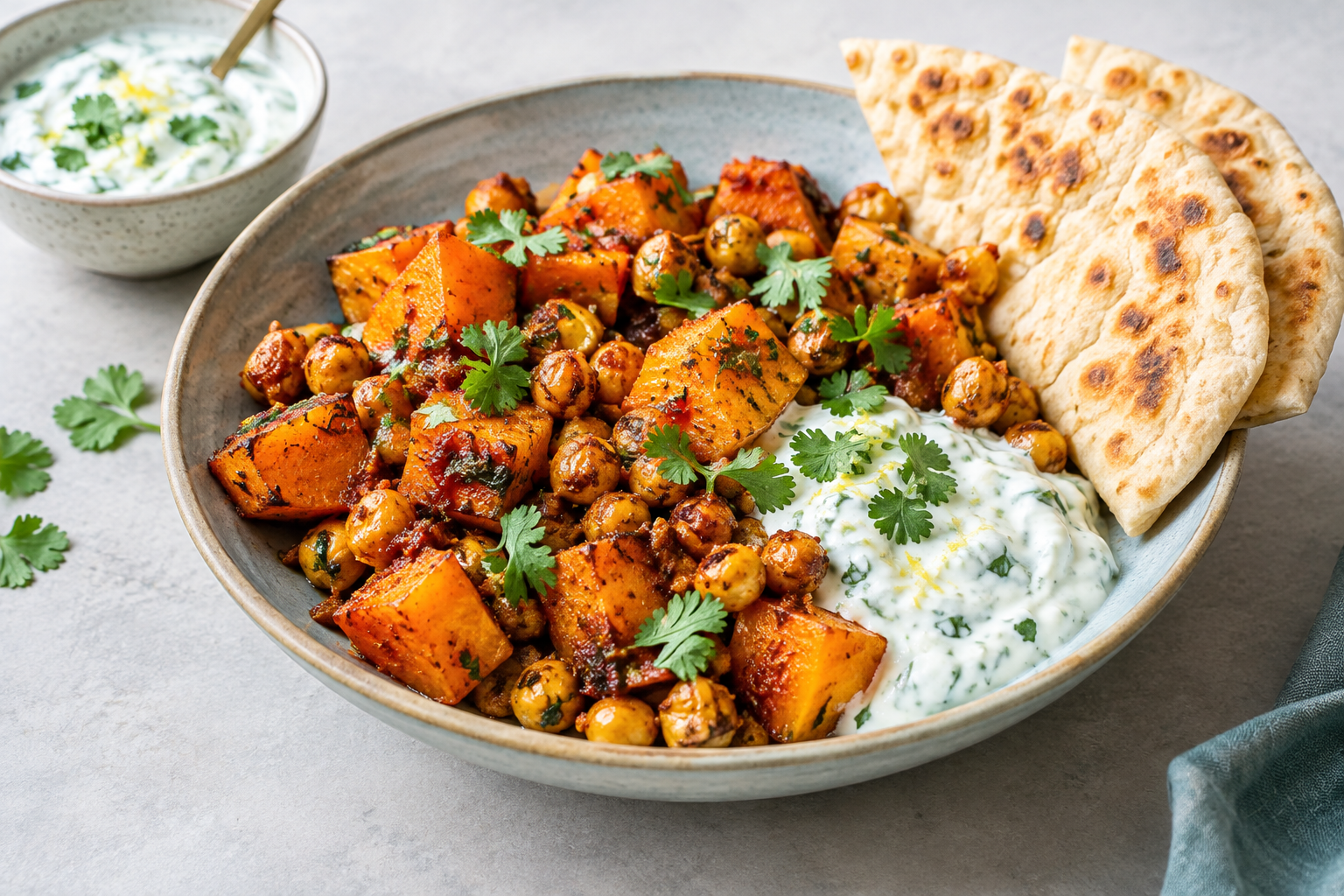
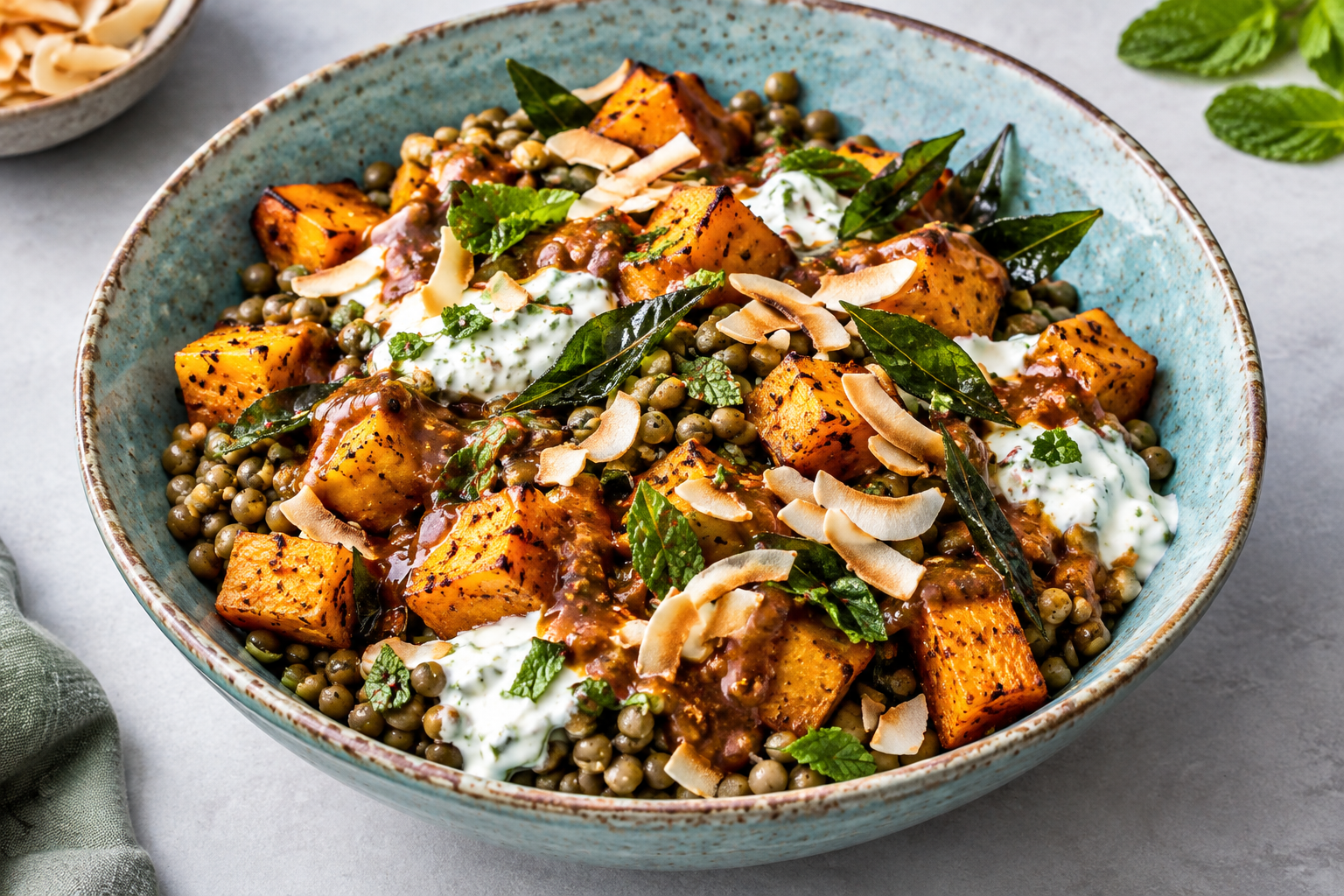
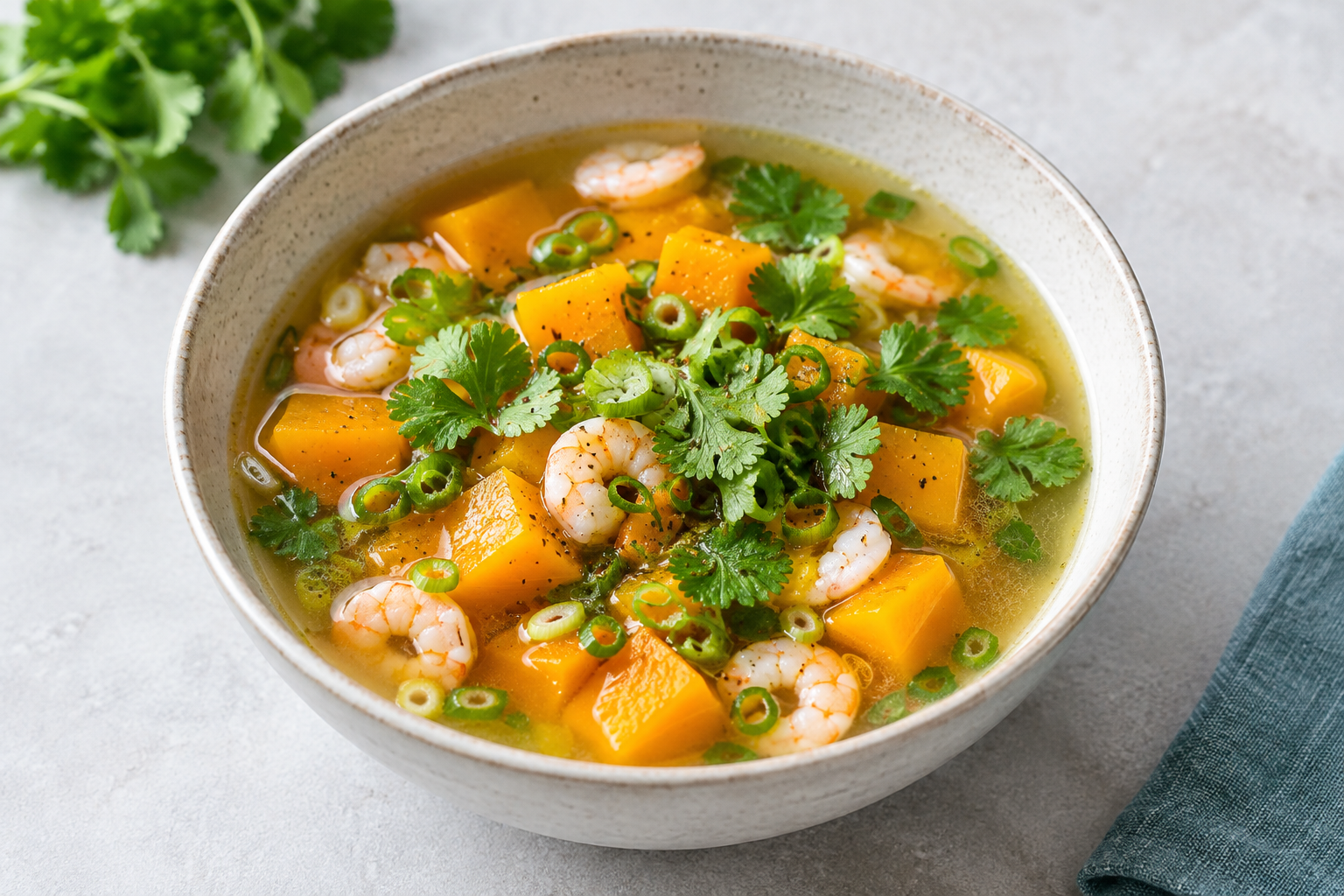
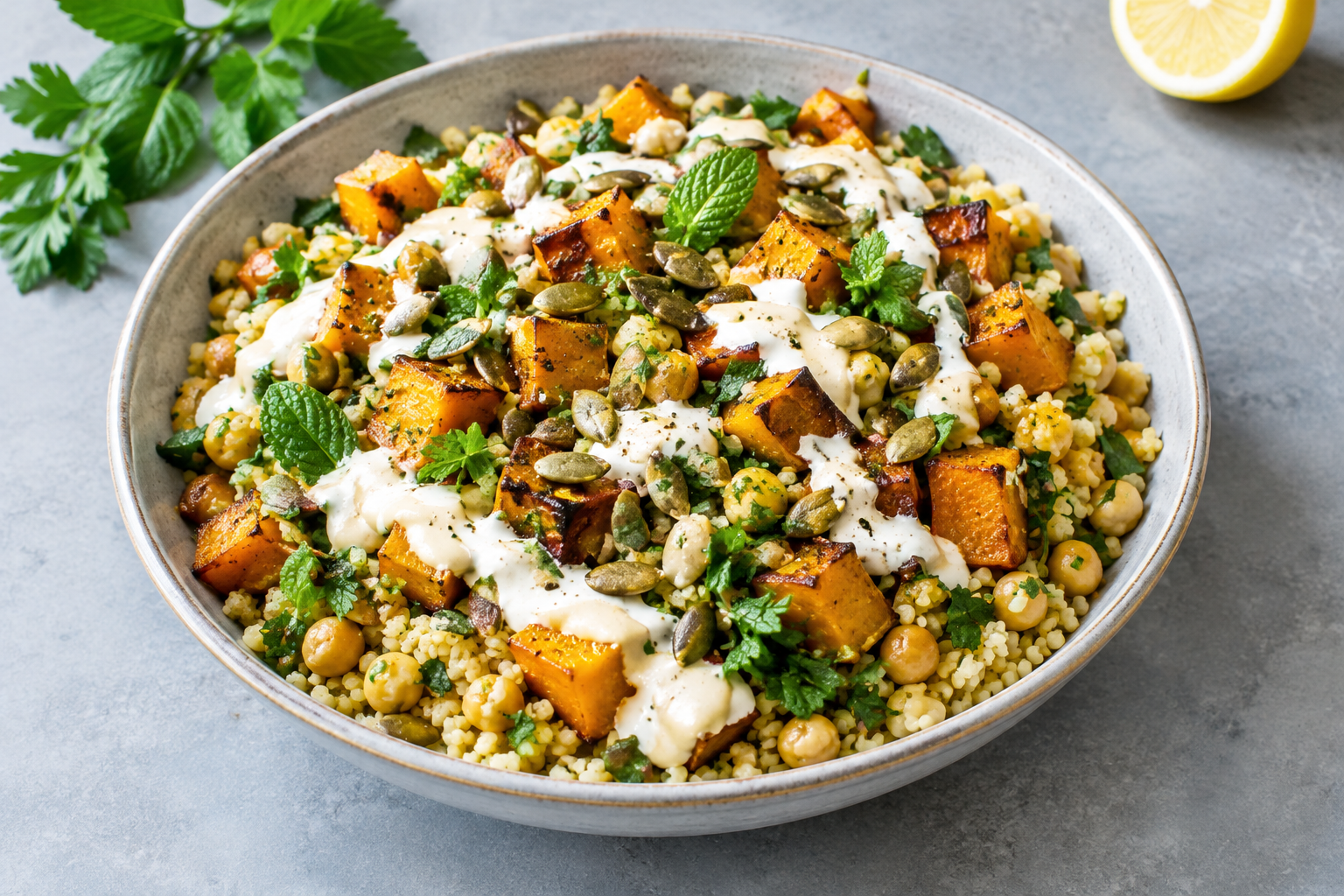
For browned edges, pumpkin needs plenty of room in a hot oven. If the pieces are piled on top of each other, they’ll steam rather than roast. Turn them halfway through and take them out of the oven as soon as a knife slides in easily. That roasted flavor pairs well with fresh, bright contrasts: lemon and herbs with pearl couscous, or harissa yogurt with flatbread. Stews call for a different approach. Let the pumpkin cook gently in coconut milk or stock, and stir carefully so the pieces stay intact. For noodles and pasta, some of the pumpkin can break down into the sauce. Save a crunchy element, such as chickpeas, for just before serving.
From Italian pasta to spiced stews
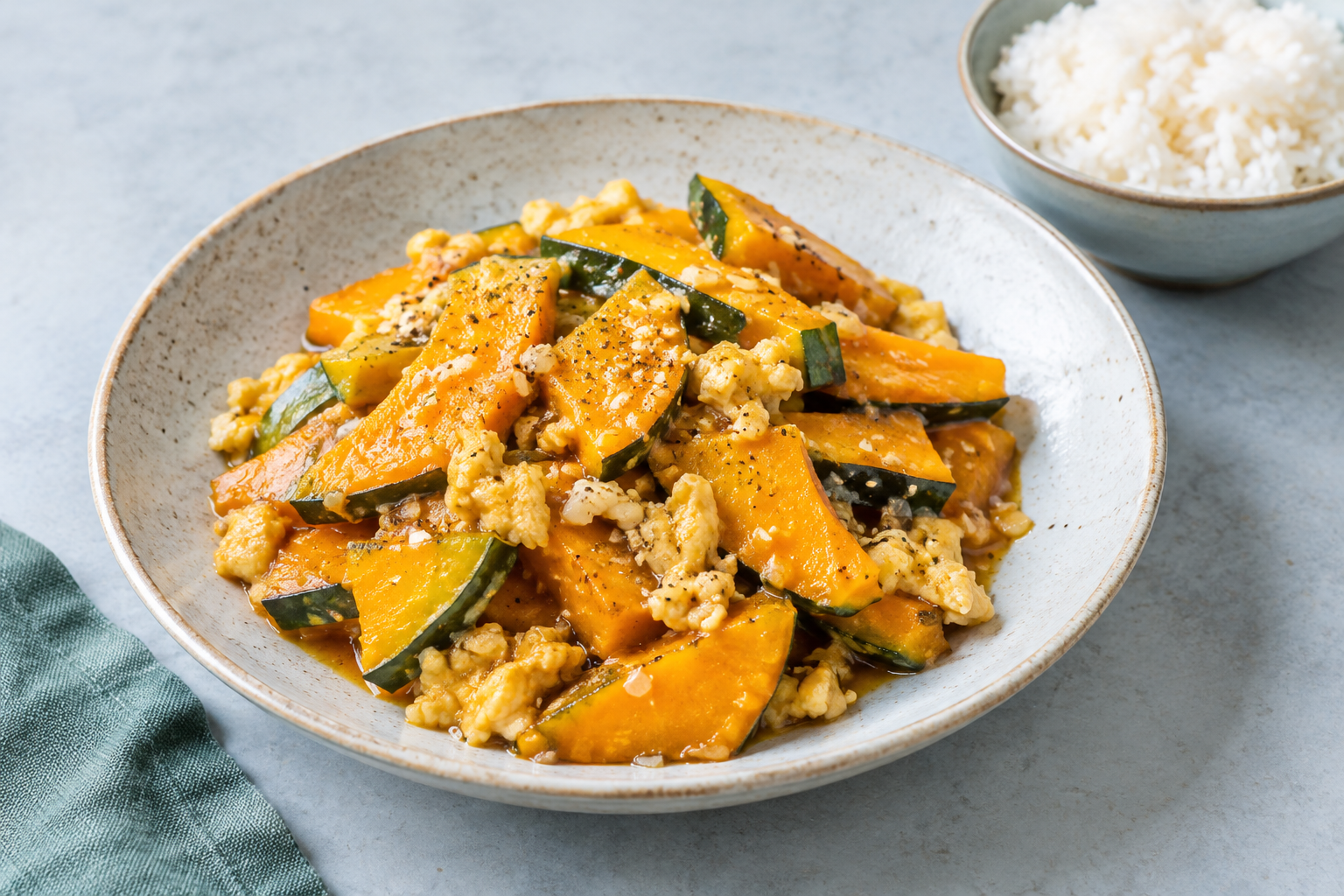
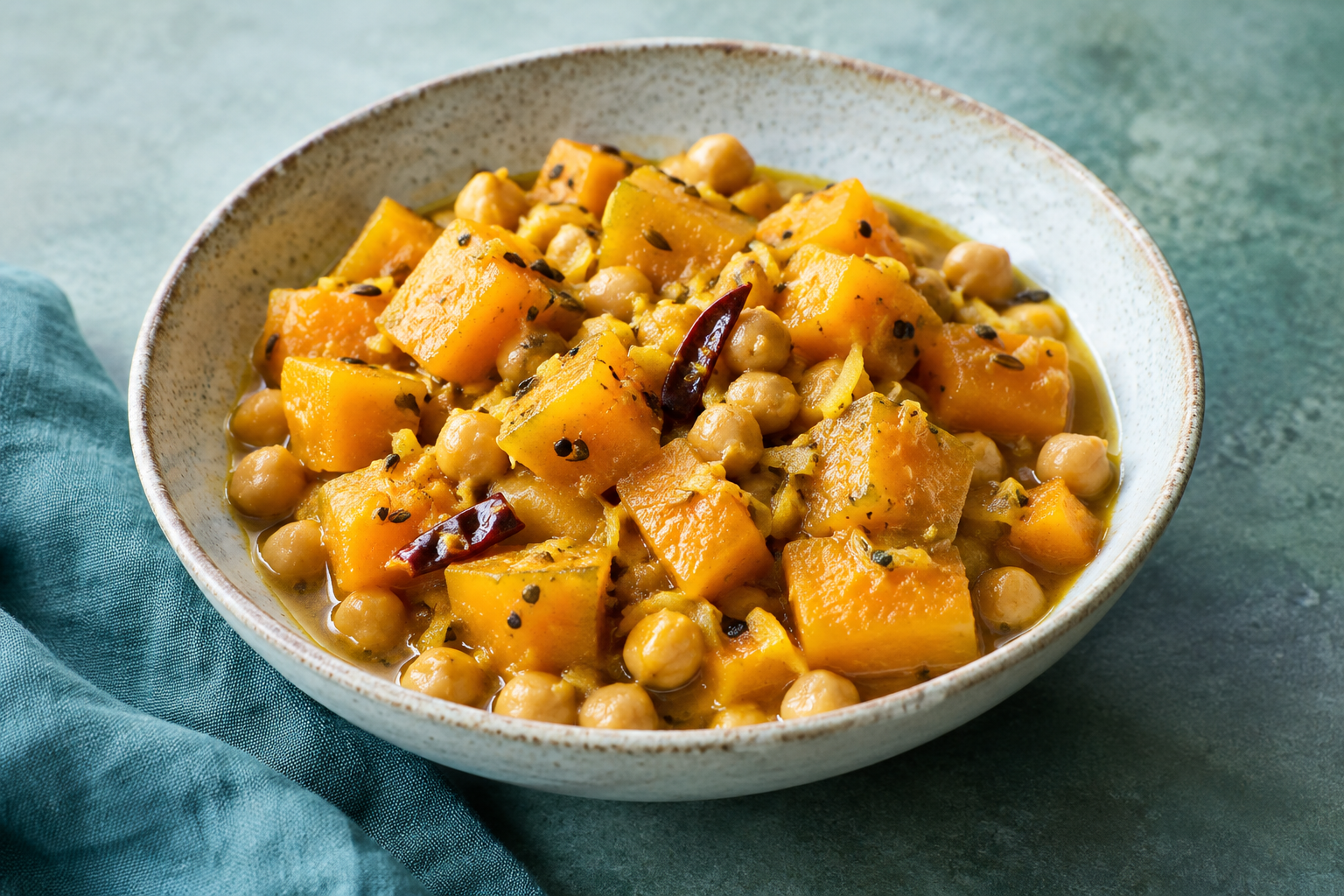
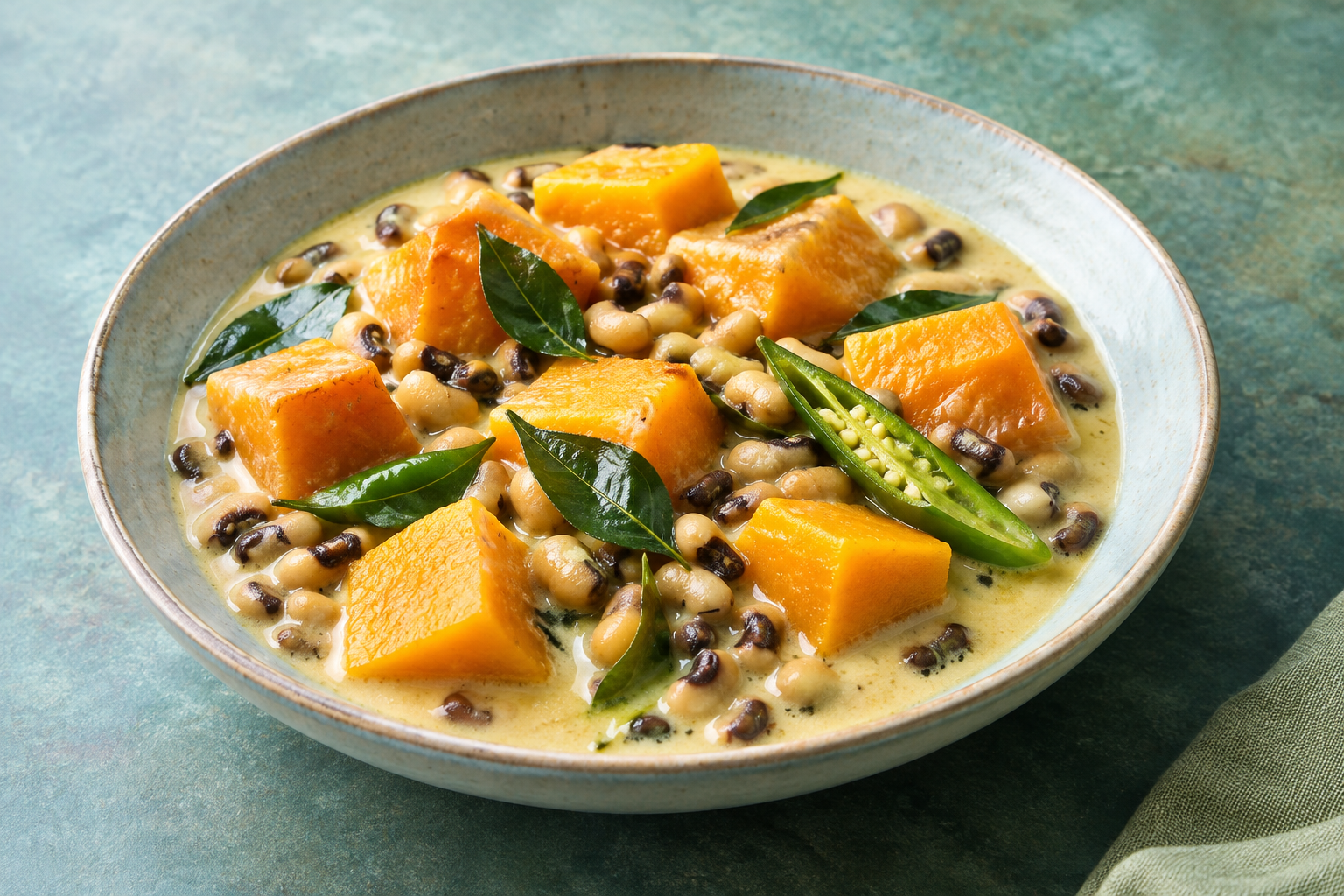
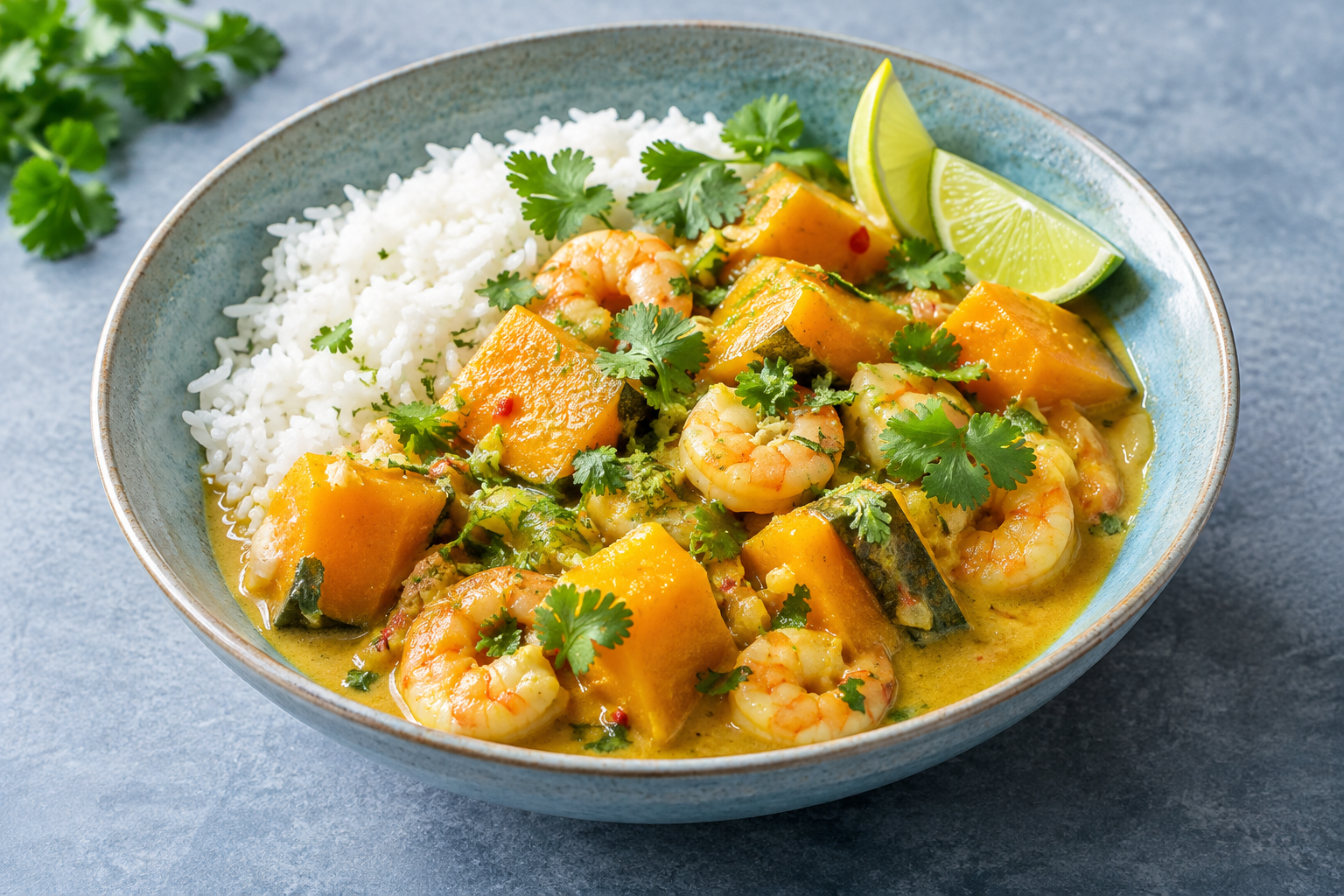
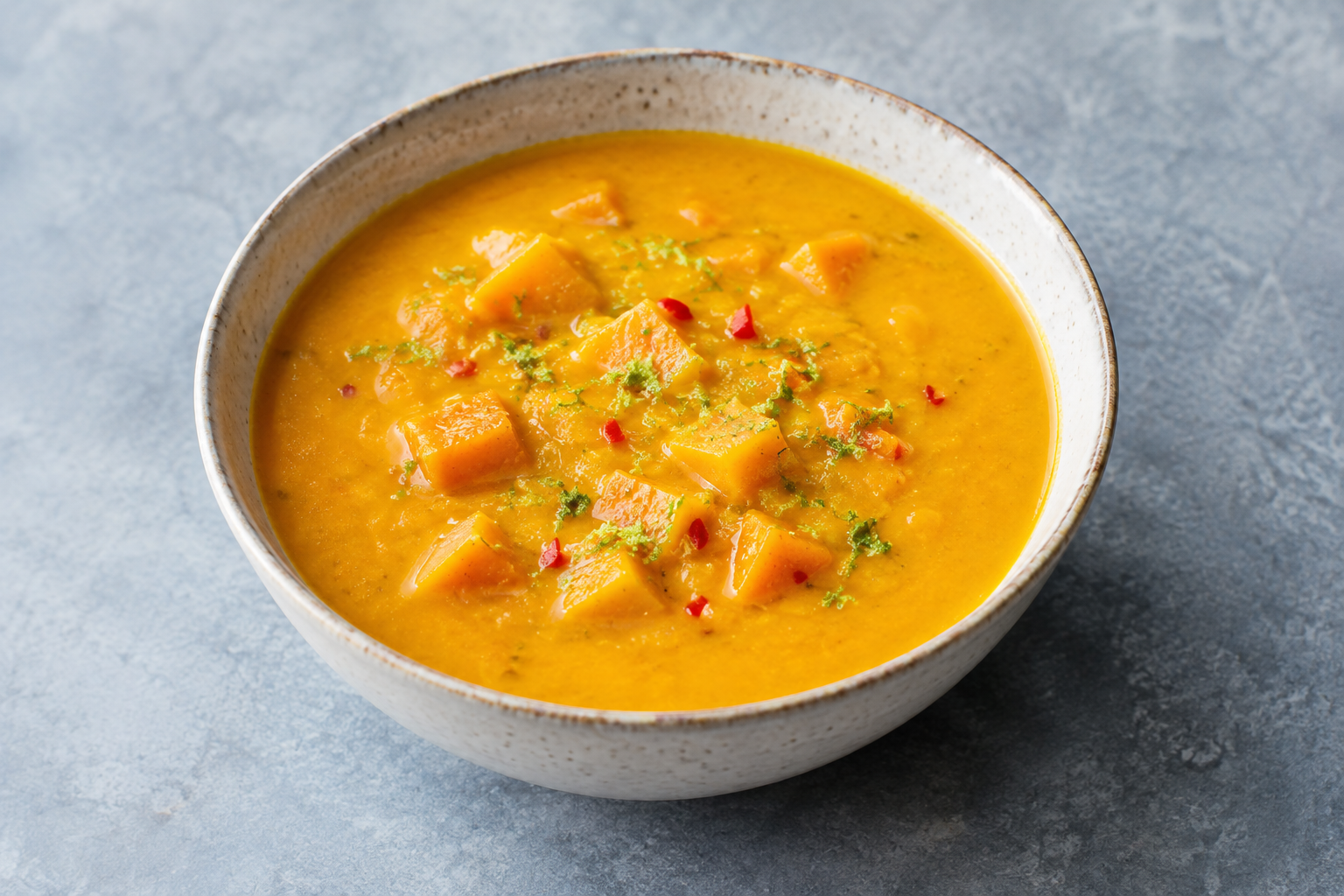
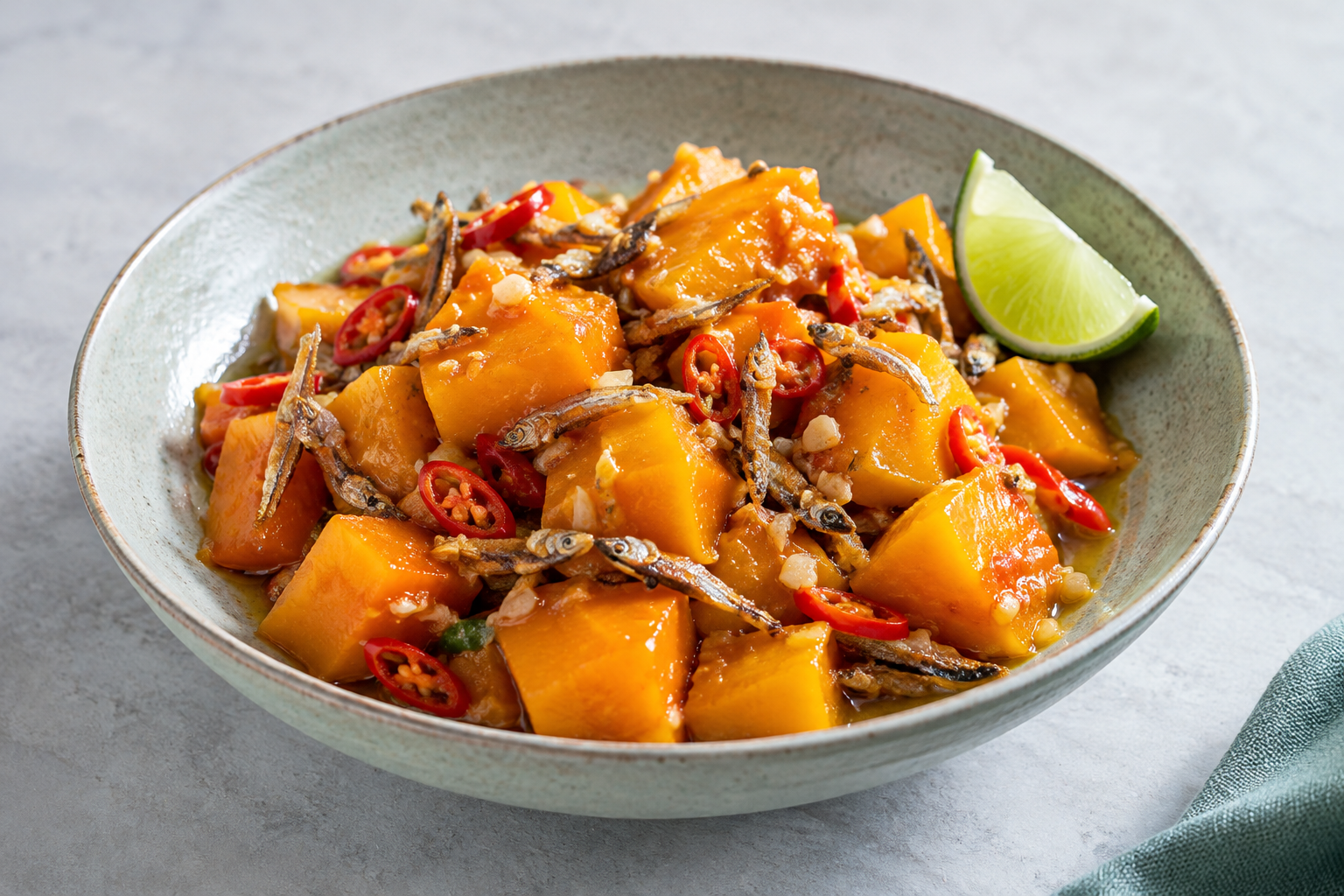
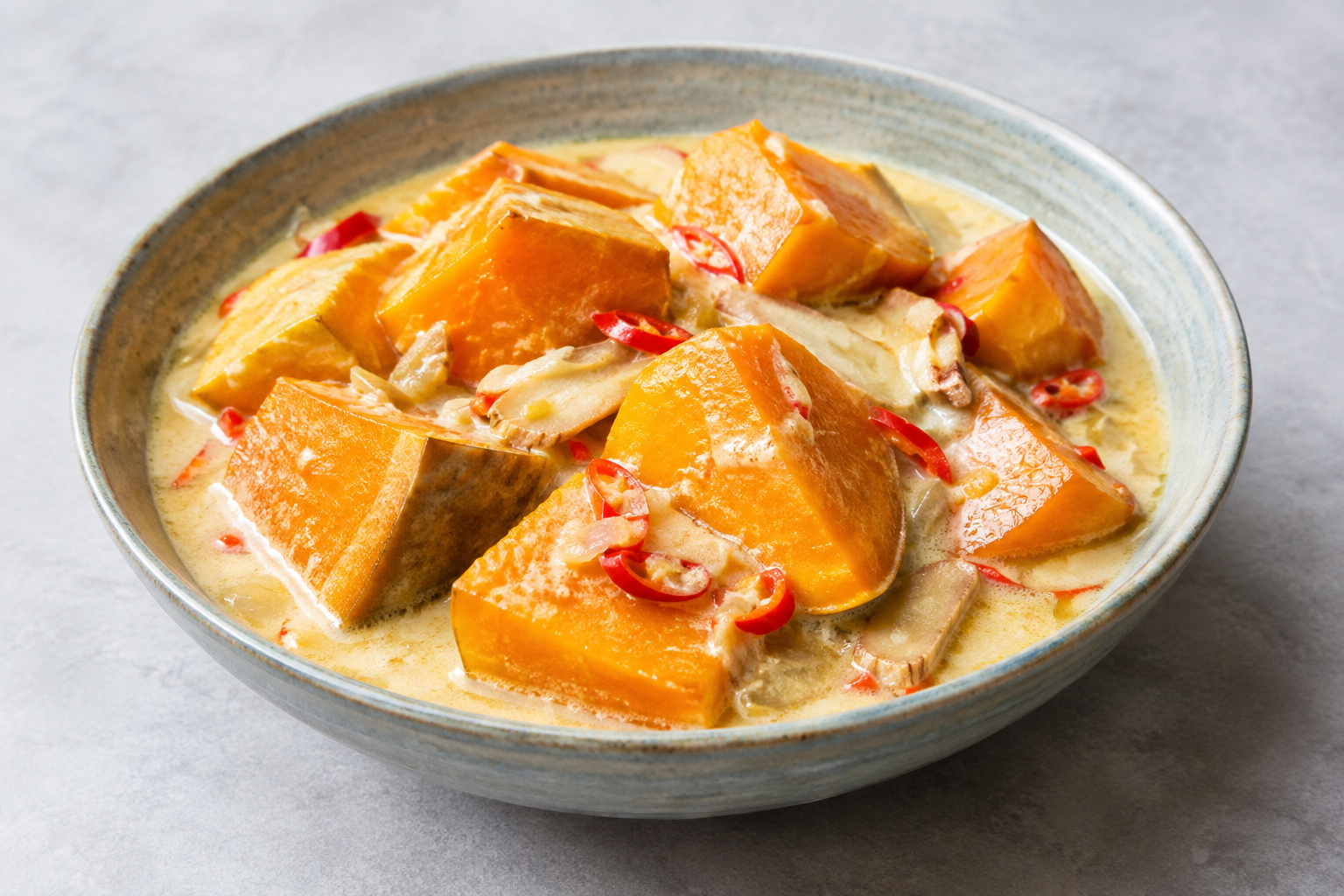
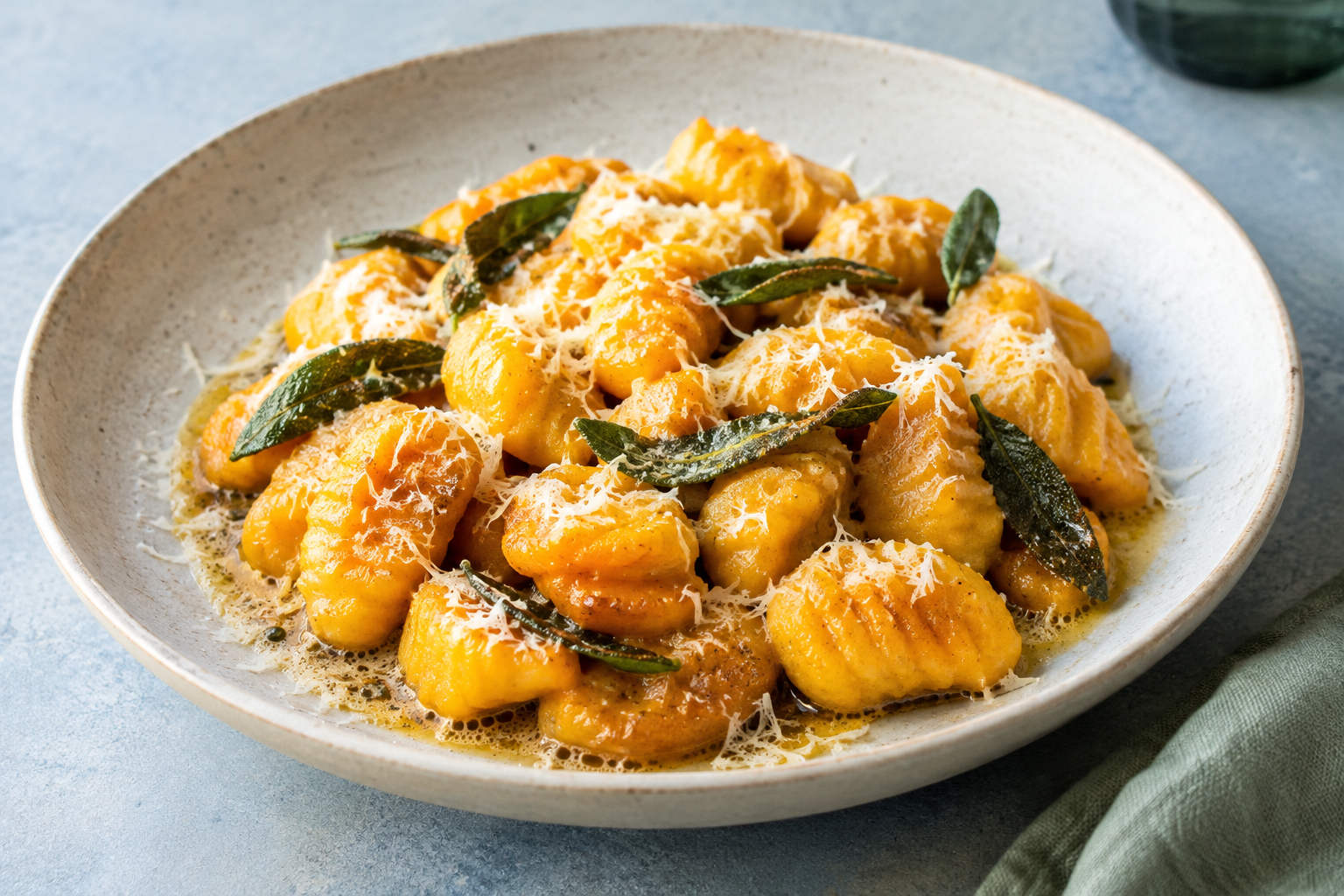
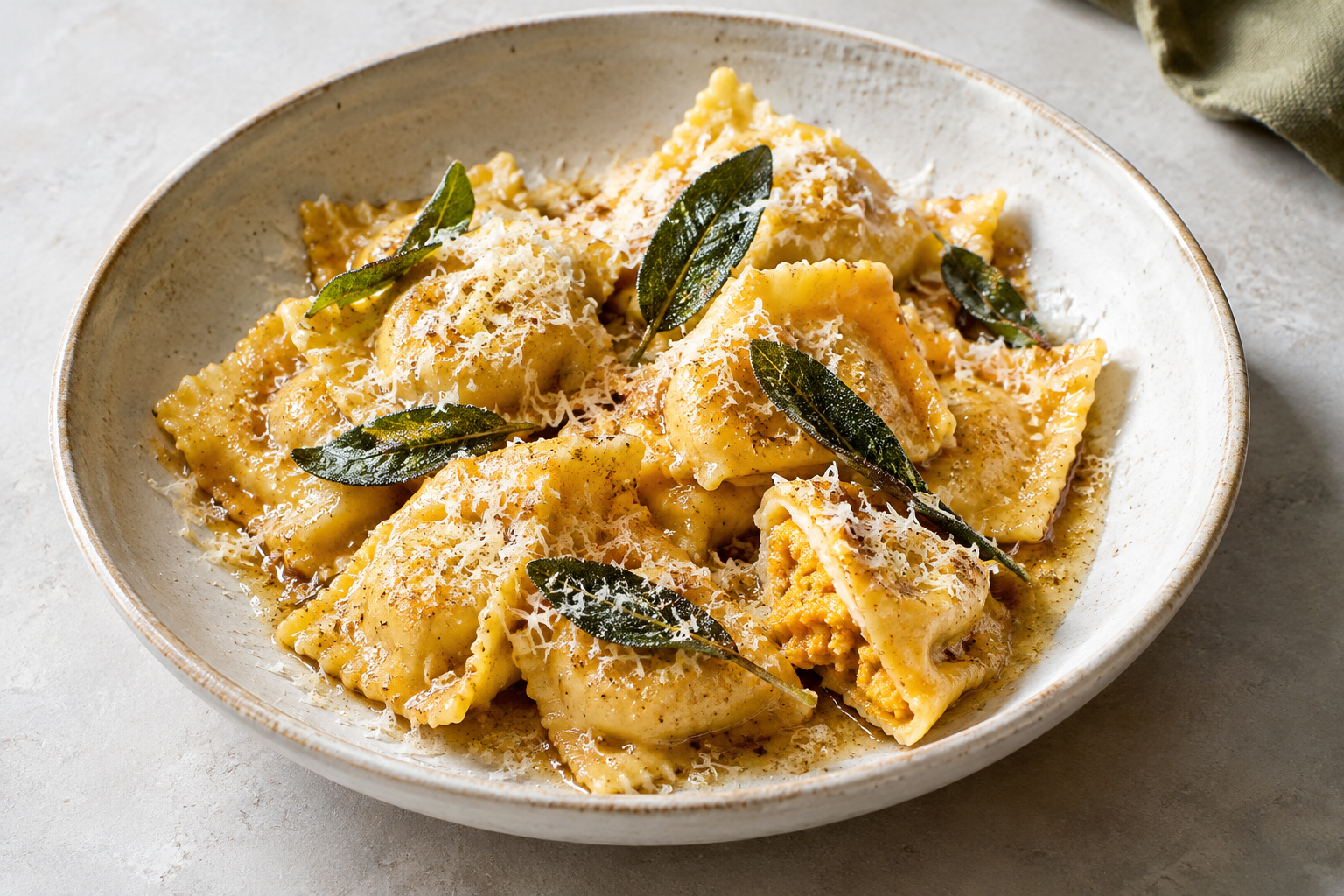
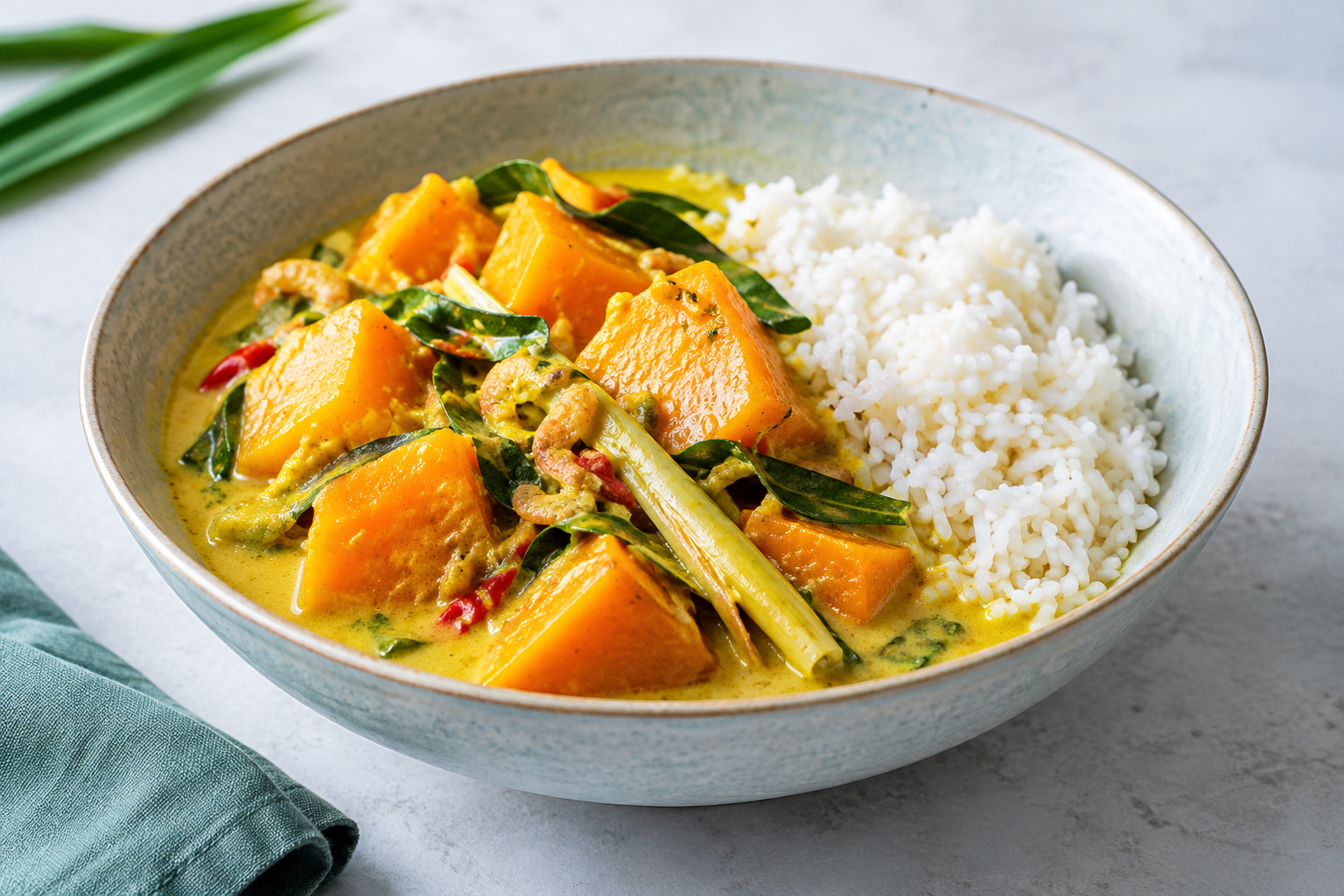
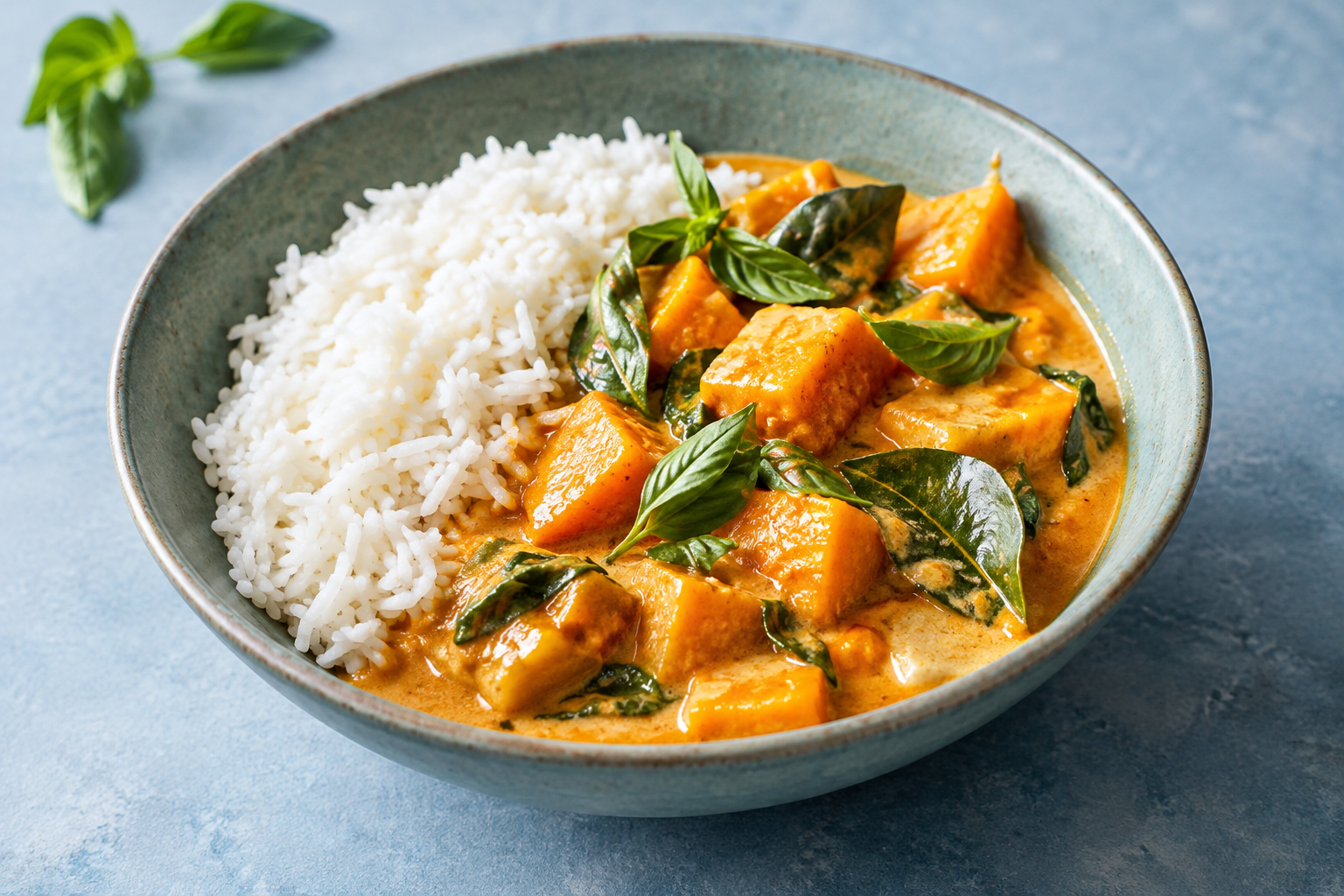
The recipes show different ways to pair pumpkin with other flavors. In risotto, some of the pumpkin cooks along with the rice, making it creamy; roasted pieces add extra bite to the finished dish. Gnocchi and tortelli call for pumpkin purée with little excess moisture, otherwise the dough can be difficult to shape. The tortelli with amaretti and mostarda draw on a well-known combination from Mantua in Lombardy; the gnocchi with sage butter are a different Italian preparation, not a variation with the same filling. There are also stews with coconut, chili and aromatic ingredients. Serve those with rice; with roasted pumpkin, opt for yogurt, herbs or a tangy dressing to balance the sweet flesh.
 Main course