 Side dish
45 minutes
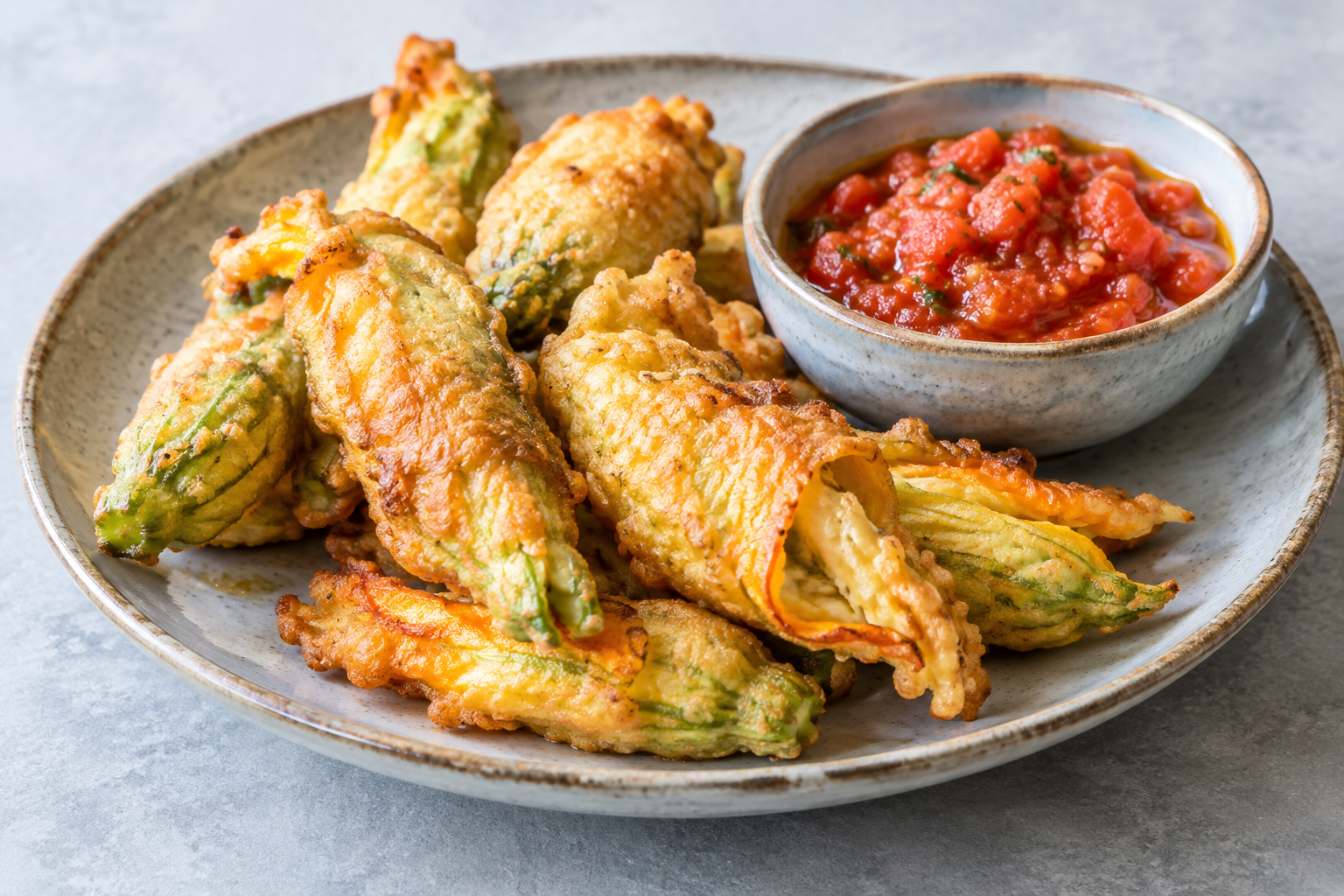
Zucchini Blossoms with Ricotta, Lemon, and Tomato Dip
Crisp batter, a soft filling with lemon and basil, and a fresh tomato dip: these stuffed zucchini blossoms make an elegant yet easy-to-manage warm appetizer.
From trofie with pesto from Liguria to cacio e pepe from Rome, these Italian recipes show just how varied pasta, vegetables and slow-cooked dishes can be. Choose something quick with a glossy sauce, a lunch with fresh herbs or a meal that can simmer away at its own pace. For every dish, technique and a few well-chosen ingredients make all the difference.
92 recipesBrowse the recipesSide dishCrisp batter, a soft filling with lemon and basil, and a fresh tomato dip: these stuffed zucchini blossoms make an elegant yet easy-to-manage warm appetizer.
 Main course
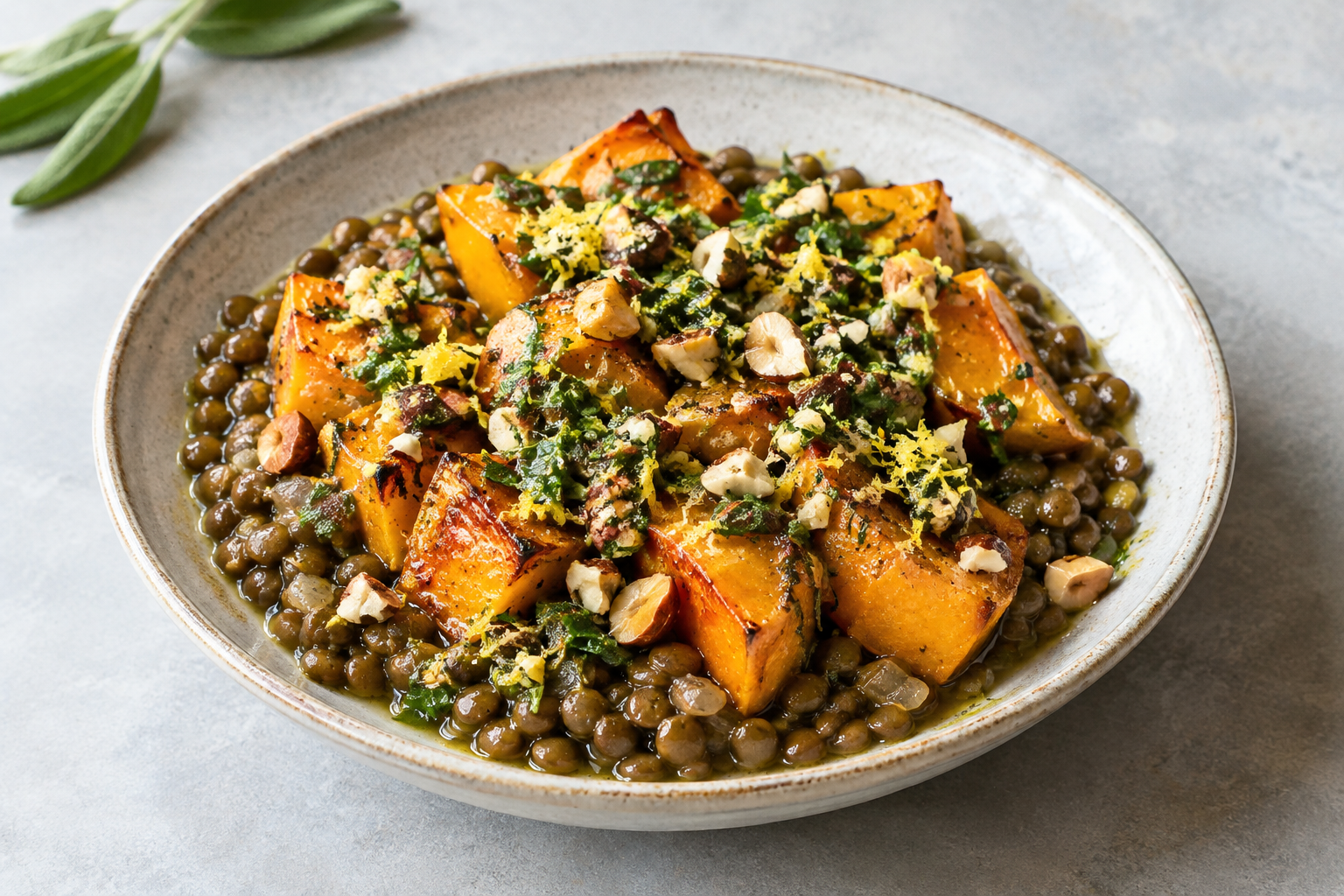
Hearty green lentils and sweet roasted squash get a fresh lift from lemon and sage. Hazelnuts add a crunchy contrast to every bite.
 Dessert
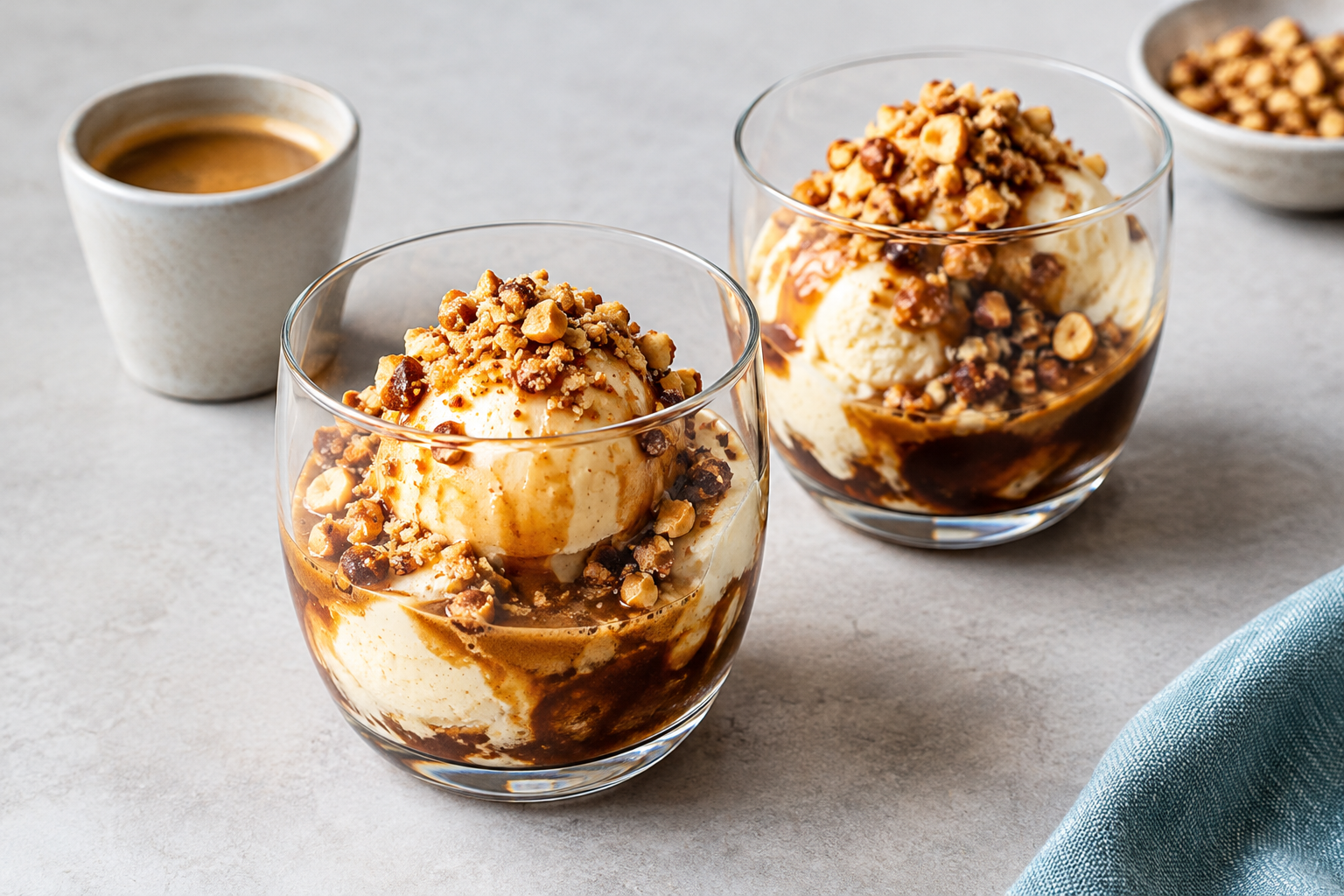
Hot, strong espresso pours over cold vanilla ice cream, melting the edges into a creamy coffee sauce. Homemade hazelnut praline adds a crunchy, slightly bitter contrast.
 Side dish
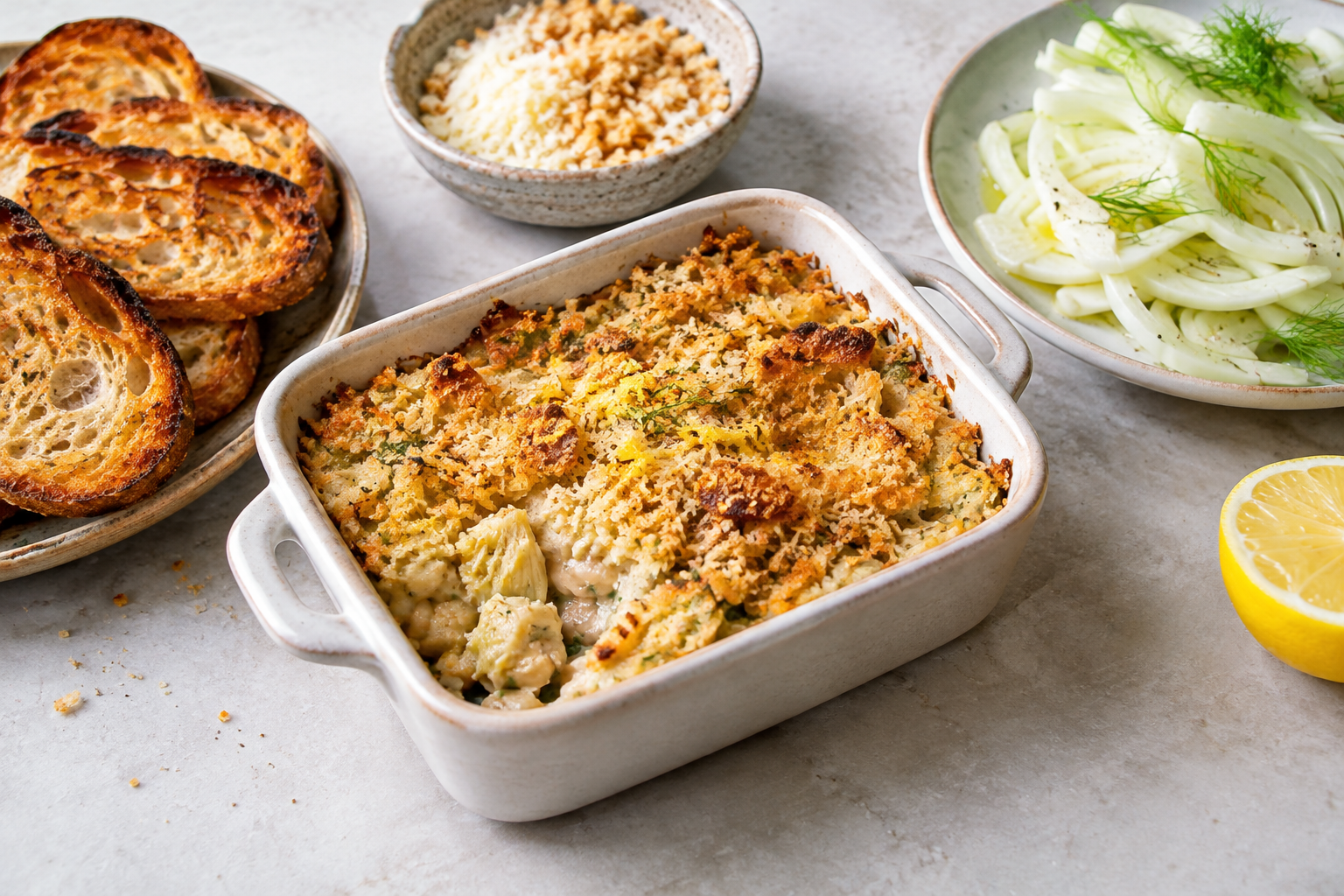
White beans and artichoke hearts come together in a creamy, chunky dip with a bright hit of lemon. A crisp topping of Parmesan and breadcrumbs turns golden in the oven; serve with toasted bread and thin slices of fennel.
 Side dish
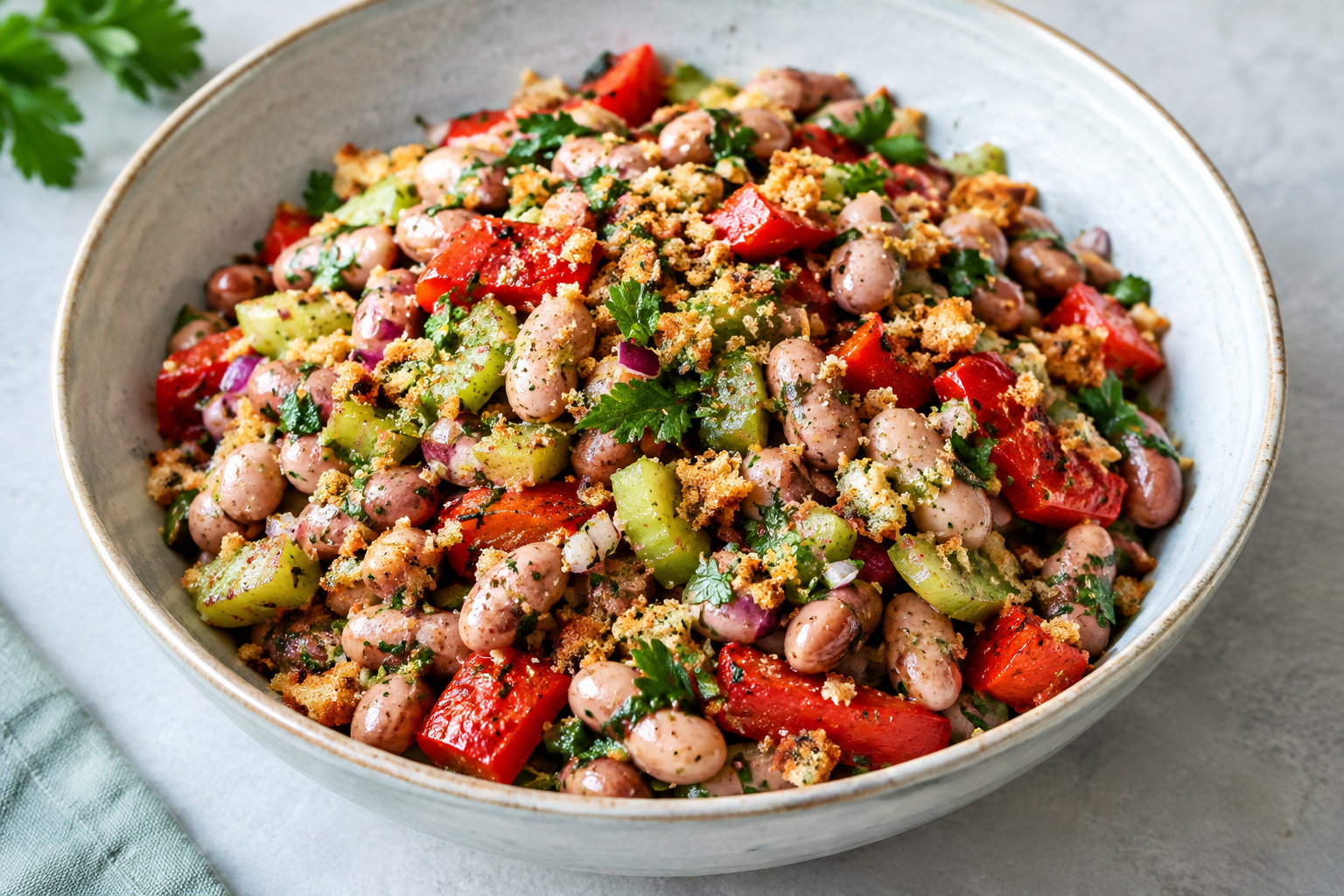
Creamy borlotti beans soak up the fresh dressing, while roasted pepper, crunchy celery and crisp breadcrumbs add contrast. This colourful side dish is best served lukewarm.
 Side dish
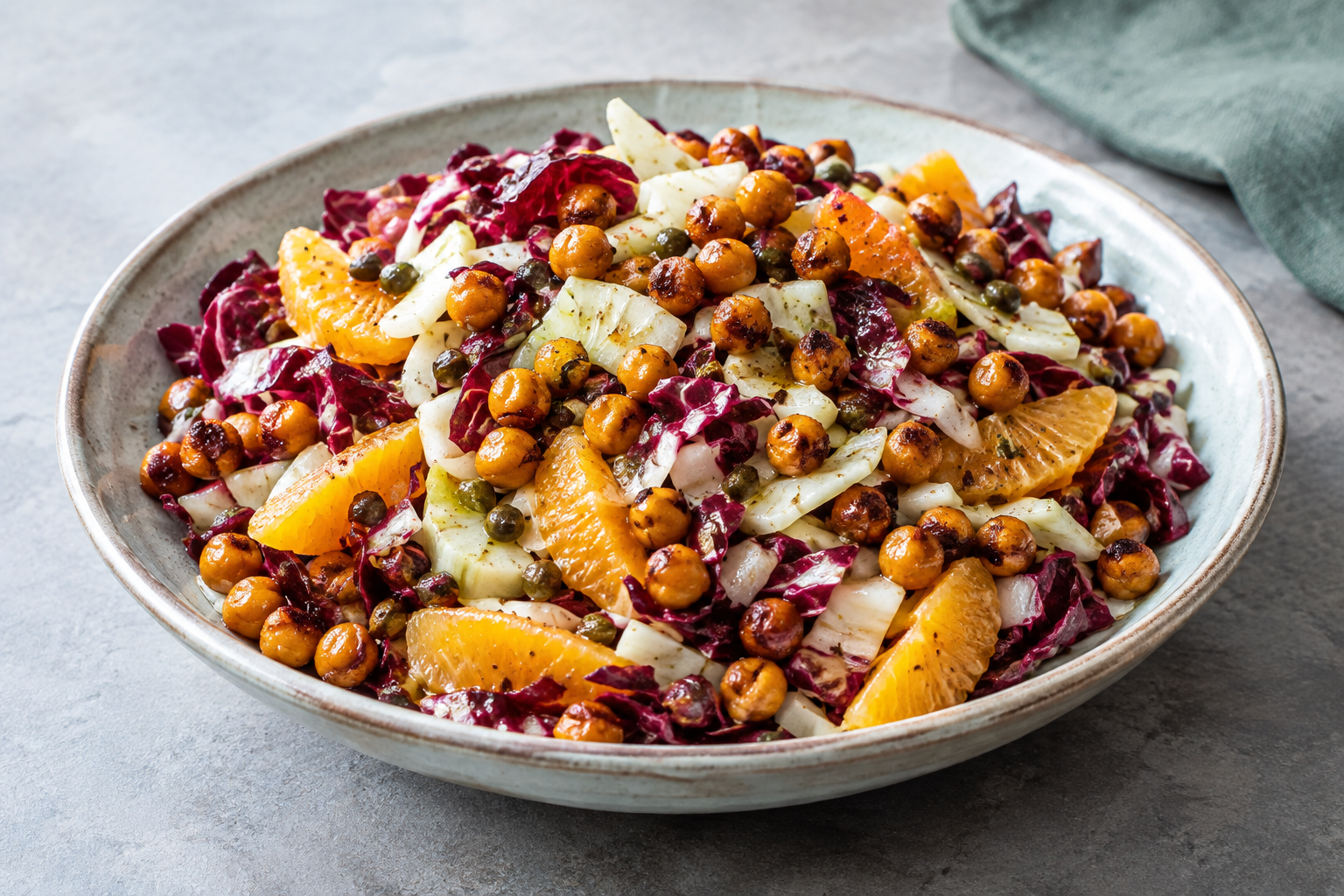
Bitter radicchio, crisp fennel and juicy orange give this chopped salad plenty of contrast. Chickpeas add substance; roast some until crisp and scatter them over the salad just before serving.
 Main course
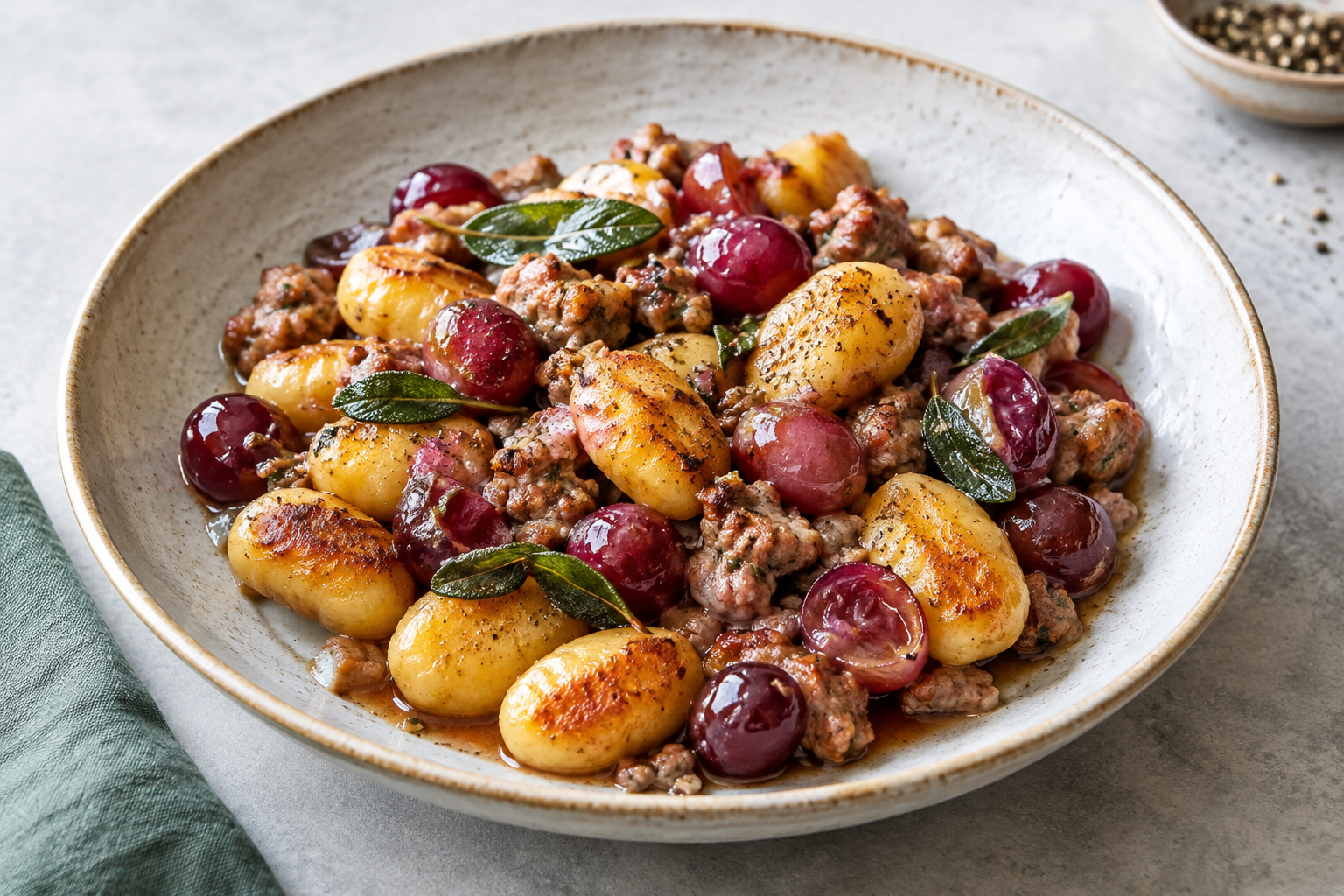
Golden-brown fried gnocchi, spiced pork sausage and grapes that burst open in the pan come together in a sweet-and-savory sauce with a fresh tang of red wine vinegar. Sage finishes the dish.
 Main course
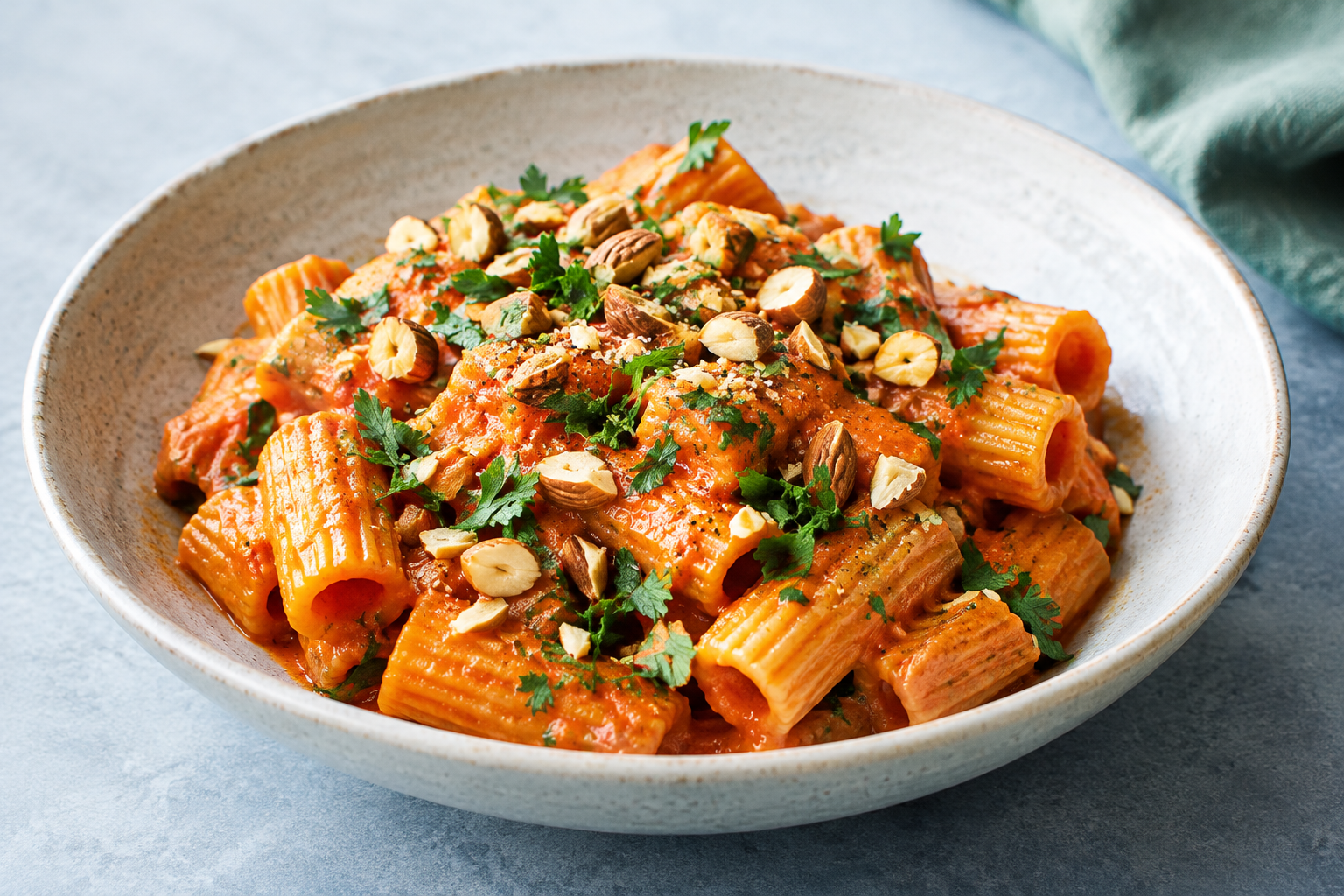
Roasted red peppers make a mellow, slightly sweet sauce that clings to the ridges of the rigatoni. Toasted almonds and parsley add a fresh, crunchy contrast to every bite.
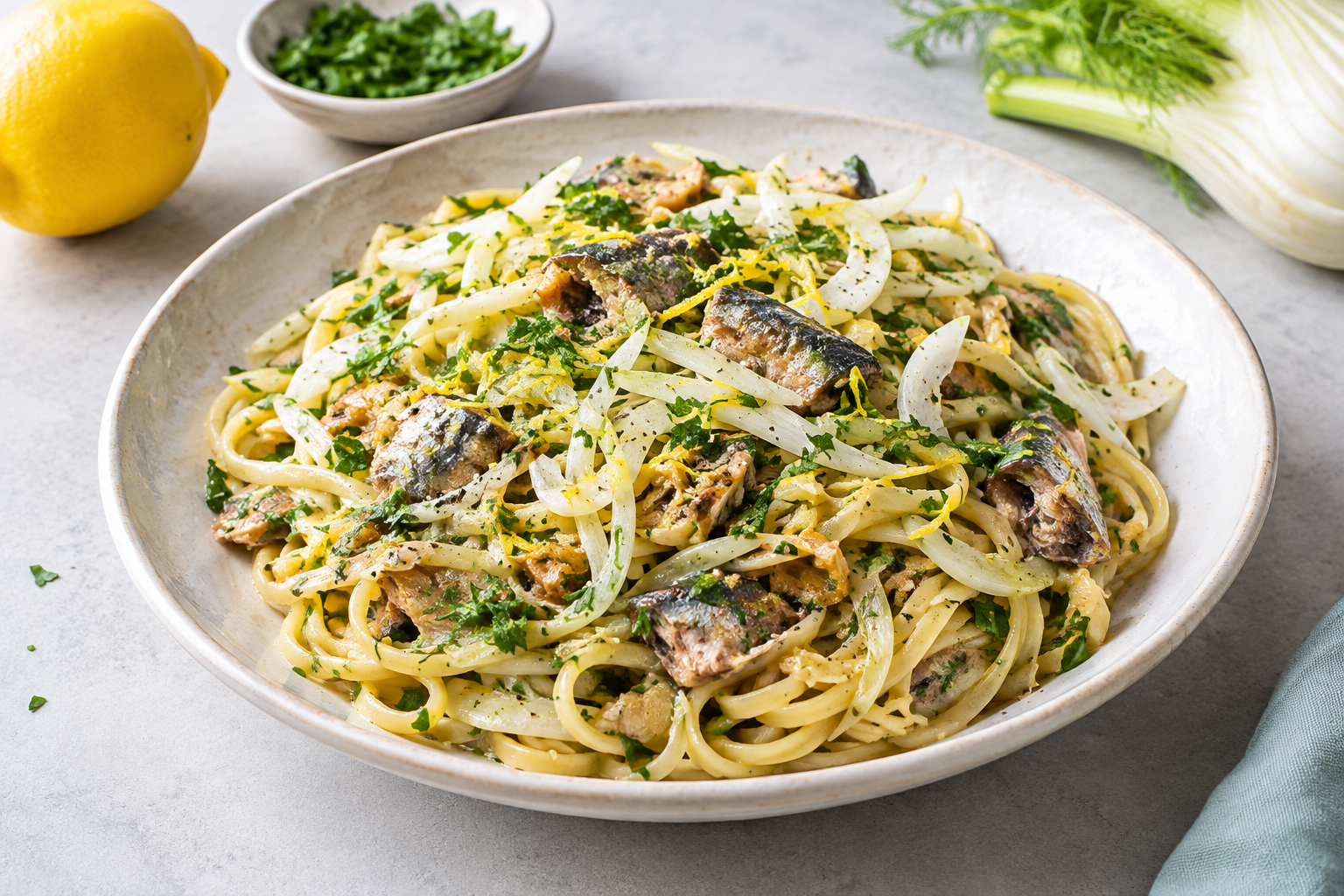 Main course
Tender sardines and slowly cooked fennel make a savory, glossy sauce for linguine. Raw fennel, lemon and parsley keep the dish fresh and give every bite a little crunch.
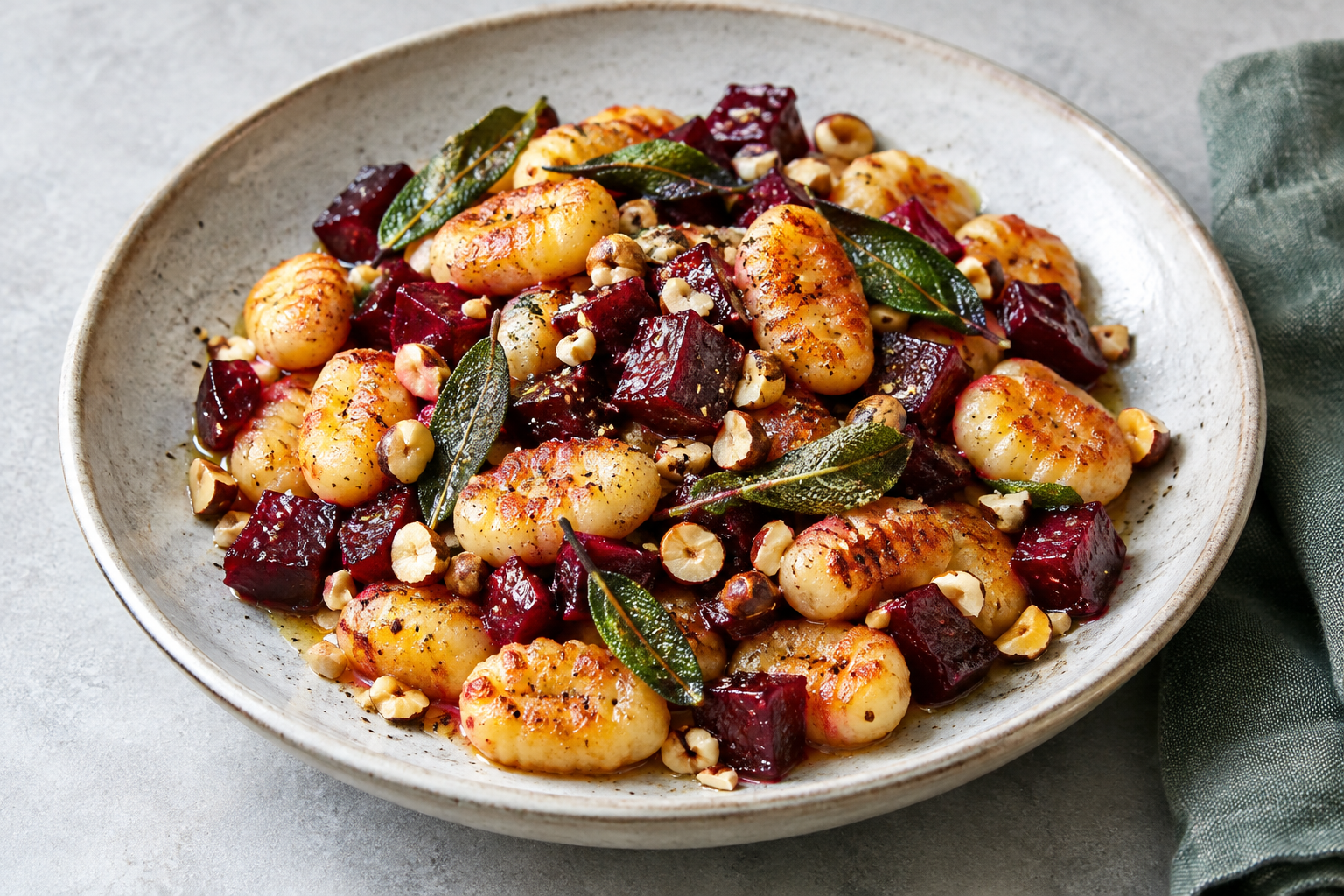 Main course
Golden-brown pan-fried gnocchi, sweet roasted beetroot and crisp sage get a fresh counterpoint from red wine vinegar. Hazelnuts add a satisfying crunch to this colourful, Italian-inspired main course.
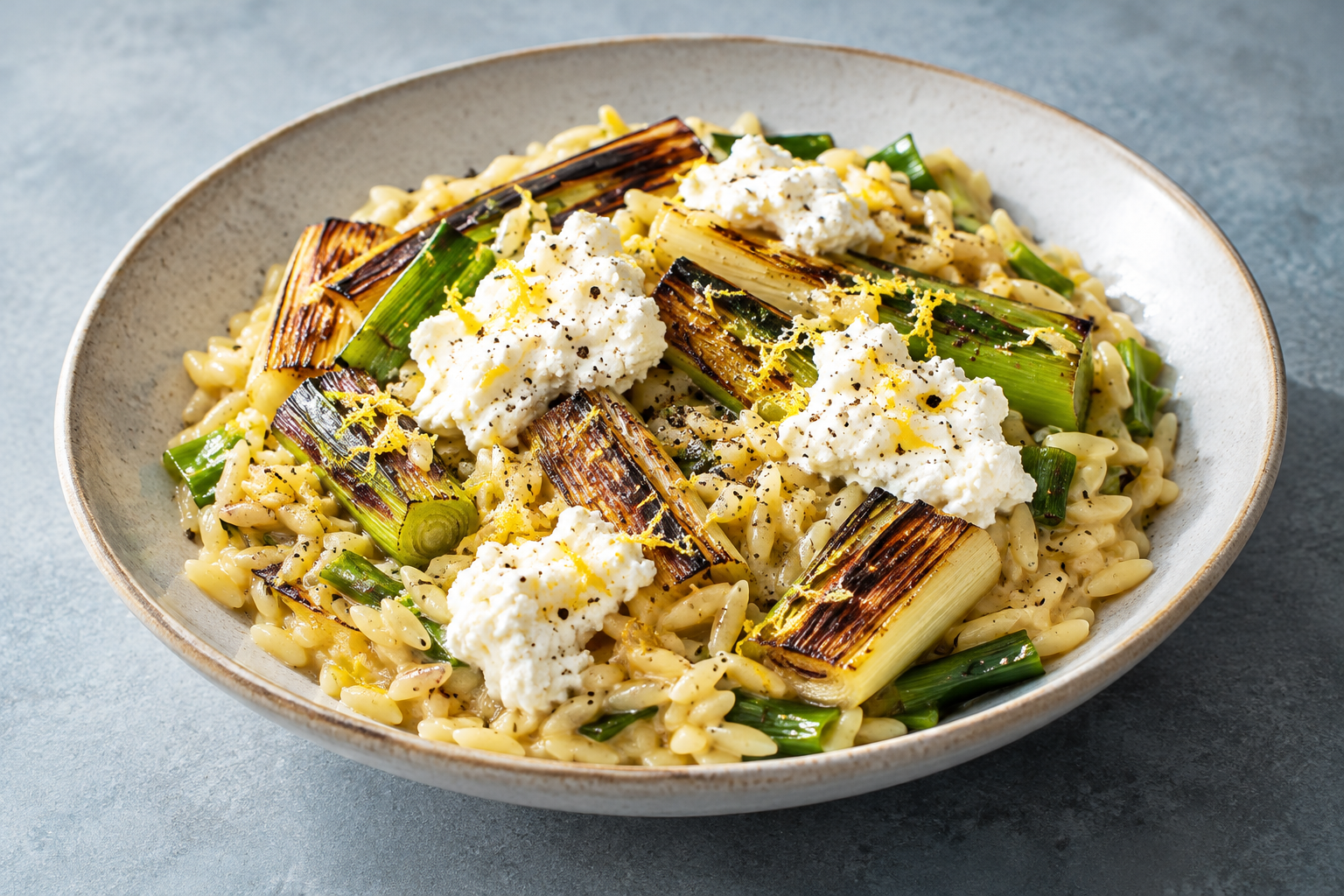 Main course
Tender orzo, leeks with dark roasted edges and bright lemon: a creamy main course that still feels light, thanks to a spoonful of ricotta on top.
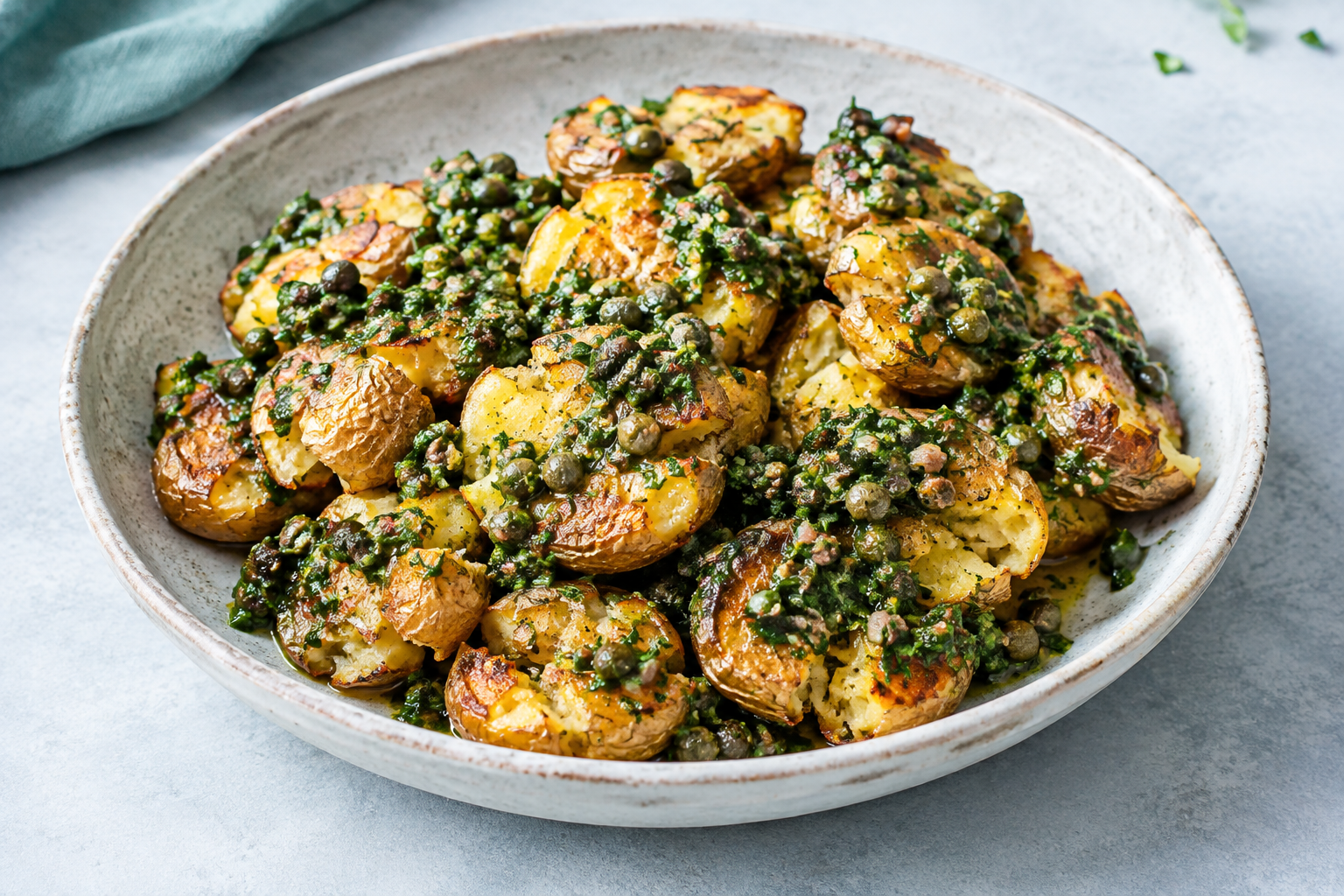 Side dish
Boiled baby potatoes get crispy edges in a hot oven while staying soft inside. A chunky salsa verde made with parsley, capers and anchovies adds bright acidity and savory flavor; spoon it over just before serving.
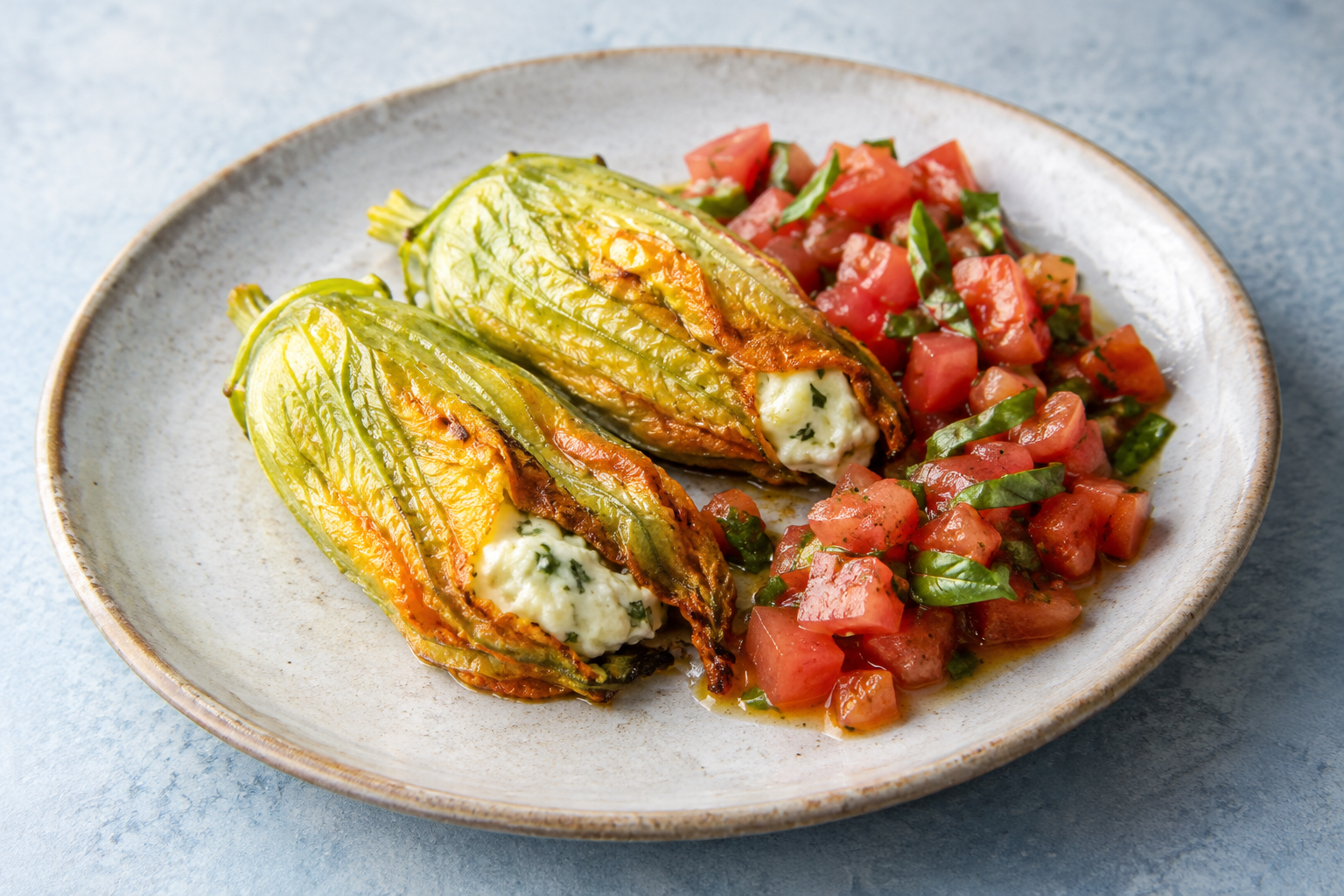 Side dish
Tender zucchini blossoms with a fresh ricotta filling, briefly baked in the oven and served with tomato salsa. A light starter where creamy cheese, lemon and ripe tomato balance one another.
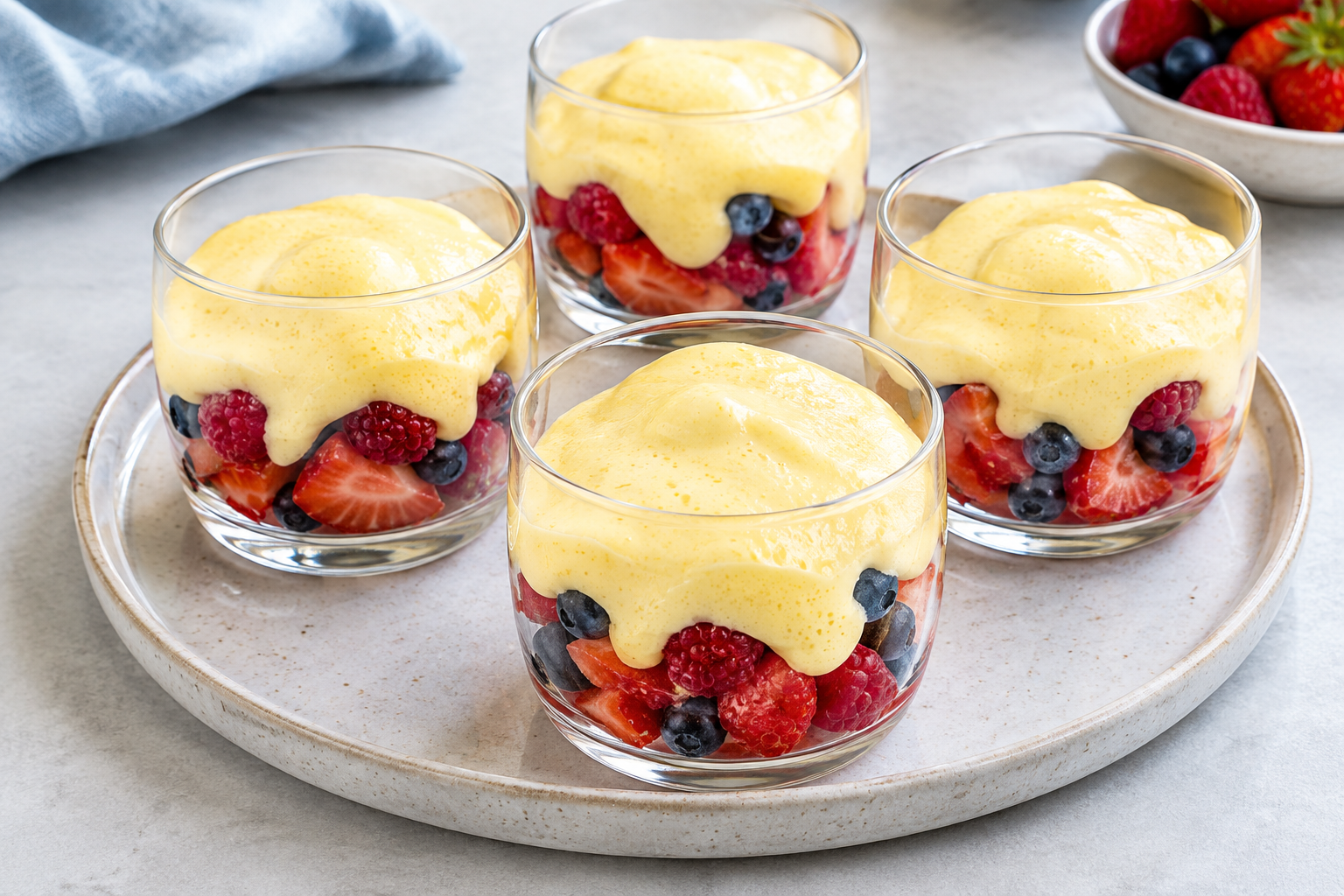 Dessert
This Italian spoon dessert is whisked until light over a bain-marie with egg yolks, sugar and Marsala. Serve the warm, frothy zabaglione straight away with fresh berries.
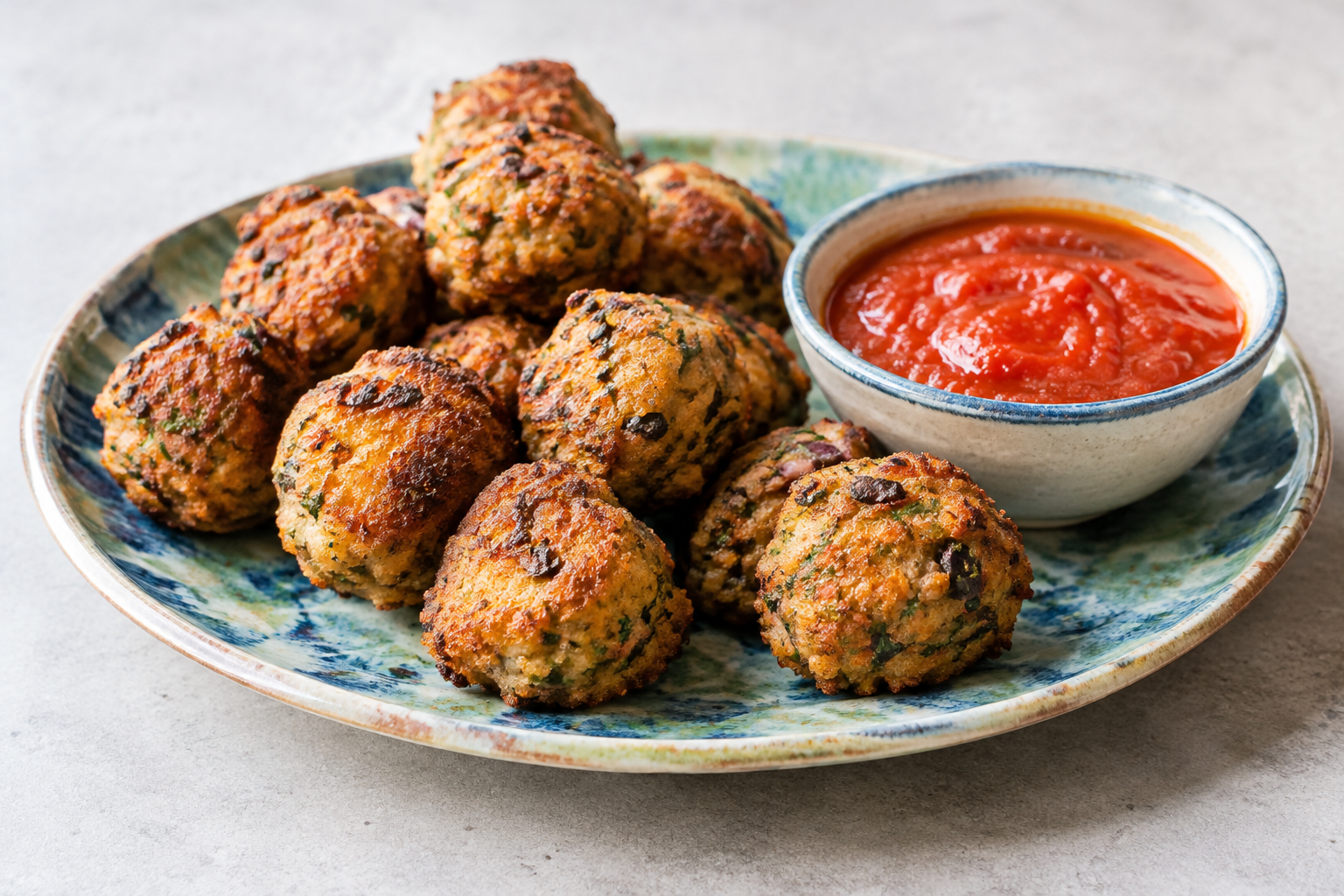 Side dish
These Sicilian eggplant balls have a golden, crispy crust and a soft centre with pecorino and parsley. Serve them warm with a simple tomato sauce for dipping.
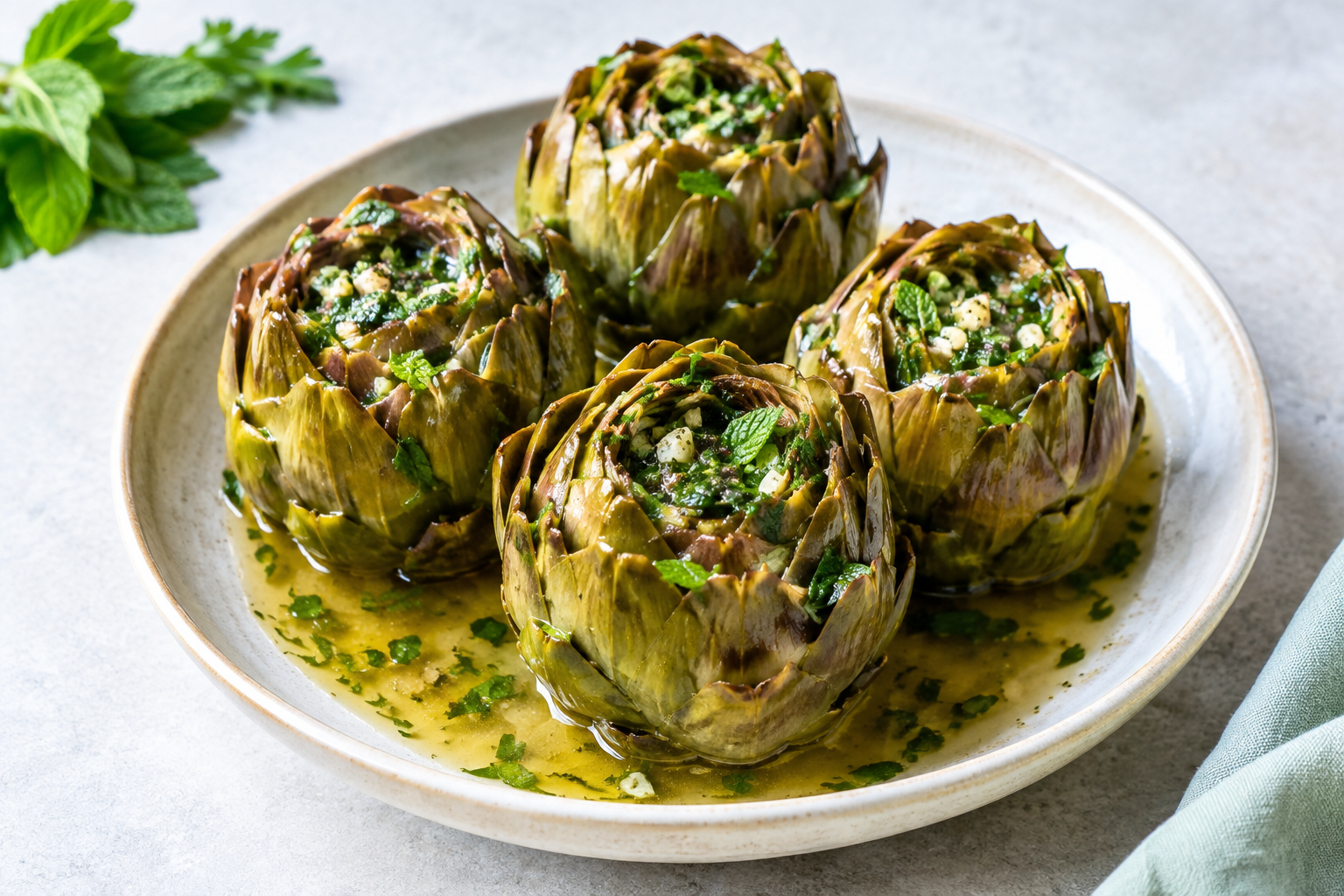 Side dish
Artichokes are filled with garlic, mint and parsley, then gently braised in olive oil and water. Serve them warm as an Italian starter, with the fragrant cooking liquid alongside.
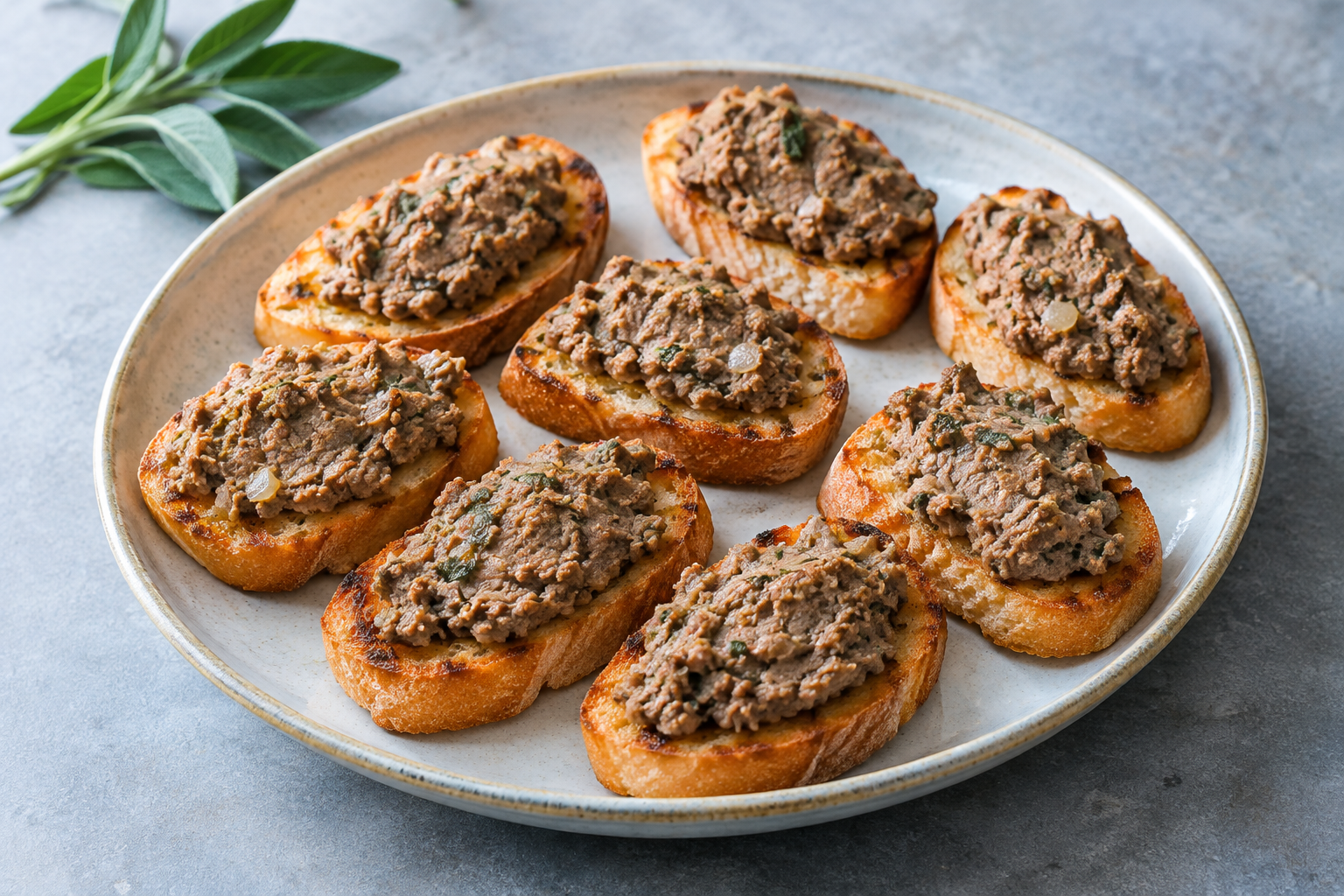 Side dish
These Tuscan crostini pair crisp toasted bread with a warm, savory chicken liver pâté. Sage and onion add depth, while a splash of stock makes the pâté smooth without masking the flavor of the liver.
 Breakfast
Soft, golden-brown cornetti with delicate buttery layers and a modest spoonful of apricot jam. Fill some and leave the rest plain: that way, you can really taste the airy yeasted dough on its own.
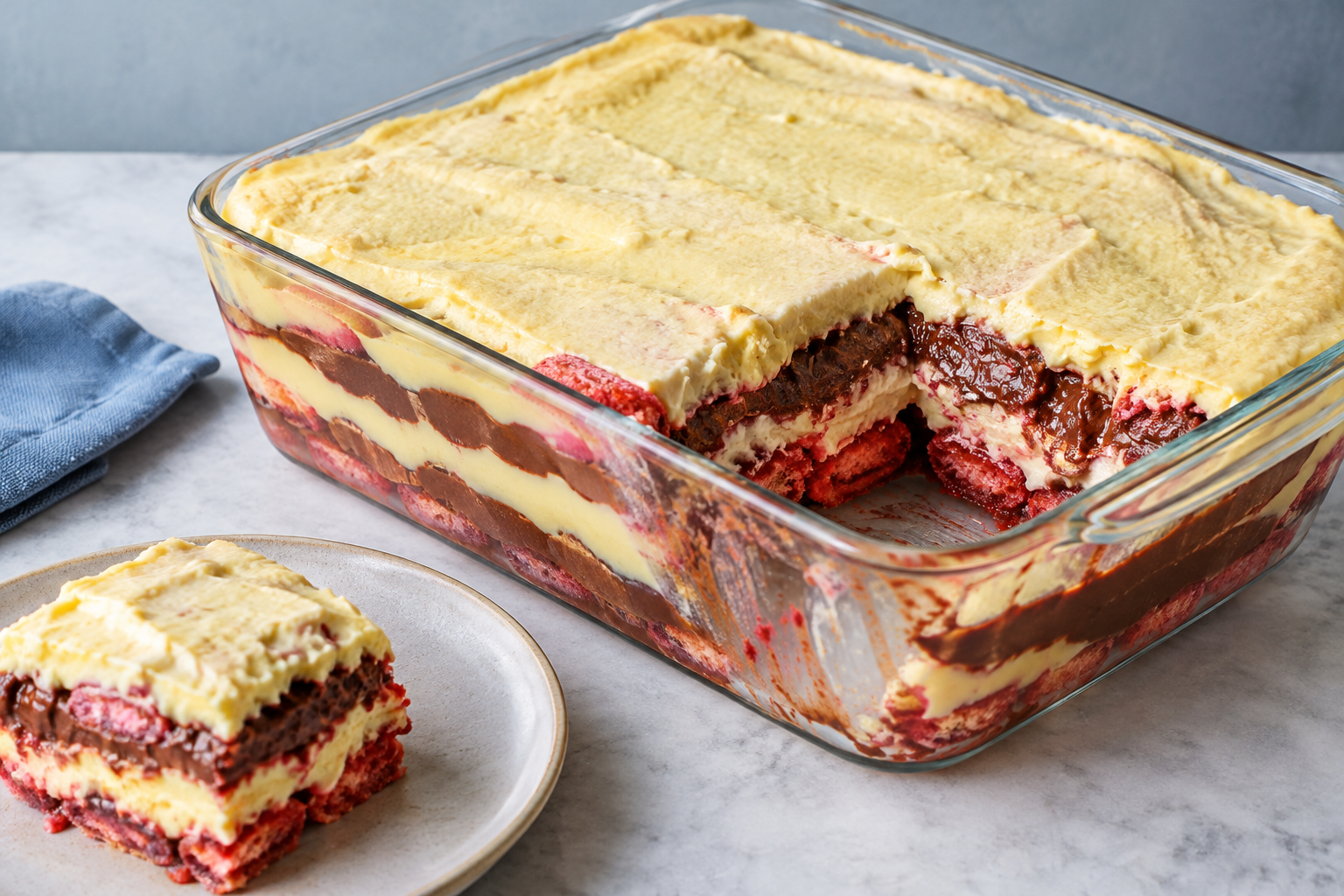 Dessert
Soft savoiardi, fragrant alchermes and two layers of custard: one vanilla, one with dark chocolate. After a few hours in the fridge, this Italian classic slices neatly, and the flavours have had time to meld.
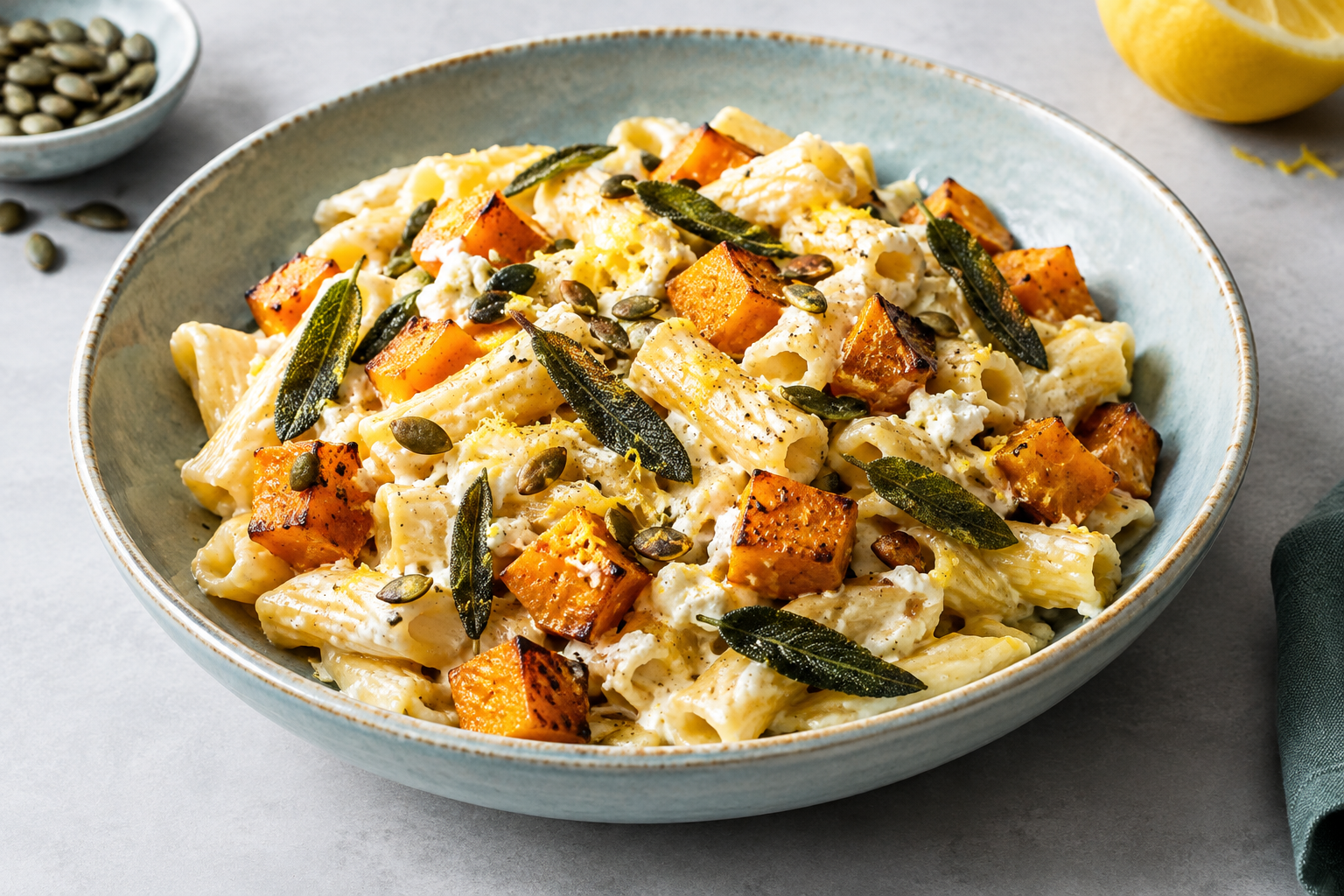 Main course
Golden-brown squash, crispy sage and bright lemon ricotta turn short pasta into a creamy but not-too-heavy main course. The oven does most of the work; a little pasta water brings everything together into a glossy sauce.
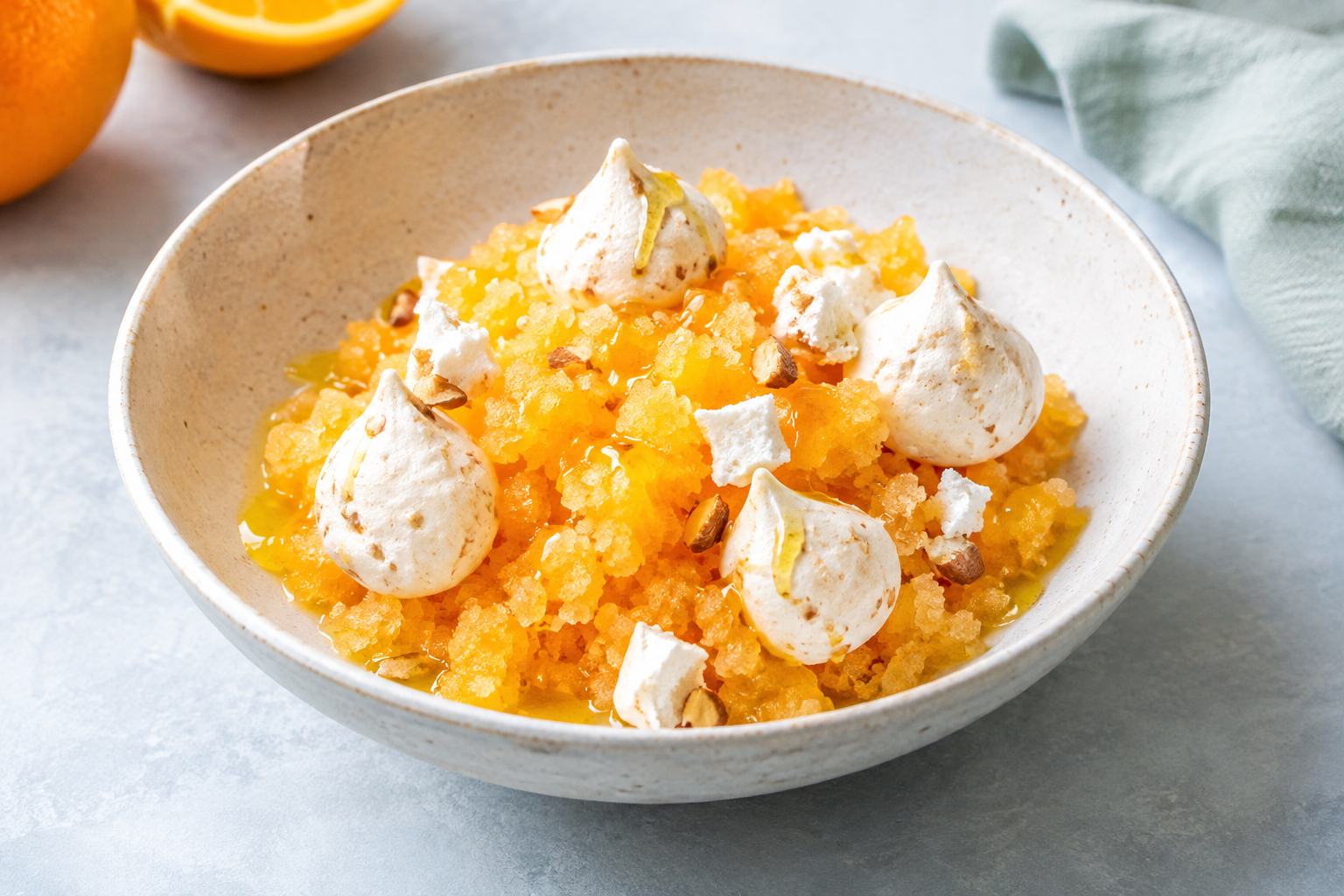 Dessert
Fresh orange granita gets a soft, fruity note from olive oil and a crisp touch from little almond meringues. The granita mostly needs time in the freezer; in between, scrape the ice crystals loose with a fork.
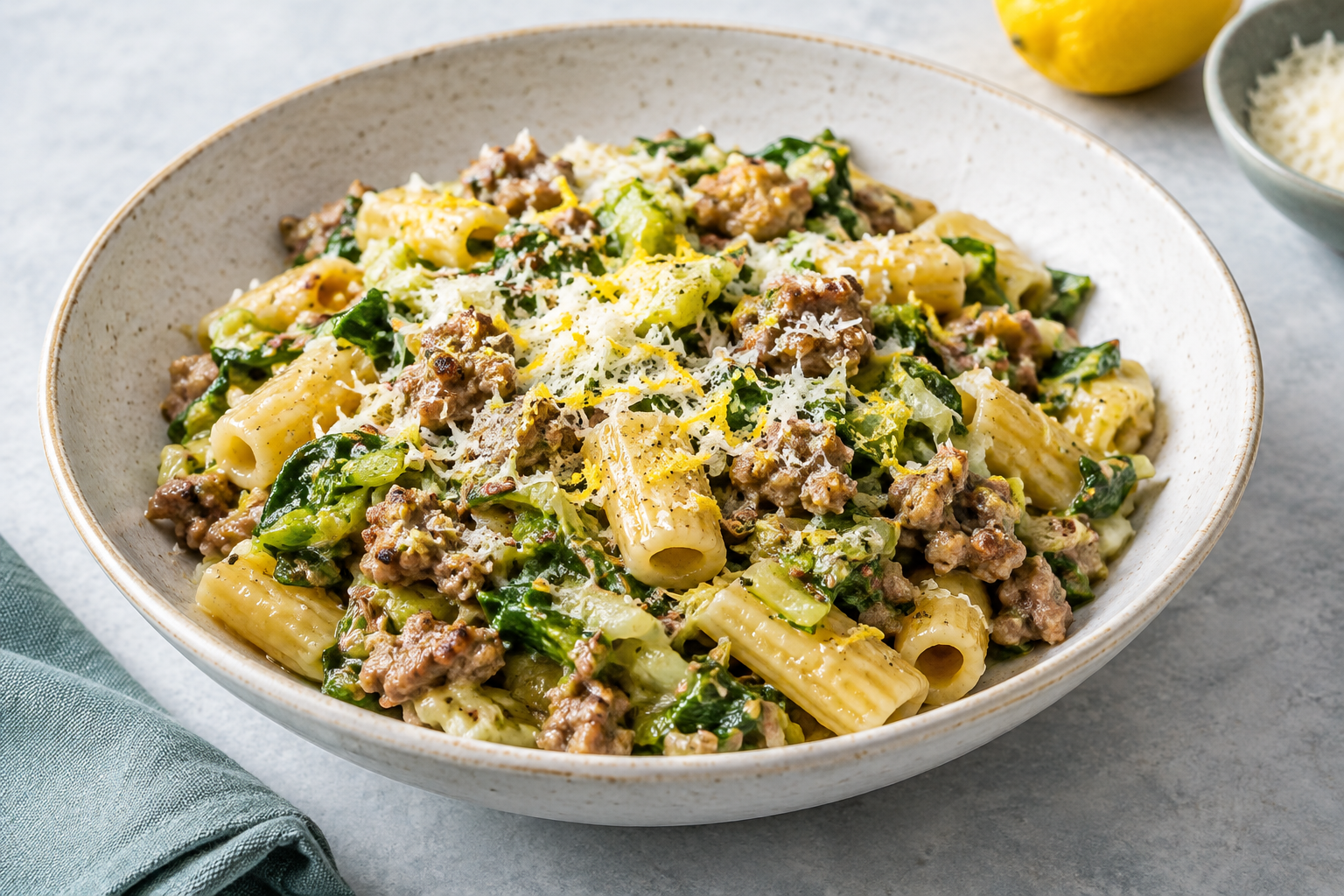 Main course
Spiced sausage and slightly bitter curly endive come together in a rich pasta sauce. Lemon zest and hard cheese make it fresh and savory, without letting the curly endive fade into the background.
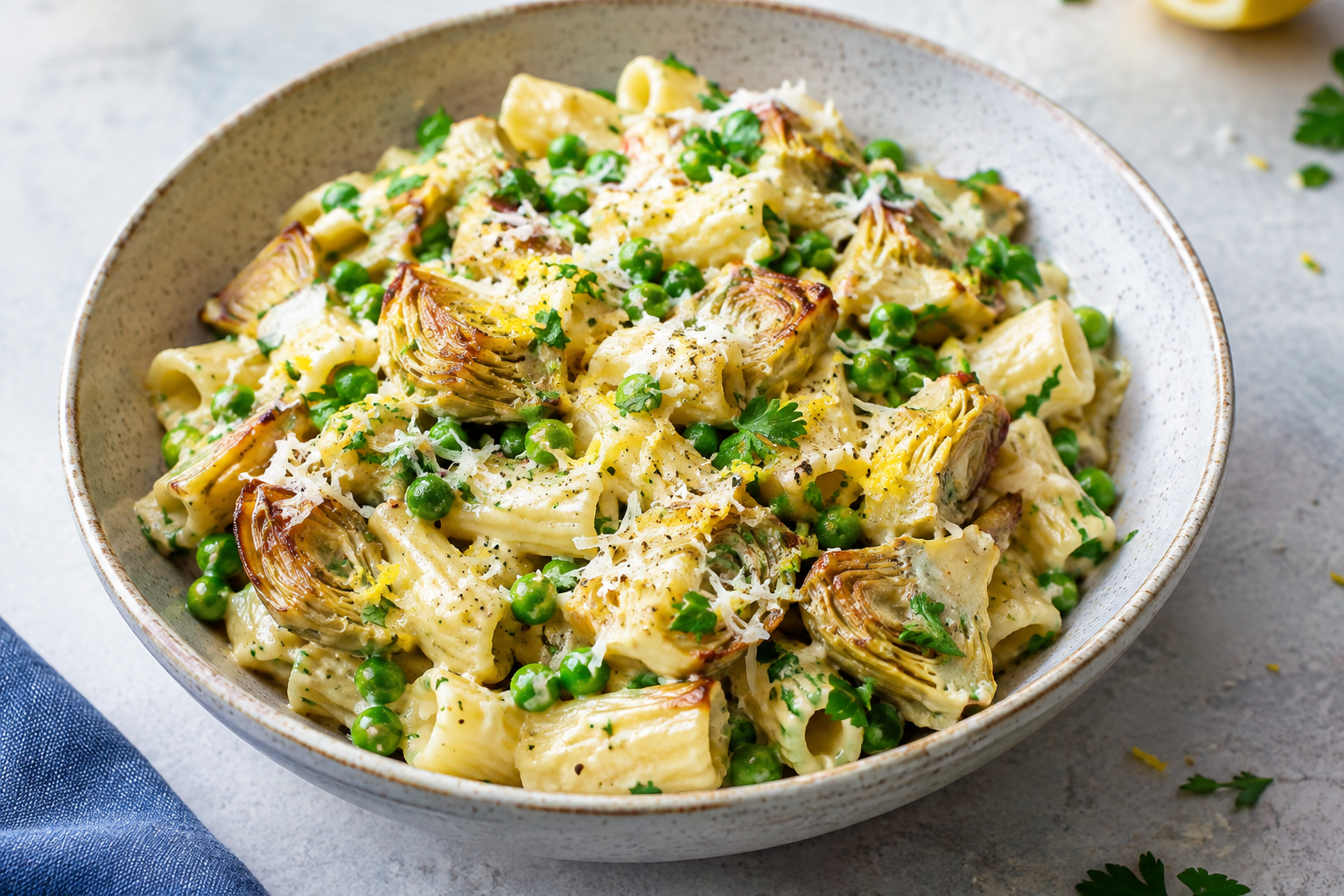 Main course
Golden-brown artichoke hearts, sweet peas and lemon make this pasta fresh and full of flavor. Ricotta and pasta water bring everything together in a light, glossy sauce without cream.
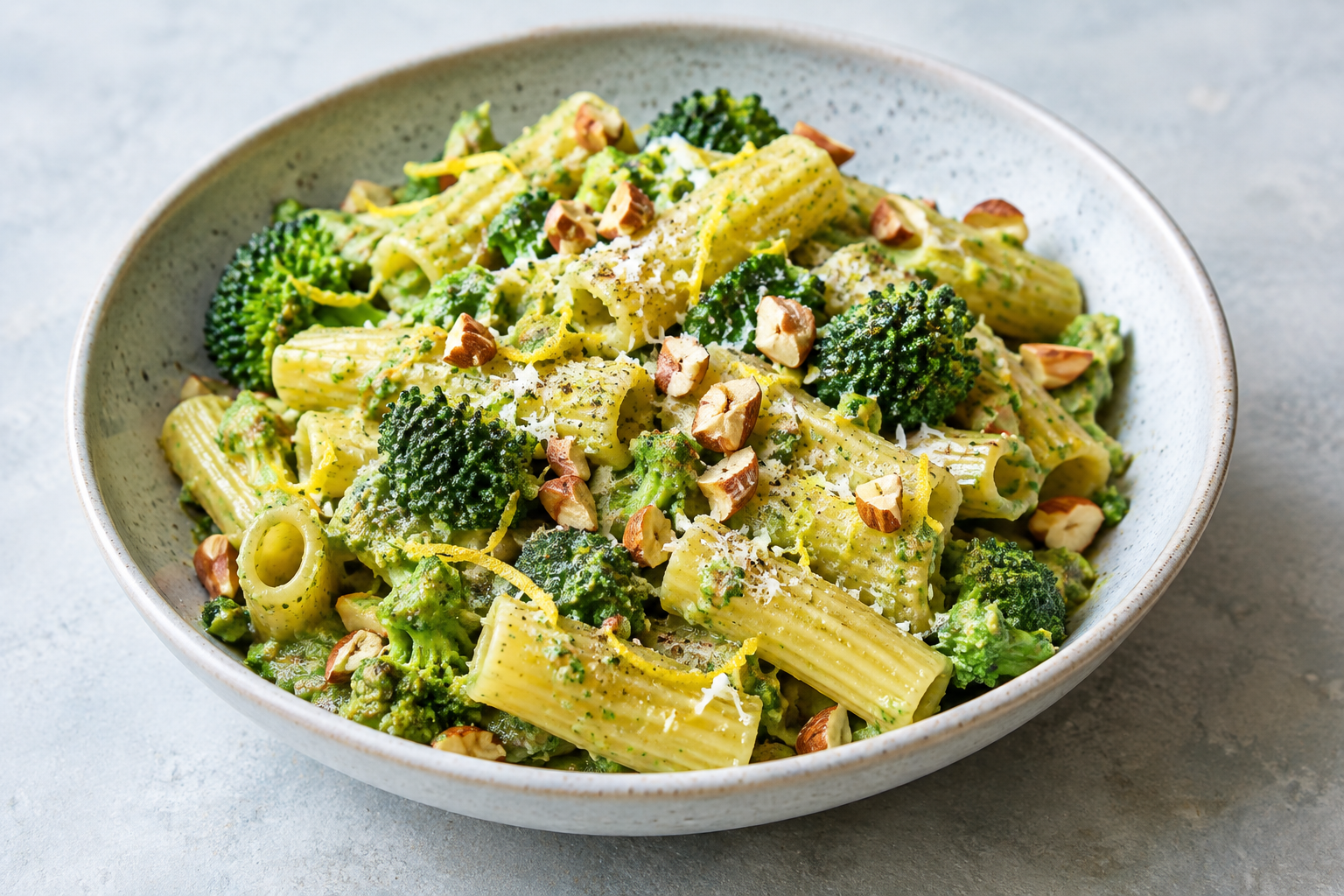 Main course
In this quick pasta dish, some of the broccoli becomes a chunky sauce while the rest stays firm to the bite. Lemon adds freshness, while toasted almonds provide a crunchy contrast.
The dishes in this collection come from different parts of Italy, each with its own ingredients and ways of cooking. In Liguria, pesto is pounded from basil, garlic, pine nuts, cheese and olive oil; potatoes and green beans cook in the same pot as the trofie. This combination makes the meal hearty and lets the pasta water bind the pesto into a sauce. Cacio e pepe from Rome, by contrast, is pared back to spaghetti, Pecorino Romano and black pepper. Technique is key: gradually combine the cheese and pasta water off the heat so the sauce turns smooth rather than grainy.
Regional names also matter for other well-known dishes. Pasta alla Norma is Sicilian, with fried aubergine, tomato, basil and ricotta salata. Ossobuco alla milanese is slow-braised and finished just before serving with gremolata made from parsley, lemon and garlic. The recipes for vitello tonnato and farinata are associated with Piedmont and Liguria, respectively. Other dishes are Italian-inspired, but are not attributed here to a specific region.
For a pasta meal with a distinctive, creamy sauce, cacio e pepe and trofie al pesto are good choices; both need attention as you mix them, but neither takes long to make. Pasta alla Norma has a few more steps: the aubergine is fried separately until golden, so the soft tomato sauce doesn’t take over all the texture. Spaghetti alle vongole is all about a light sauce made with clam liquor, wine and olive oil. Add salt only after tasting the sauce, as the clam liquor may already be salty.
If you’d rather make something that can stay on the stove longer, try ossobuco. Arancini call for a little planning: the saffron rice and ragù need to cool before you coat and fry the filled balls. For a simpler lunch, farinata, frittata or the salad with radicchio, blood orange and farro are all good options. The salad pairs bitter grilled radicchio with citrus, earthy grains and hazelnut for freshness and crunch.
Finishing touches and texture bring balance to vegetable dishes. Grilled fennel with white beans gets a fresh salsa verde of parsley, capers and lemon; the optional anchovy adds a savoury note. Roasted romanesco also gets caper salsa, along with pangrattato: coarse breadcrumbs toasted in a pan until crisp, then scattered over the vegetables just before serving. Keep the crumbs separate until the last moment so they stay crunchy.
Fresh artichokes are seasonal; choose firm ones with closed leaves when they’re available. They take a little trimming, then boiling makes them tender and grilling adds browned edges. Bagna cauda, a warm sauce with anchovies and garlic associated with Piedmont, provides a salty, rich contrast. If you don’t have fresh sage leaves for the beans with sage, dried sage is an alternative: use less and add it to the oil. Serve the beans with sturdy toasted bread, or pair the vegetable dishes with a simple pasta for a more substantial meal.