Potato Curry with Cauliflower, Lime and Coriander
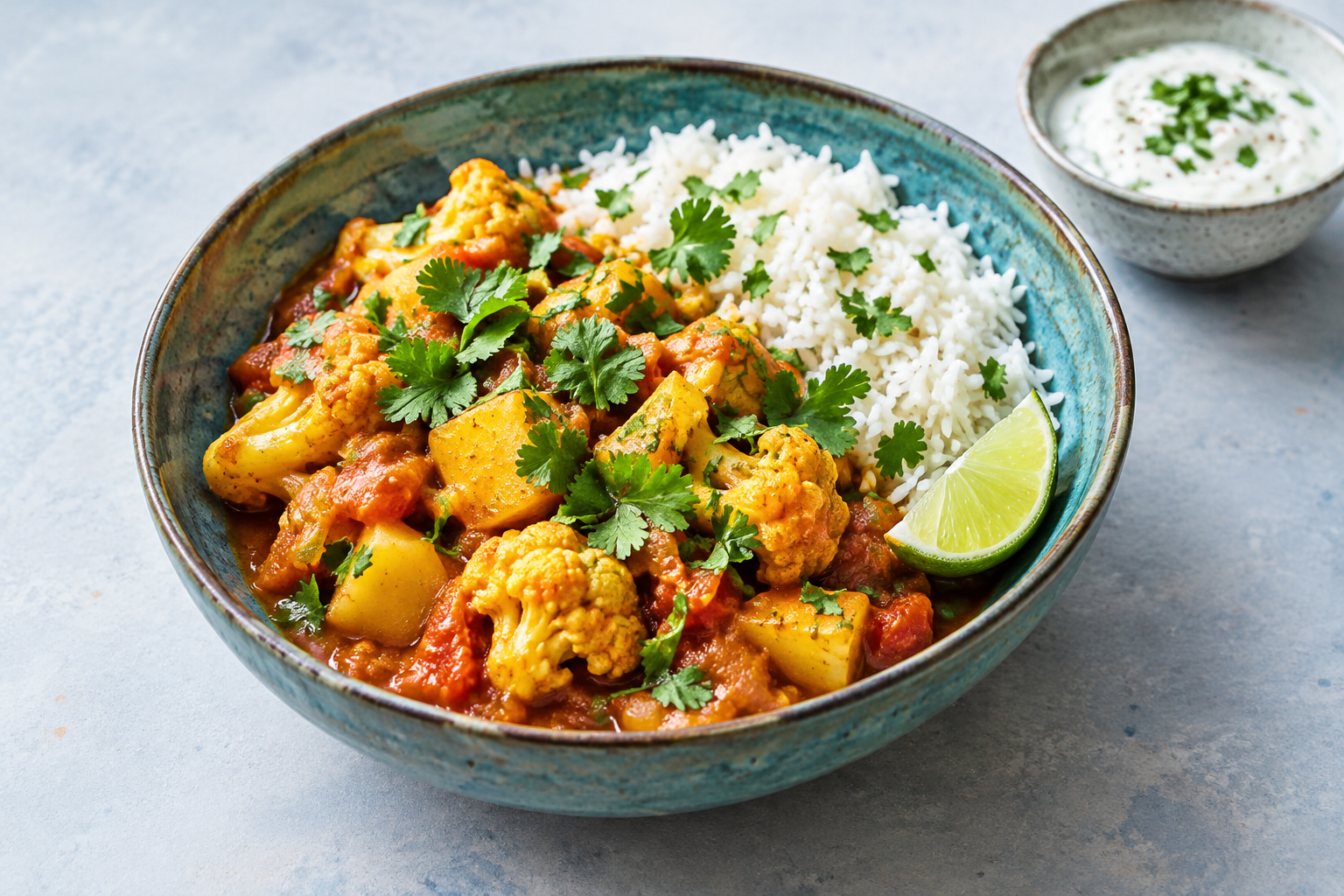
Tender potatoes and cauliflower soak up a spiced tomato sauce; lime and coriander add freshness just before serving. Delicious with rice or warm flatbread and a spoonful of yogurt.
Rice is more than just a side dish here: sometimes it’s a soft base for spiced chicken, sometimes it takes on a bright, vinegary flavour or is stirred until creamy. Discover dishes from Japan, Indonesia, Vietnam and the Middle East, alongside risotto and modern combinations with tofu. The type of rice you choose and how you cook it both help determine the texture on your plate.
168 recipesBrowse the recipes
Tender potatoes and cauliflower soak up a spiced tomato sauce; lime and coriander add freshness just before serving. Delicious with rice or warm flatbread and a spoonful of yogurt.
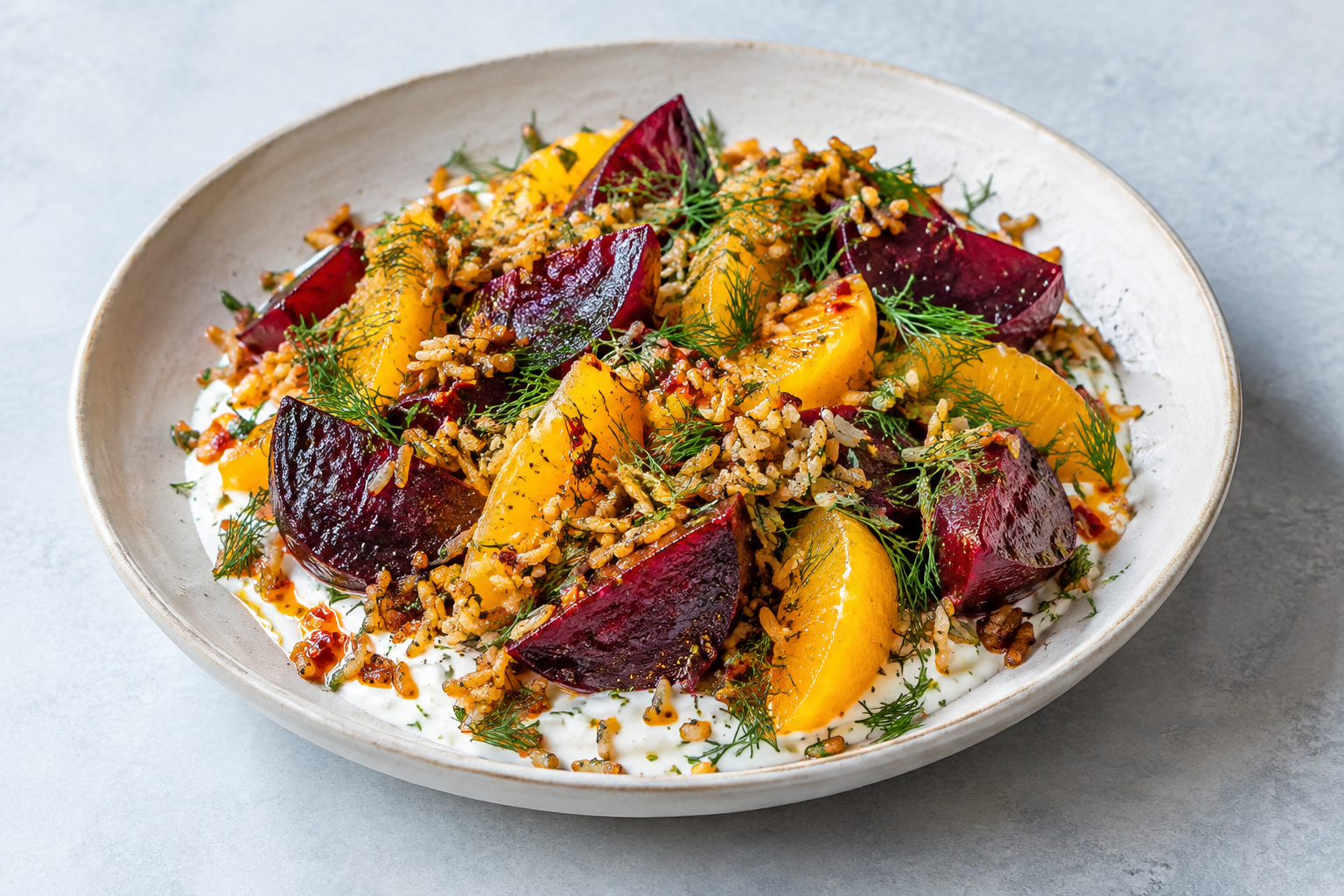
Earthy roasted beetroot, juicy orange and tangy lemon yogurt get an extra bite from golden, pan-fried rice. A colorful side dish that’s delicious served warm or at room temperature.
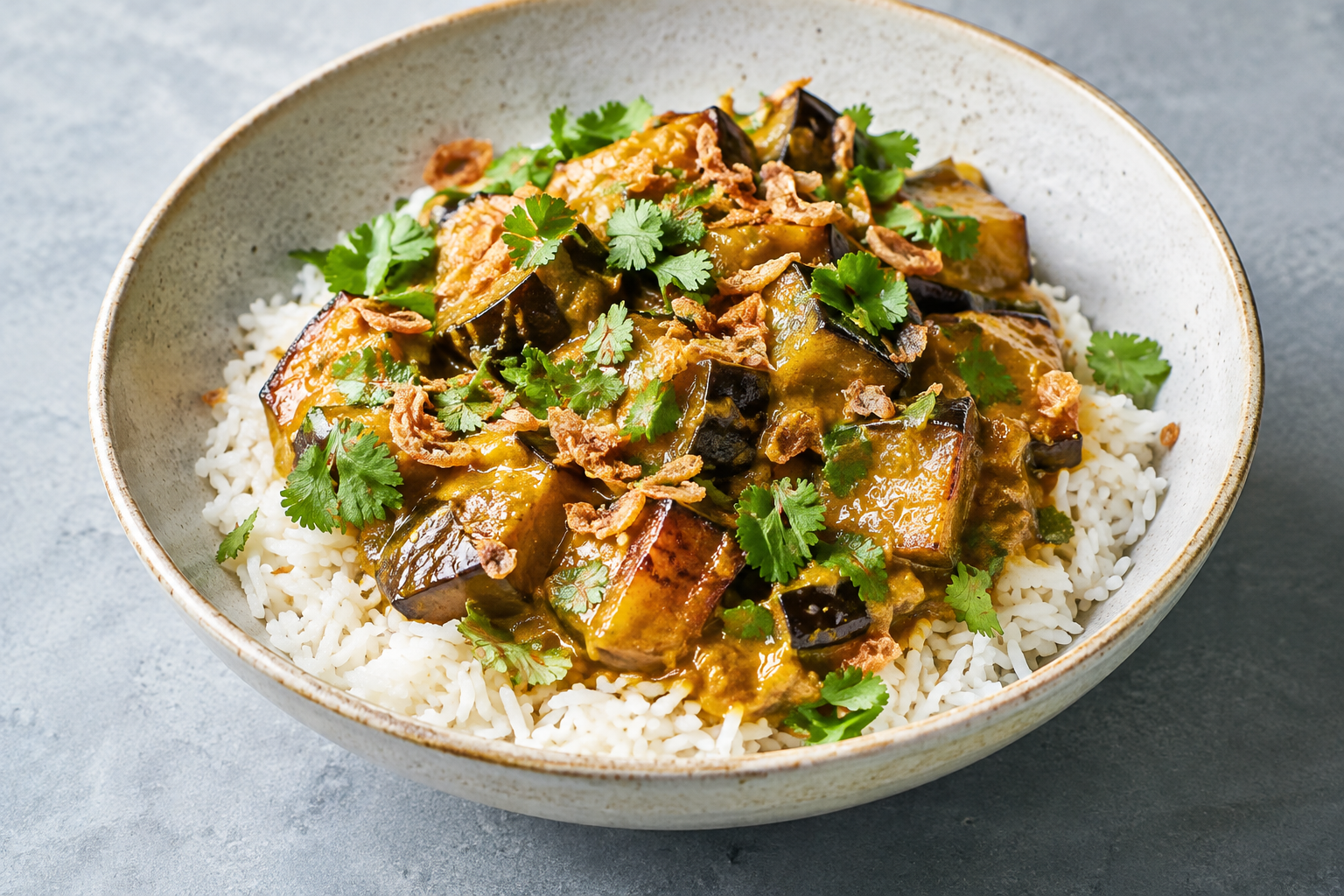
Fried aubergine soaks up a spiced coconut sauce without immediately falling apart. Tamarind keeps the sauce bright, while crispy shallots and coriander add contrast. Serve with rice for a satisfying plant-based main.
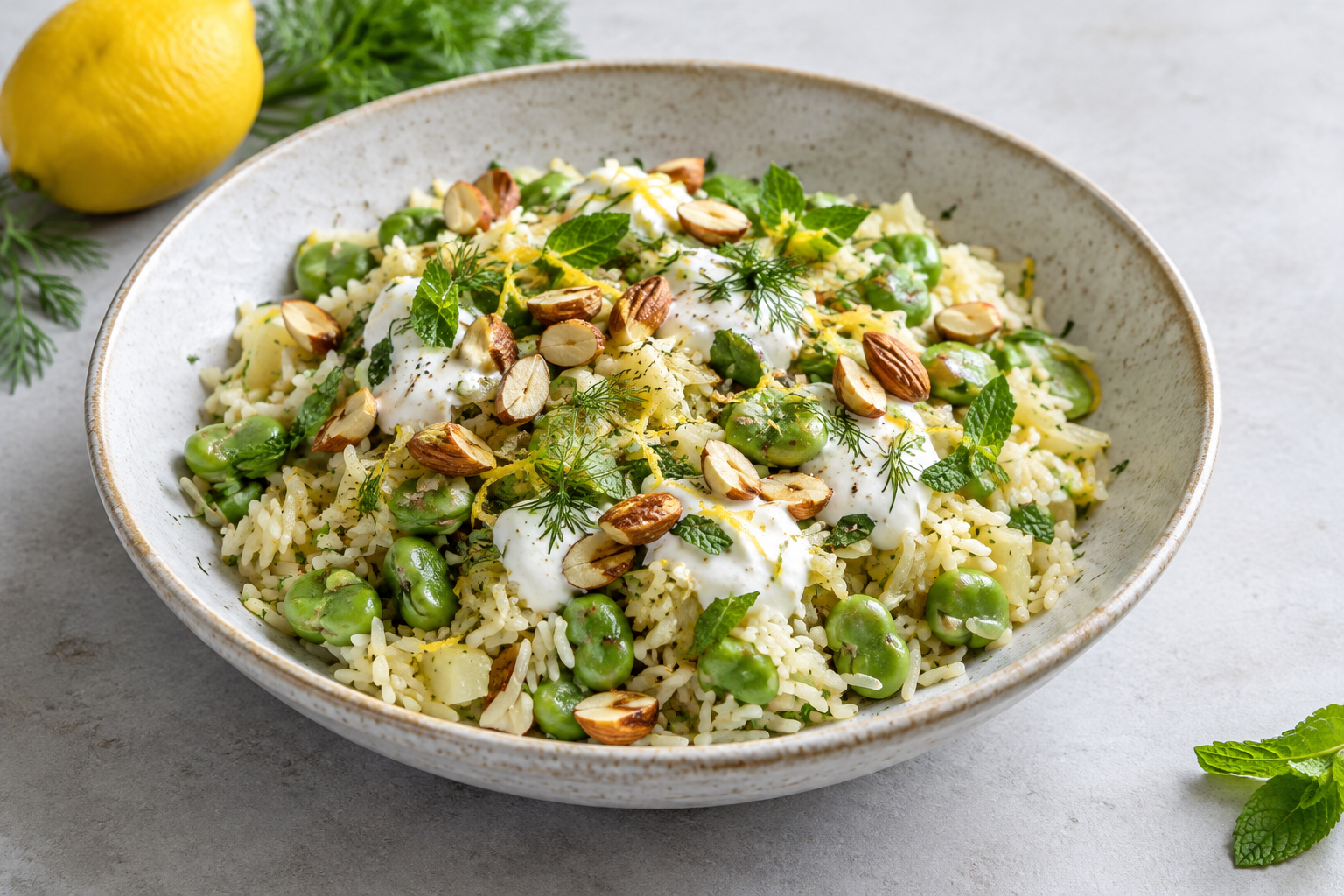
Soft fennel and fragrant rice form the base of this light meal; broad beans, lemon and fresh herbs keep every bite bright. Yogurt makes it creamy, while toasted almonds add a crunchy contrast.
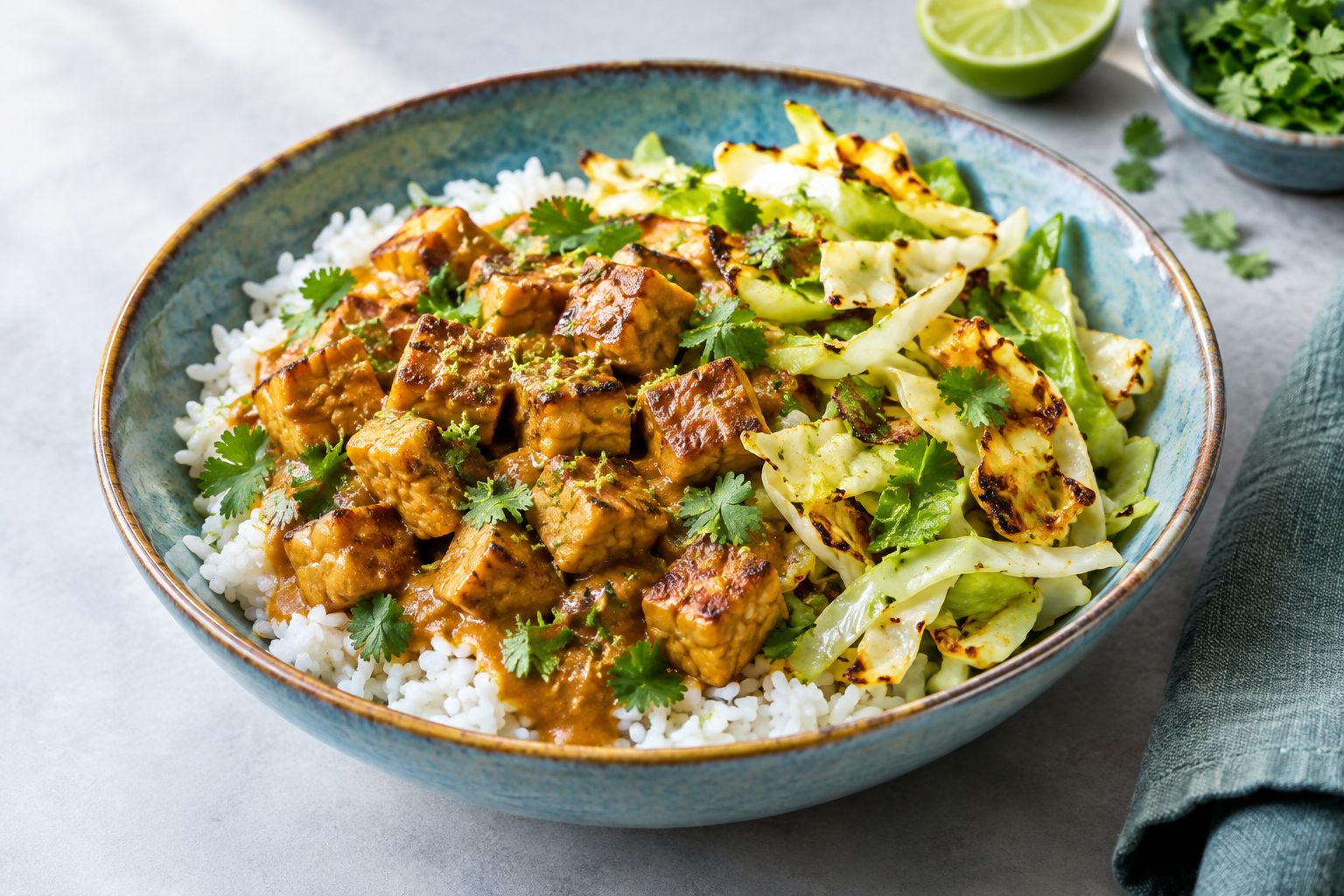
Pan-fried tempeh soaks up a mild coconut-ginger sauce, while quickly fried pointed cabbage adds bite. Lime and coriander keep it fresh; rice catches the sauce.
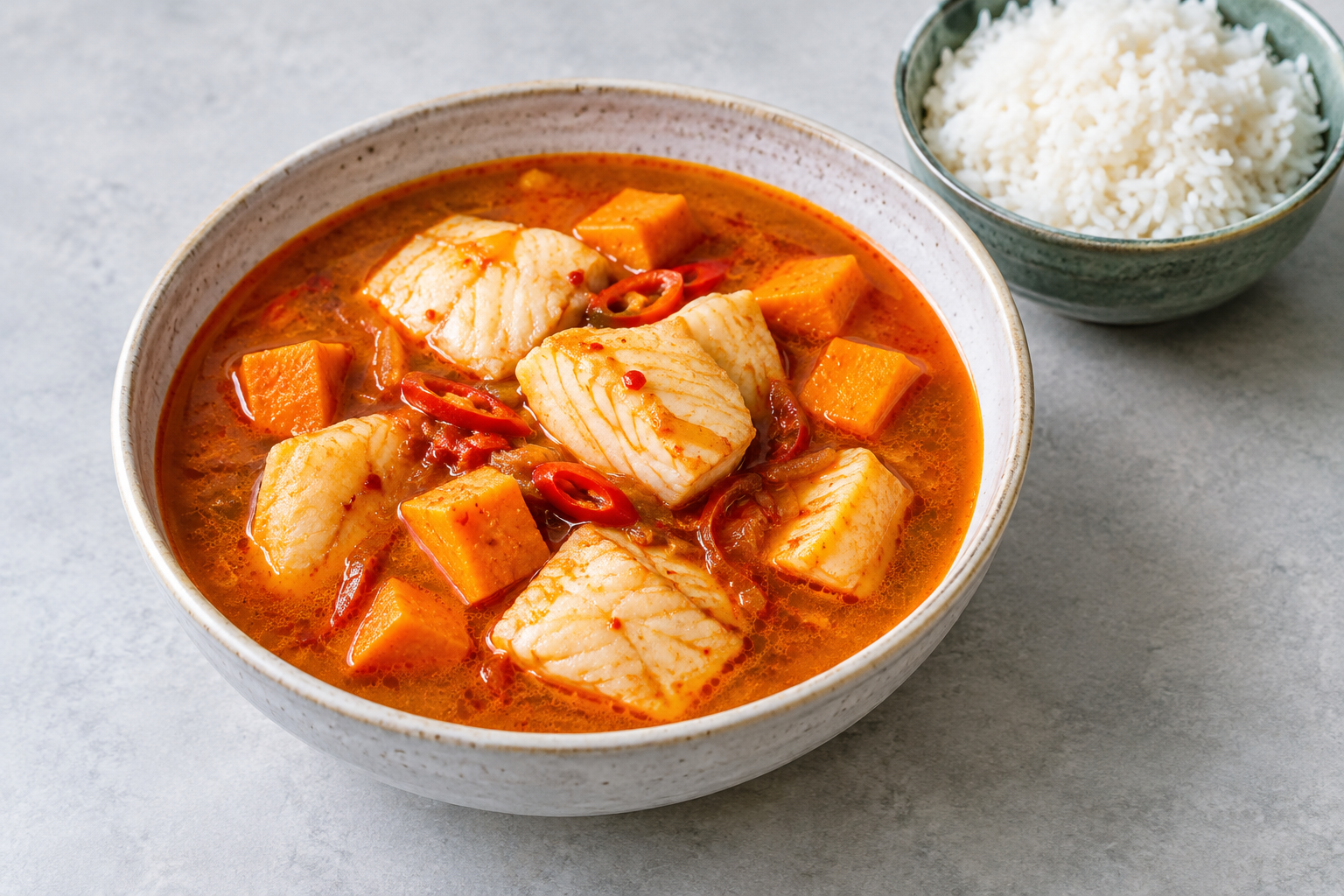
A bright Thai curry broth with tamarind, chili and garlic: sour, spicy and savory, with tender sweet potato and juicy pieces of white fish. Jasmine rice completes the dish.
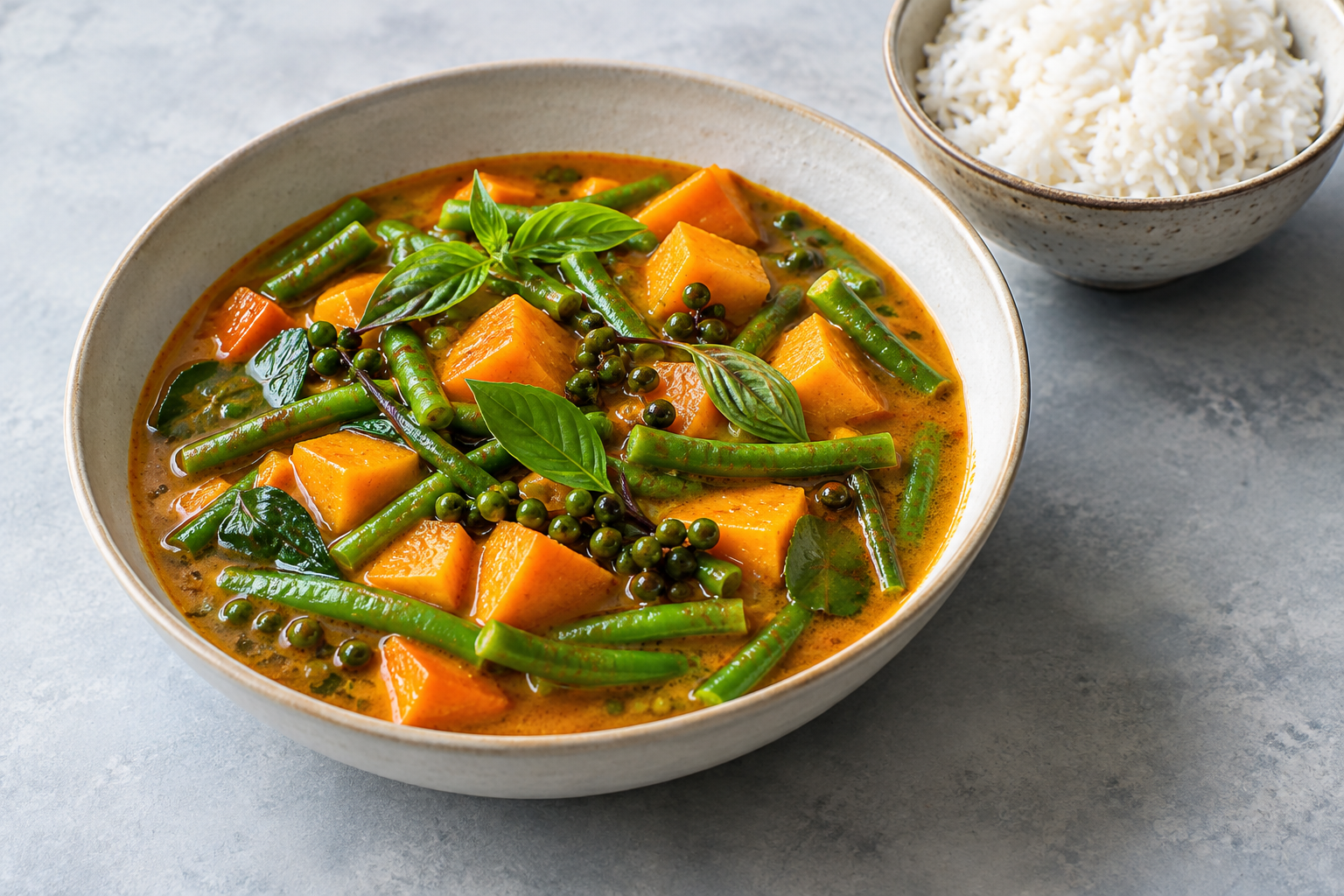
This spicy gaeng pa gets its satisfying bite from sweet potato and long beans. The curry is cooked in stock, not coconut milk, so the pepper, Thai basil and green peppercorns come through clearly. Serve with fragrant rice.
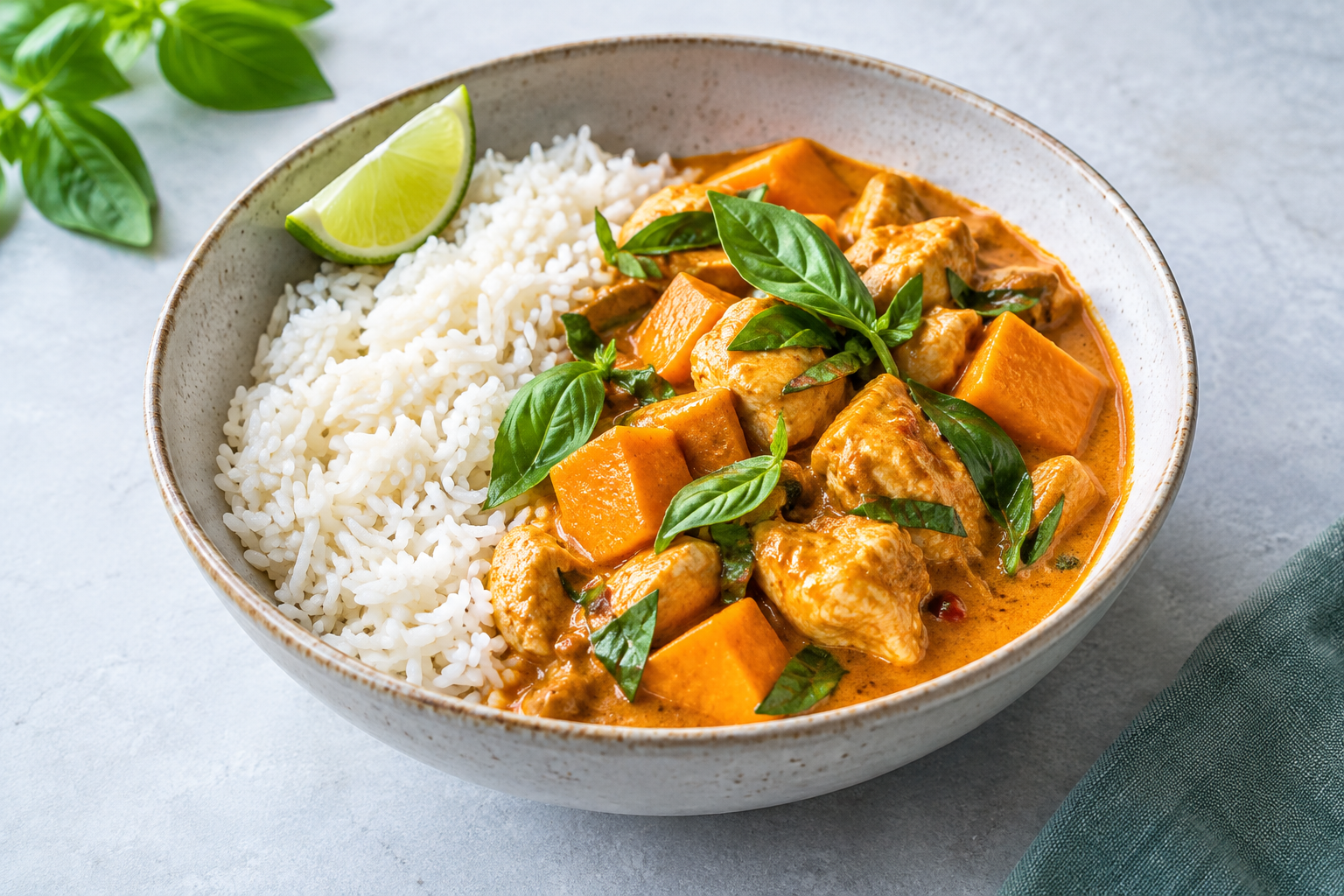
Red curry paste, coconut milk and generous chunks of sweet potato make a hearty Thai curry with fresh lime and fragrant basil. Make it with chicken thigh fillets or firm tofu, and serve with jasmine rice.
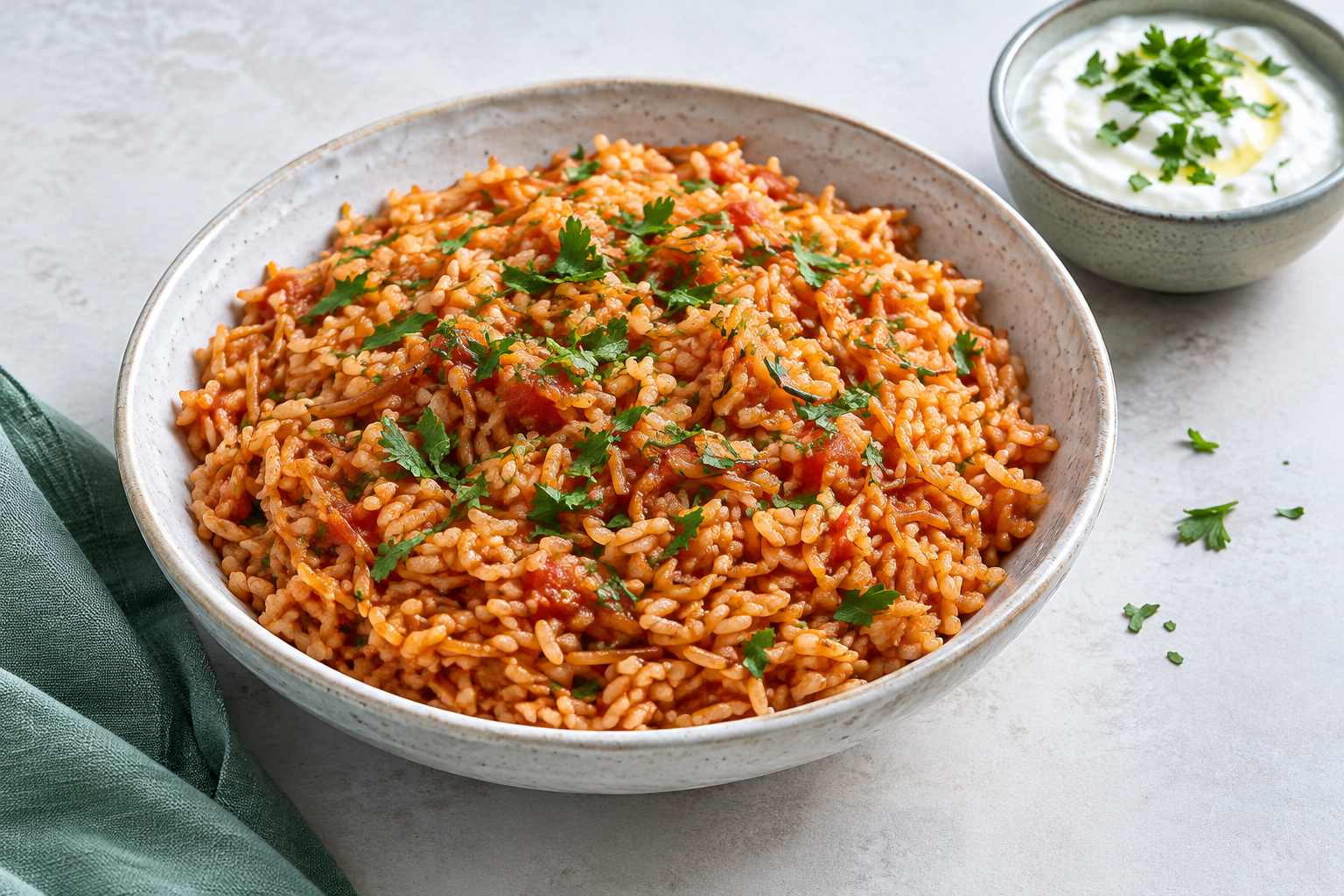
Ripe tomatoes, onion and olive oil come together in a rich sauce where the rice cooks gently. Golden-brown vermicelli adds a lightly nutty flavor, while yogurt and parsley bring freshness to the plate.
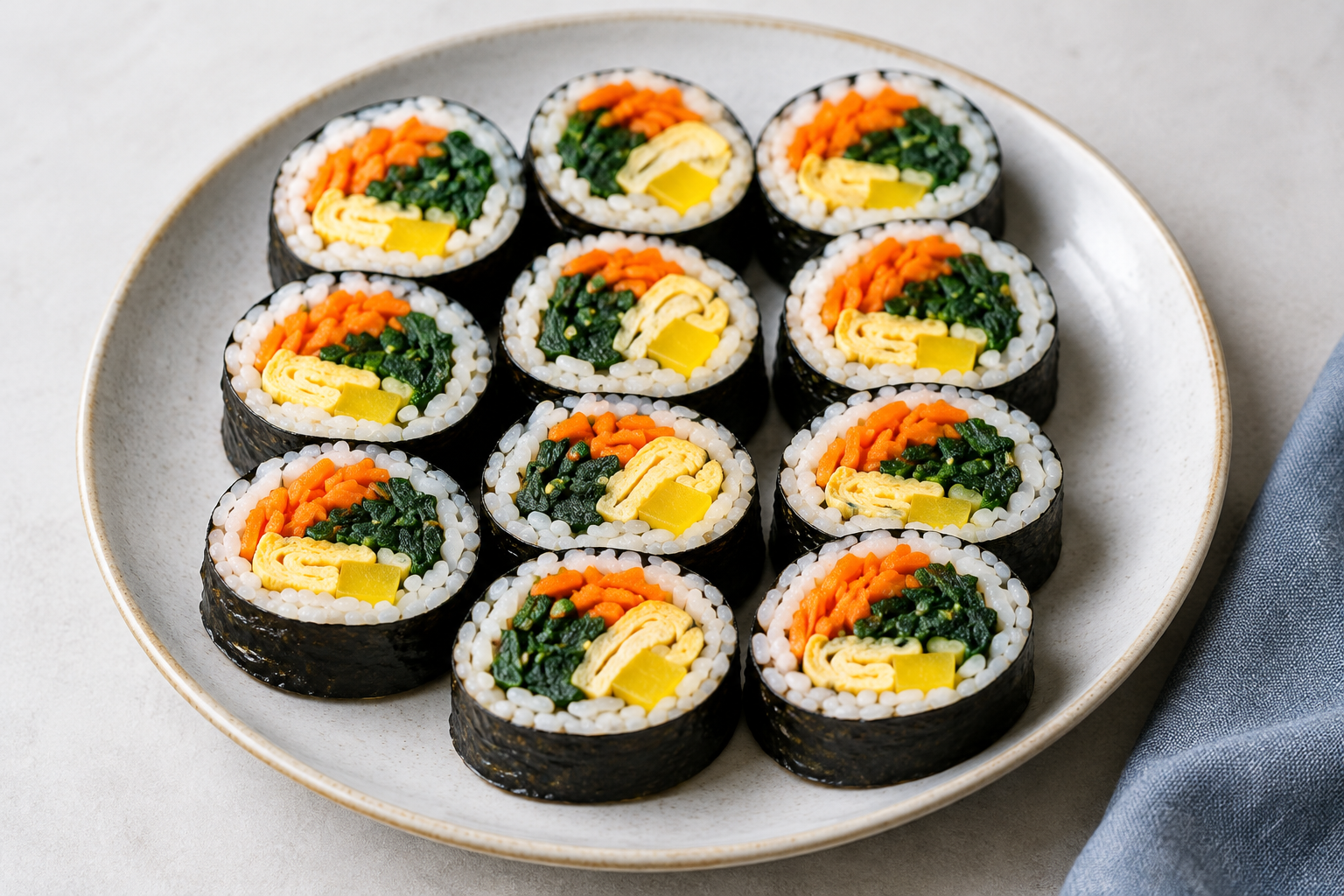
This colorful kimbap fills soft rice seasoned with sesame oil with spinach, thin omelet, sautéed carrot and crisp pickled daikon. Letting the fillings cool first keeps the nori sheets firm and makes the rolls easy to slice.
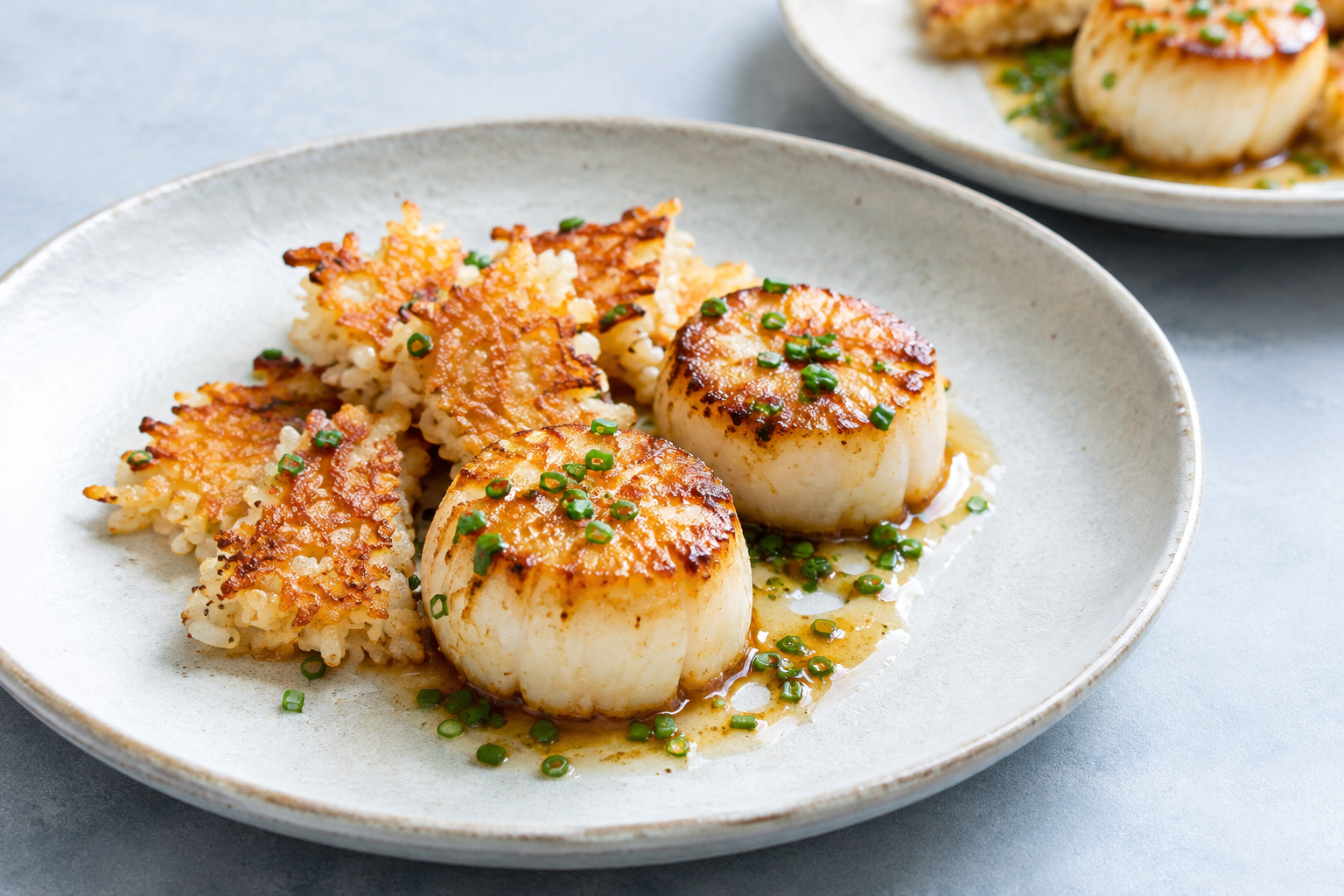
Quickly seared scallops, bright citrus ponzu and thin, crispy rice: a small starter with sweet, salty and sour notes, plus a satisfying crunch.
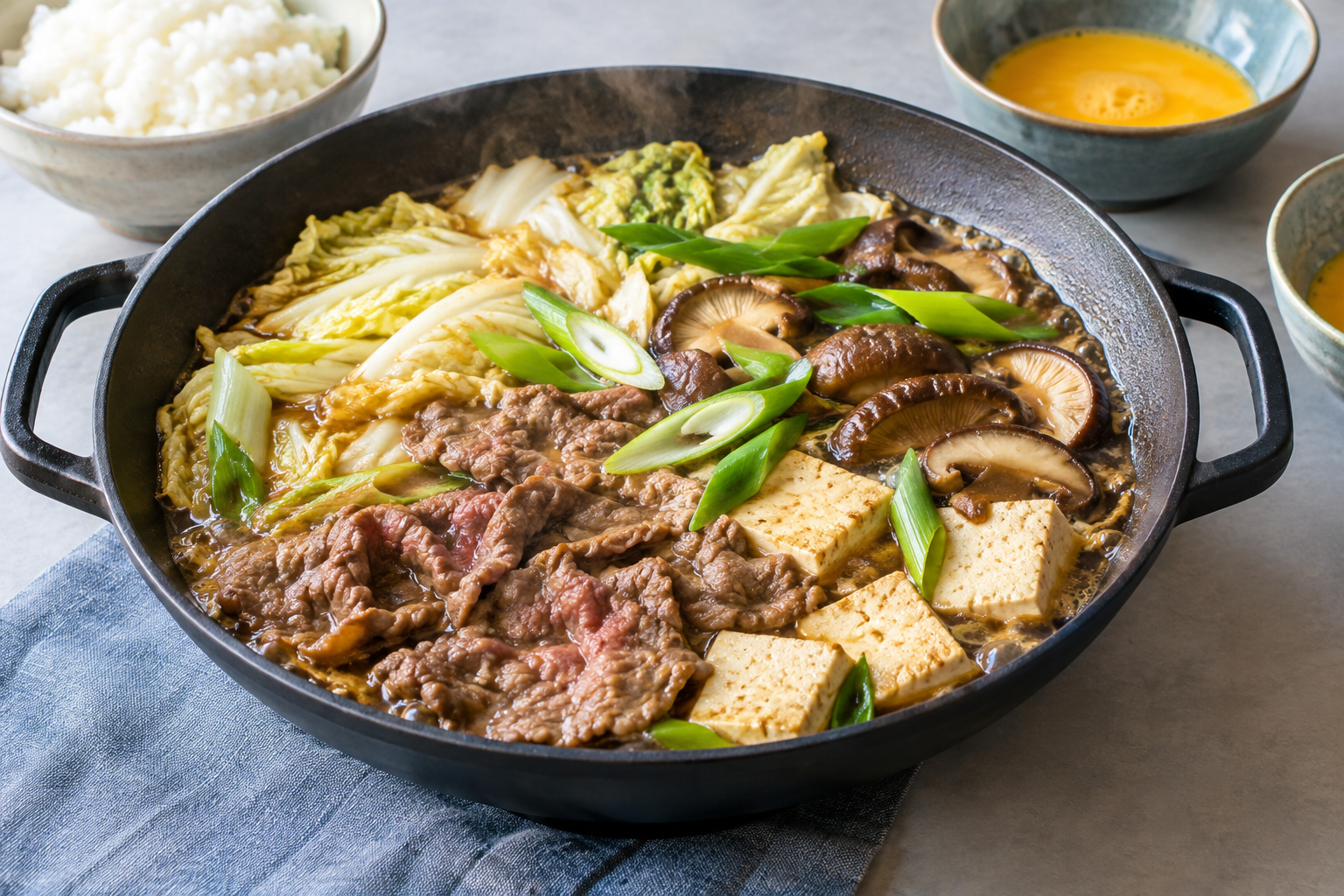
Thin slices of beef, soft tofu and crunchy cabbage cook briefly in a sweet-savory sauce made with soy sauce, mirin and sake. Set the pan in the middle of the table and serve the sukiyaki with rice while the vegetables still have a little bite.
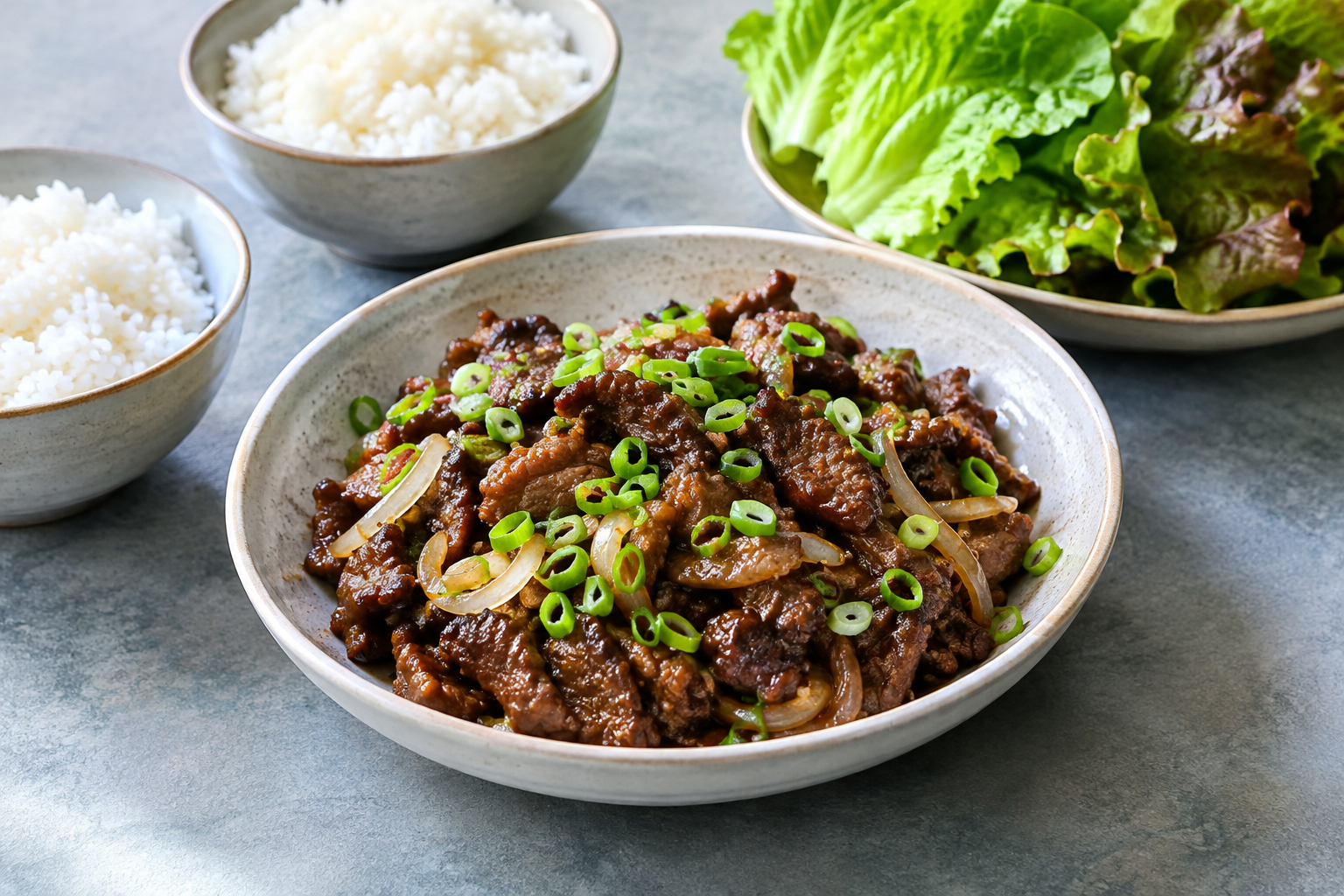
Thinly sliced beef takes on a sweet-and-savory flavor from a marinade of soy sauce, garlic, sesame oil, and grated pear. Cook it in small batches over high heat for browned, caramelized edges. Served with rice, lettuce, and scallions, it makes a complete main course.
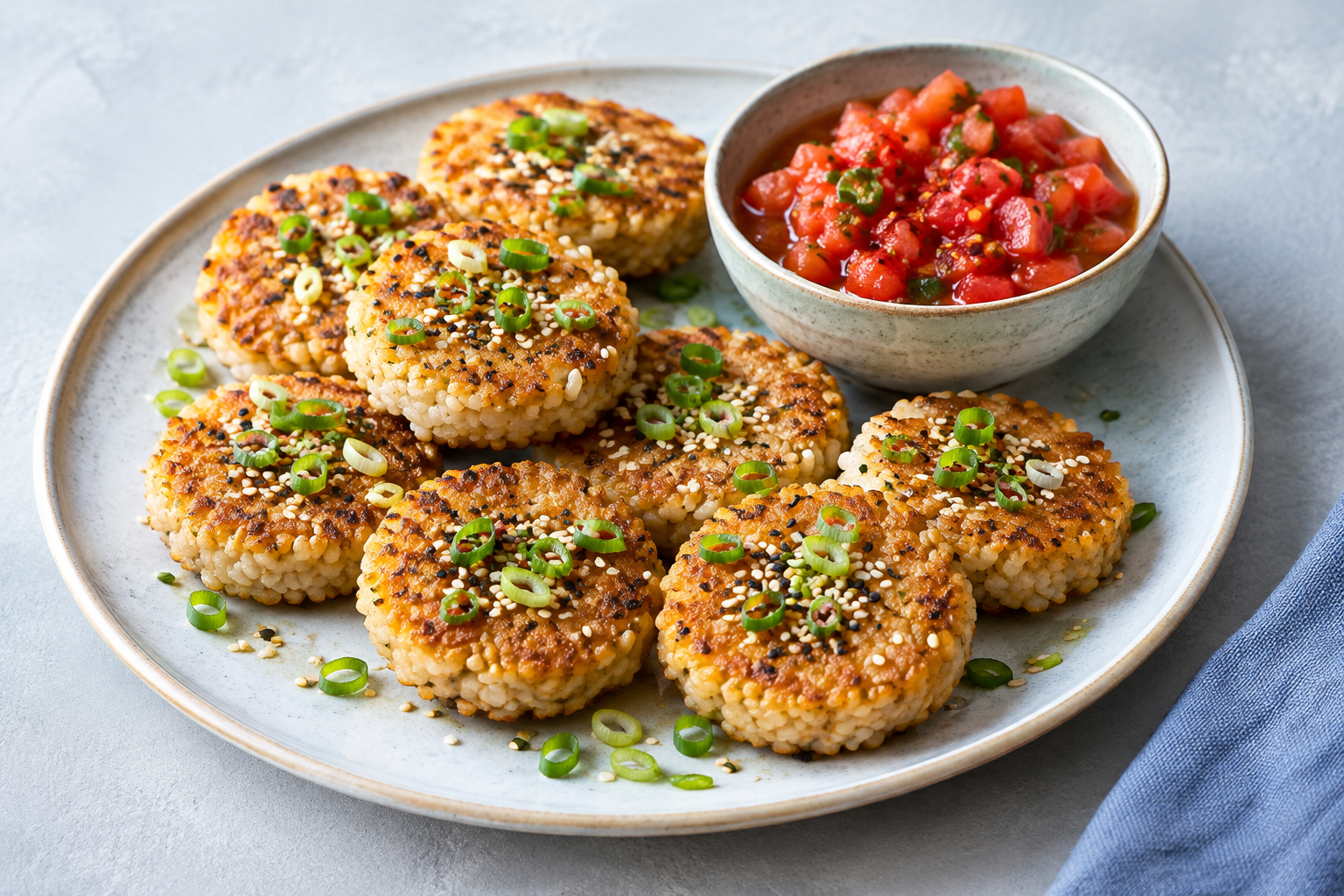
Golden-brown rice cakes are served with a fresh, savory dip made with tomato, soy sauce and rice vinegar. Serve them warm with sesame and spring onion: a little starter to share.
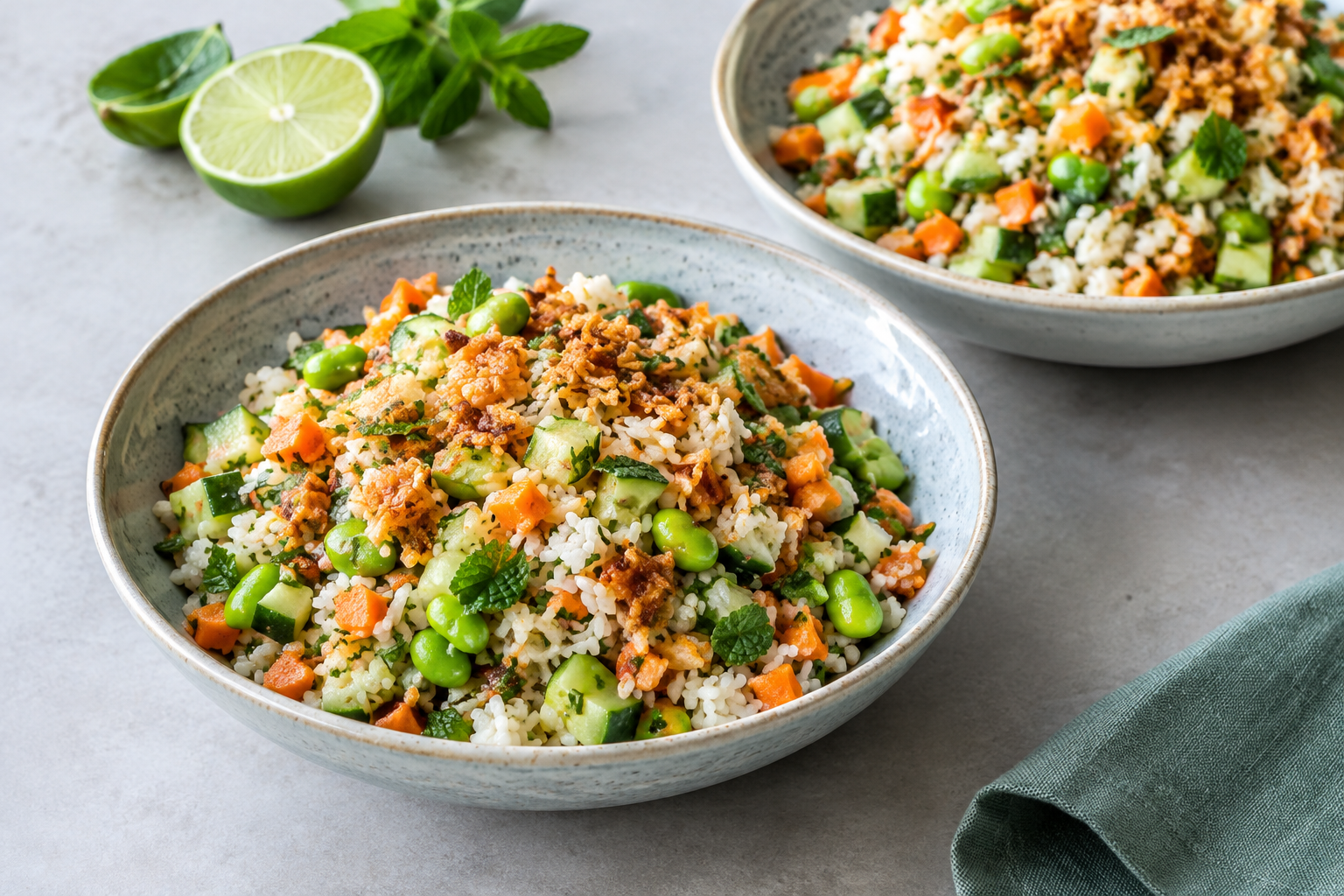
Soft rice, crispy pan-fried rice and fresh vegetables make this salad a lunch with plenty of texture. Edamame provides a hearty, green base; lime, fish sauce and a little sugar balance sour, salty and sweet.
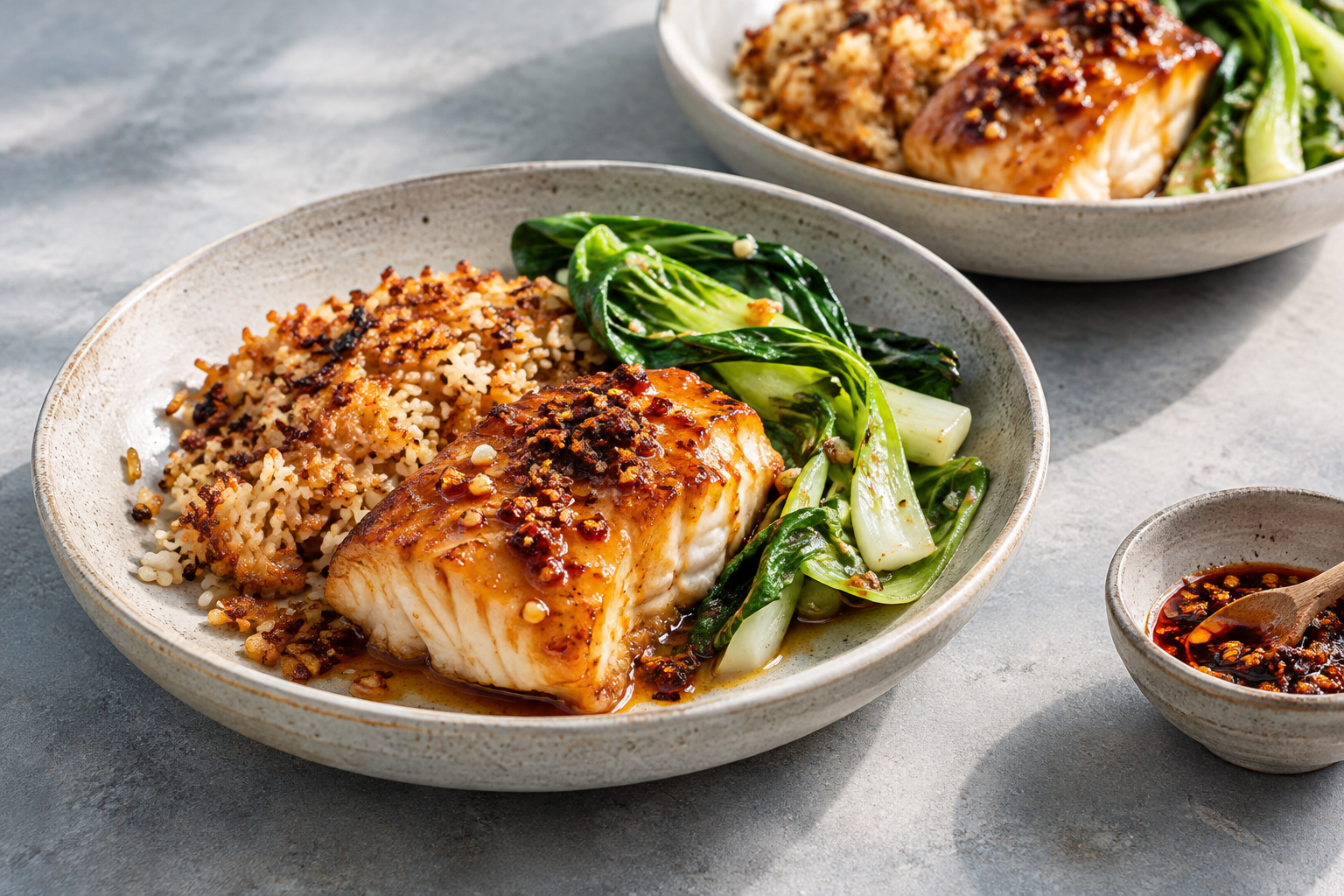
Glossy cod with a bold miso glaze, golden-brown rice and quickly stir-fried bok choy. A fresh miso sauce and a little chili crisp add extra heat and contrast to every bite.
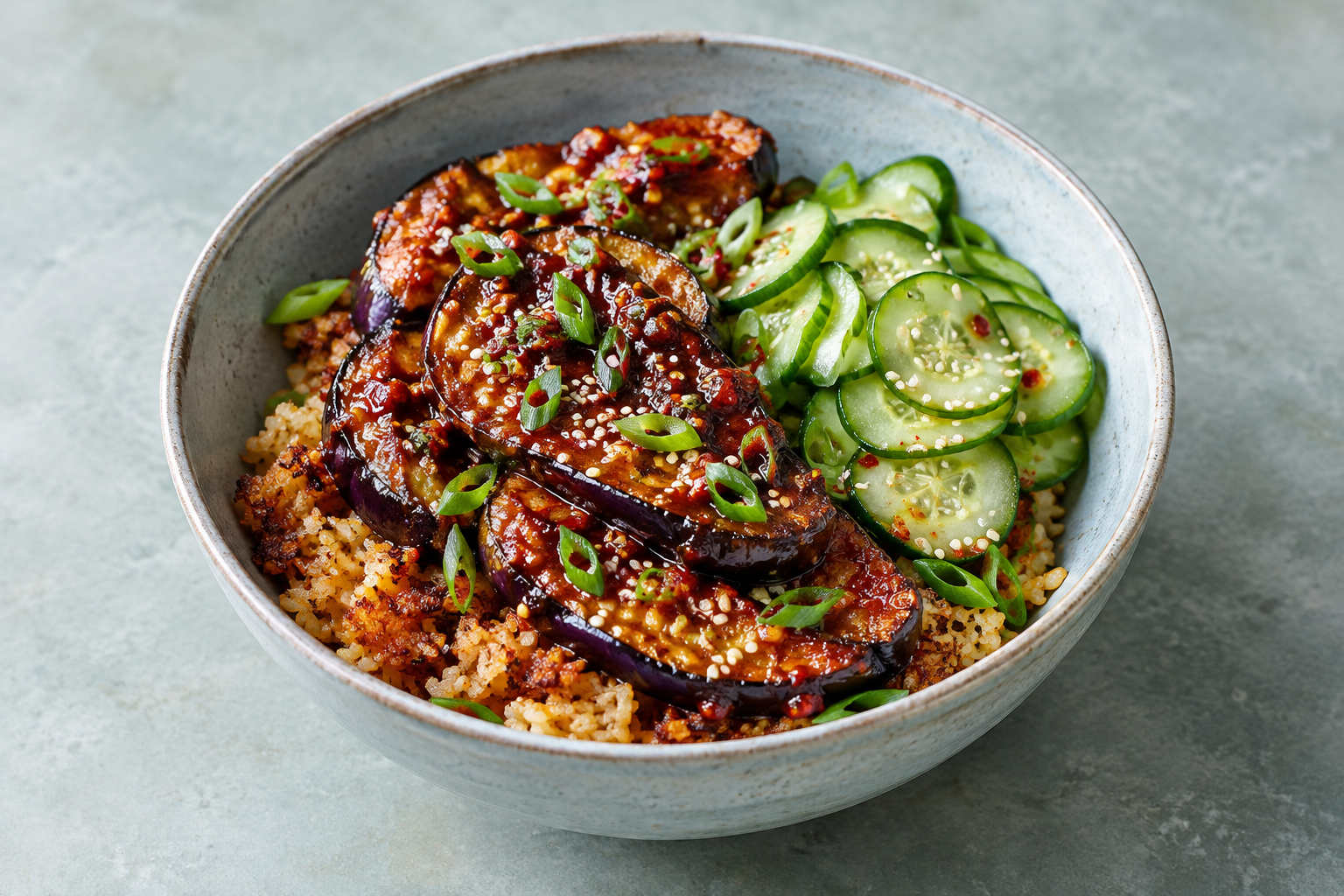
Tender roasted aubergine gets a sweet-and-spicy glaze of gochujang and miso. Crispy rice, fresh cucumber and a spoonful of chili crisp make this a bowl of bold contrasts.
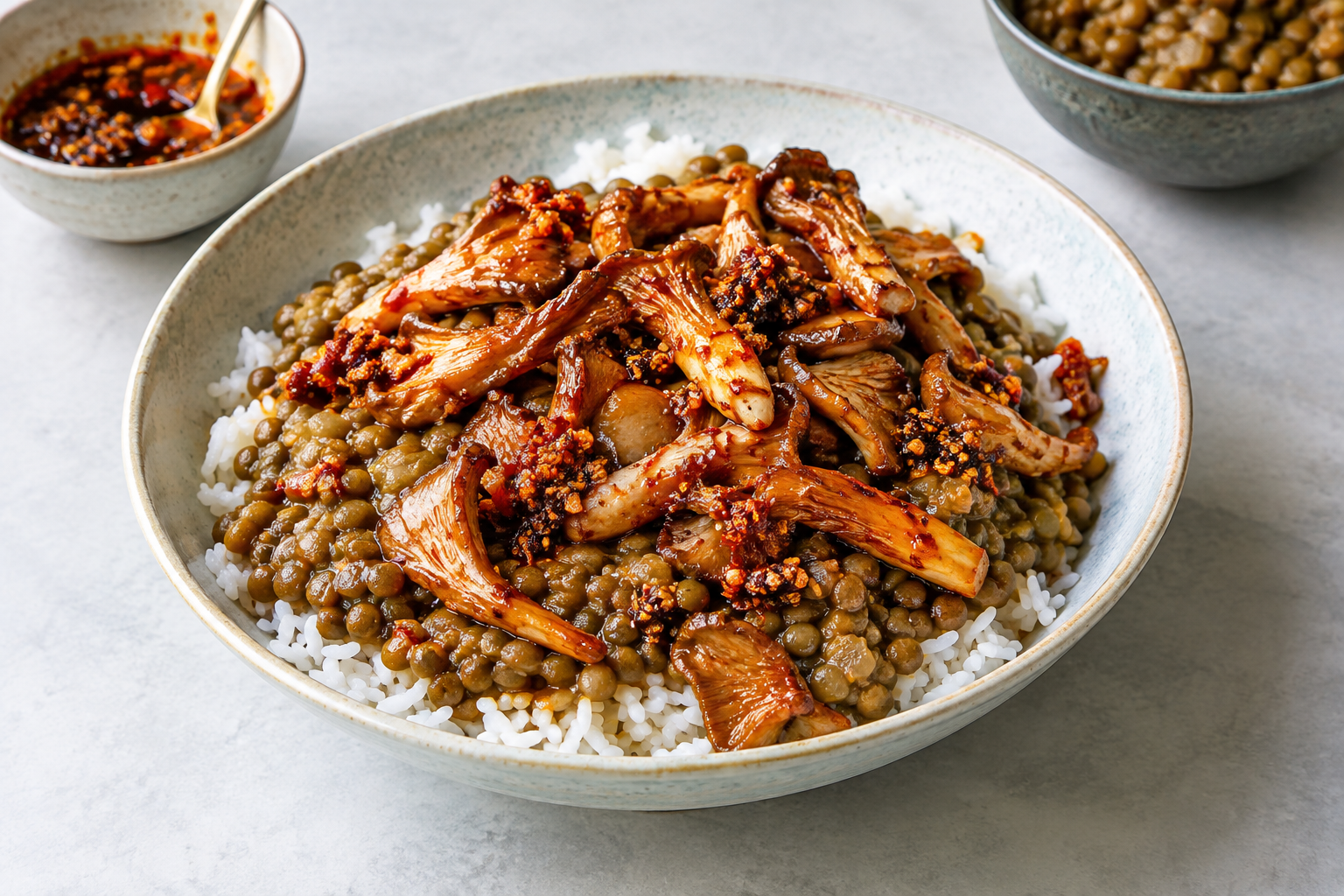
Green lentils turn tender and savory with white miso and lemon. They’re topped with hearty pan-fried oyster mushrooms tossed with a little gochujang and a spoonful of crunchy chili crisp. Serve with rice for a satisfying meal with heat, tang, and texture.
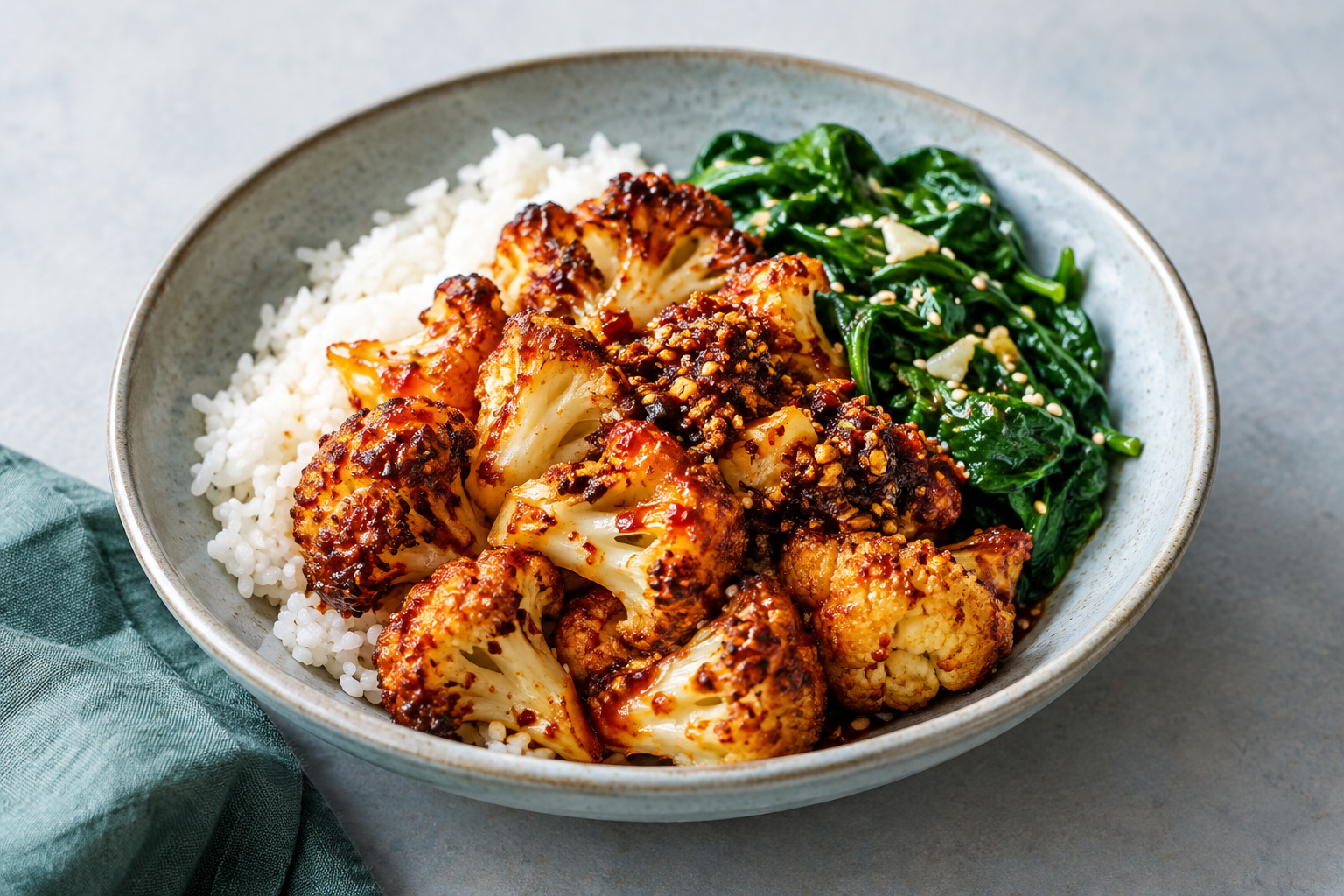
Roasted cauliflower gets coated in a sticky, sweet-and-spicy gochujang and miso sauce. Served with rice, garlicky spinach and a spoonful of chili crisp, it makes a complete meal with soft, fresh and crunchy elements.
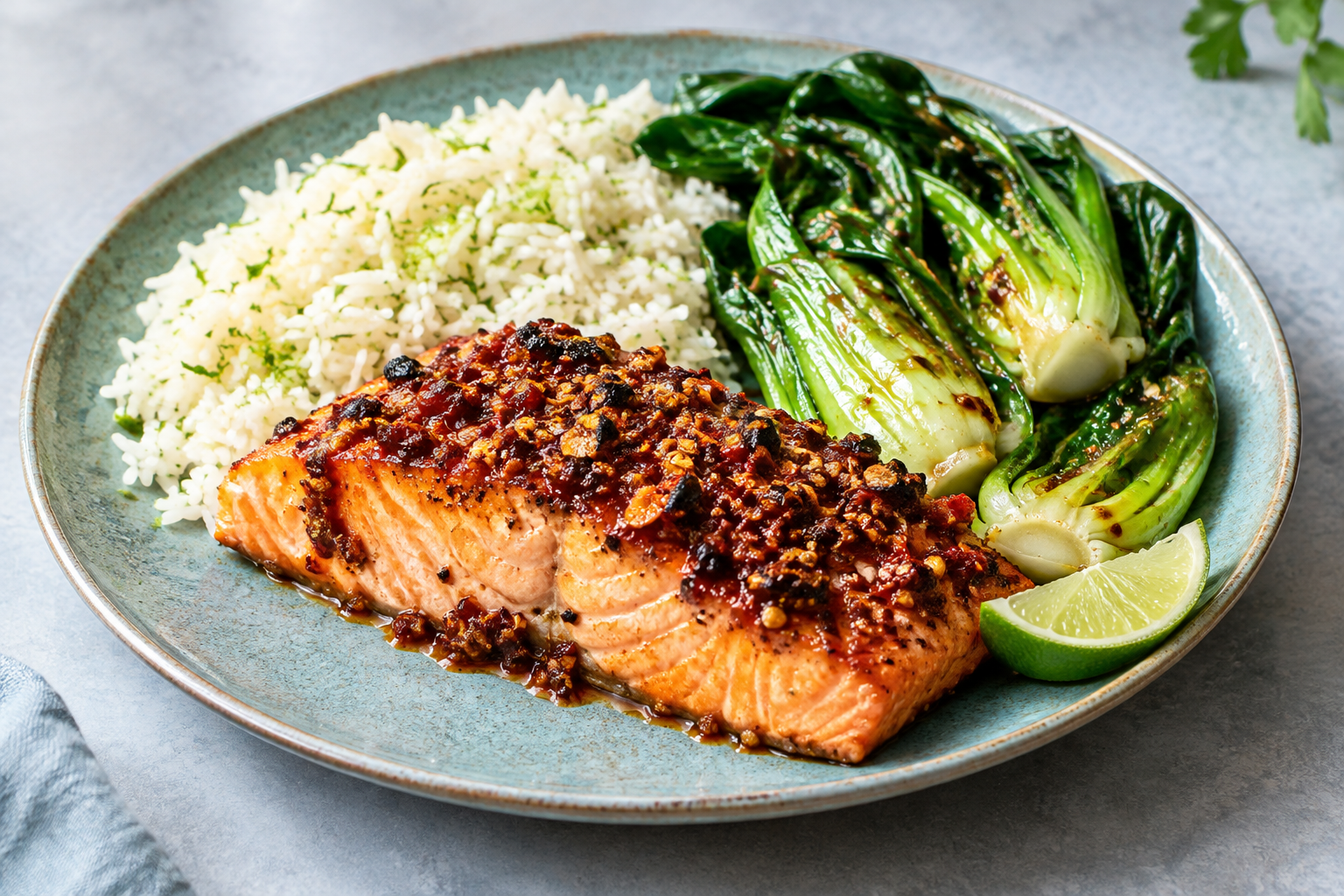
Tender oven-roasted salmon gets a spicy topping of chili crisp, gochujang and miso. Lime rice and briefly steamed pak choi bring freshness and a juicy, green contrast.
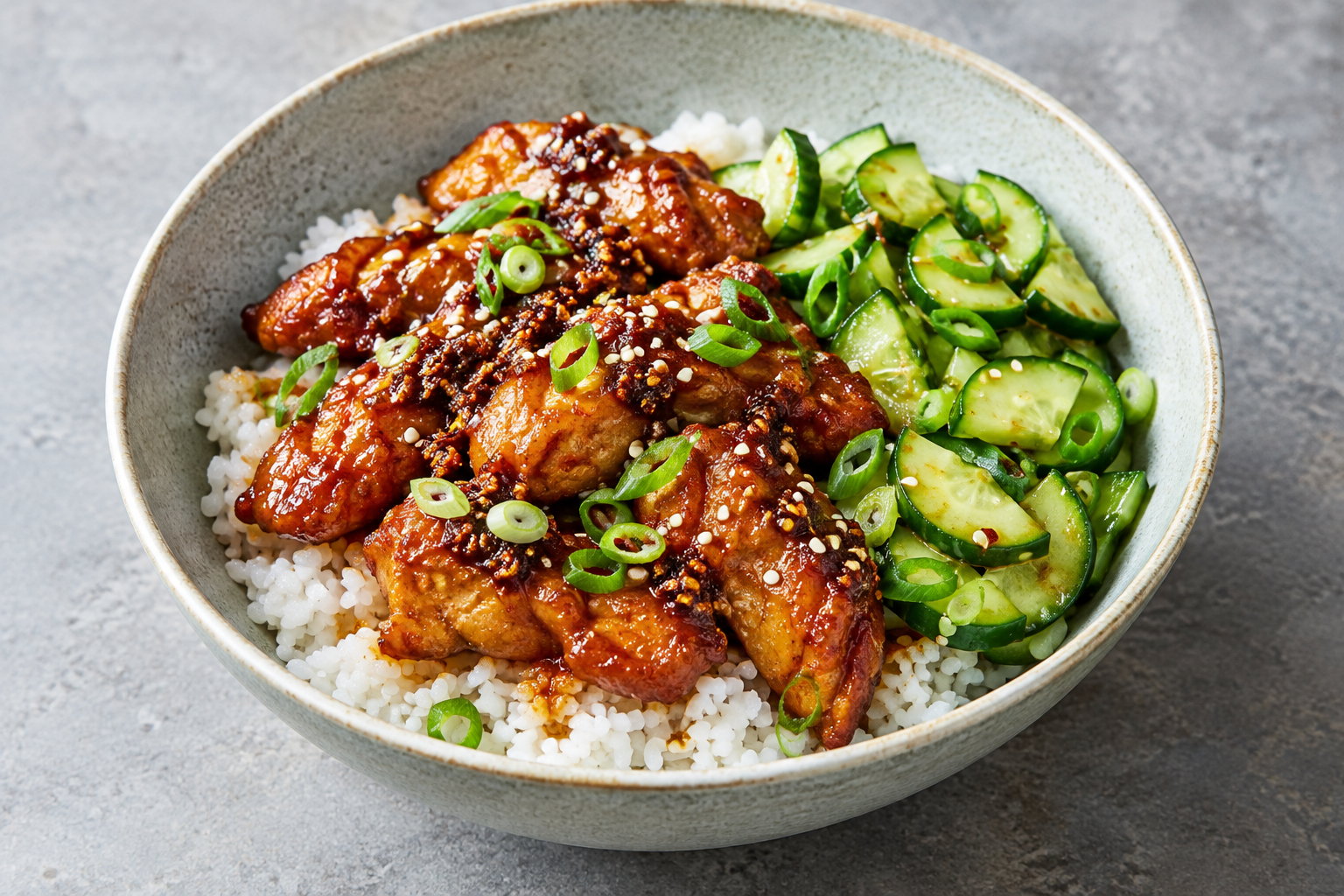
Golden-brown chicken thighs get a glossy sauce made with gochujang, miso, soy sauce and rice vinegar. Served with tender rice, fresh cucumber and a spoonful of chili crisp, this is a meal with heat, tang and crunch.
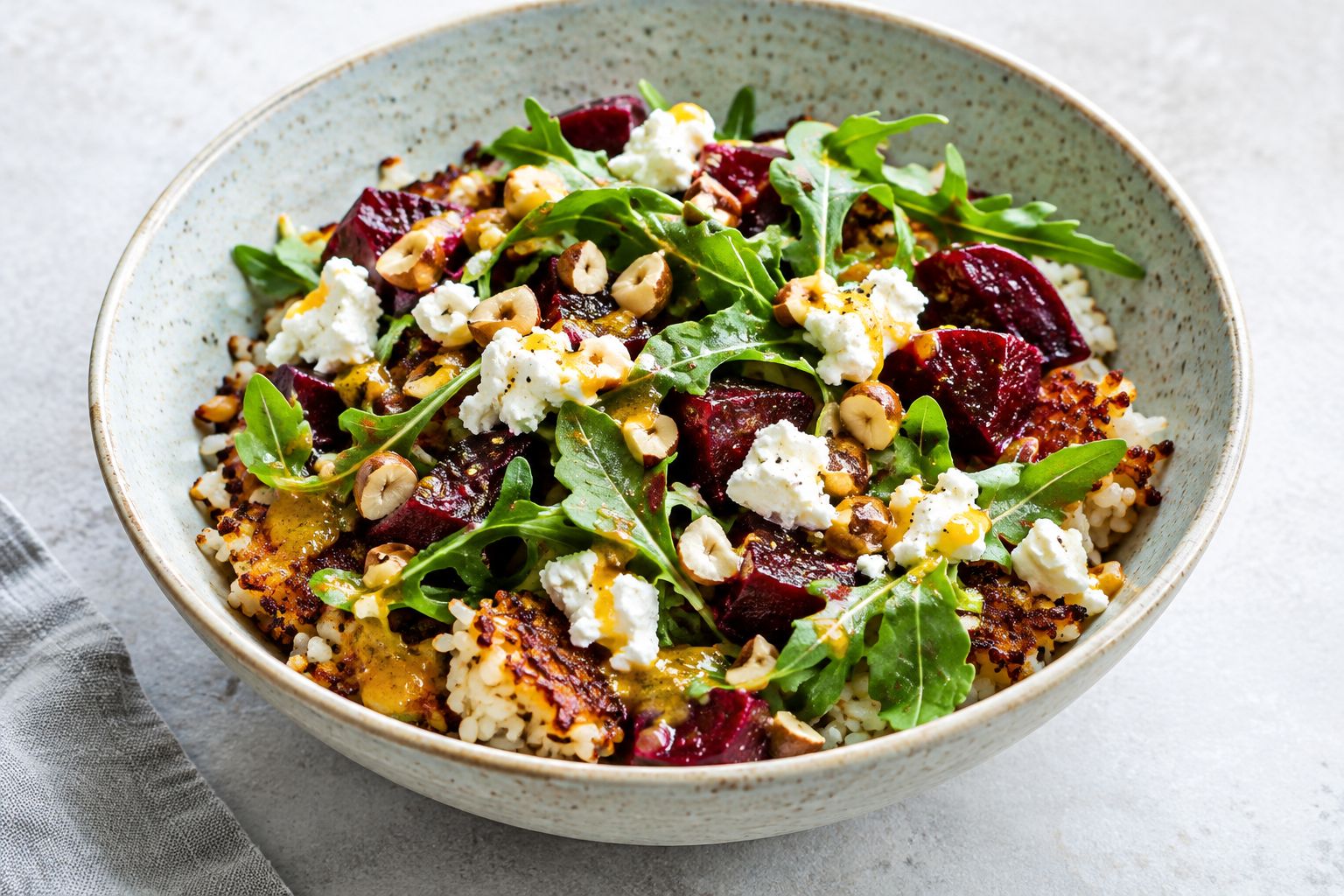
Sweet, tender beetroot and warm, crisp-fried rice get a fresh lift from orange dressing and rocket. Goat cheese makes the bowl creamy, while hazelnuts add just the right amount of crunch.
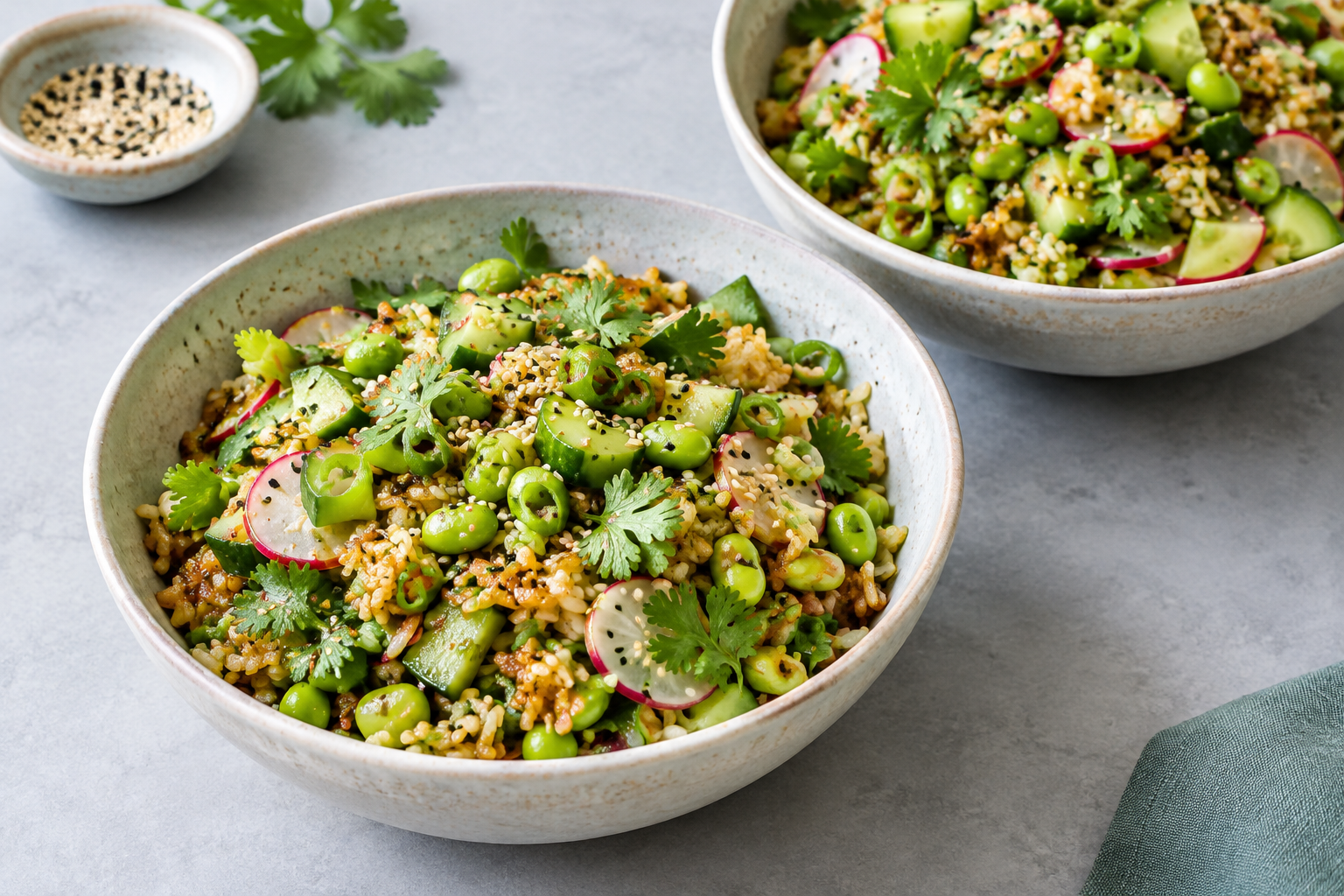
Fried rice develops golden, crispy edges and is tossed just before serving with fresh cucumber, radishes and edamame. A dressing of lime, soy sauce and sesame oil brings acidity and umami together.
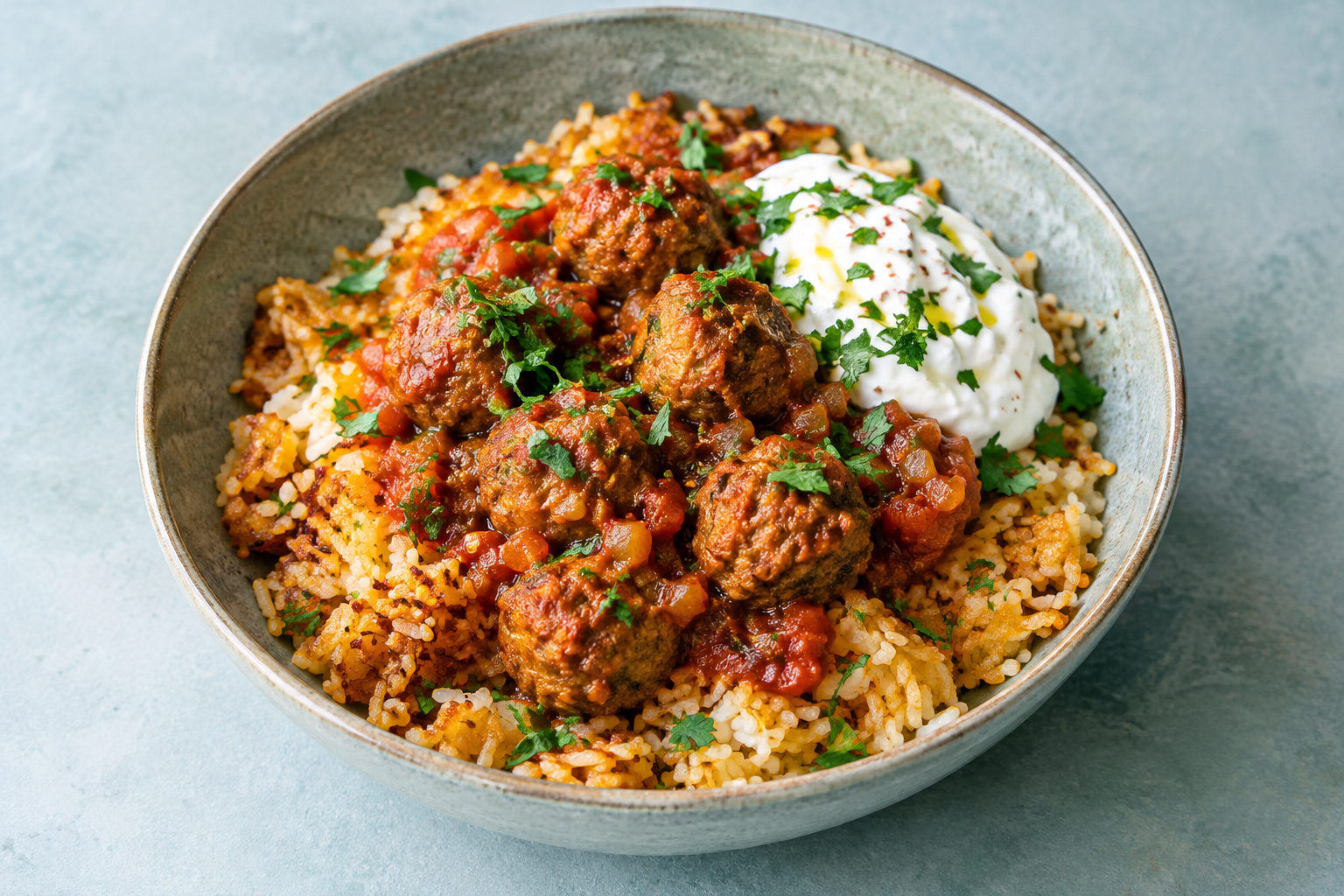
Golden-browned rice makes a hearty base for juicy meatballs in tomato sauce with cumin and smoked paprika. Lemon yogurt and parsley add freshness; the sauce softens some of the rice, while the edges stay crisp.
Short-grain rice, basmati, jasmine rice and risotto rice all behave differently in the pan. Japanese short-grain rice turns soft and slightly sticky when cooked, making it a good fit for omurice and chirashi-zushi. For chirashi, warm rice is also gently mixed with rice vinegar, sugar and salt. This gives it a bright, slightly glossy base for salmon, tamagoyaki, shiitake and cucumber.
Basmati stays fluffy and fragrant when cooked, which works well with fesenjan and maqluba. Jasmine rice is the fragrant partner for dishes such as nasi lemak and ayam percik. Broken rice has smaller grains and is used in cơm tấm sườn; regular rice isn’t an exact substitute, but it works if you can’t find the specific type. Arborio rice is well suited to risotto: stirring and gradually adding stock helps build a creamy sauce around grains with a firm centre.
These recipes show why rice isn’t always prepared the same way. For Japanese short-grain rice and many rice dishes cooked with a lid, rinsing is useful: it removes loose starch from the surface. After cooking, let the rice rest covered so the moisture distributes evenly. Don’t lift the lid while it rests.
Risotto calls for a different approach. Add warm stock in batches while stirring regularly; add the next batch when most of the previous one has been absorbed. Stirring helps release starch, but the risotto should still have a little bite. For maqluba, rice, chicken and fried vegetables cook together in layers in stock. Let the pan rest after cooking before turning it upside down: this gives the rice time to firm up. Mujaddara combines rice and lentils in one pan, but the lentils are first cooked until almost tender so they don’t fall apart while cooking with the rice.
There are several ways to build a bold sauce. The coconut sauce with tamarind and palm sugar served with ayam percik brings together creaminess, acidity and gentle sweetness. Fesenjan gets its rich, earthy character from walnuts and pomegranate molasses; taste the sauce before adding sugar, if needed, as the sweetness depends in part on the molasses. With nasi lemak, coconut rice, spicy sambal, salty ikan bilis, cucumber and egg bring contrasting flavours to one plate.
Looking for a lighter counterpart to savoury rice? Try the sour pickle and nước chấm with cơm tấm sườn, or cucumber and herbs alongside tempeh with a kecap-lime glaze. They bring freshness to caramelised or savoury flavours. Crunchy elements have a role to play, too: kremes over Javanese ayam goreng, fried shallots on soto Betawi or peanuts with tofu add bite alongside soft rice. Add these toppings just before serving so they stay crisp.