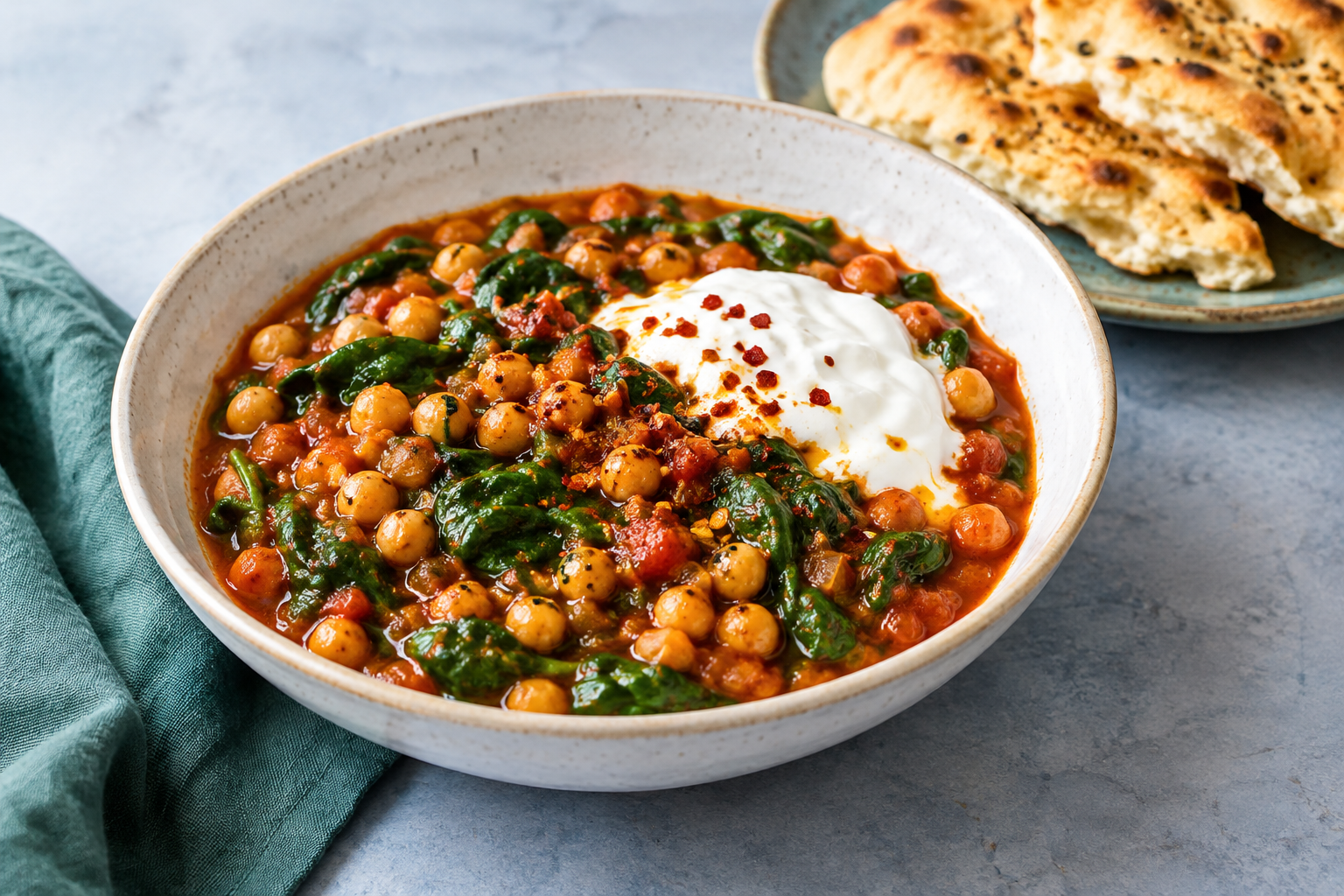
Turkish Chickpeas with Spinach and Pul Biber
Chickpeas simmer in a spiced tomato sauce until they’ve taken on plenty of flavor. Spinach goes in at the end, so it softens while keeping its green color. Serve with yogurt and warm flatbread.
Spinach is easy to adapt: briefly blanched, the leaves stay green and firm, while in a pan they wilt in just a few minutes and blend with sauce, rice or pasta. This collection includes light side dishes, stuffed dough dishes and complete bowls. Choose something fresh with lemon, a savoury sesame dressing or a mild coconut broth, depending on what you’re in the mood for.
33 recipesBrowse the recipes
Chickpeas simmer in a spiced tomato sauce until they’ve taken on plenty of flavor. Spinach goes in at the end, so it softens while keeping its green color. Serve with yogurt and warm flatbread.
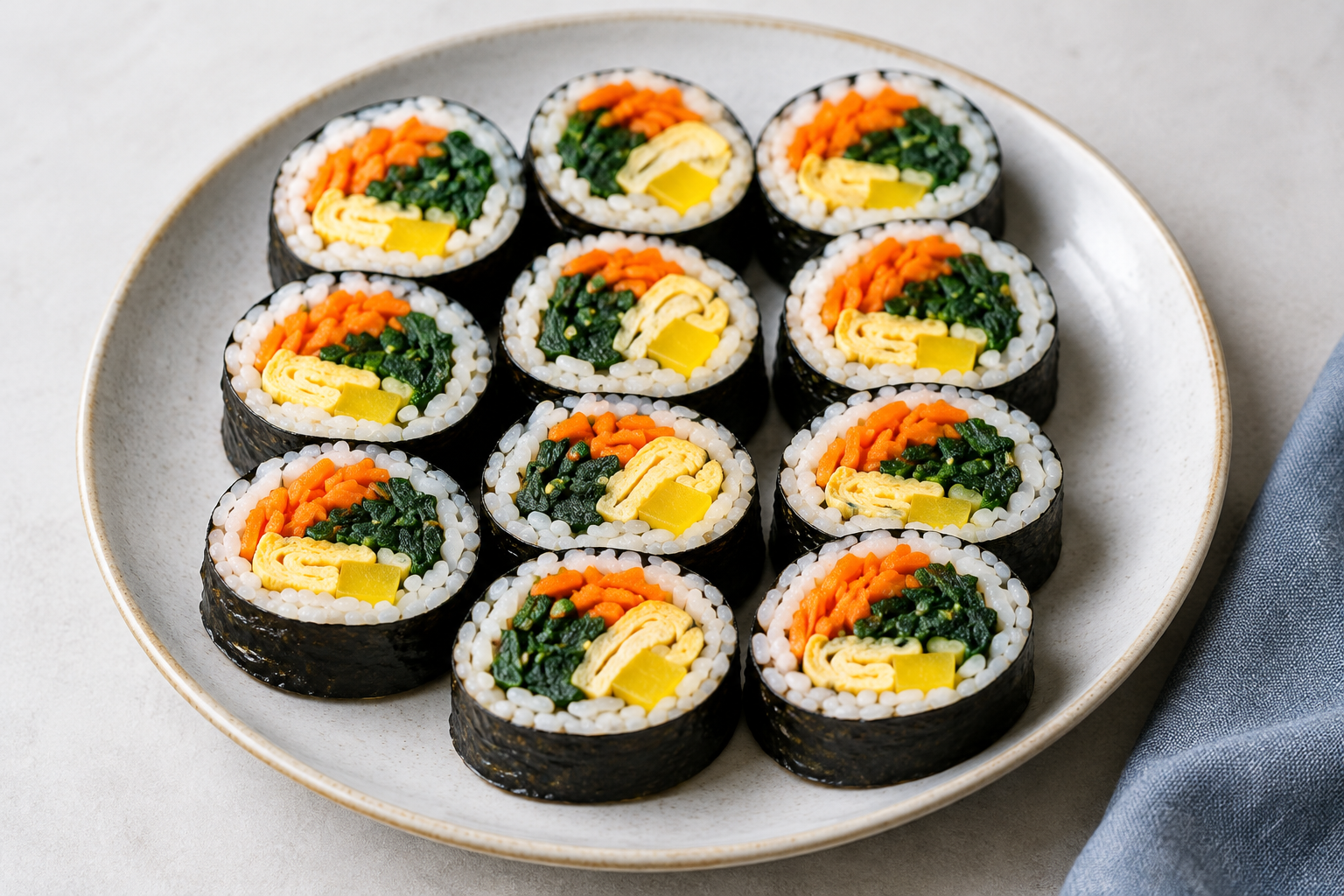
This colorful kimbap fills soft rice seasoned with sesame oil with spinach, thin omelet, sautéed carrot and crisp pickled daikon. Letting the fillings cool first keeps the nori sheets firm and makes the rolls easy to slice.
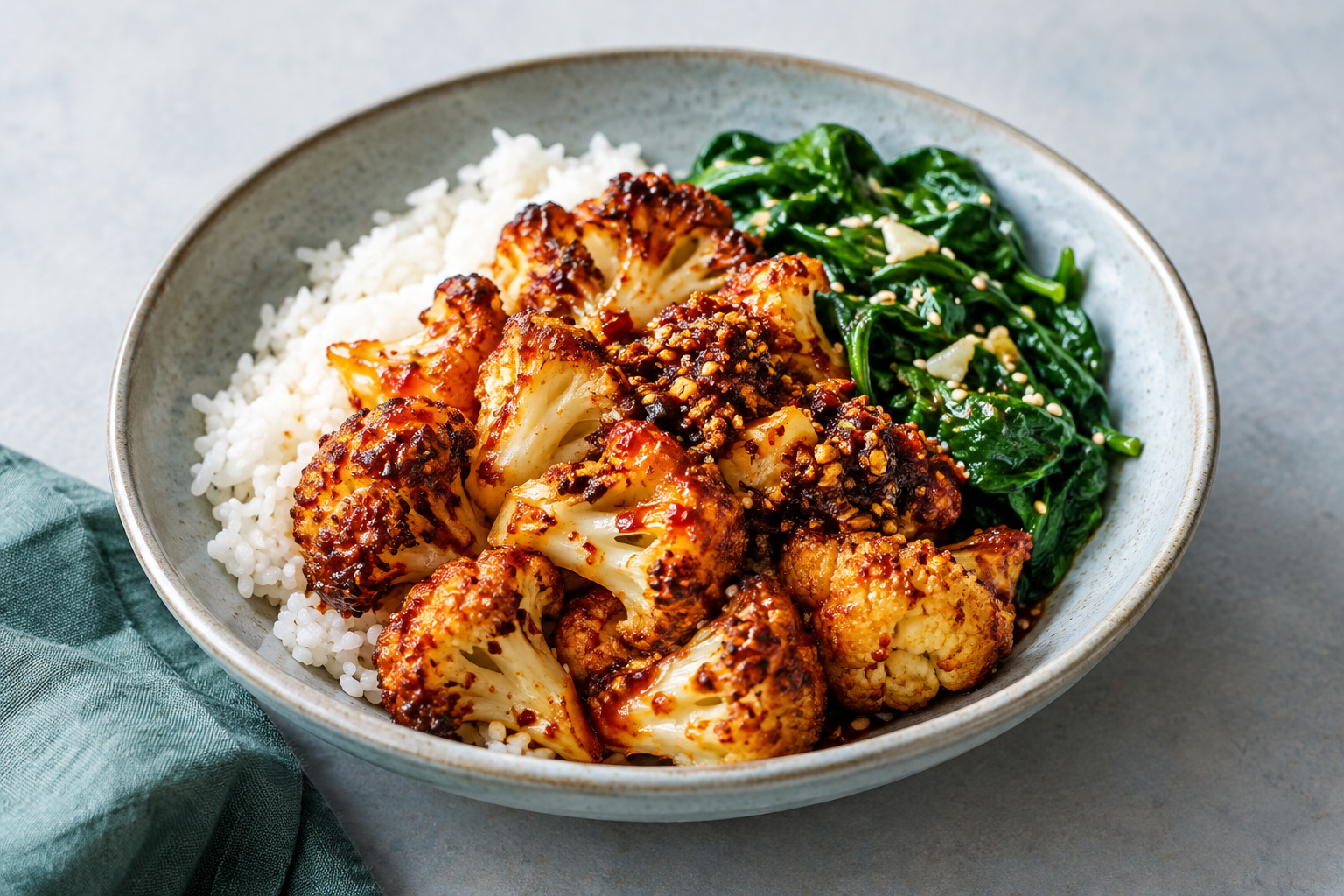
Roasted cauliflower gets coated in a sticky, sweet-and-spicy gochujang and miso sauce. Served with rice, garlicky spinach and a spoonful of chili crisp, it makes a complete meal with soft, fresh and crunchy elements.
Fluffy, lightly sweet brioche with salty feta, green spinach and a little kick of chili. Bake these rolls for breakfast or serve them as part of a generous brunch.
Light individual soufflés with creamy ricotta, finely chopped spinach and a golden-brown top. Lemon zest and black pepper add a fresh, peppery contrast just before serving.
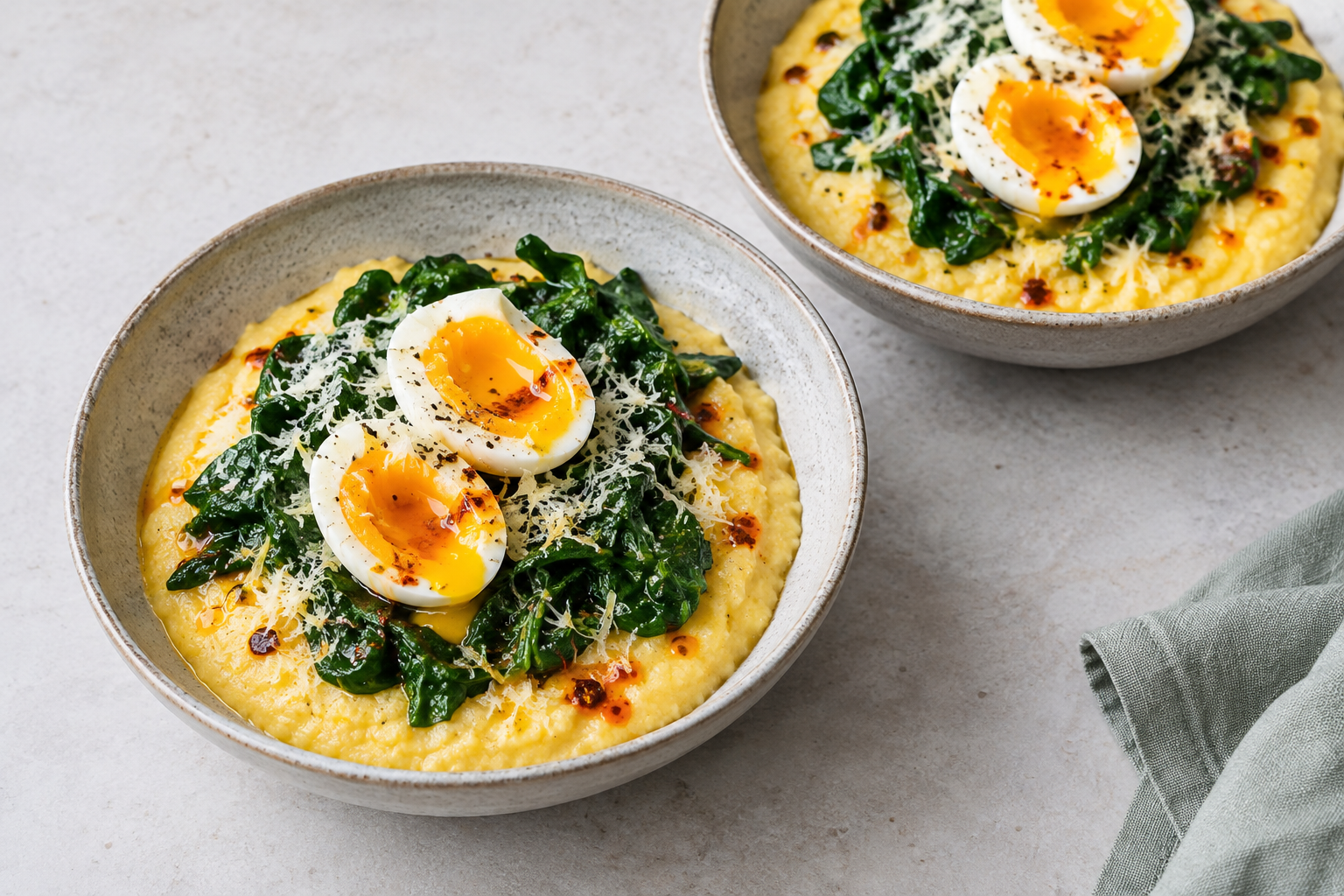
A savory breakfast of soft polenta, salty Parmesan and spinach. The soft-boiled egg makes it rich, while a few drops of chili oil add a spicy, aromatic finish.
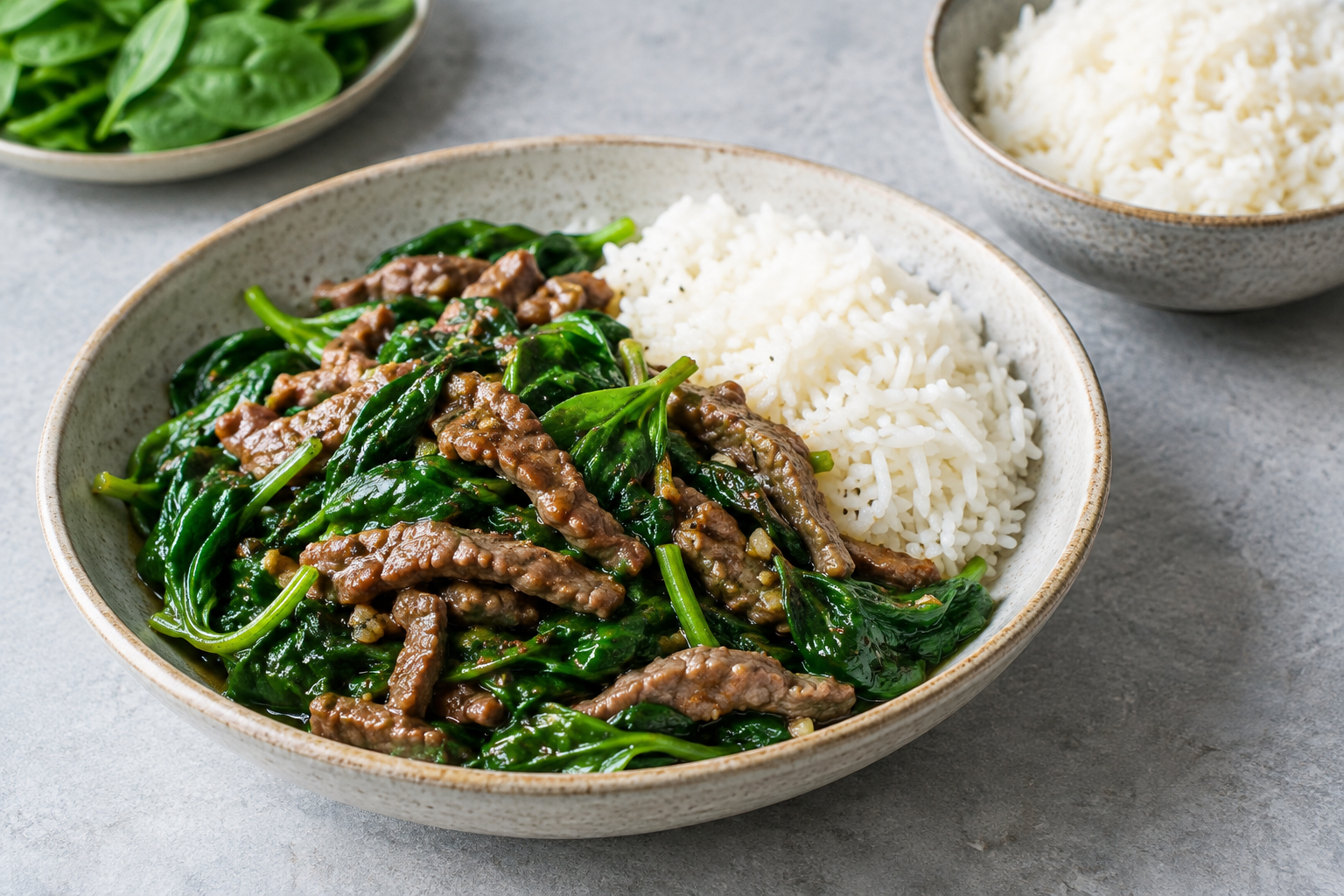
Thinly sliced beef, garlic and spinach are quickly stir-fried with fish sauce and black pepper. Serve with rice for a simple Vietnamese meal that’s ready in no time.
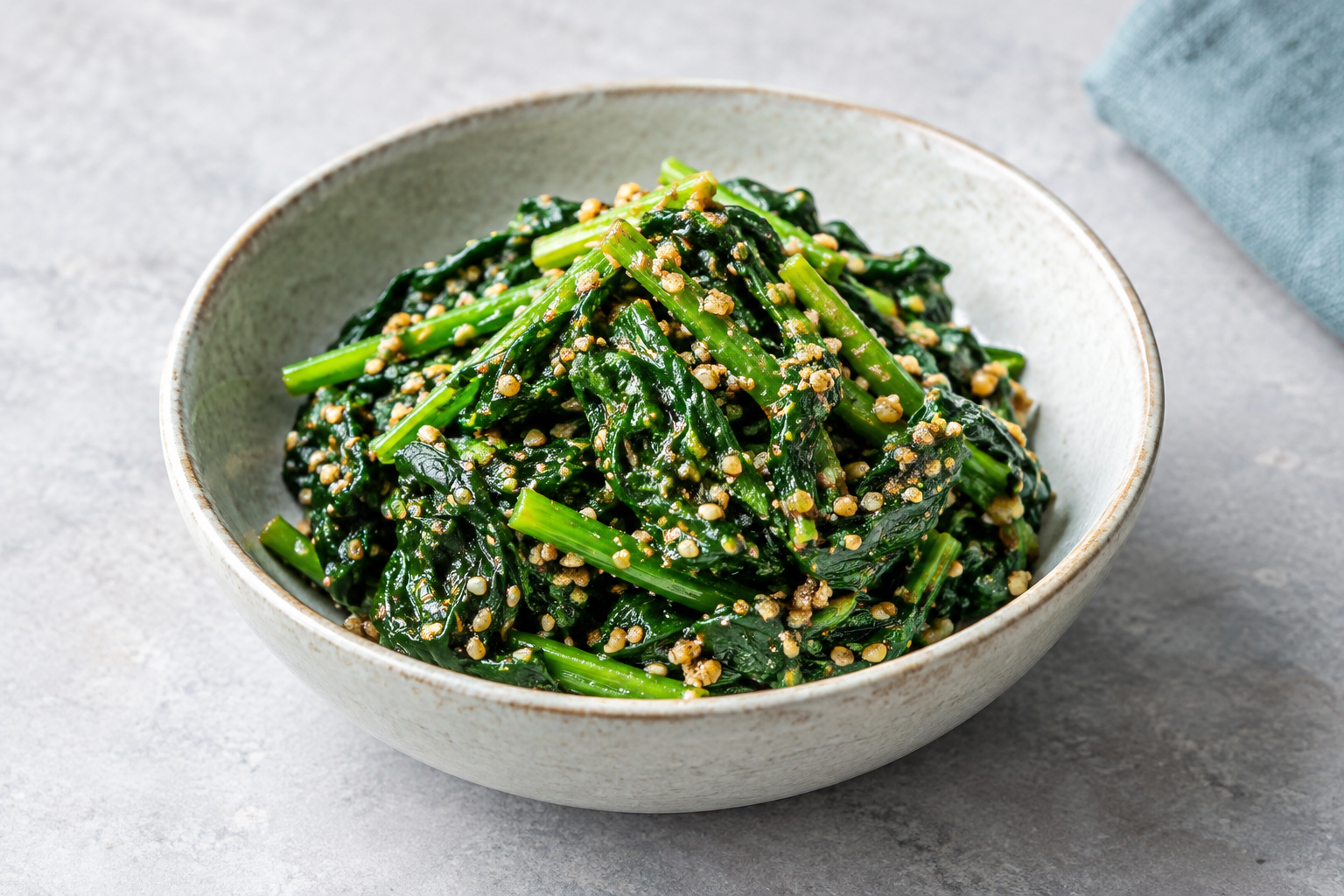
Briefly blanched spinach gets a nutty dressing of toasted sesame, soy sauce and a little sugar in this Japanese side dish. Delicious alongside rice, fish or tofu.
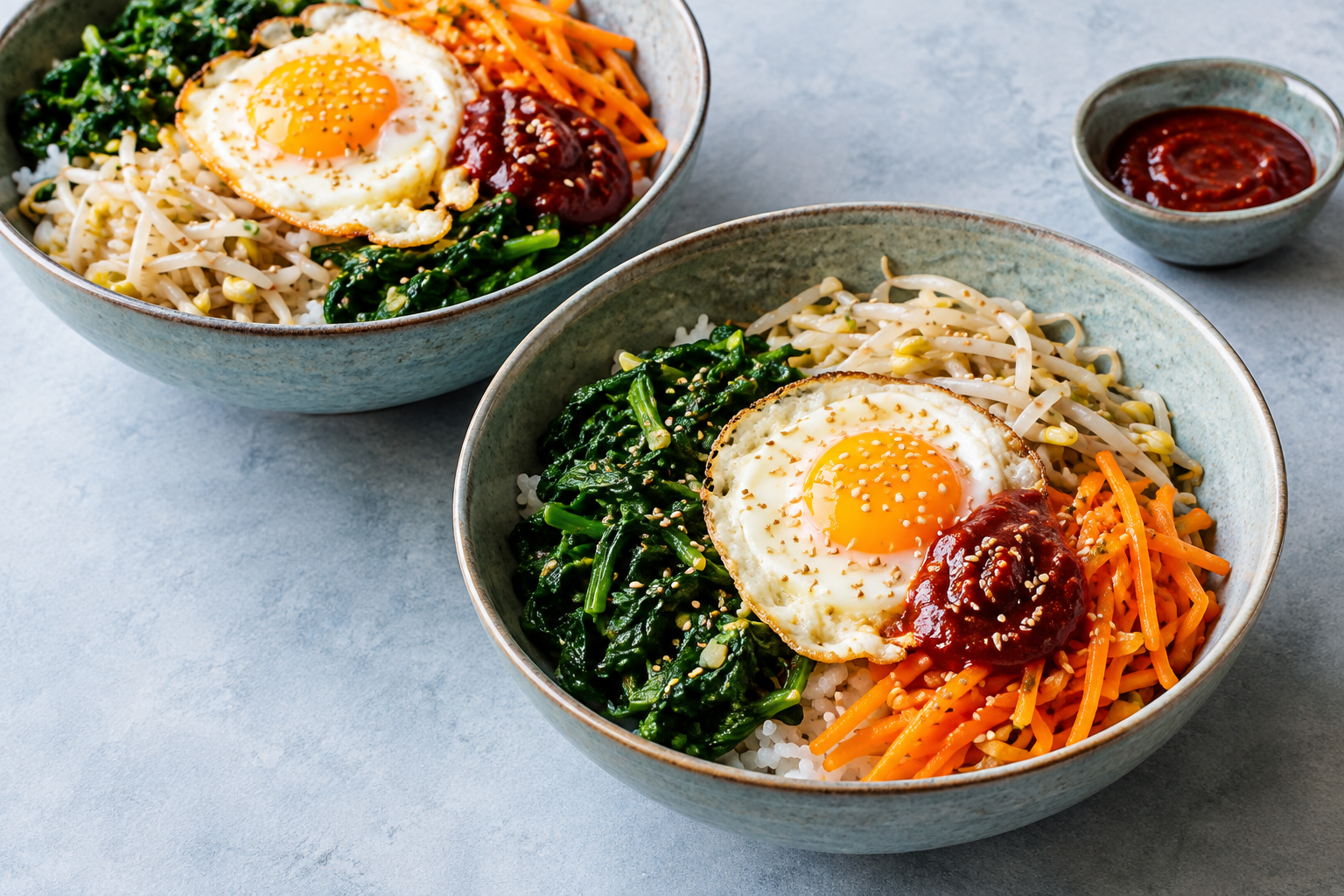
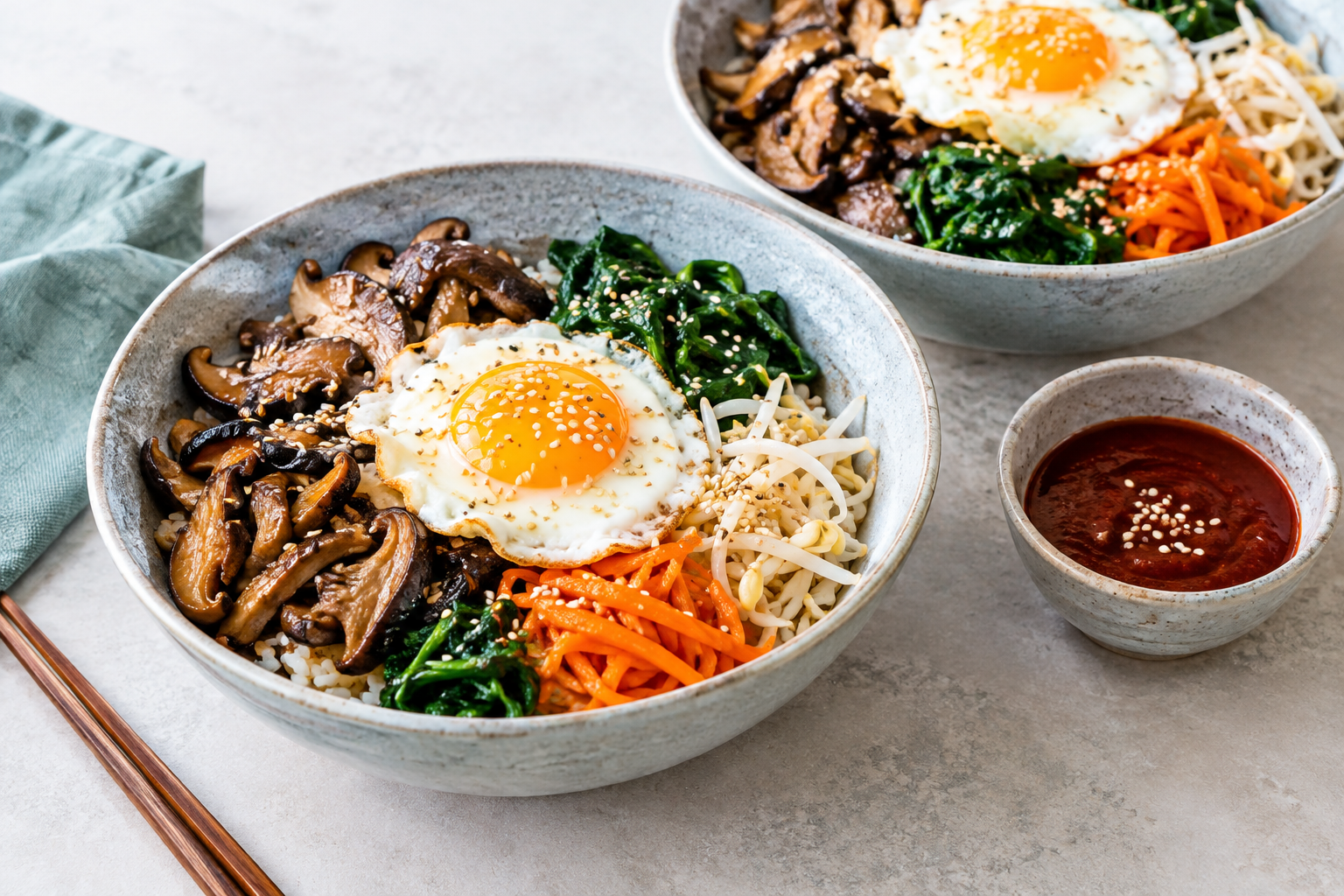
A bowl of steaming rice with garlic spinach, bean sprouts, carrot and a fried egg. Stir in spicy gochujang sauce at the table, bringing the soft, fresh and crunchy toppings together.
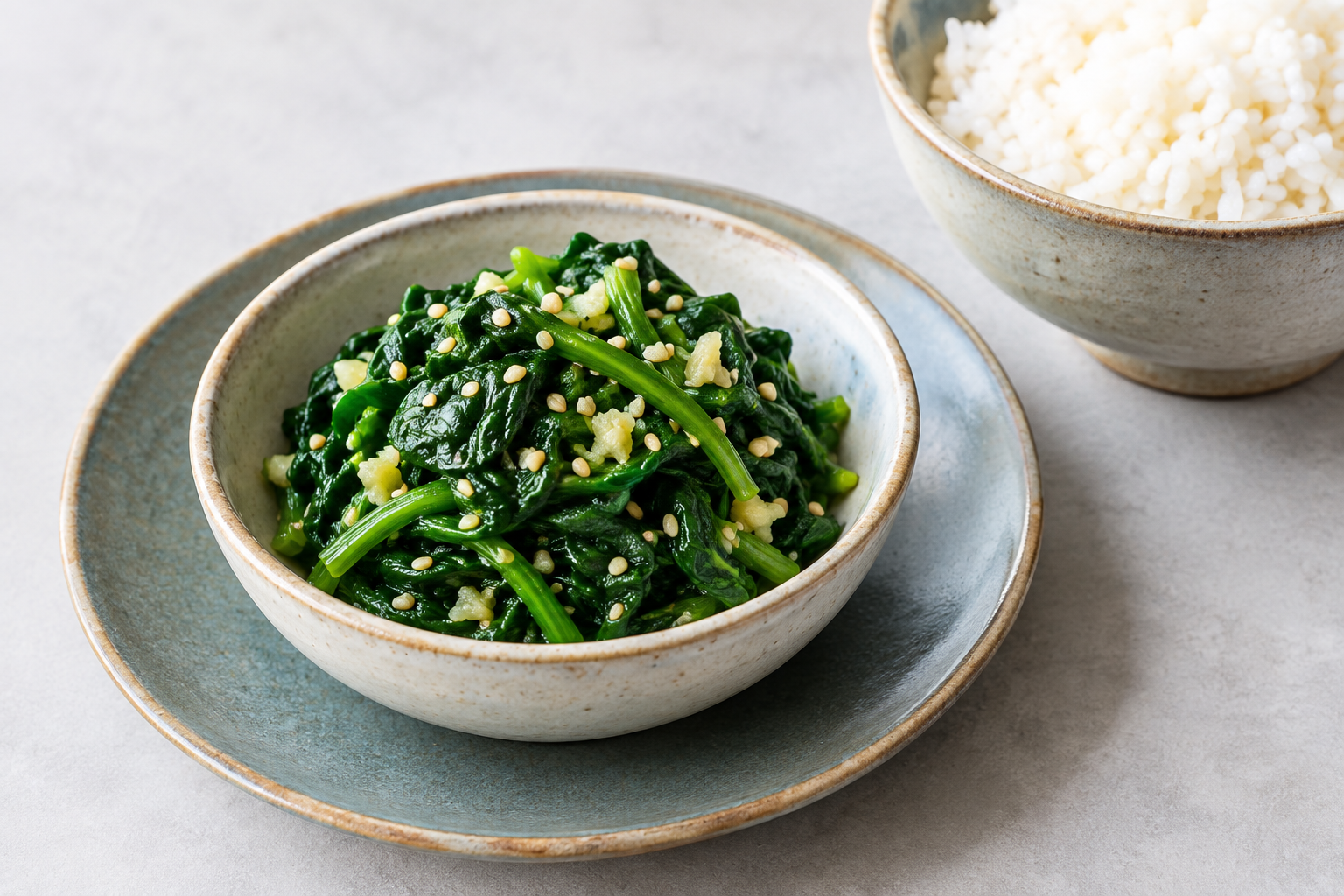
This Korean spinach banchan combines tender green leaves with garlic, soy sauce and toasted sesame seeds. Brief blanching and squeezing the spinach well keeps it tender but not watery.
A bowl of warm rice topped with separately cooked mushrooms, crunchy bean sprouts, spinach, carrot and a fried egg. Serve the spicy gochujang sauce on the side and mix everything together at the table.
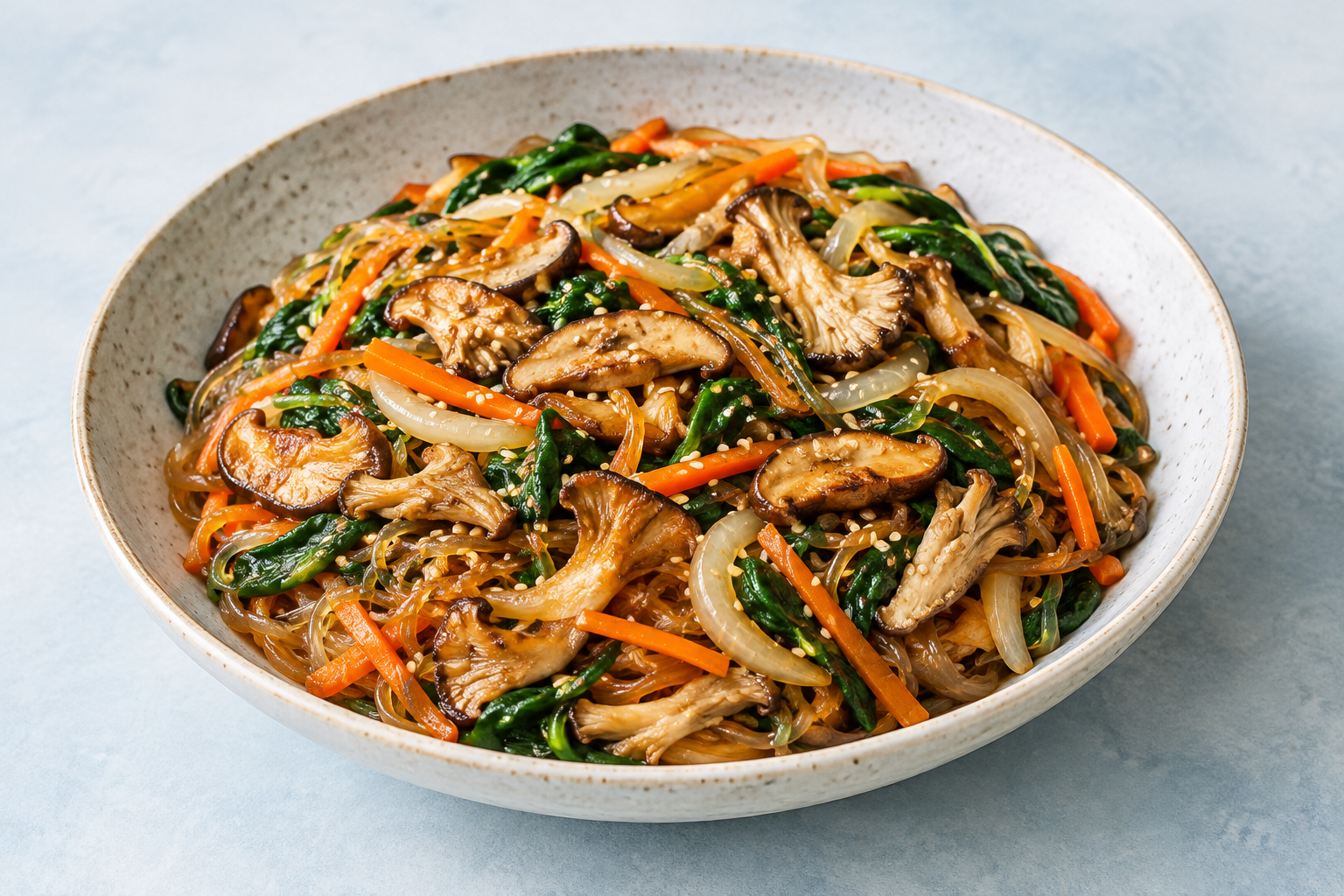
Smooth Korean sweet potato noodles soak up the savoury dressing beautifully. With sautéed shiitake and oyster mushrooms, spinach, carrot and onion, japchae becomes a colourful main course with both tender and chewy textures.
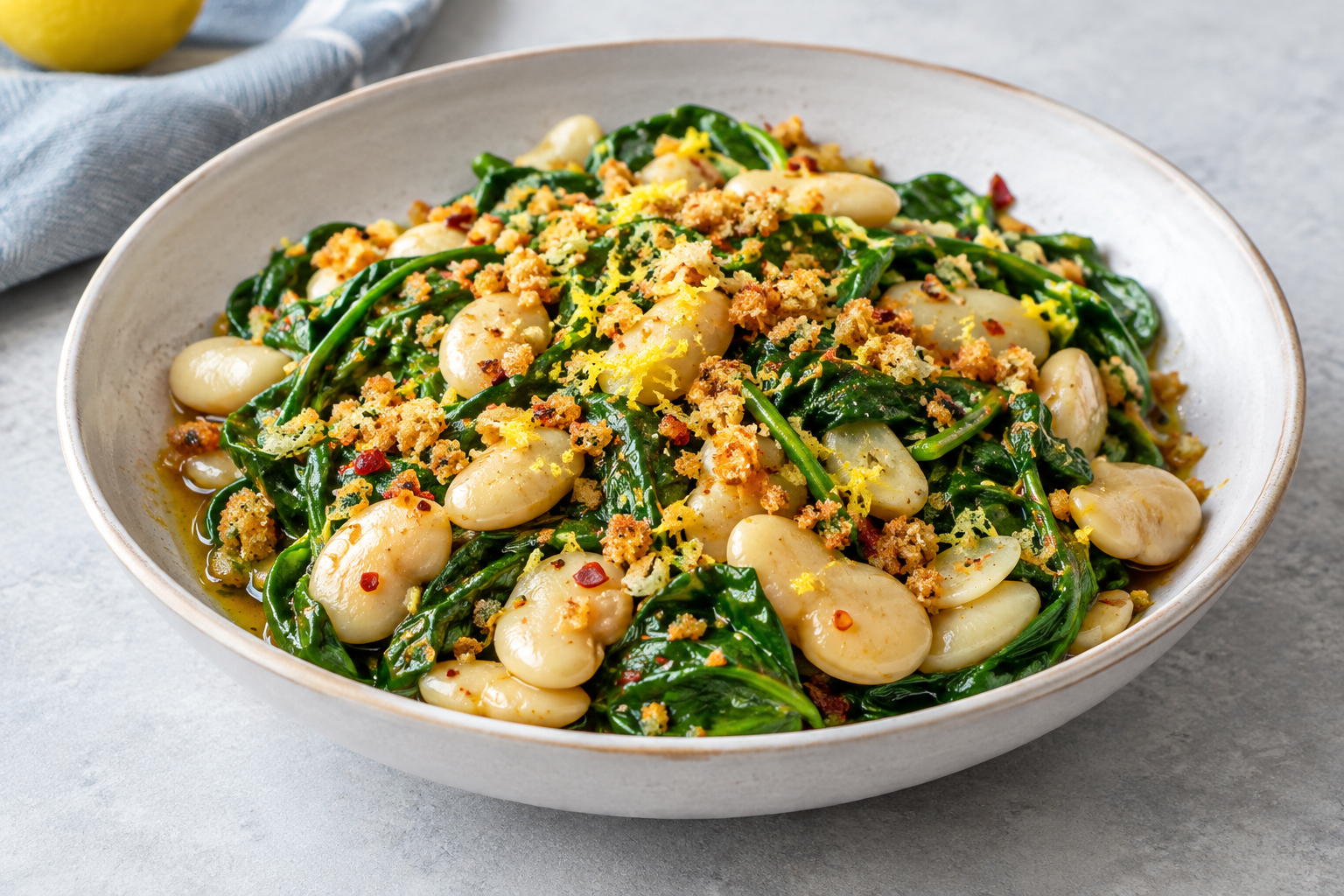
A pan full of tender butter beans and plenty of spinach, with garlic-chili oil and lemon for a little heat and freshness. Crispy breadcrumbs give every bite a hearty contrast.
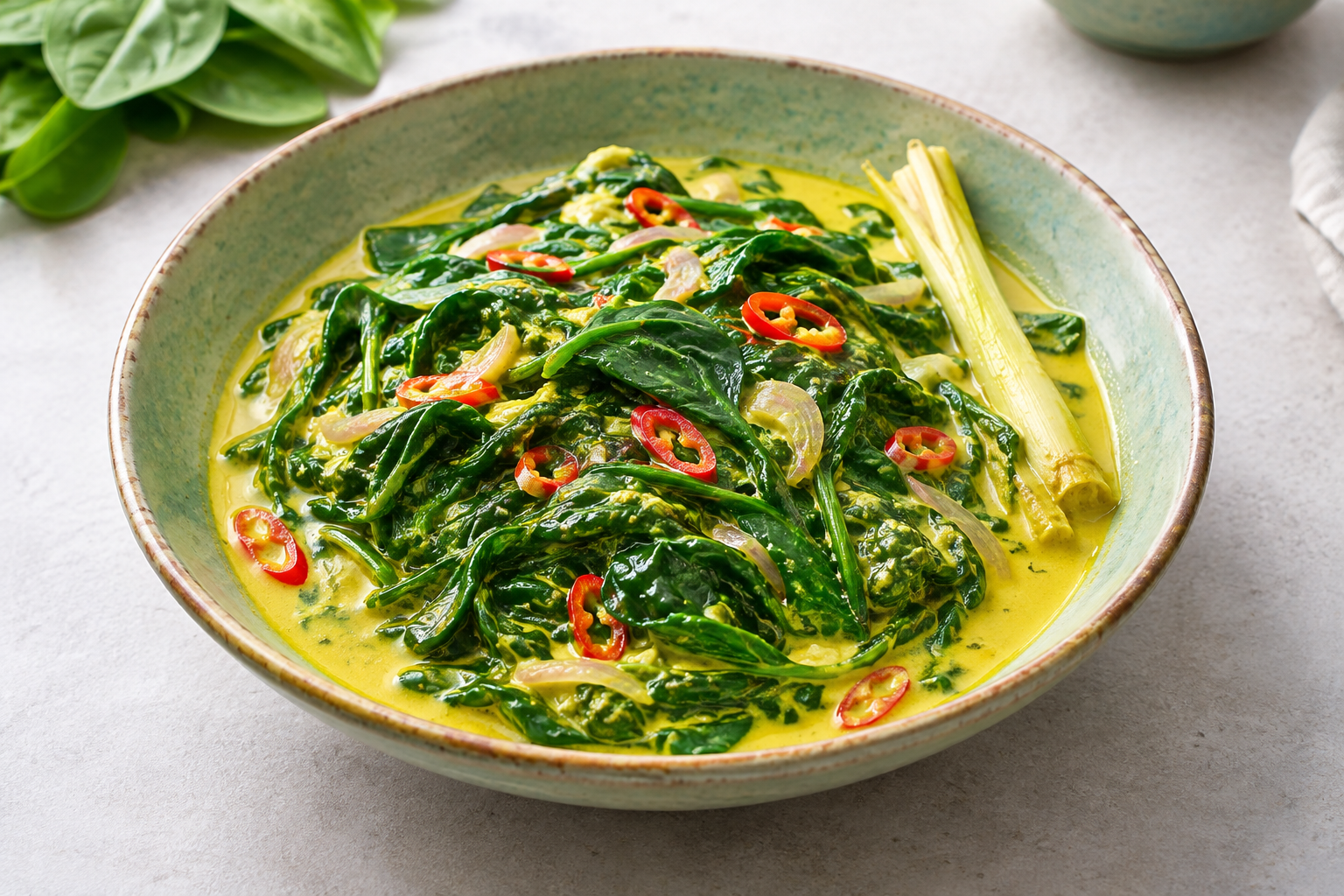
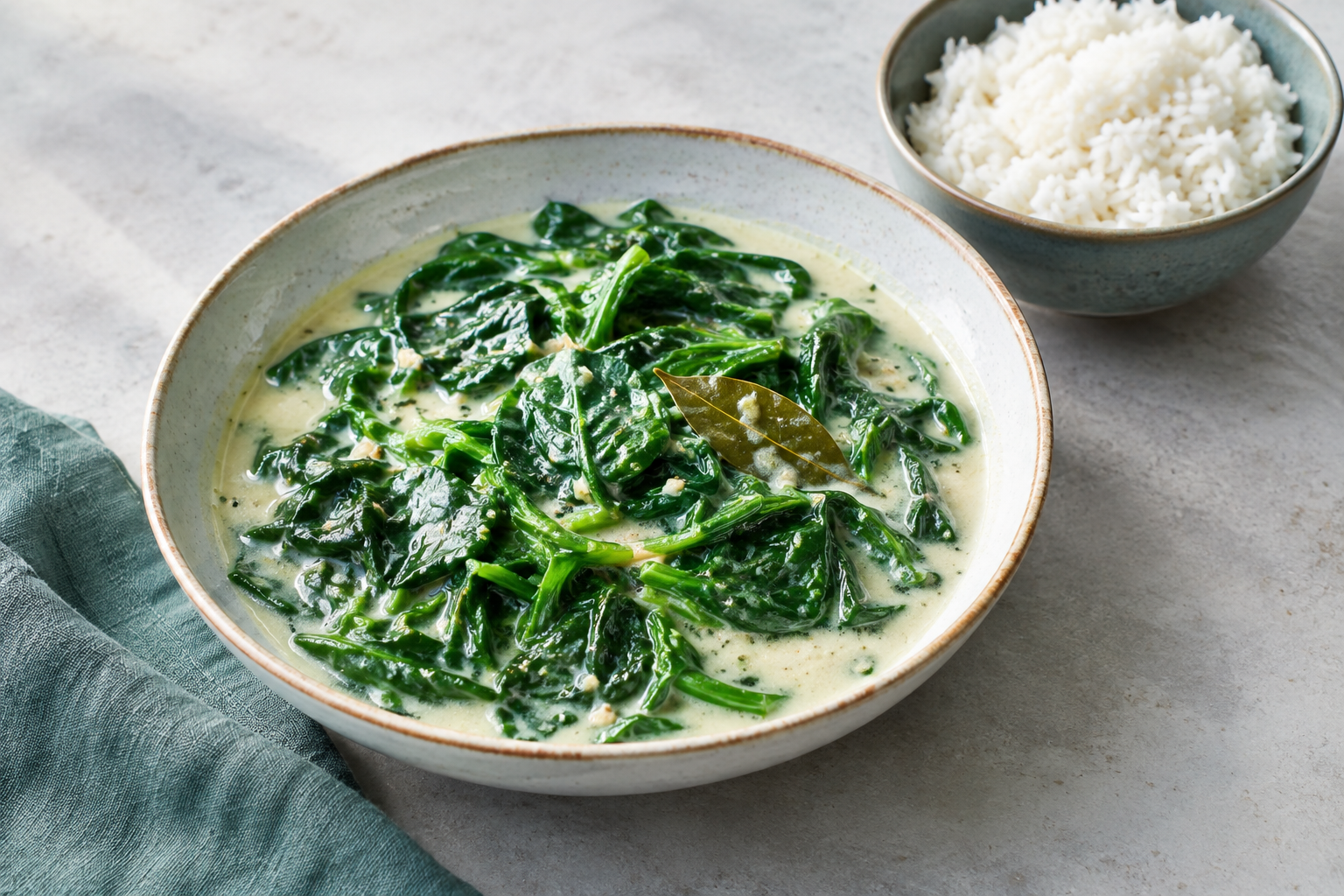
In bayam masak lemak, spinach wilts in a gentle, creamy coconut sauce with turmeric, chili and lemongrass. A mild, fragrant side dish that goes well with rice and a spicier main course.
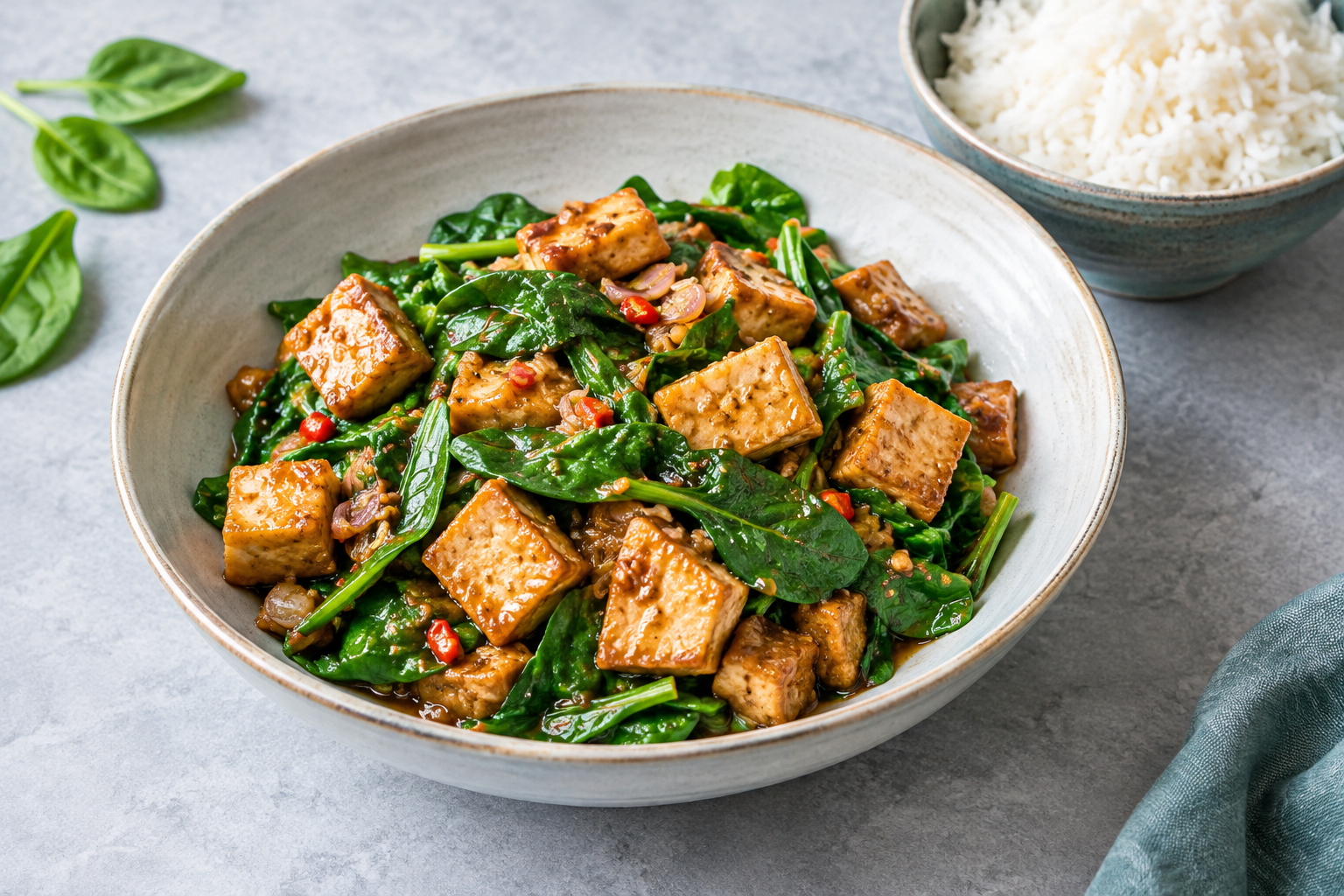
Firm tofu, tender spinach and the salty depth of tauco come together in a quick stir-fry to serve with rice. The spinach goes into the pan right at the end, so it wilts while keeping its fresh green colour.
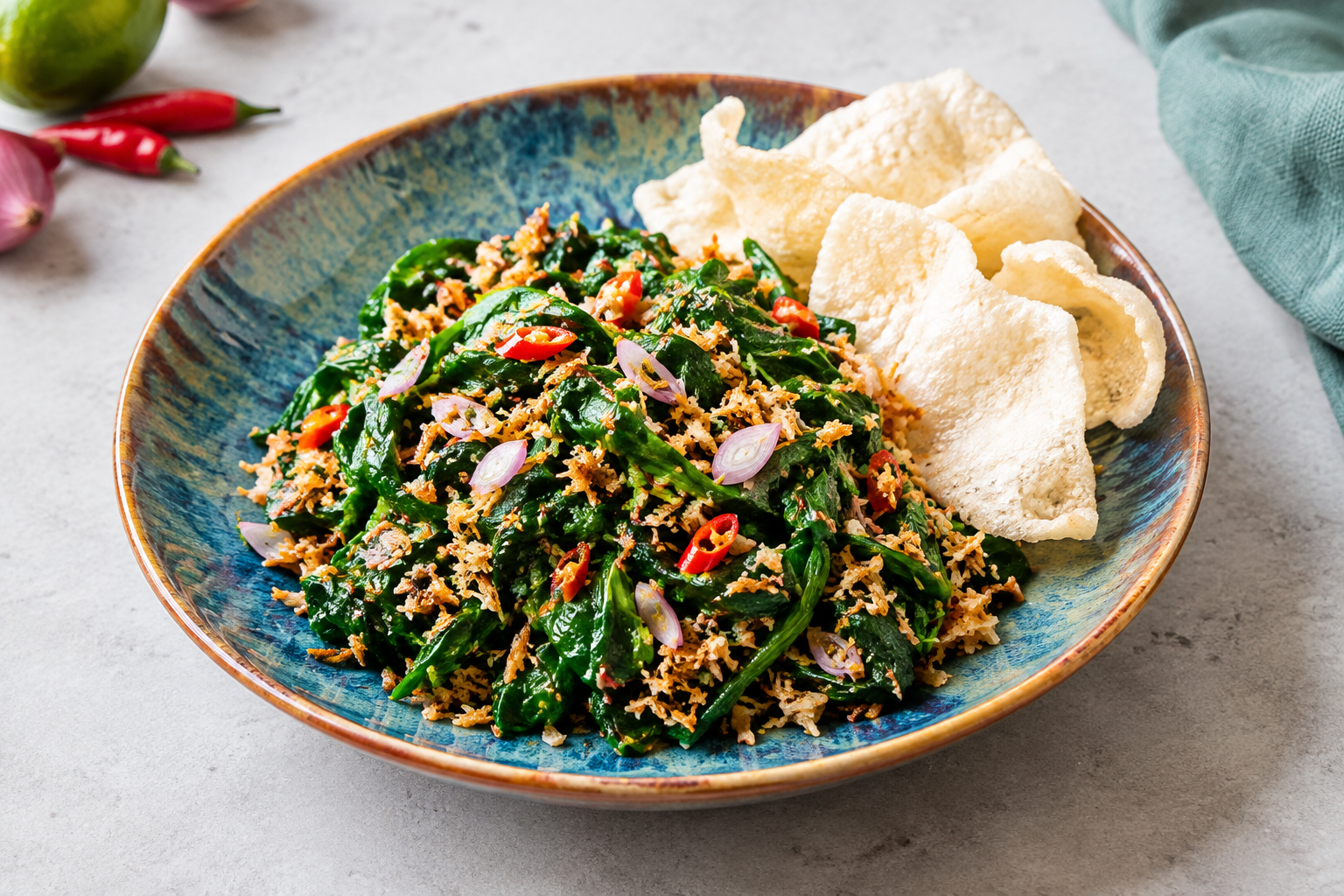
This kerabu combines tender spinach with nutty toasted coconut and a punchy dressing of lime, shallot and belacan. Serve the salad at room temperature as a small starter.
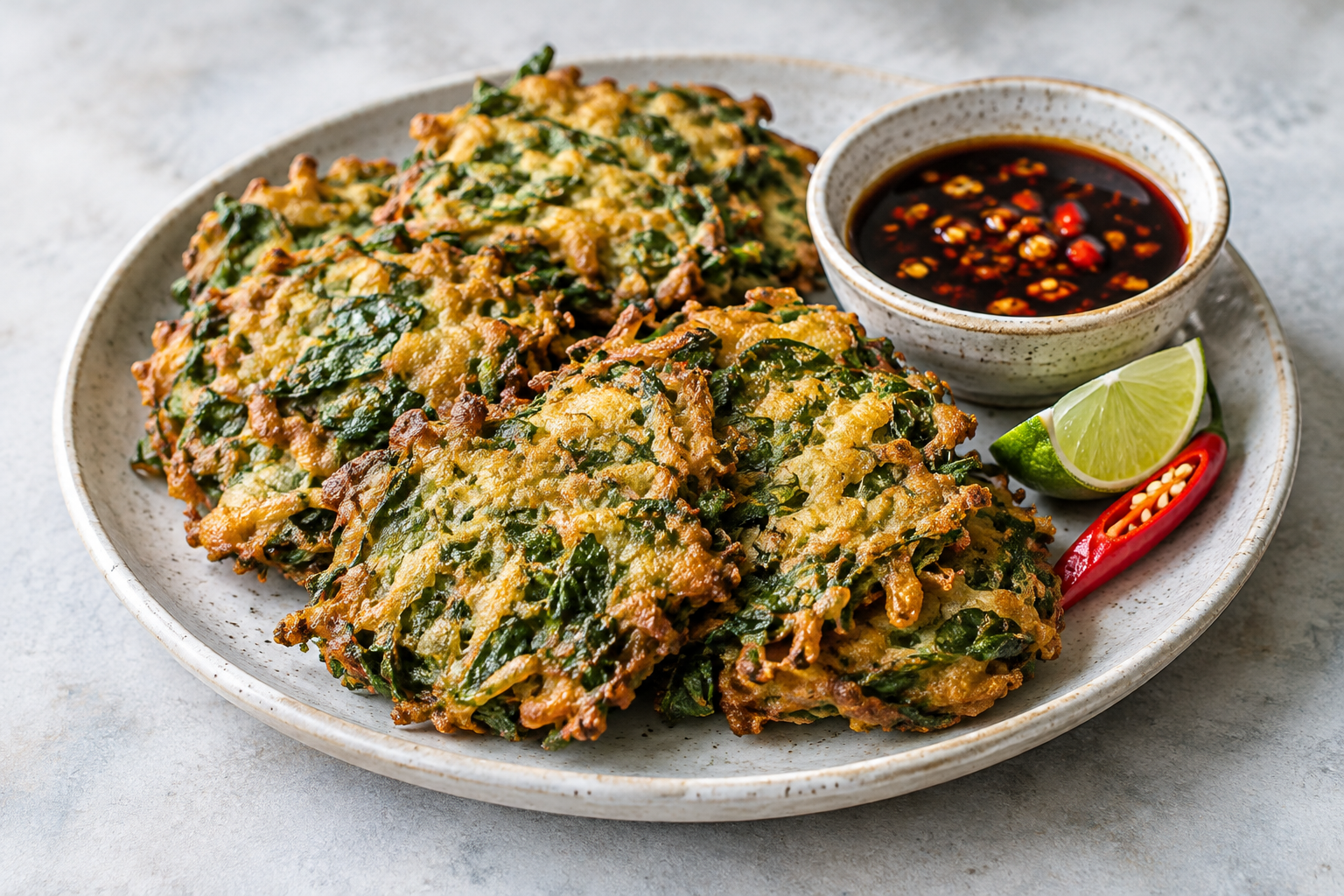
These Indonesian spinach fritters have a thin, spiced batter, crispy edges and a soft green center. Serve them hot with sambal kecap: sweet kecap with chili and lime.
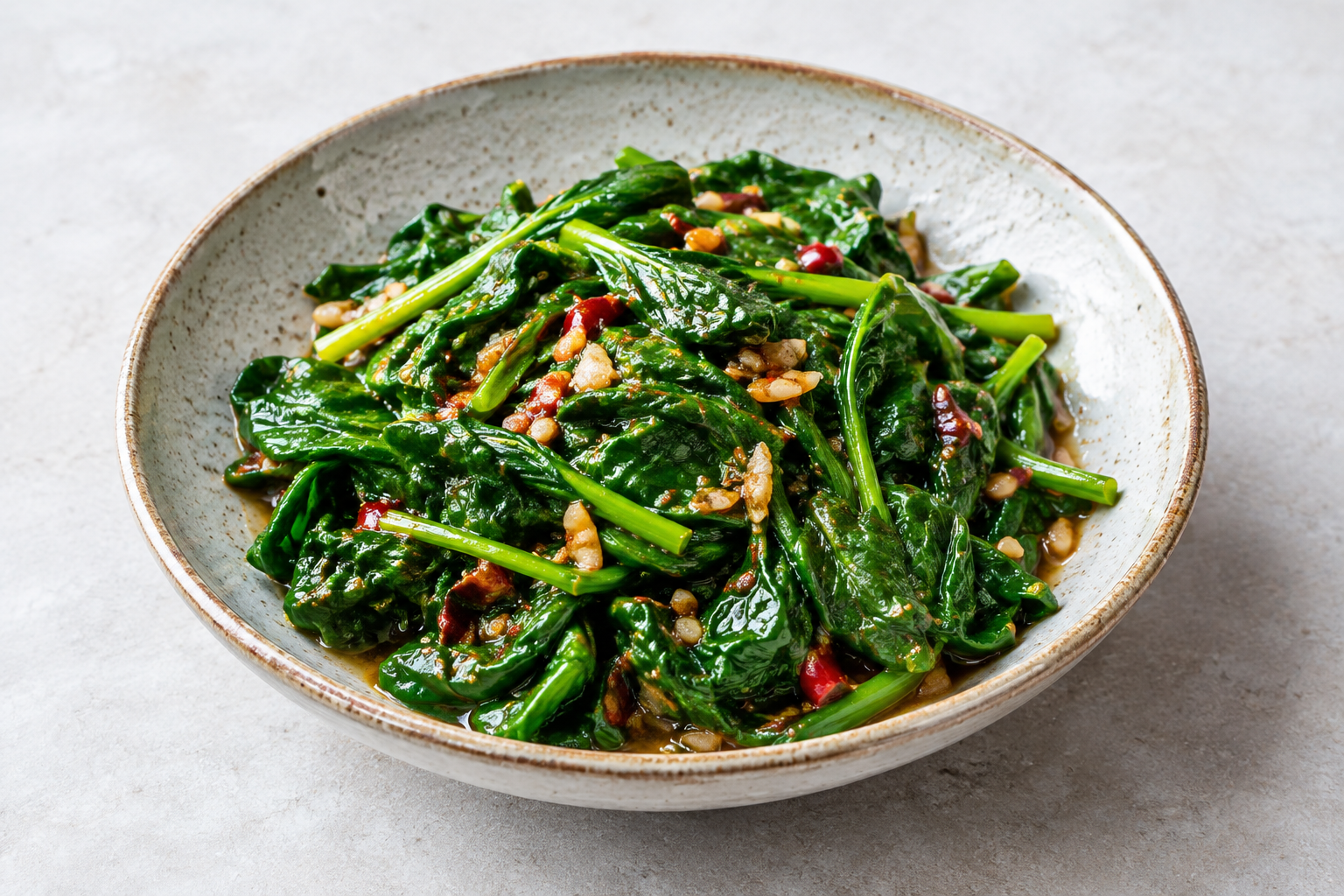
This Malaysian spinach stir-fry is cooked quickly over high heat with garlic and sambal belacan. The leaves wilt but keep their color; lime juice brightens the salty, spicy flavor.
In this Indonesian vegetable dish, fresh spinach wilts briefly in a gentle coconut broth with shallot, garlic and the fresh, aromatic flavor of kencur. Serve it as a side dish with rice and something spicy.
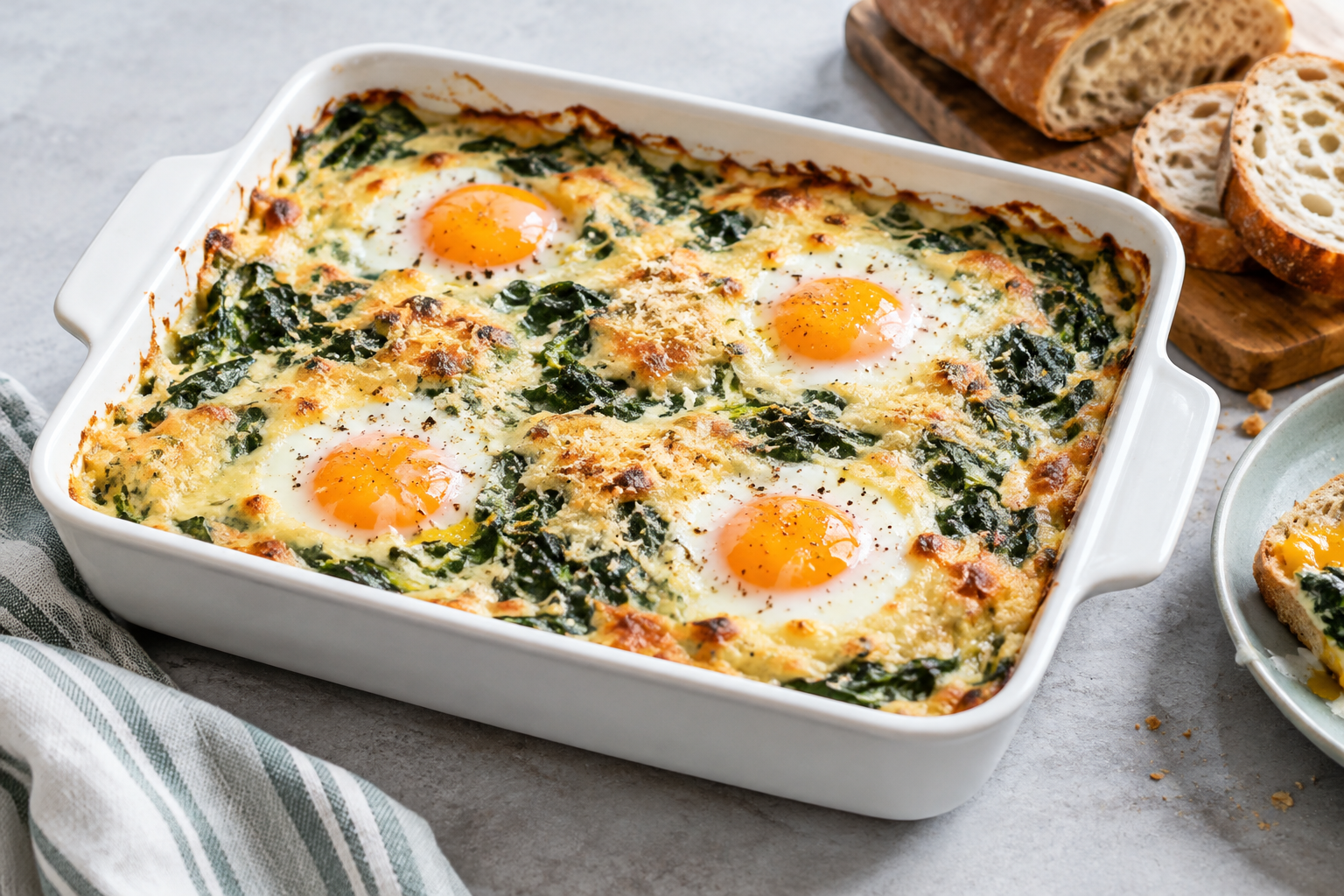
Spinach, softly set eggs and a thin layer of cheese sauce: this Florentine bake is simple, with just enough creaminess and a golden-brown crust. Serve it with bread to mop up the sauce and egg yolks.
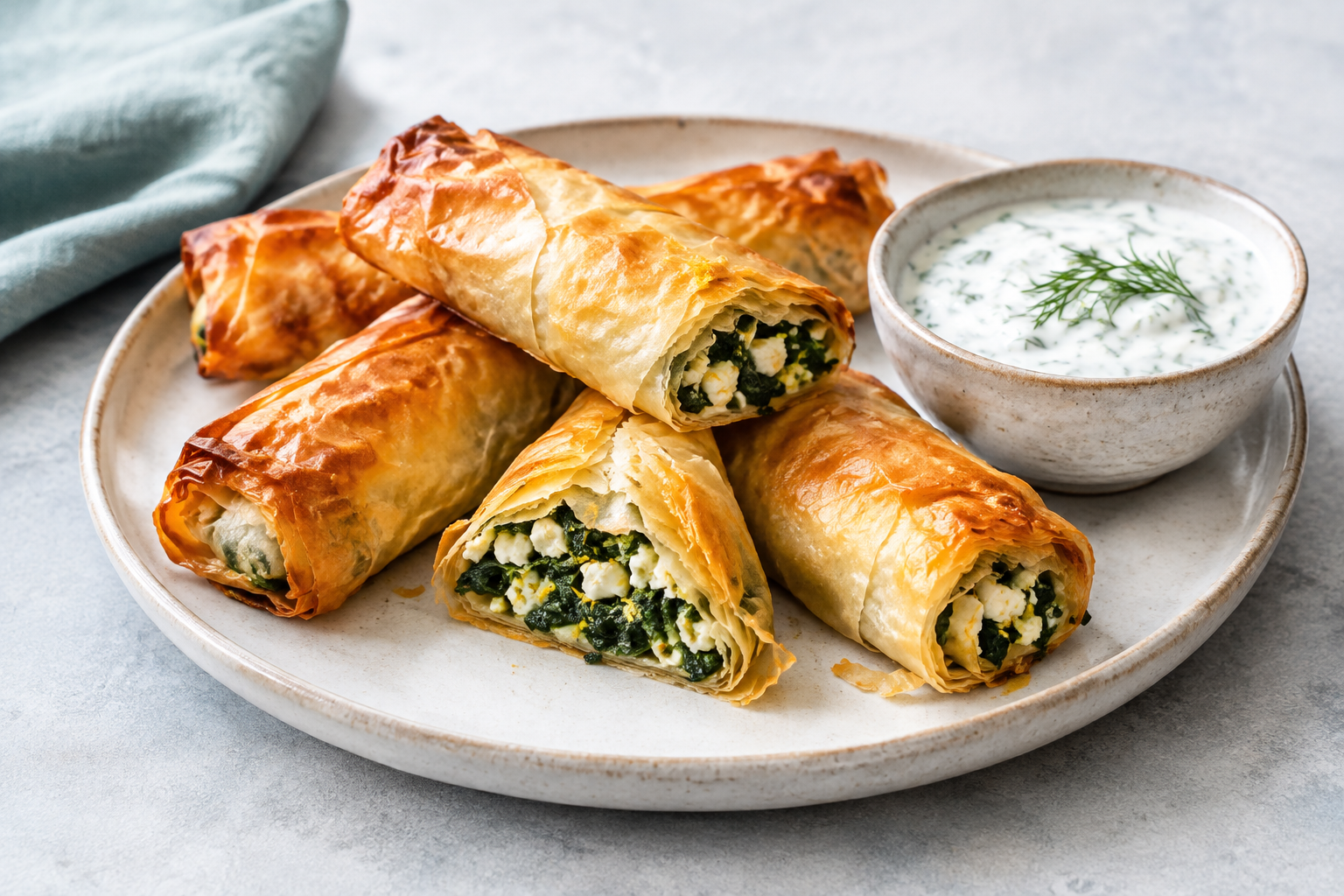
Thin layers of filo pastry turn golden and crisp around a generous filling of spinach, salty feta and lemon zest. Serve the warm filo rolls with a cool yoghurt and dill sauce.
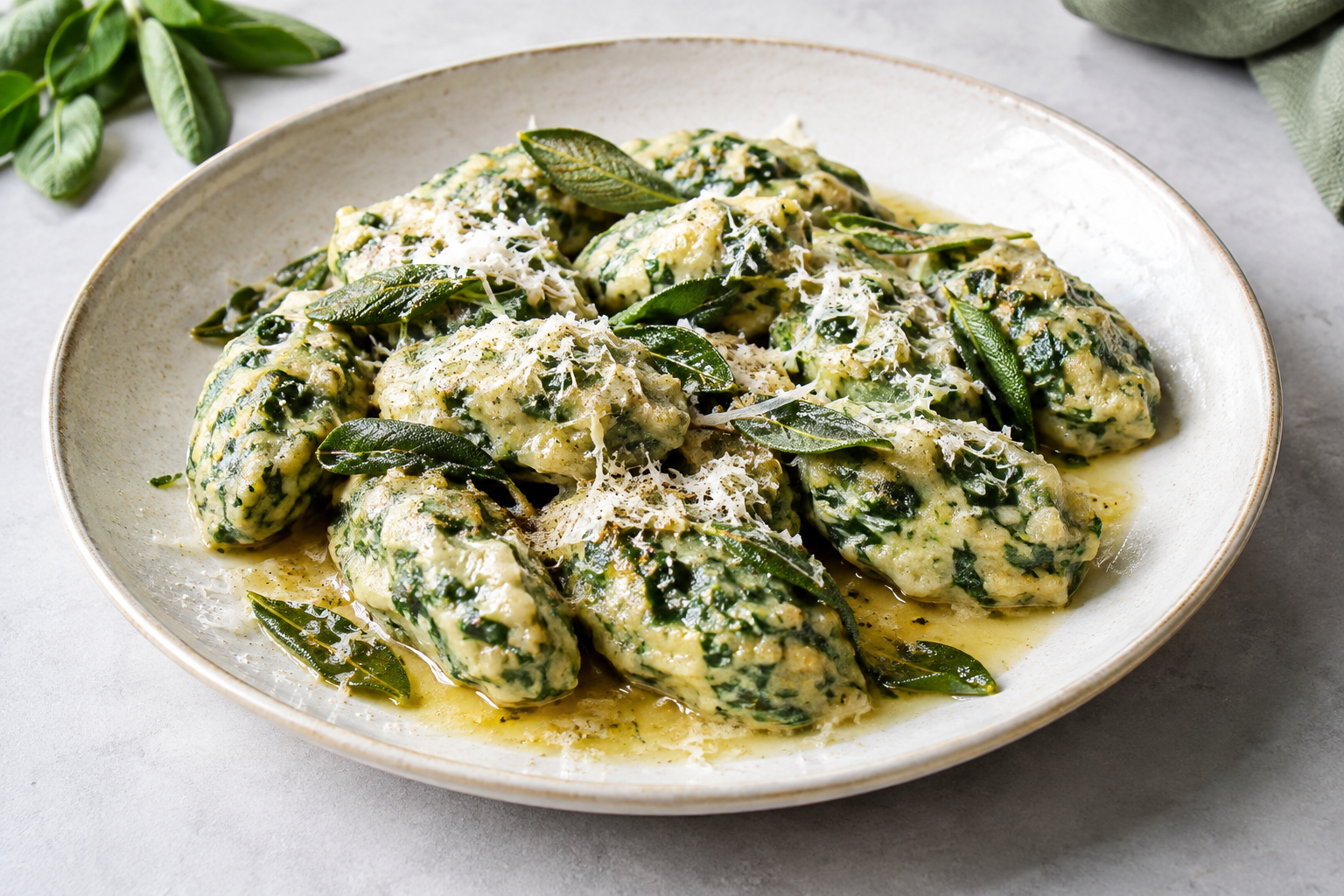
These tender spinach dumplings from Trentino are made with stale bread, egg and grated cheese. Melted butter with sage finishes the dish: simple, savoury and suitable as a main course.
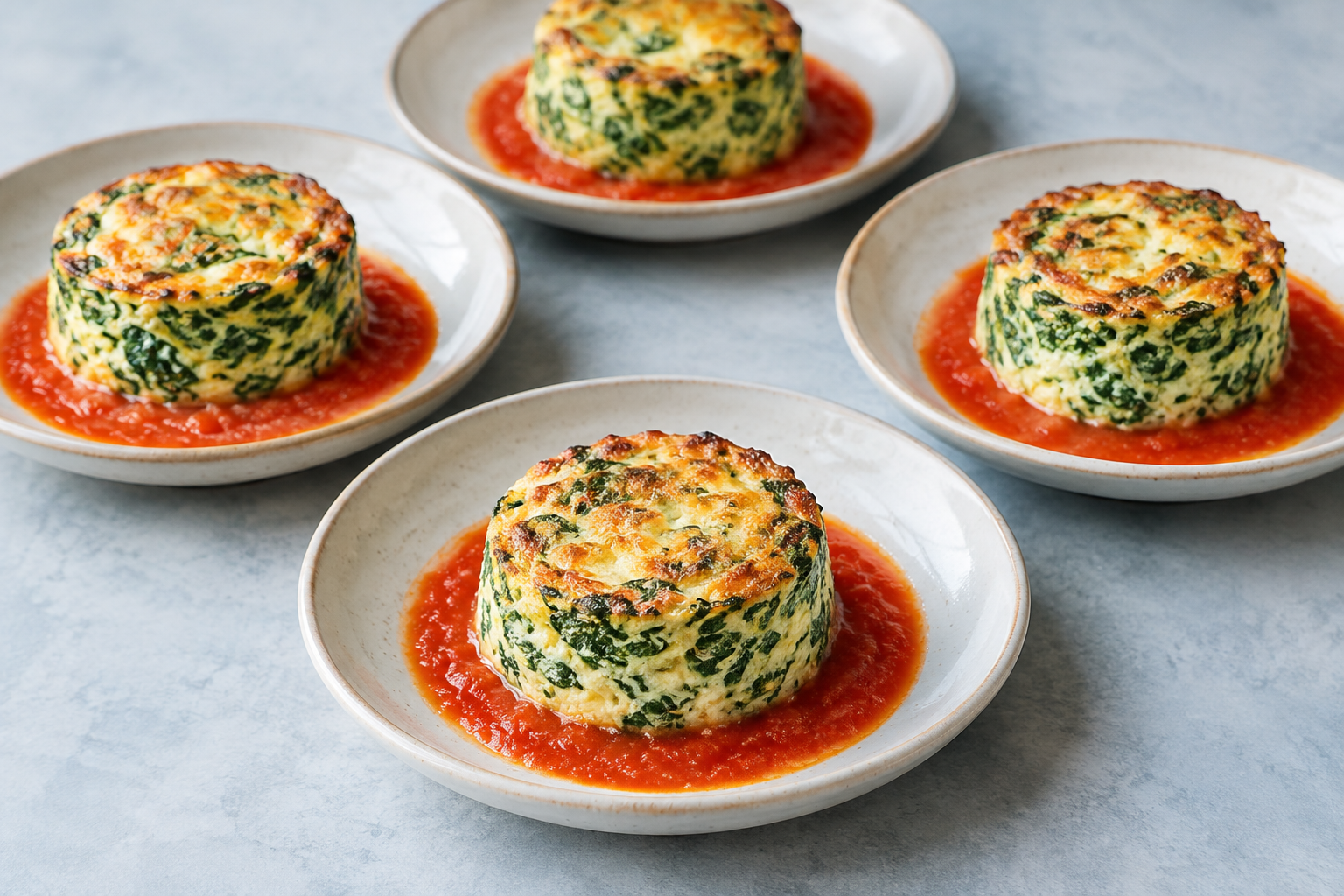
This Italian spinach flan is soft and savoury, with ricotta for a creamy texture and Parmesan for extra flavour. A thin tomato sauce keeps it fresh. Serve the flans lukewarm as a starter.
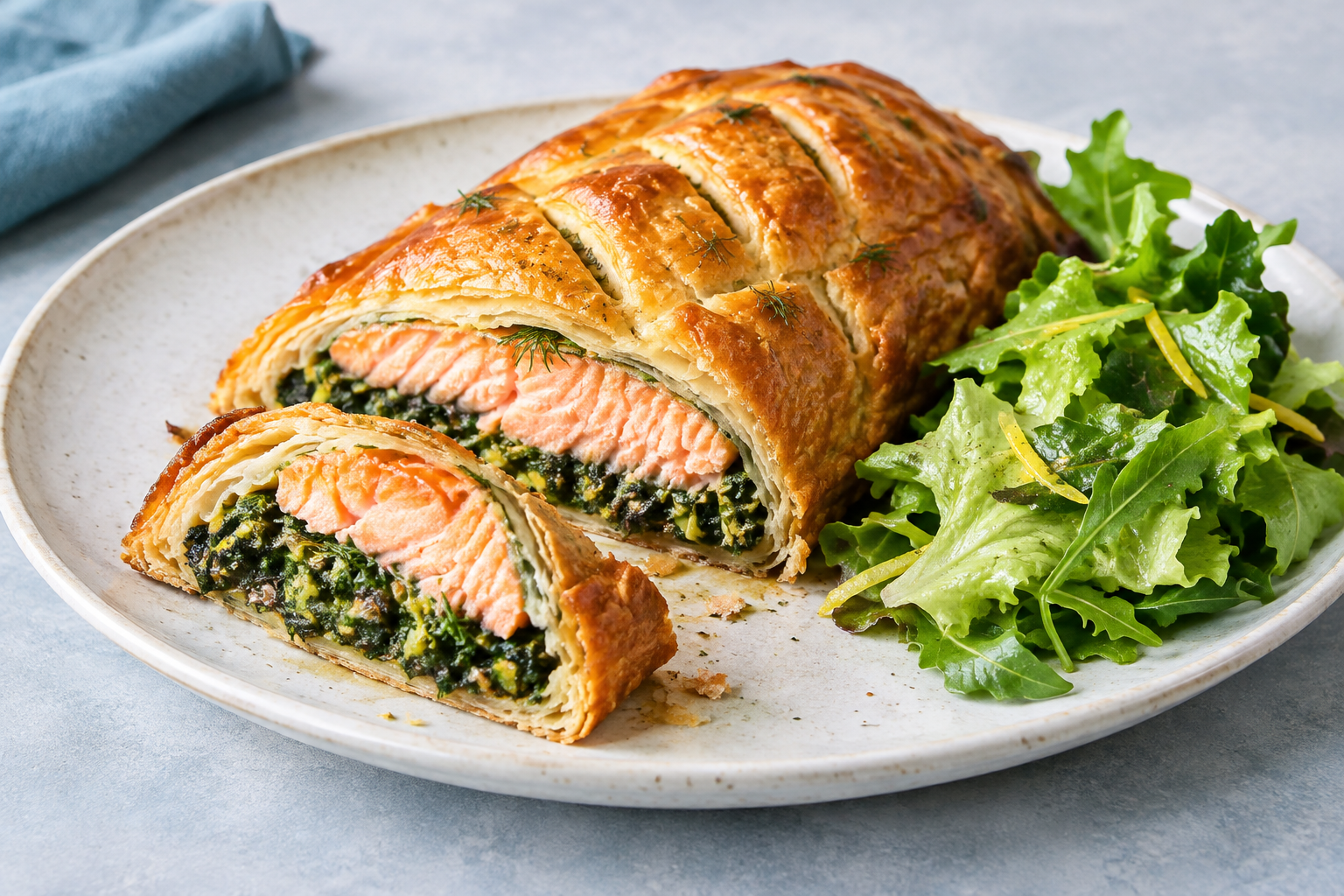
Tender salmon and herby spinach wrapped in golden puff pastry. The trick to a crisp bottom: make sure the spinach filling is very dry and let the fish rest briefly after baking.
Fresh spinach takes up a lot of space, but wilts quickly as soon as it’s heated. Add the leaves in batches to a large pan or wok so they can wilt without having to cram in a mountain of greens all at once. For recipes with a filling, such as cannelloni, strangolapreti or filo pastries with feta, draining the spinach well is especially important. Let it cool, then squeeze it firmly: any moisture left behind will make fillings watery and can soften the pastry.
Blanching gives spinach a different texture from frying. A brief dip in boiling water works well for Japanese horenso no goma-ae and Korean sigeumchi namul: the leaves wilt evenly and stay tender. Rinse them with cold water after blanching and squeeze out the moisture before adding the dressing. For a stir-fry, such as Indonesian spinach with tauco and tofu, quick cooking over high heat is the way to go. The spinach will hold its shape better and soak up the salty, savoury sauce.
Spinach is mild and pairs well with bold flavourings. In goma-ae, toasted sesame makes a nutty dressing with a little texture; Korean namul gets its flavour from garlic, soy sauce and sesame oil. Spinach bibimbap builds on that with rice, assorted vegetable toppings, egg and a gochujang-based sauce. Keep the components separate in the bowl at first, so you can mix them at the table and add as much sauce as you like.
Spinach also takes on a very different role in dishes from Indonesia and Malaysia. Pecel bayam combines blanched spinach and bean sprouts with a peanut sauce featuring tamarind, chilli and kencur. Bayam masak lemak lets the leaves wilt briefly in mild coconut milk with turmeric and lemongrass. These are distinct flavour profiles, not interchangeable sauces. If kencur is hard to find, it’s better to leave it out than to simply use the same amount of another spice.
For a one-bowl meal, try lemon orzo with crispy chickpeas, japchae with mushrooms and spinach, or Vietnamese canh with pork meatballs. The first is creamy and fresh, japchae has springy glass noodles with fried vegetables, and canh is a clear soup served with rice. A squeeze of lemon brightens up a creamy dish; with dishes made with fish sauce or tauco, you may not need extra salt before tasting.
In the mood for something more substantial and baked? Cannelloni with ricotta and spinach needs a juicy filling, while filo pastries with feta are all about thin, crispy layers. Spinach with butter beans has a different balance: soft beans, lemon and chilli oil paired with toasted breadcrumbs. Serve dishes like these straight away when crispy elements need to keep their texture. For a full meal, you can serve a simple salad or cooked rice alongside; add these only if they suit the dish.