From a quick stir-fry to a gentle stew
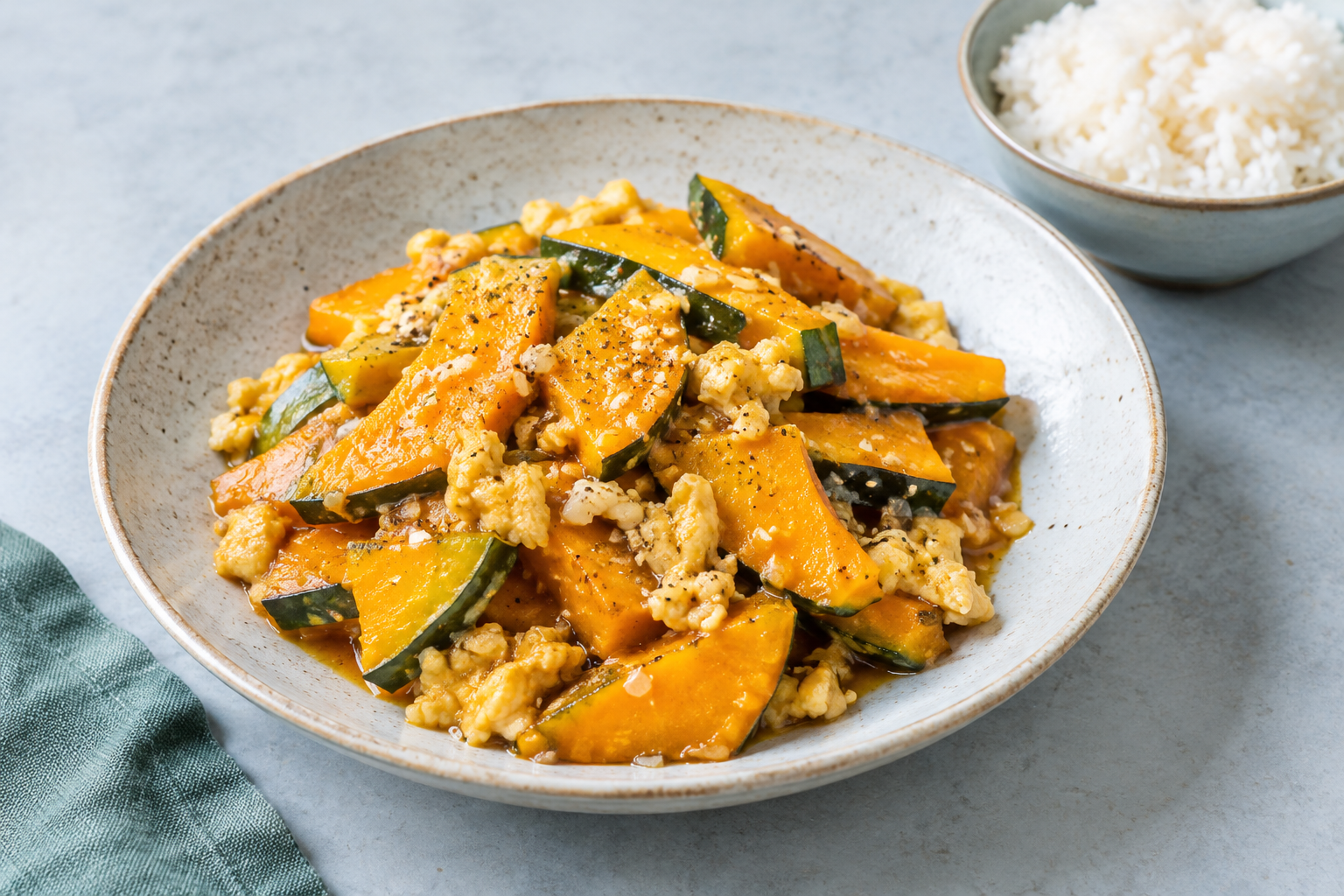
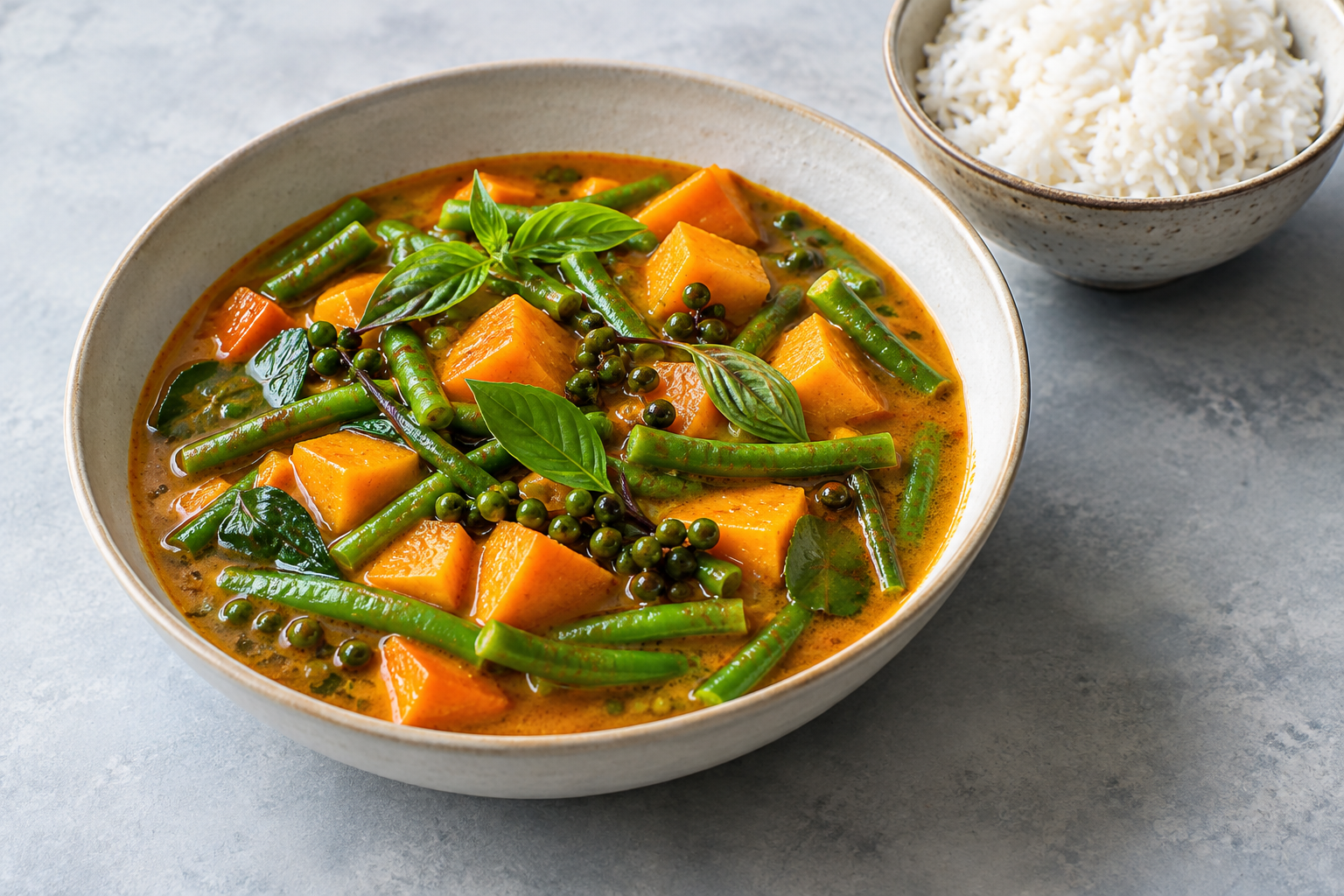
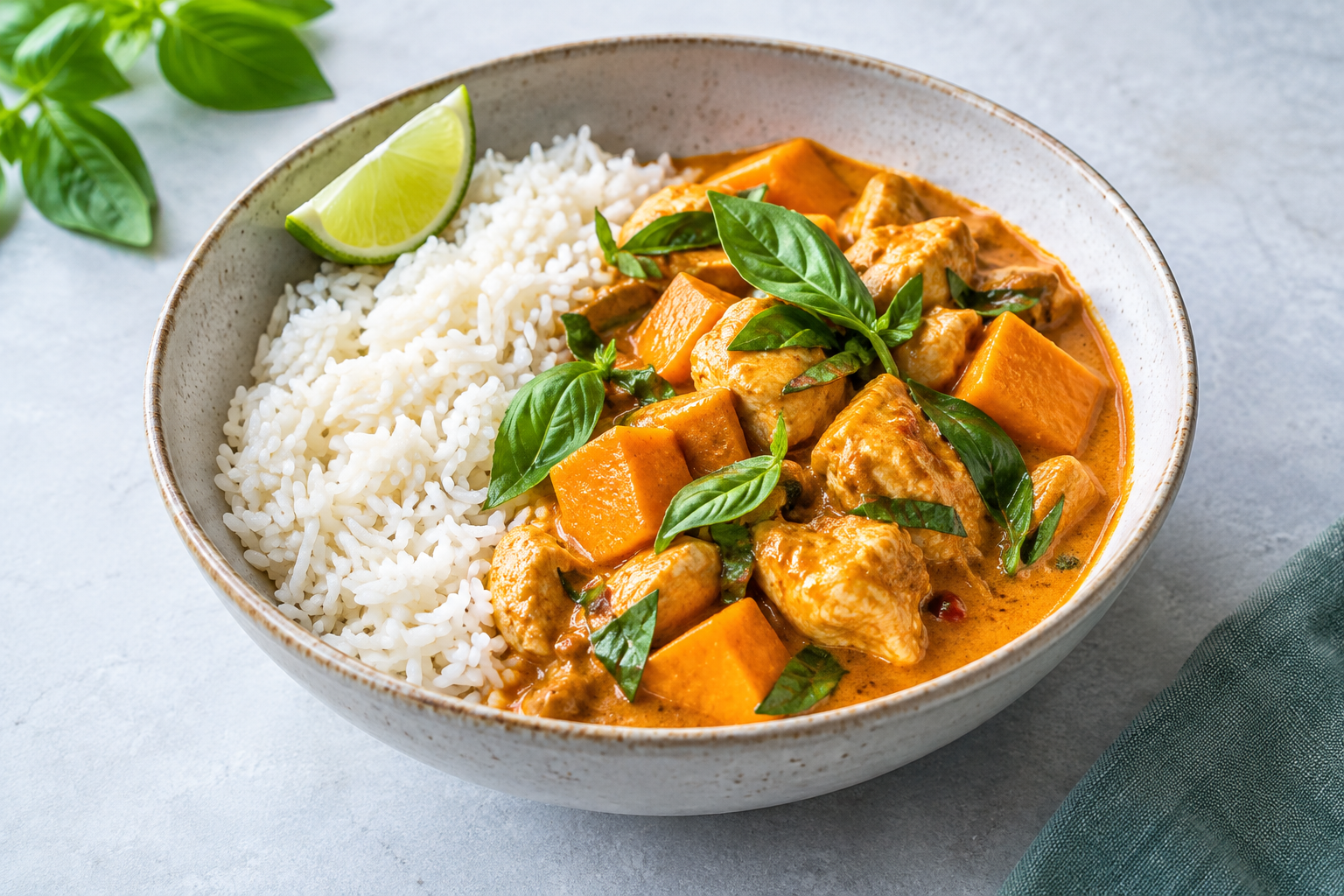
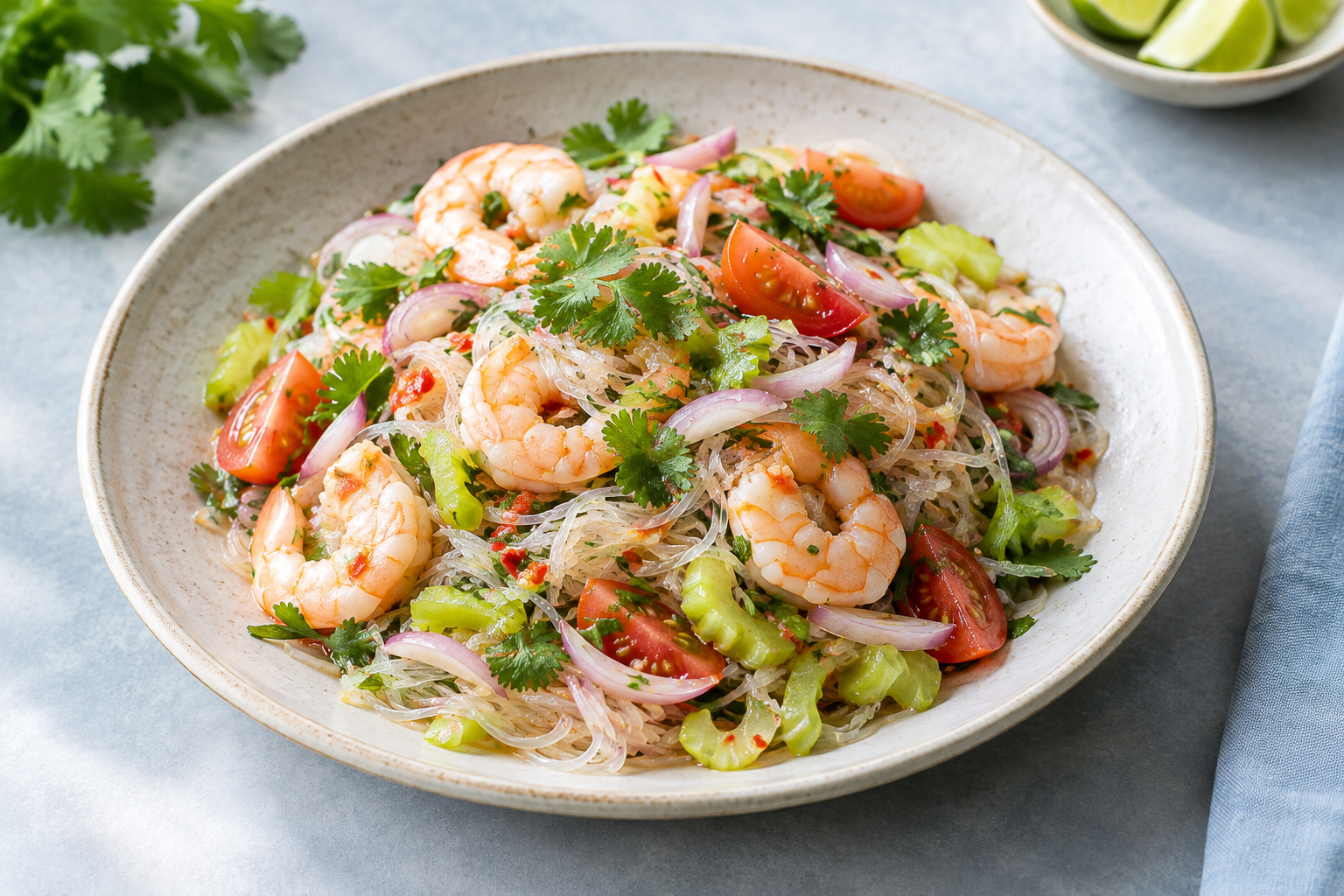
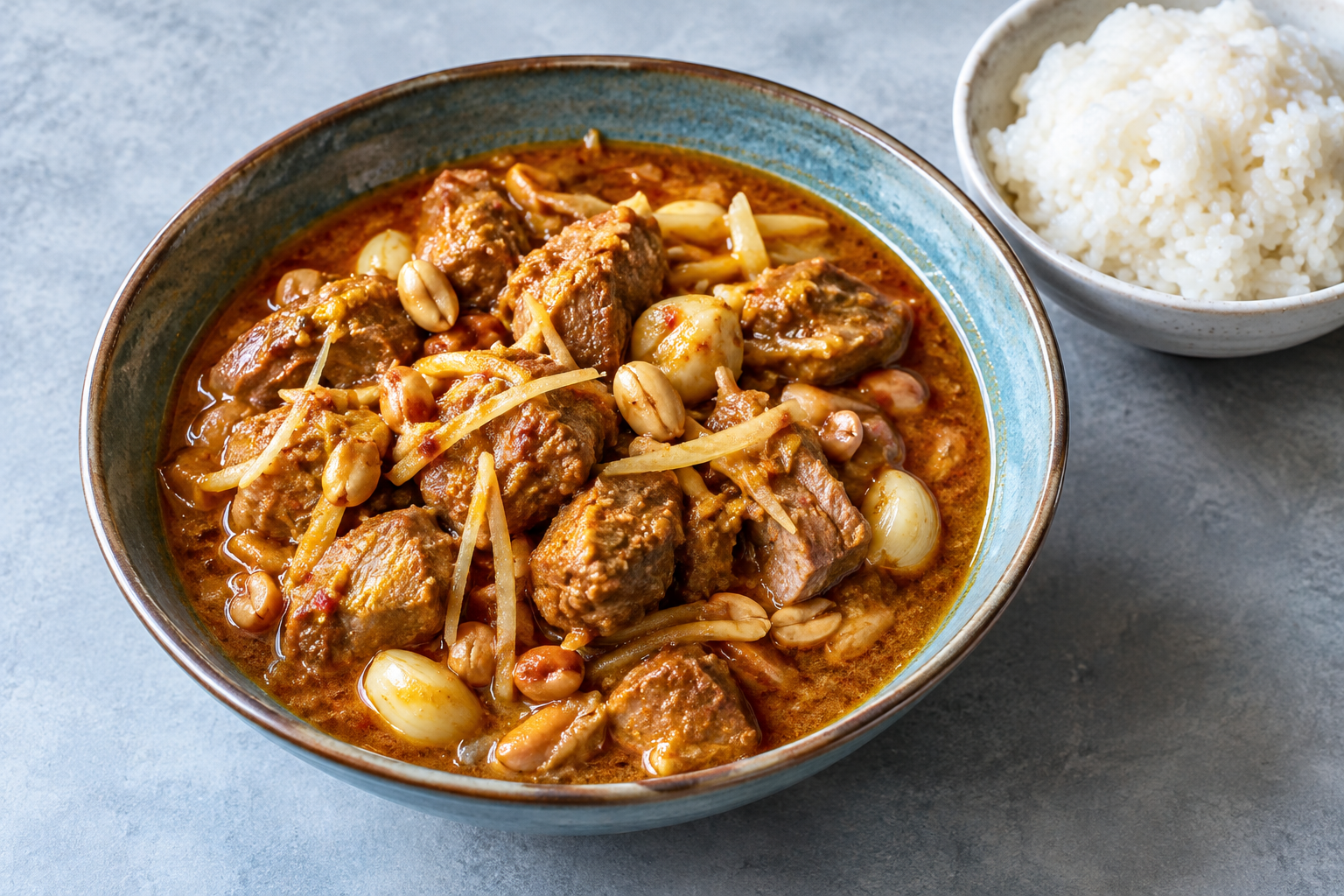
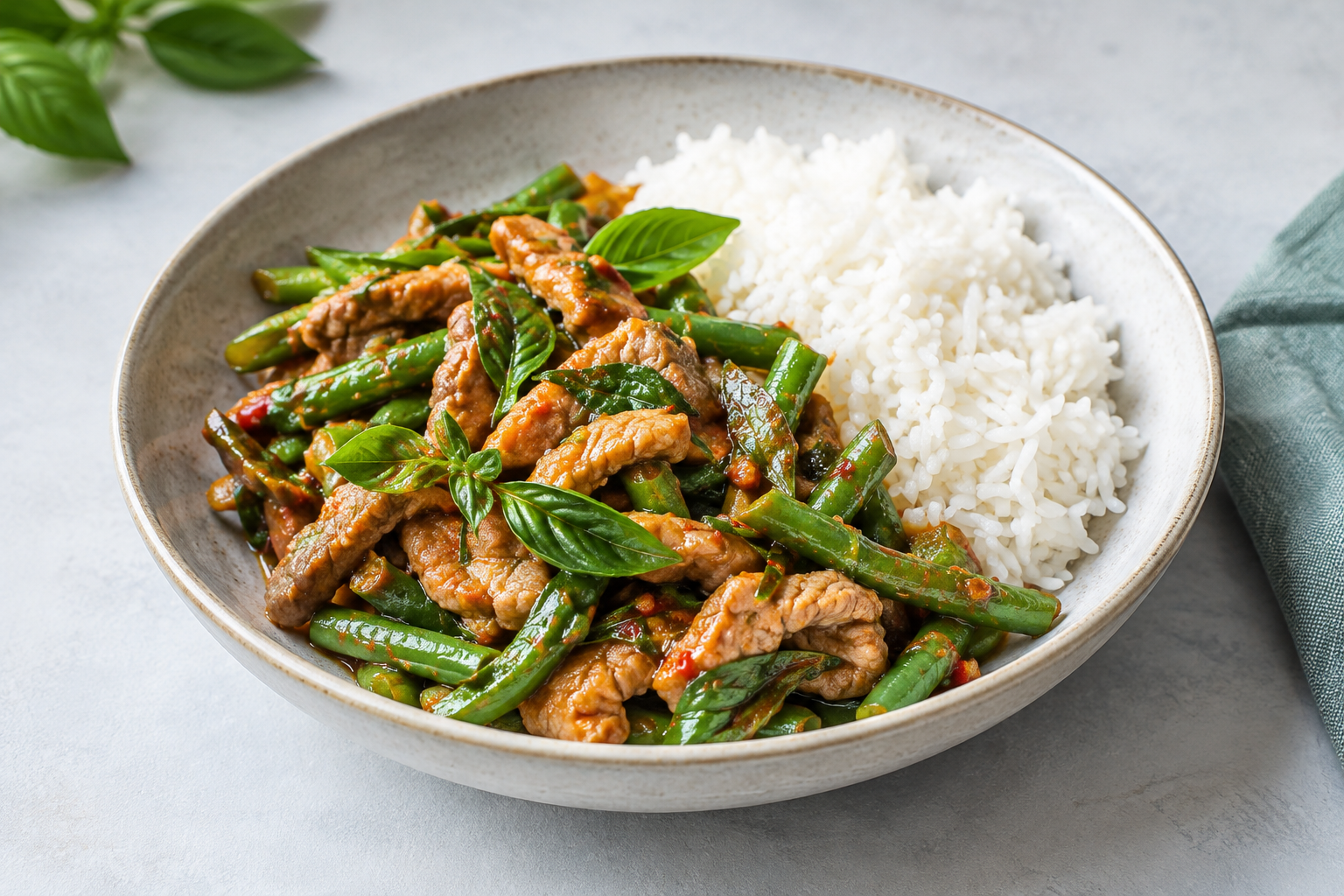
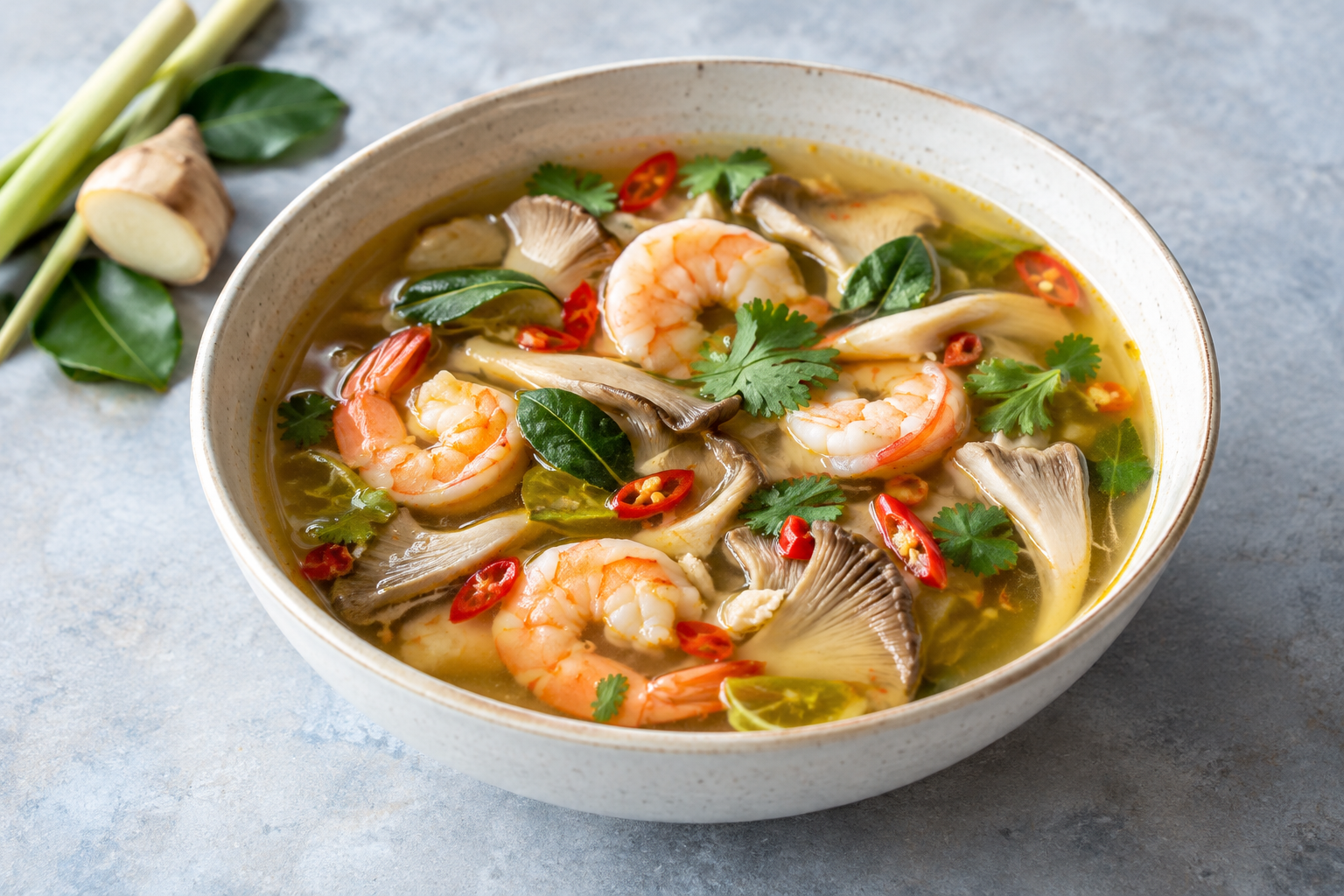
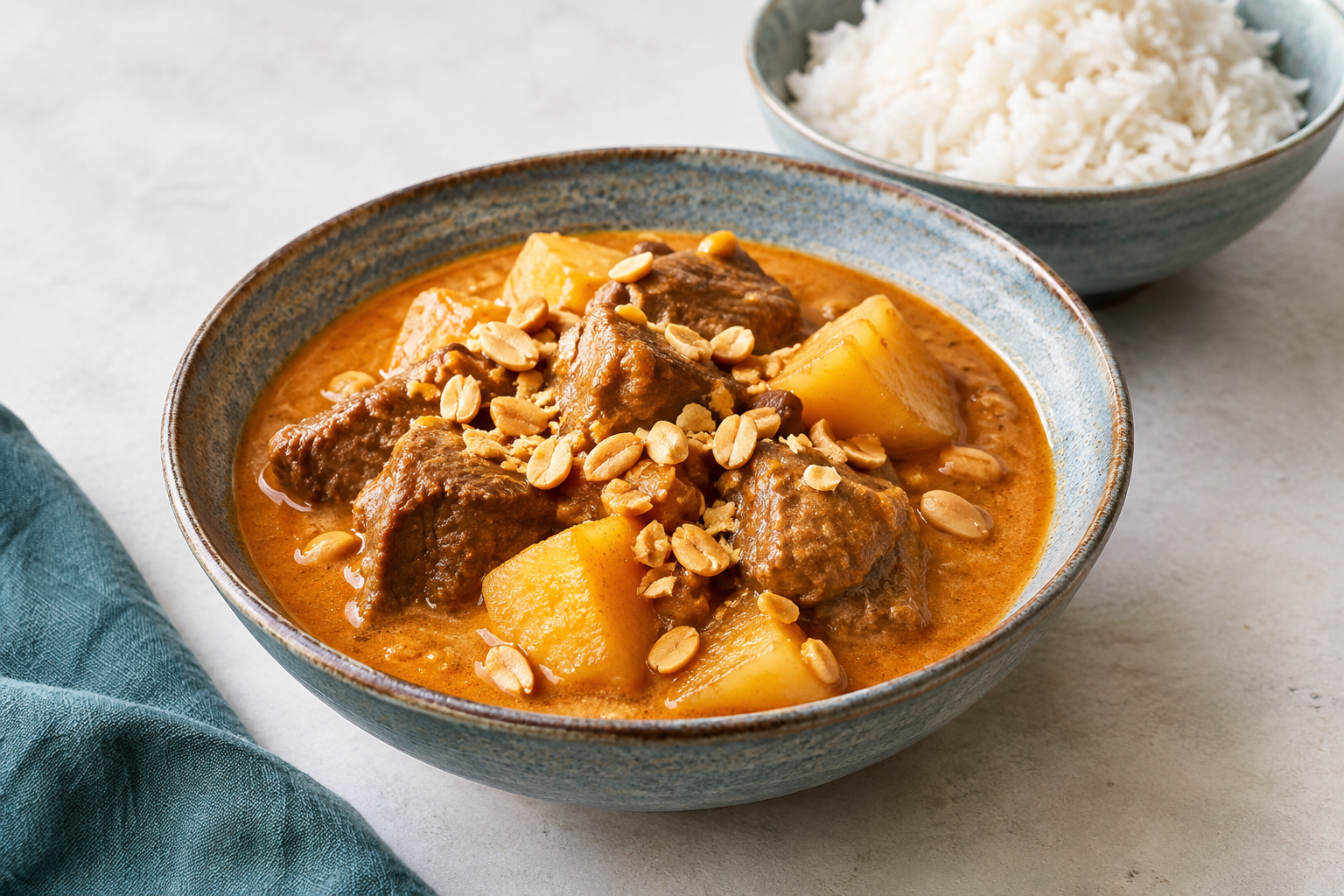
The cooking technique determines not only how long a dish takes to prepare, but also what ends up on your plate. Pad see ew is cooked over high heat: the wide rice noodles make contact with the hot wok, developing dark, lightly caramelized spots here and there. For pad thai, it helps to cook in batches so the noodles and shrimp don’t steam in an overcrowded pan. Massaman curry and gaeng hung lay, on the other hand, need a gentle simmer; this tenderizes the beef or pork while the sauce thickens. For a fresher, quicker meal, yam woon sen and tom yum goong are good options: add the lime juice at the very end to preserve its fresh flavor.
Regional influences, not one flavor profile
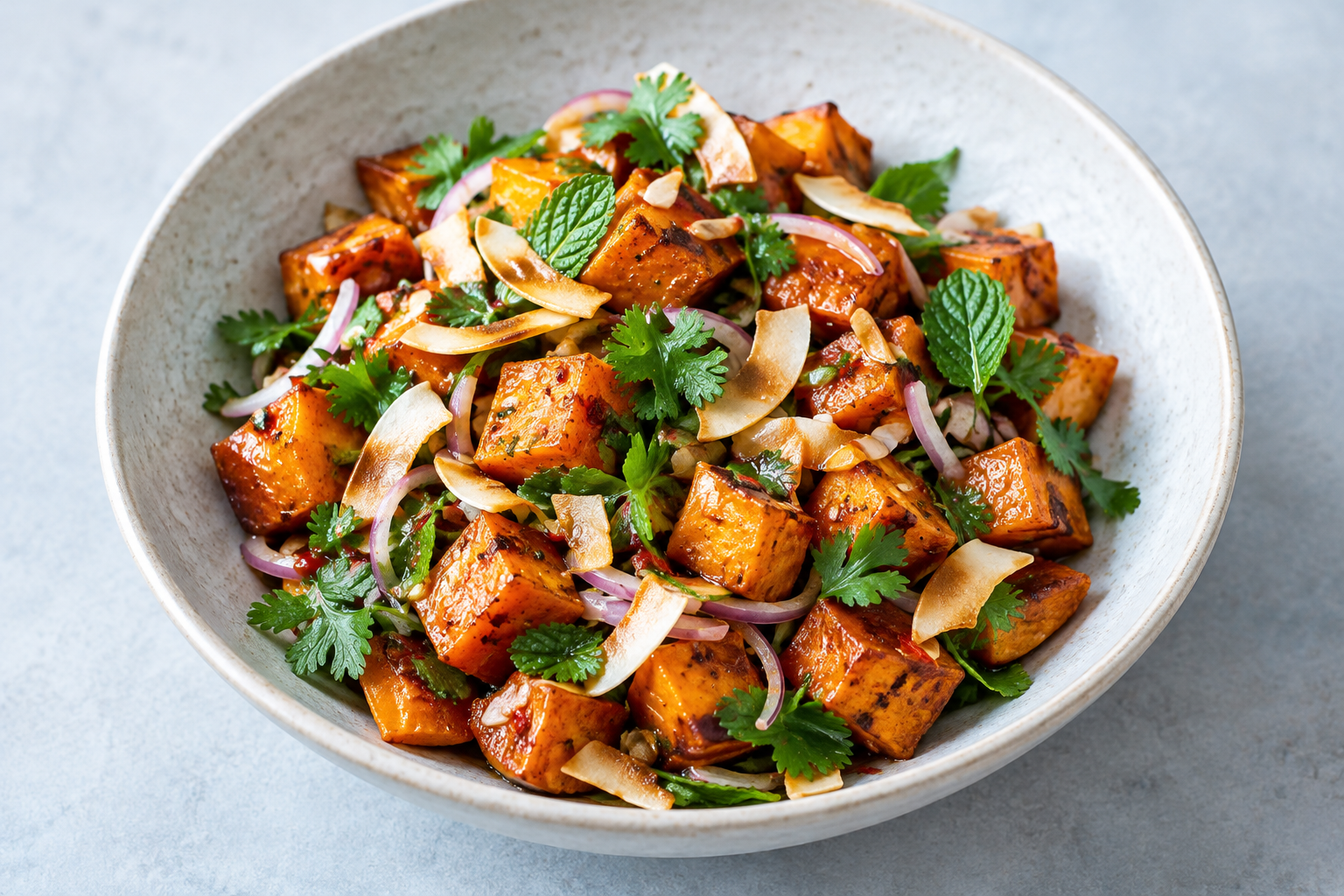
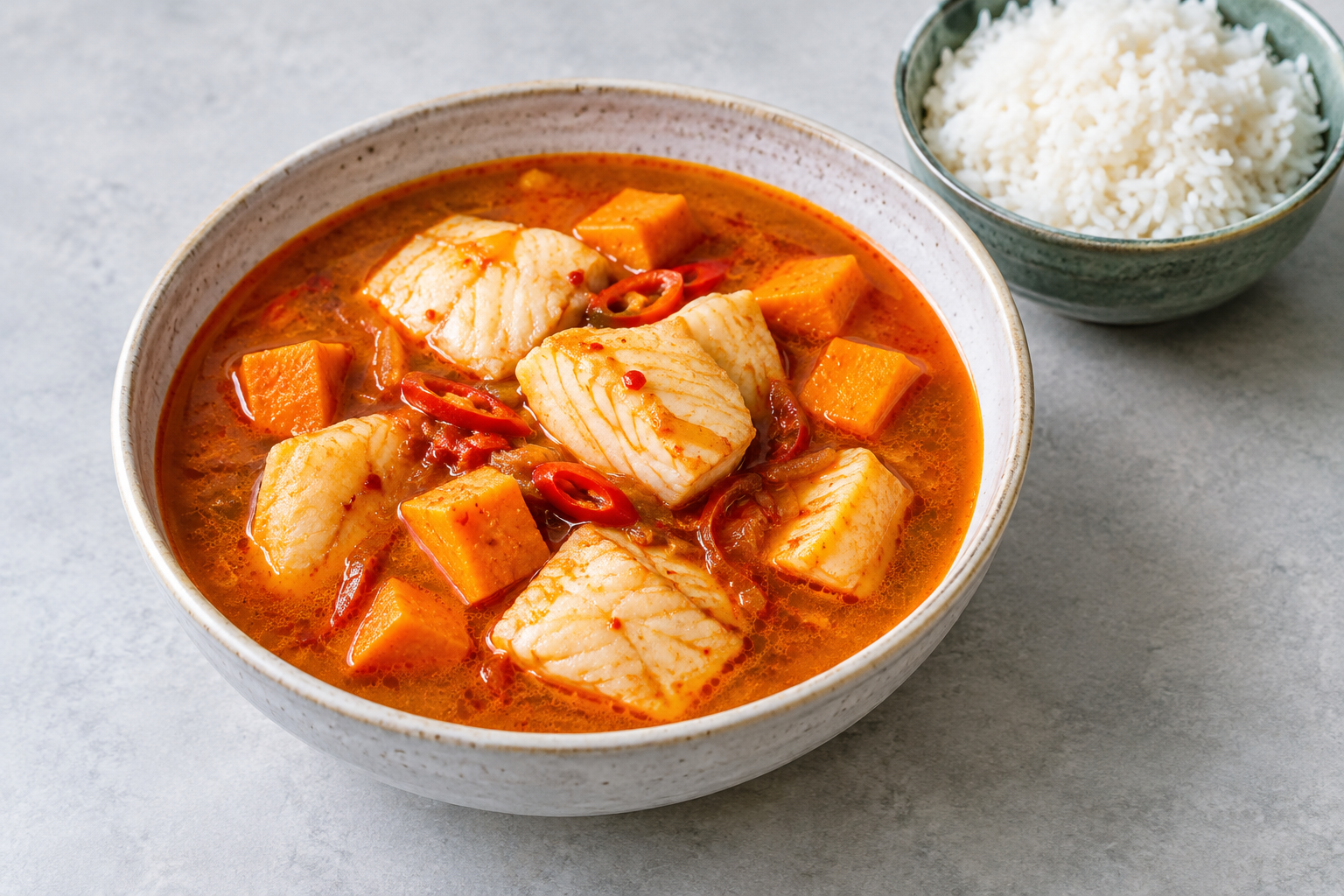
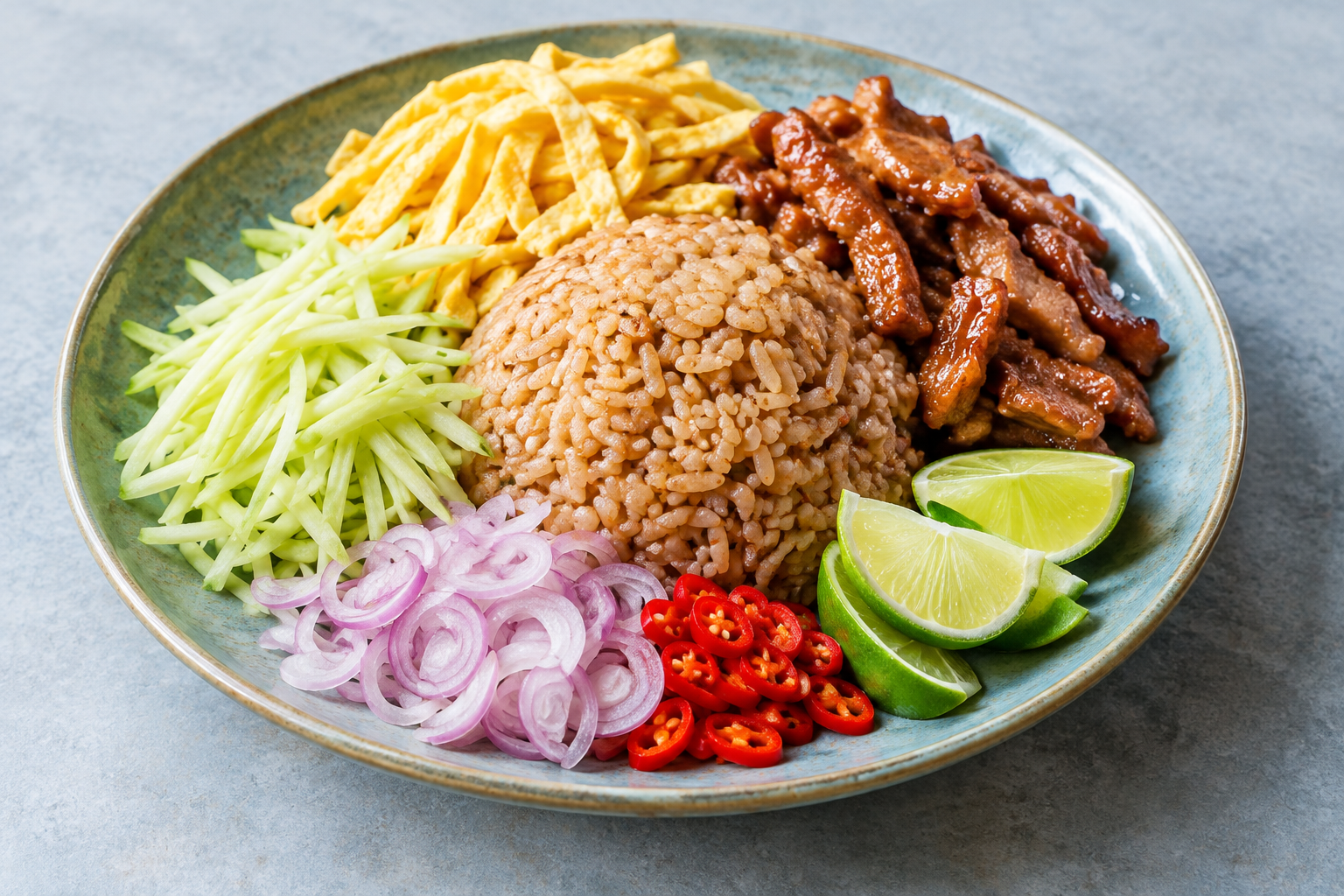
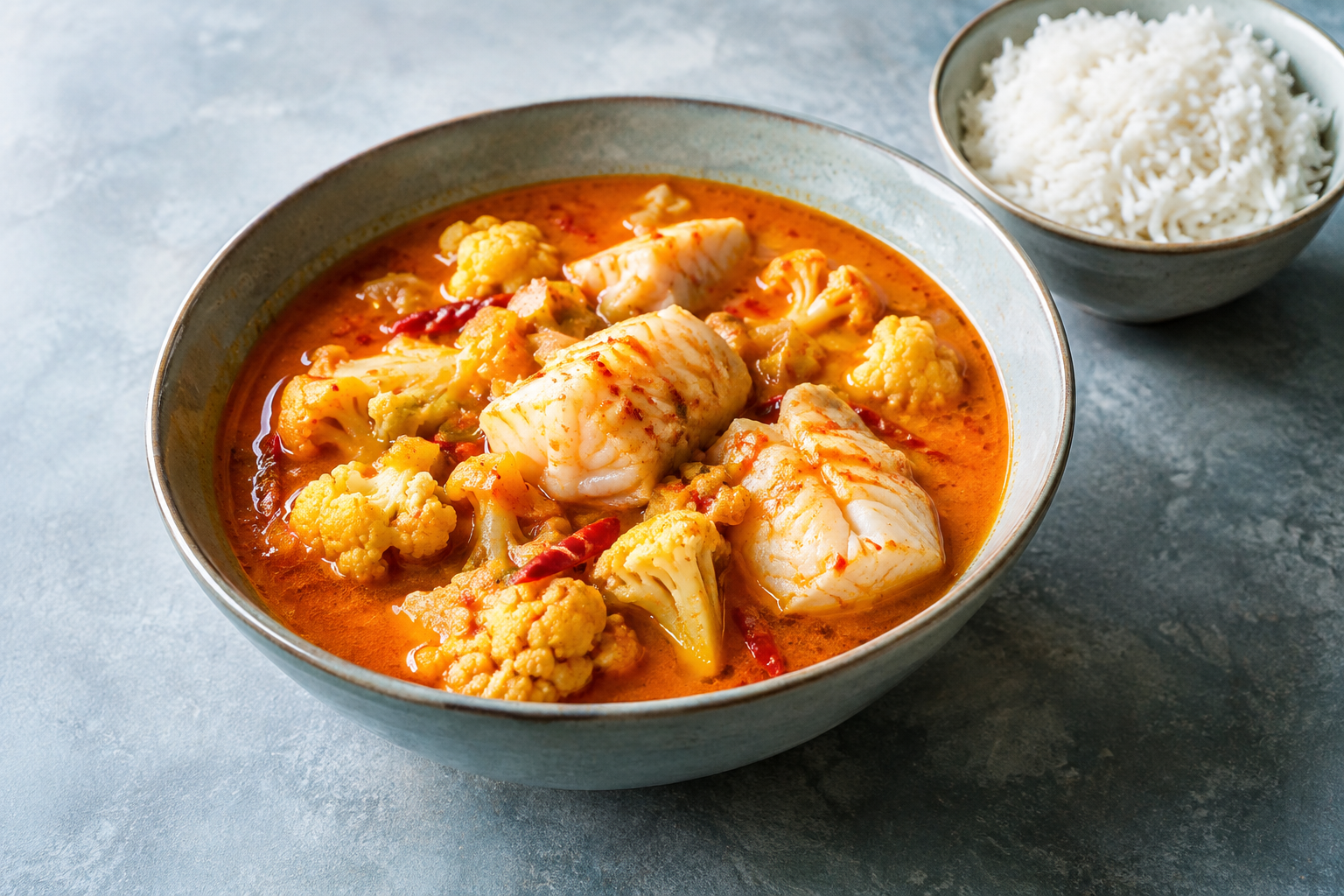
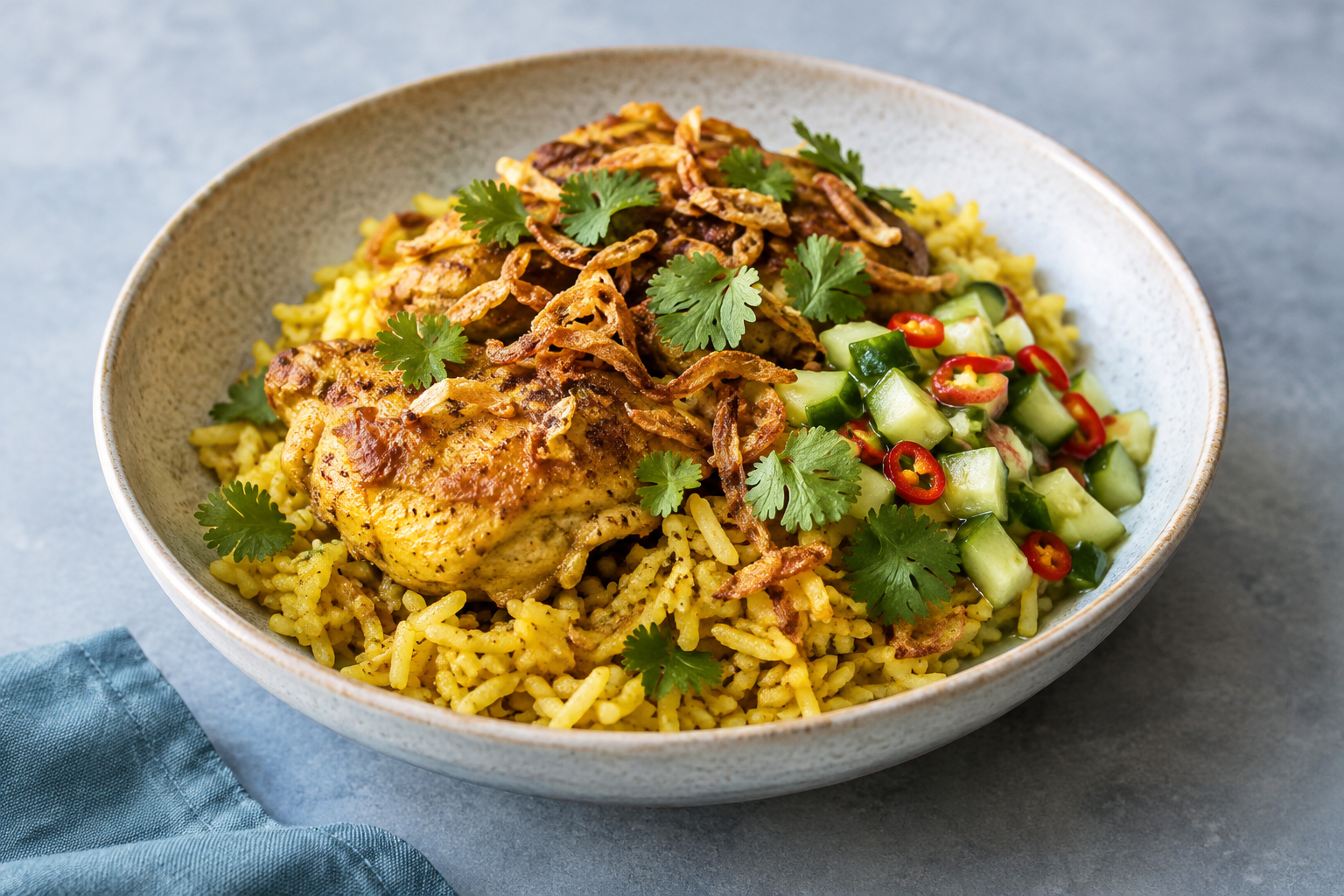
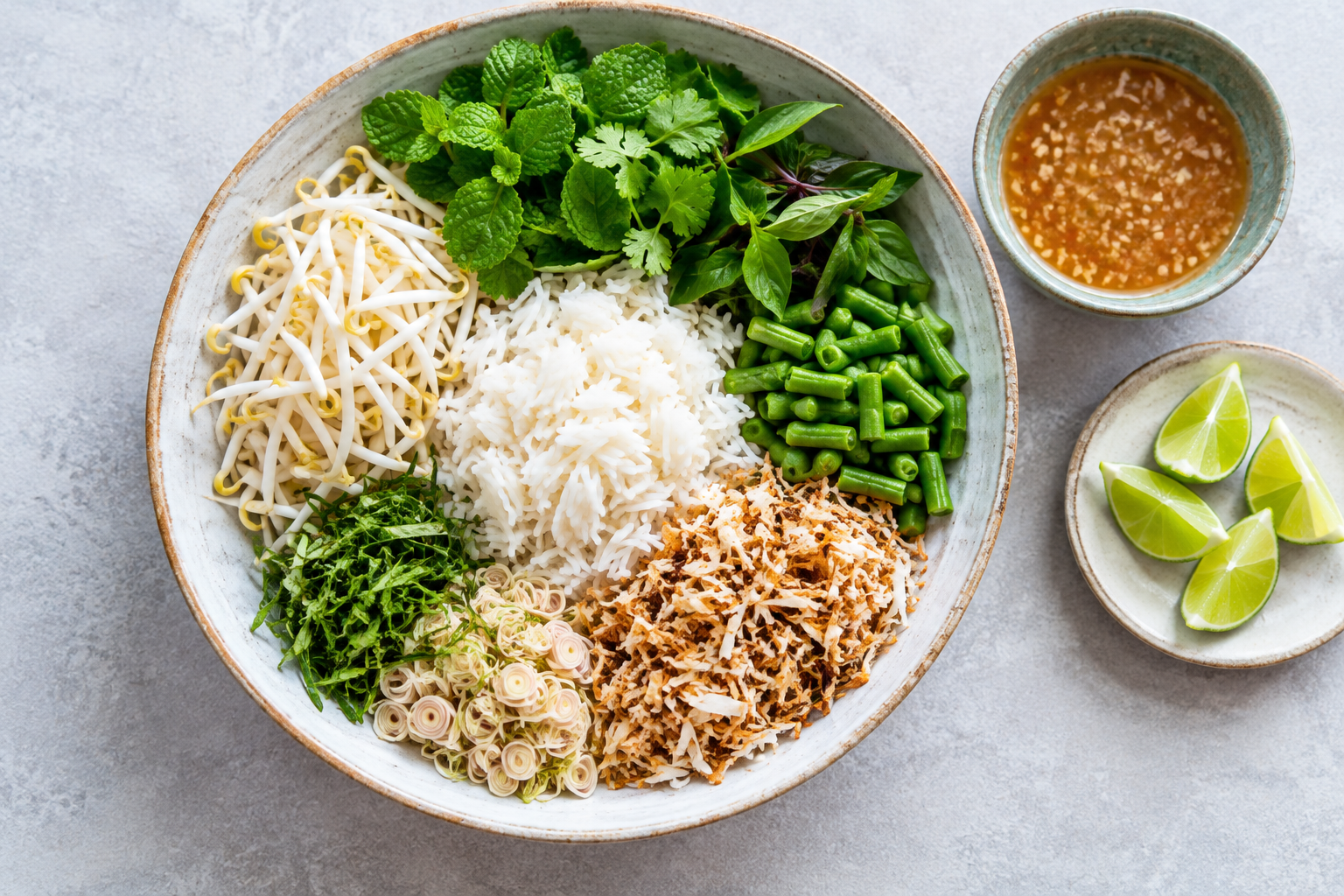
These recipes show that Thai dishes don’t all have the same balance of flavors or ingredients. Northern Thai gaeng hung lay combines pork with ginger, tamarind and spices; it’s slowly simmered, giving it a character quite different from a quick green curry. Southern Thai gaeng som is distinctly sour and spicy, with fish and cauliflower in a broth made with chili, turmeric and tamarind. Khao yam, with herbs, coconut and fragrant rice, also has its own combination of fresh and savory elements. Think of regional labels as helpful context for a dish, not as a reason to treat one recipe as the standard for an entire cuisine.
Rice, herbs and seasoning to taste
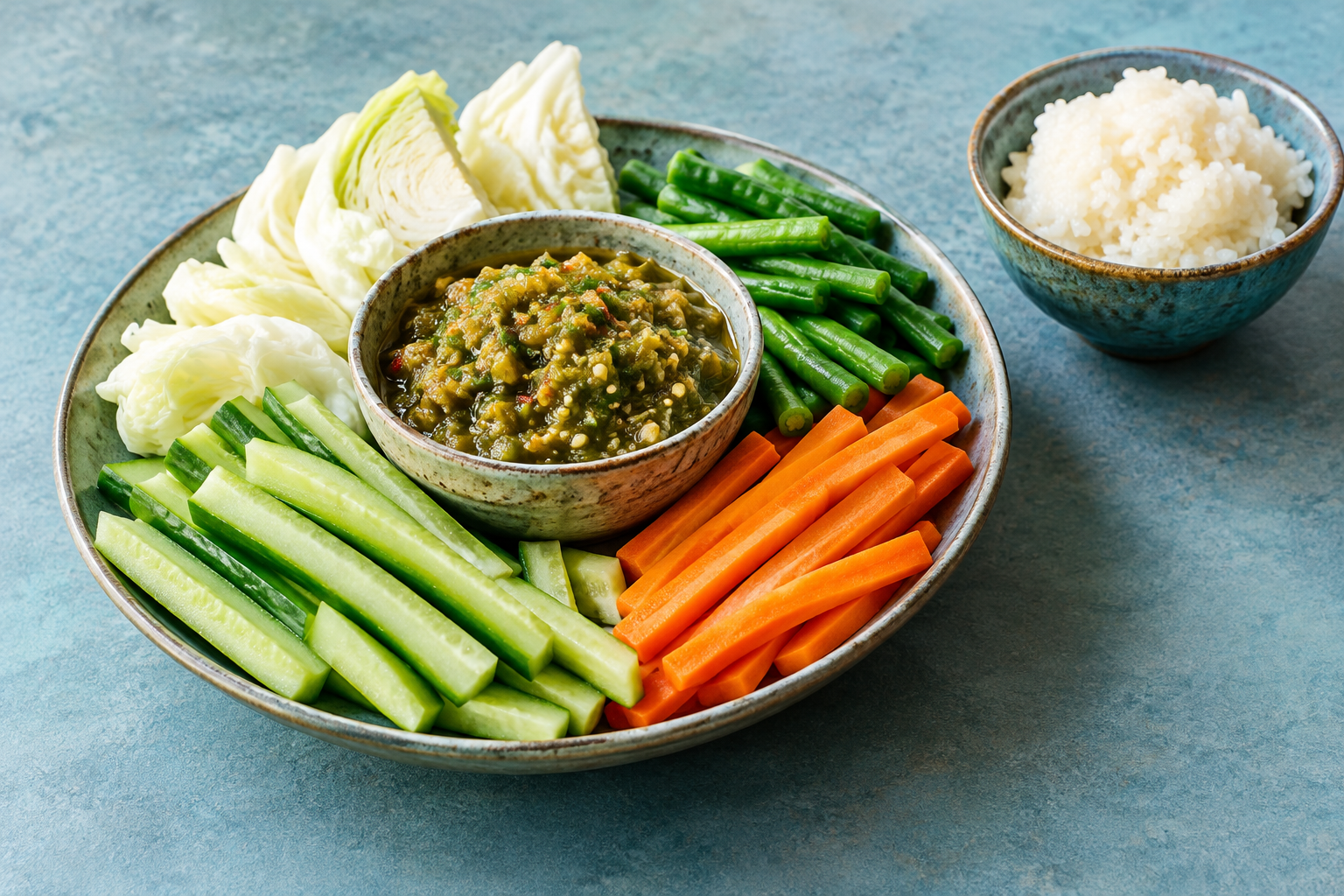
Jasmine rice is a good accompaniment to curries and stir-fries, among other dishes; sticky rice is steamed in these recipes and served with Northern Thai dips and curry. The two types of rice are not readily interchangeable: sticky rice needs to be soaked beforehand and gets its characteristic firm, cohesive texture from steaming. Galangal, lemongrass and makrut lime leaves add aromatic depth to soups and curries. They’re not the same as ginger, lemon zest or lime juice, though fresh ginger can be a practical substitute in a dish when galangal isn’t available. Add Thai basil and cilantro at the end so their aroma doesn’t cook away. Adjust the heat and acidity at the table with chili or lime, and use fish sauce sparingly: it adds both saltiness and savory depth.
 Lunch