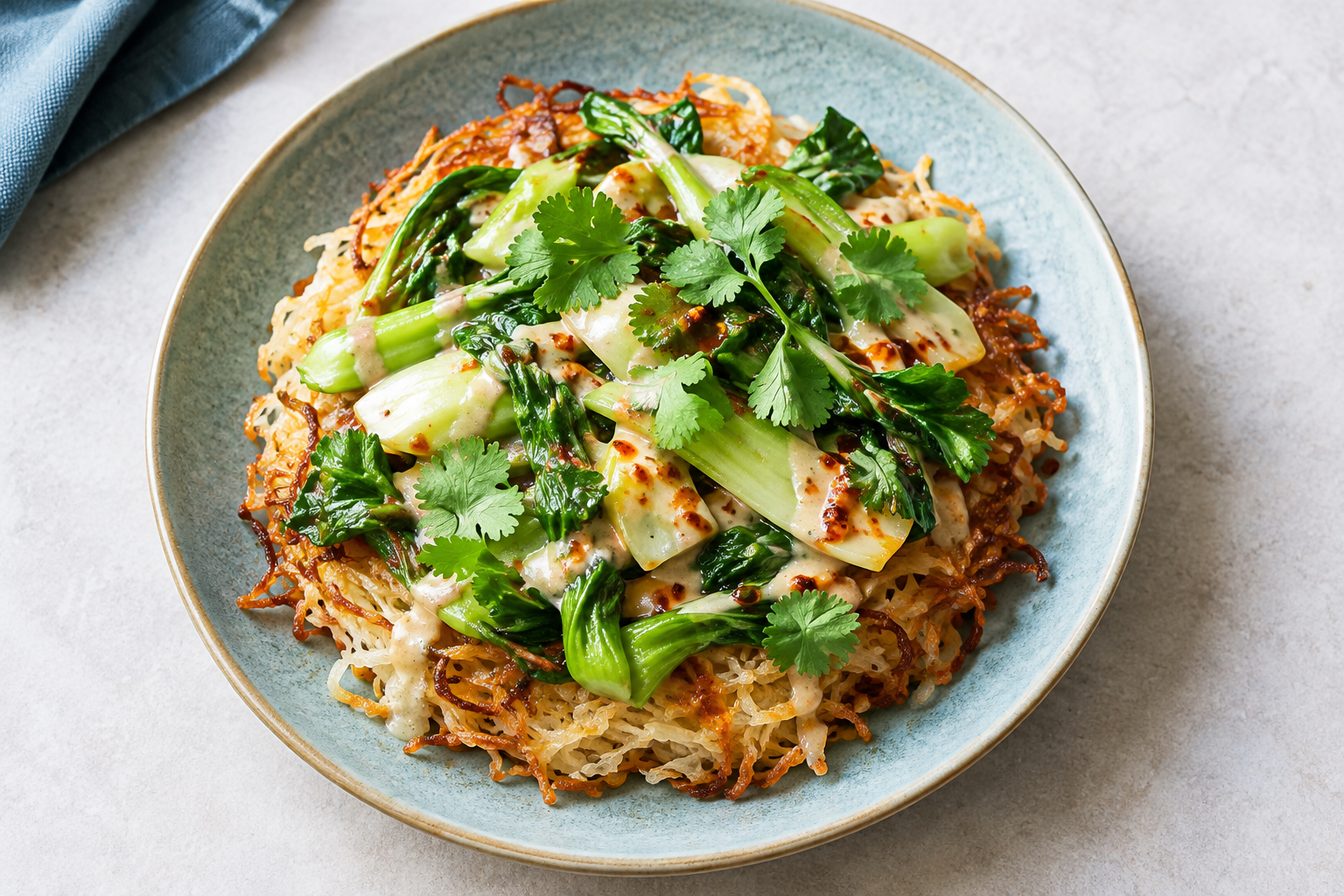
 Main course
40 minutes
Crispy rice noodles with bok choy and lime tahini
A crispy base of rice noodles, briefly stir-fried bok choy and a creamy lime sauce: fresh, savory and with just enough heat from chili oil.
From a bowl of phở with fragrant broth to noodles darkened in the wok, here you’ll find different ways to cook with noodles. Choose a quick meal with vegetables and a fresh dressing, or take your time making a soup with rich flavors. With tips on noodle types, sauces and preparation, it’s easier to choose a recipe that suits your evening.
28 recipesBrowse the recipesMain courseA crispy base of rice noodles, briefly stir-fried bok choy and a creamy lime sauce: fresh, savory and with just enough heat from chili oil.
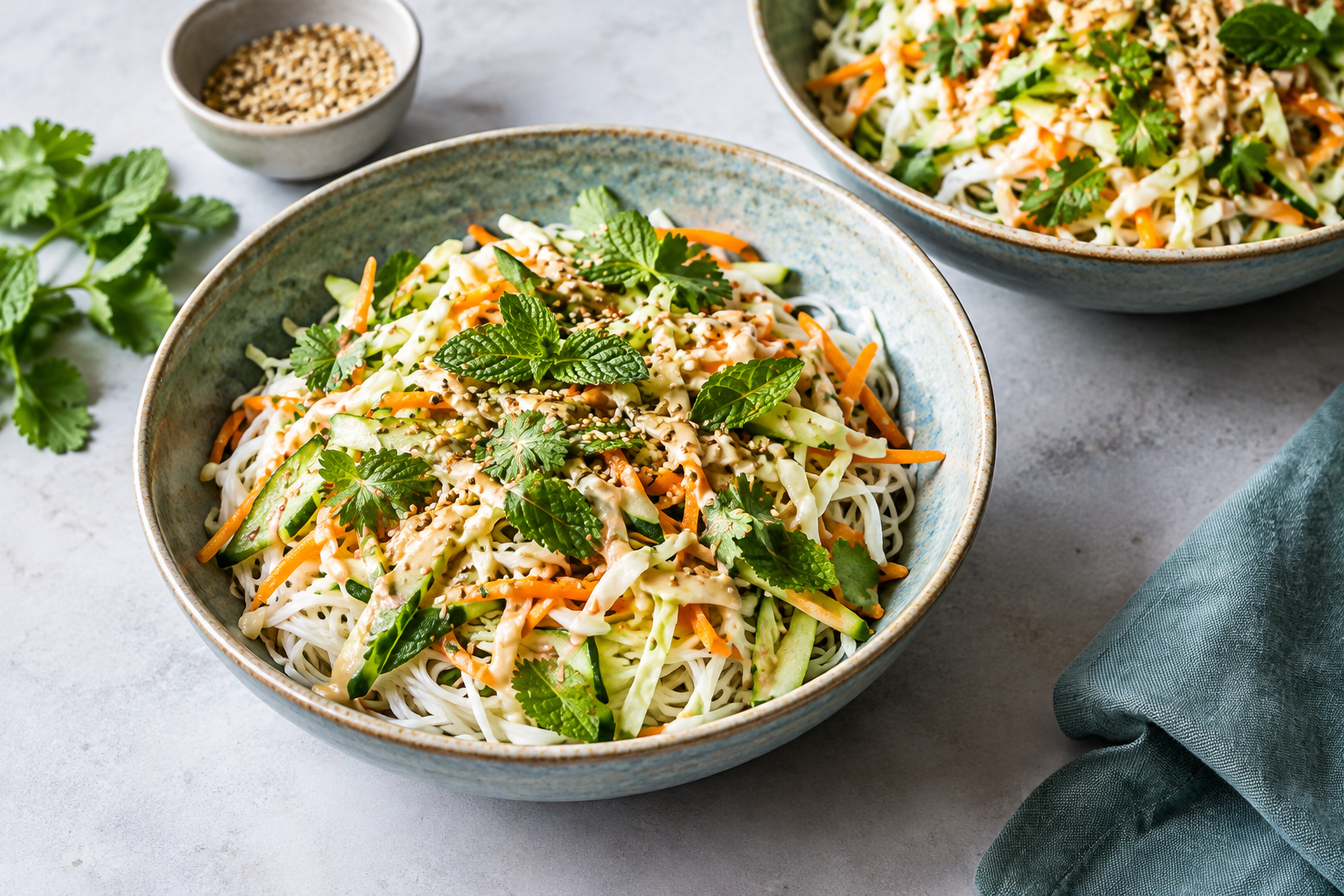 Main course
Soft rice noodles and crunchy white cabbage, cucumber and carrot come together with a creamy, fresh dressing of tahini, lime and ginger. Coriander, mint and sesame make it fragrant and nutty, with chili oil for a little warming kick.
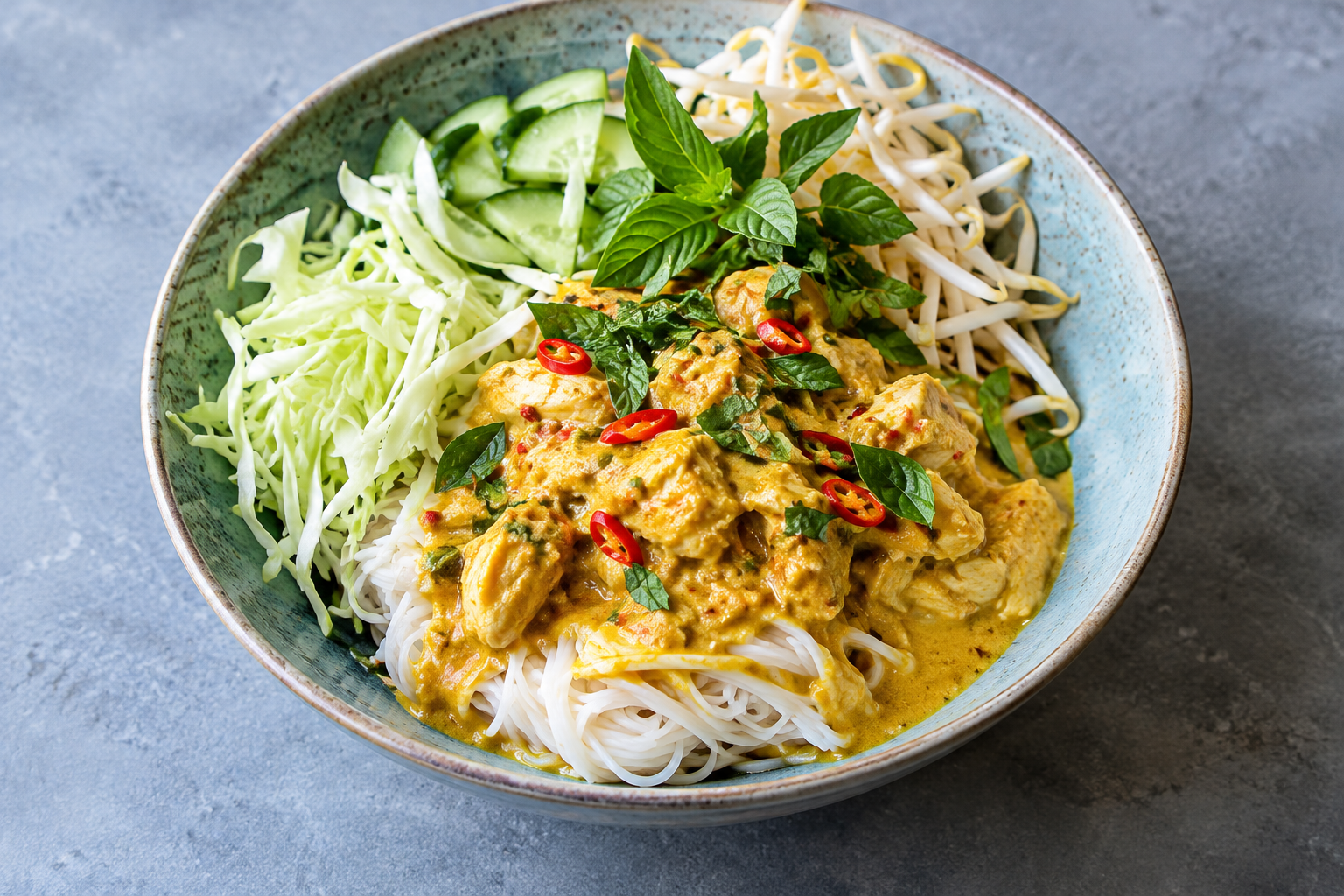 Lunch
Soft rice noodles, a creamy but spicy fish curry, and a generous handful of crunchy vegetables: with kanom jeen nam ya, every bite strikes a different balance. Set the toppings out separately so everyone can mix and match.
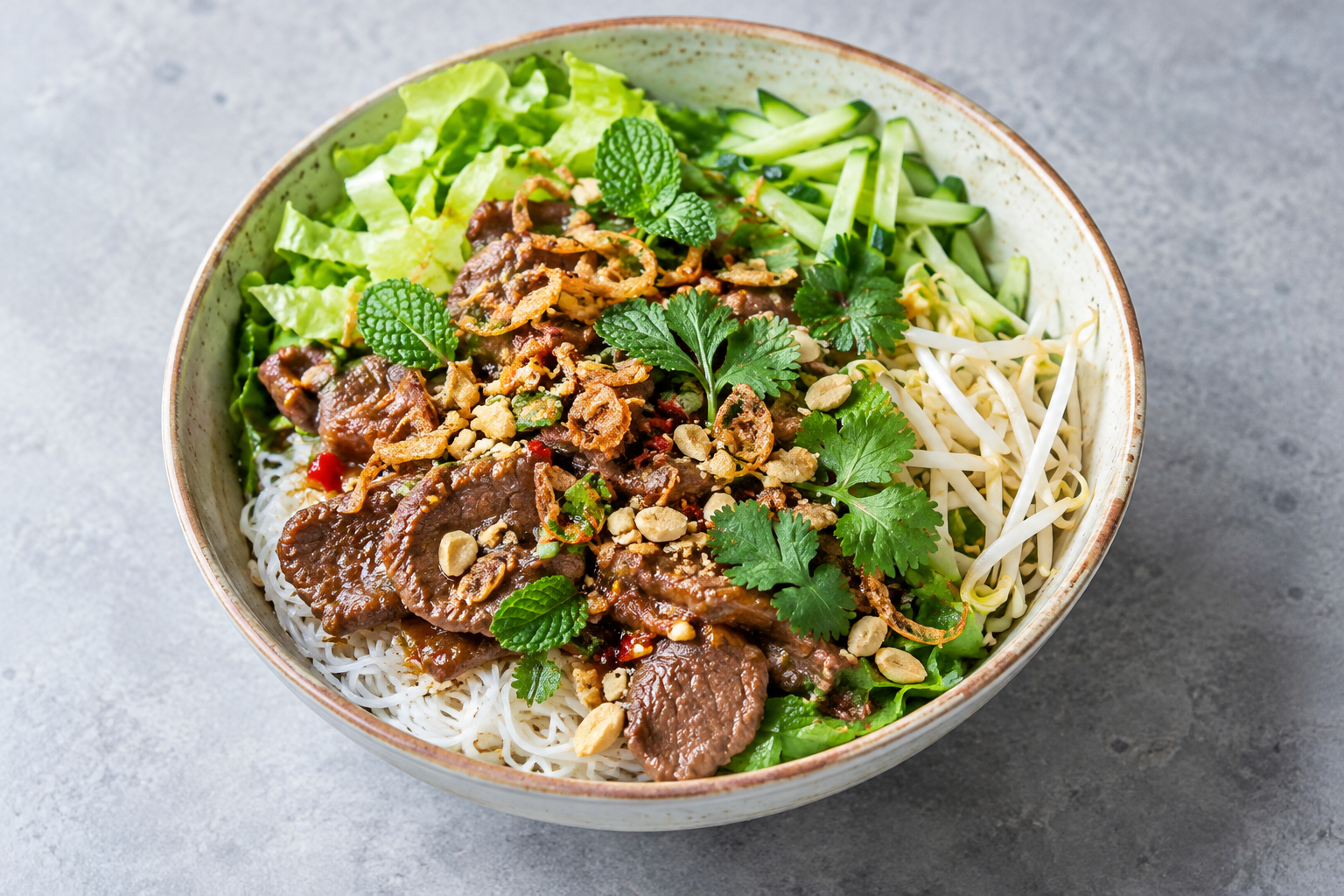 Main course
Warm rice vermicelli, quickly seared beef and fresh herbs come together with cucumber, lettuce, peanuts and crispy shallots. A light, sweet-and-sour nước chấm brings everything together without turning it into a soup.
 Main course
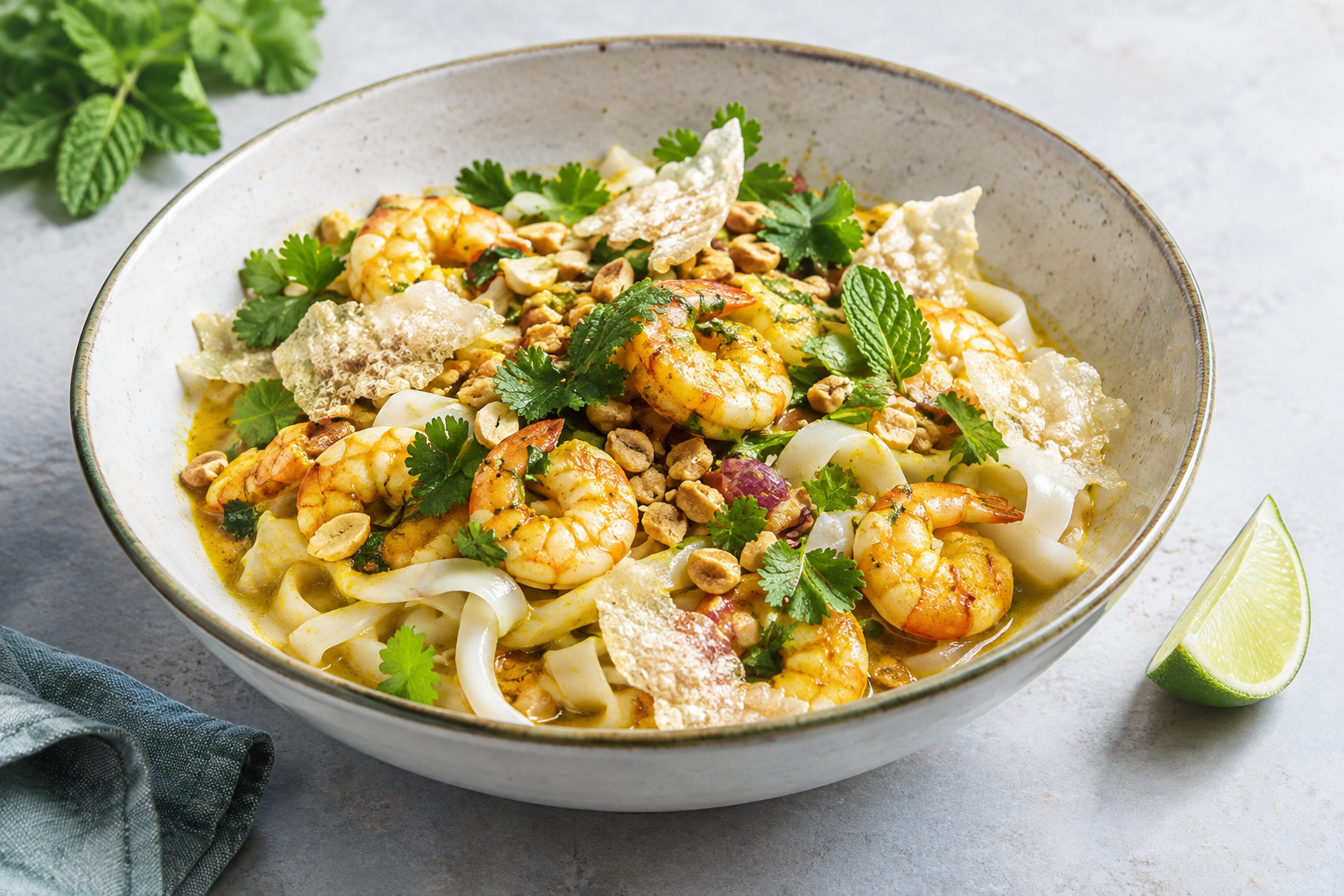
Wide rice noodles, golden shrimp and a small amount of fragrant broth: mì Quảng is meant to be eaten with its toppings and noodles, not served as a full bowl of soup. Peanuts, fresh herbs and crispy rice paper finish the dish.
 Dessert
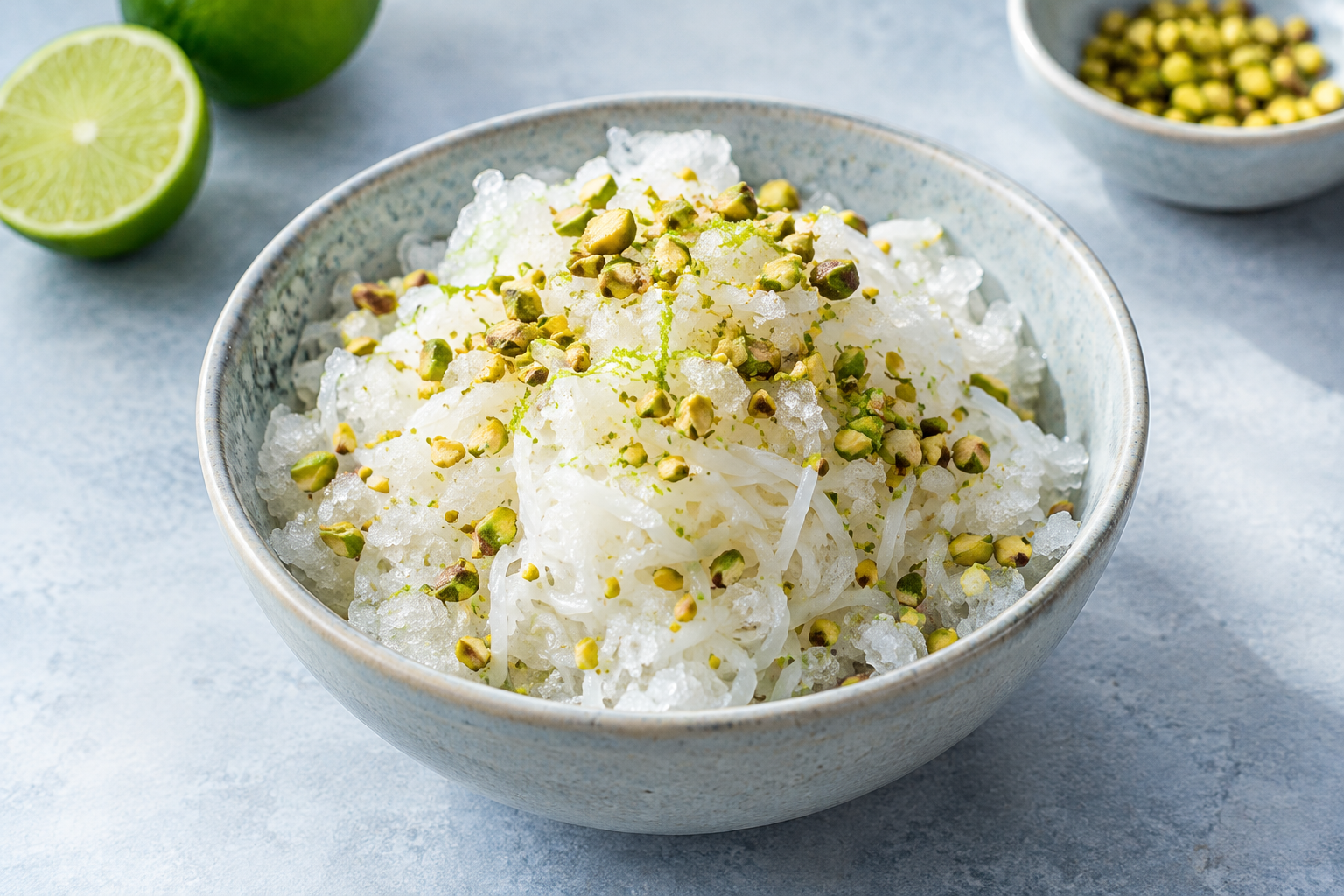
This icy Persian faloodeh combines fine rice noodles with a floral rosewater syrup. Lime juice adds a bright tang, while pistachio brings a gentle crunch.
 Main course
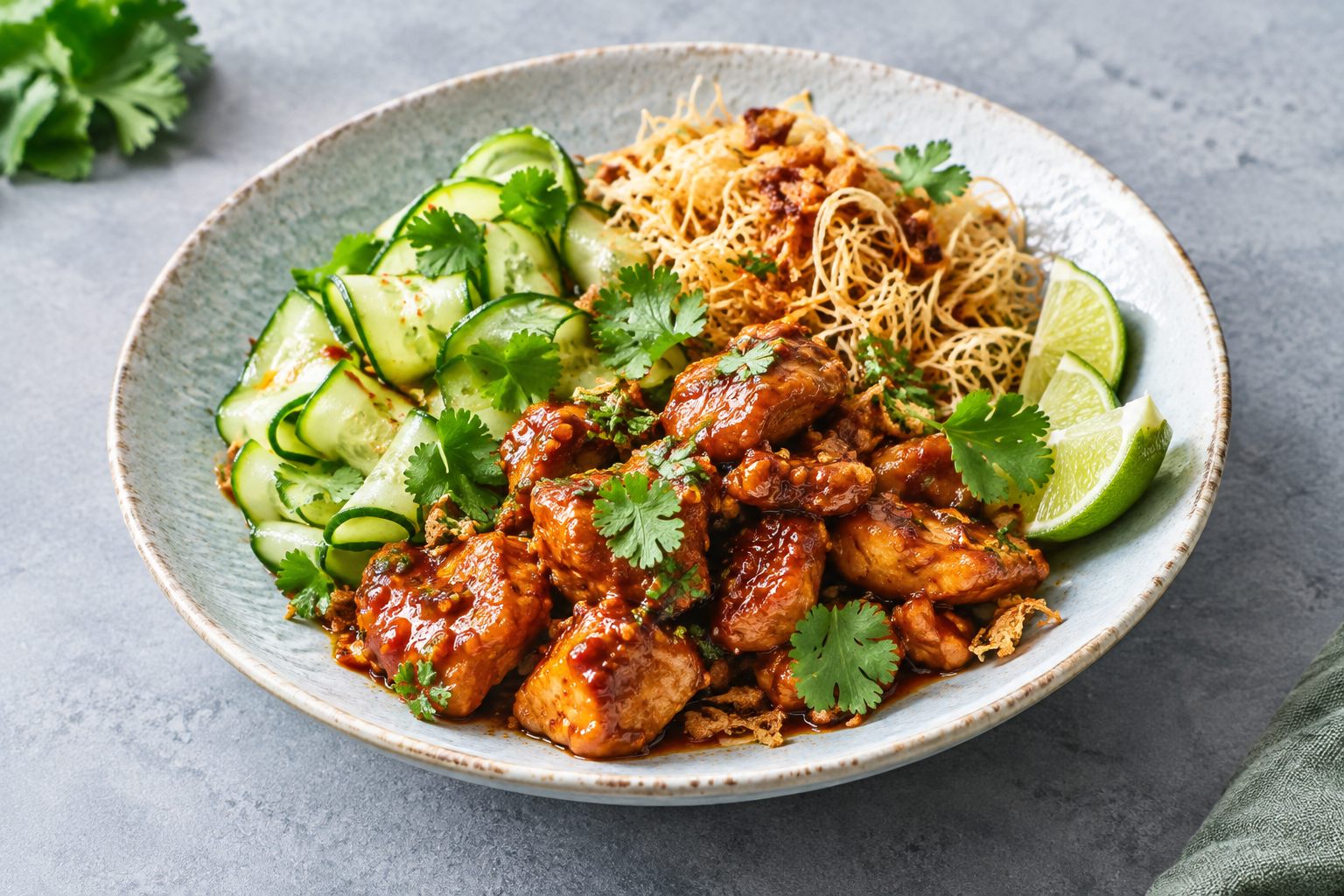
Golden-brown chicken thighs are coated in a glossy sauce of chili crisp, gochujang and miso. Crispy rice noodles, cool cucumber and lime bring heat, crunch and freshness to one plate.
 Main course
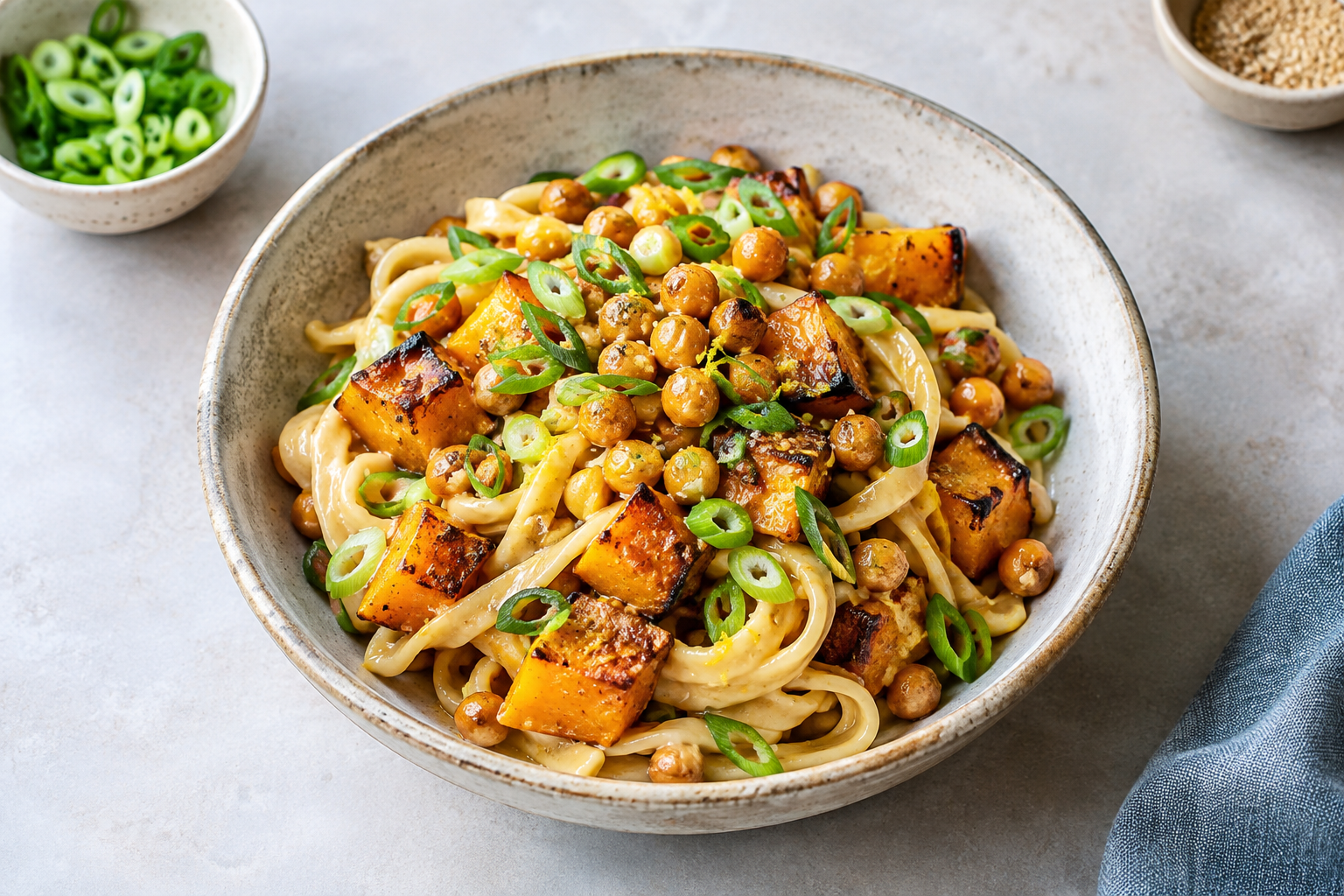
Wide wheat noodles with soft, caramelized pumpkin and chickpeas for a little crunch. A bright miso sauce with ginger, sesame oil and lemon brings everything together.
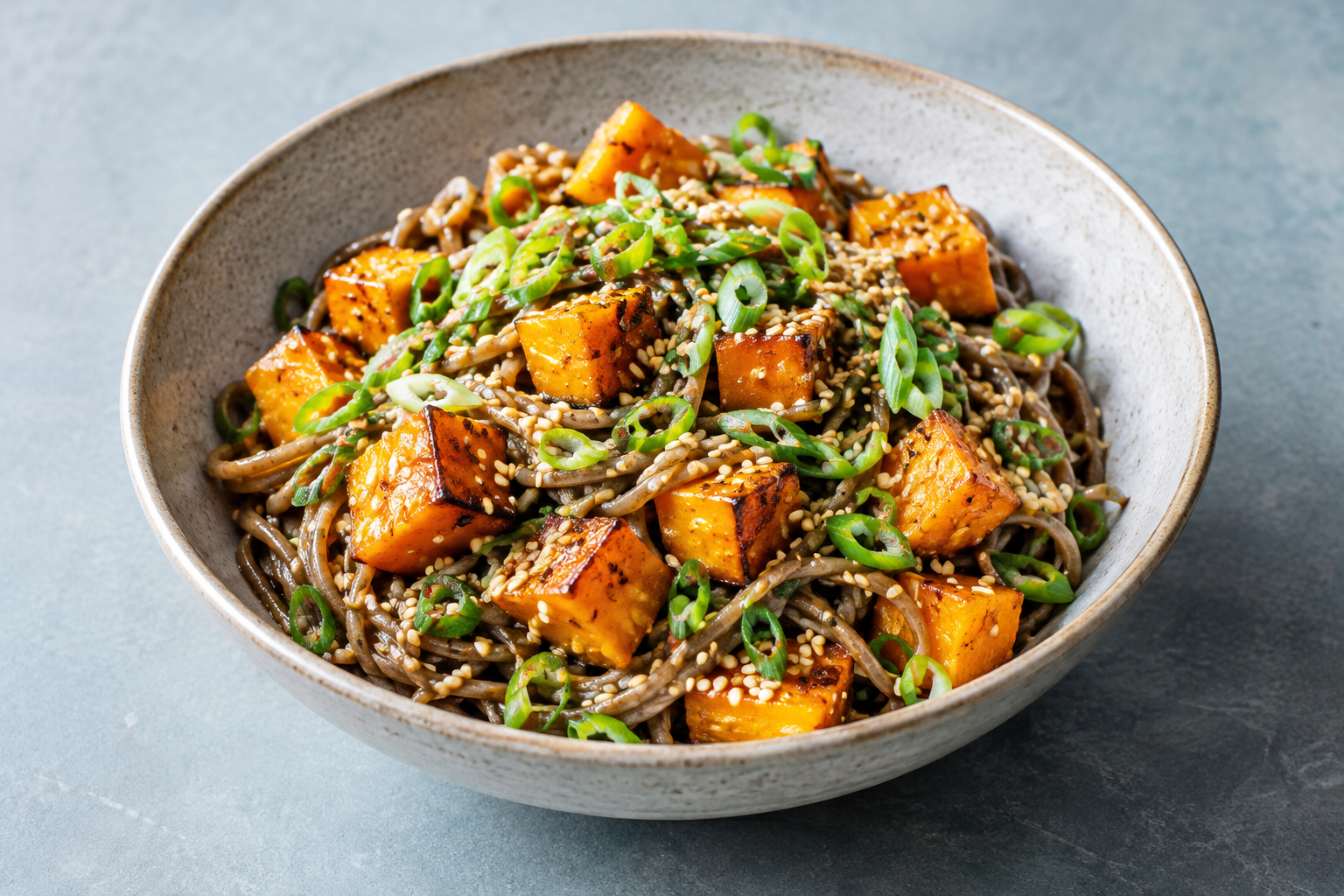 Lunch
Earthy soba noodles, sweet pumpkin with browned edges, and a fresh dressing with ginger and rice vinegar: this warm lunch brings soft and firm textures together beautifully.
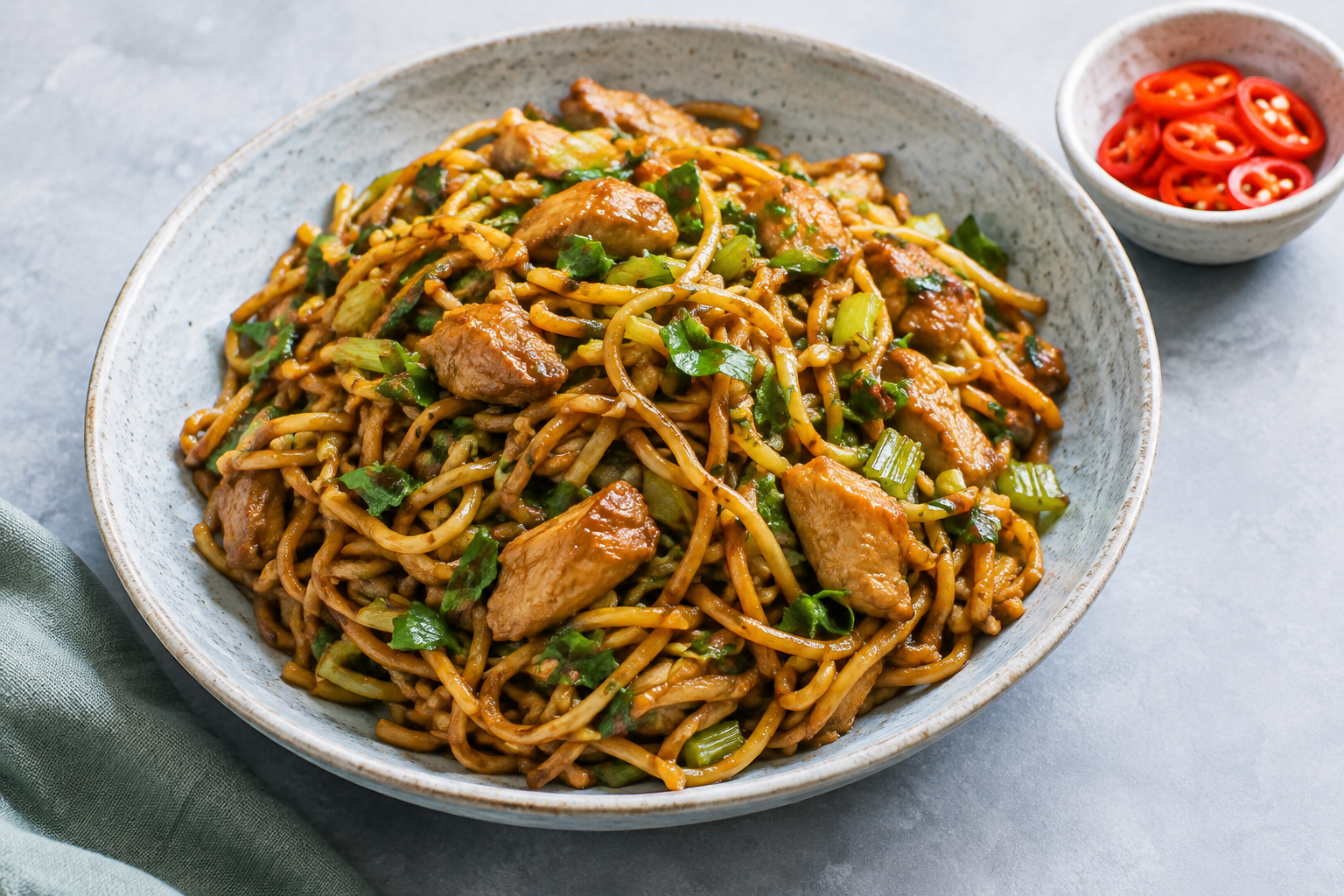 Main course
Hearty egg noodles, savory chicken and sweet-salty ketjap are the foundation of this Surinamese bami. Briefly frying the ingredients separately keeps the noodles firm and gives each one a chance to develop its flavor.
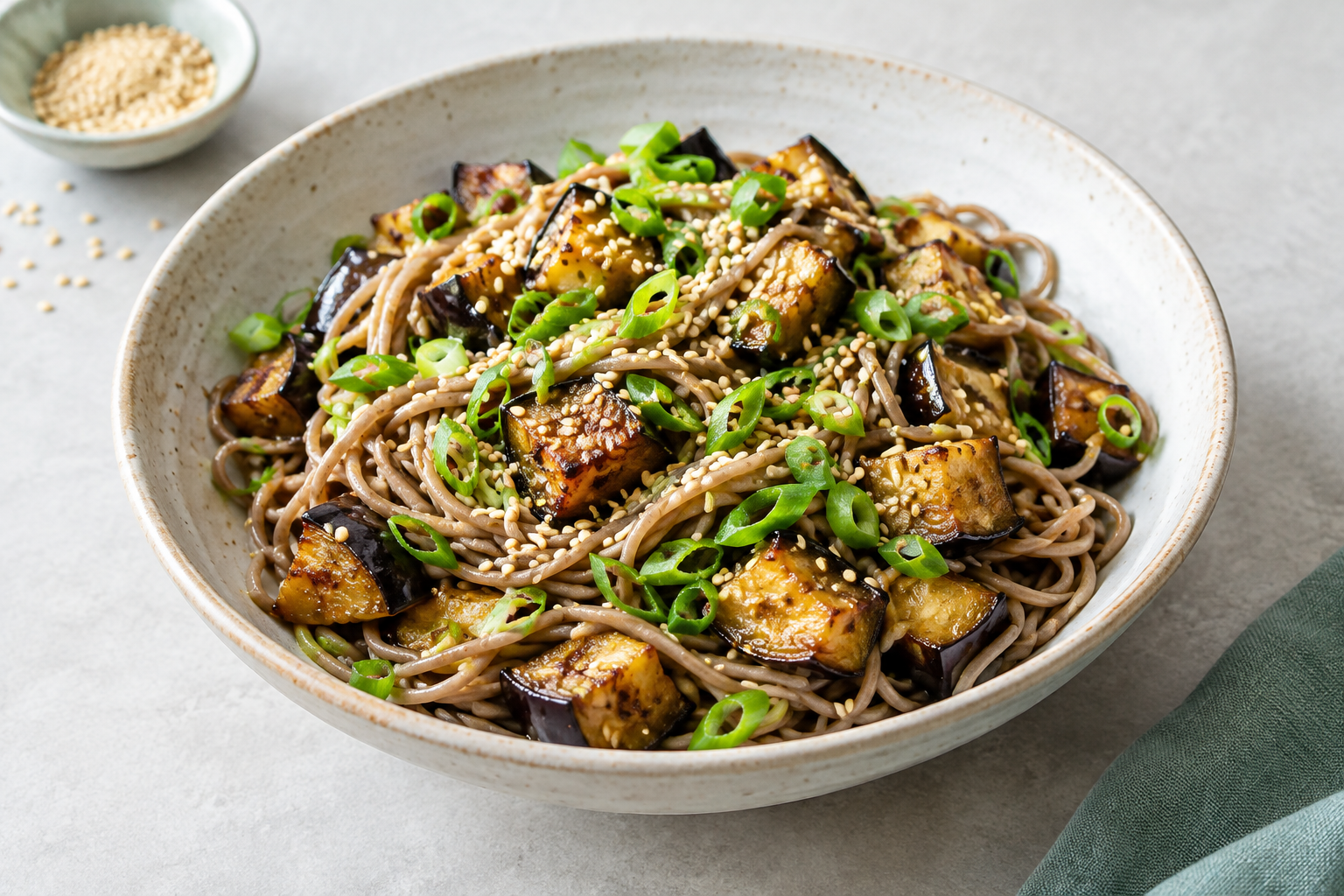 Main course
Golden-brown eggplant soaks up the savory, bright dressing, while soba noodles make the dish satisfying and add a chewy bite. Serve this modern, Japanese-inspired noodle salad warm, with scallions and toasted sesame seeds.
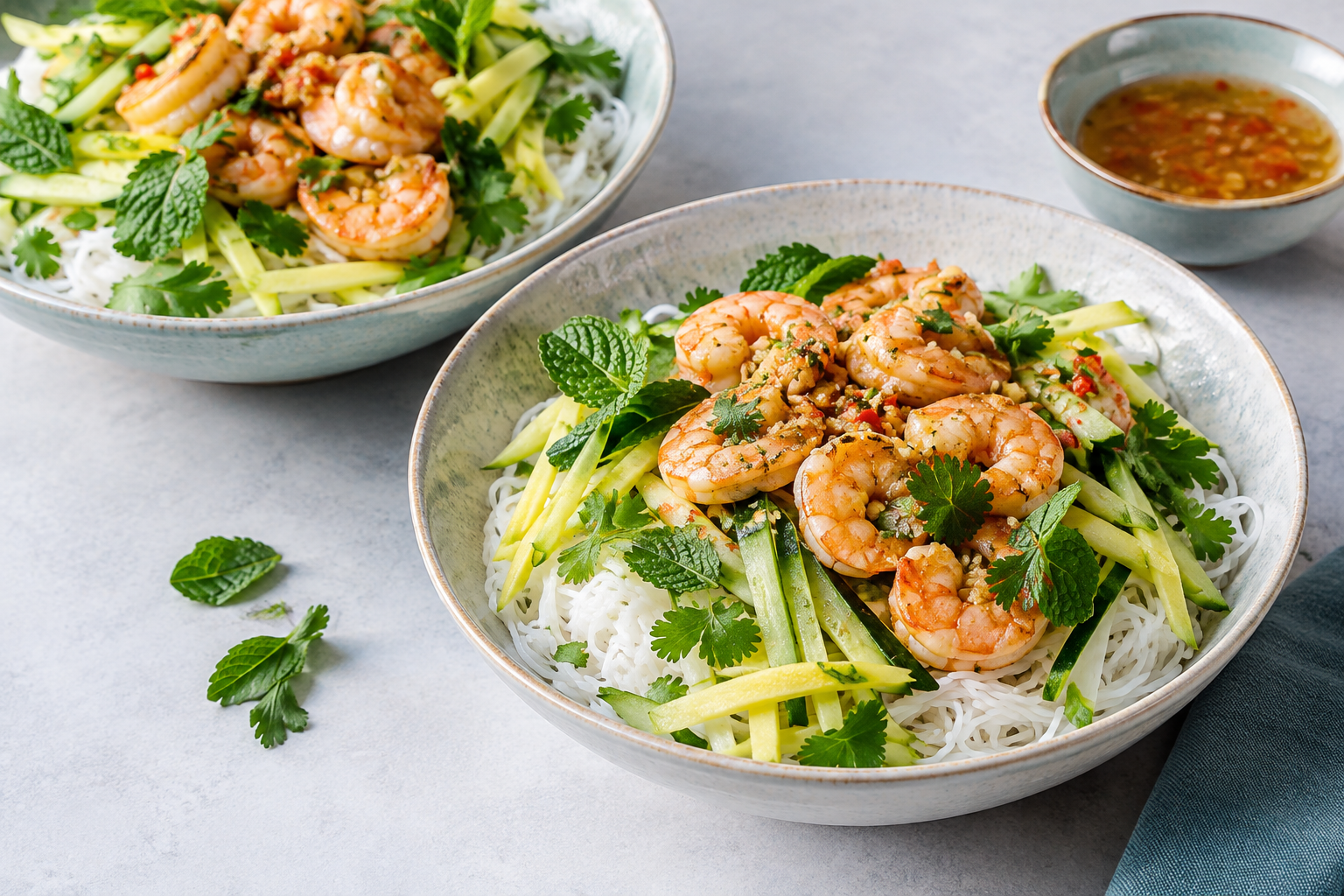 Main course
Juicy shrimp, cool rice vermicelli and crunchy green mango come together in a fresh noodle salad. The dressing of lime, fish sauce, sugar and chili balances sour, savory, sweet and spicy flavors.
 Side dish
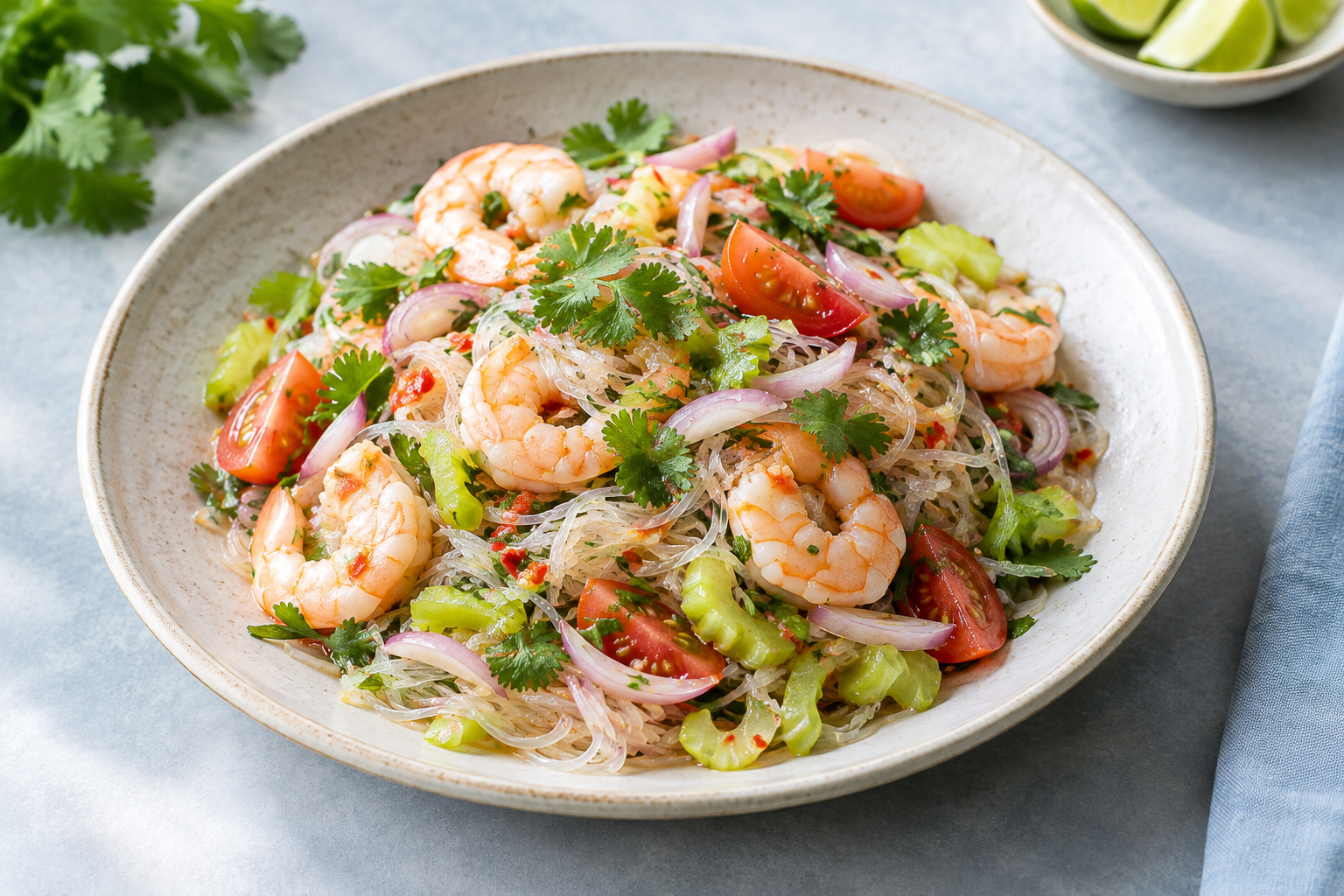
This Thai salad combines soft, springy glass noodles with juicy shrimp, tomato and celery. Lime, fish sauce and chili make a sharp, salty dressing that’s at its best when the salad is served straight away.
 Main course
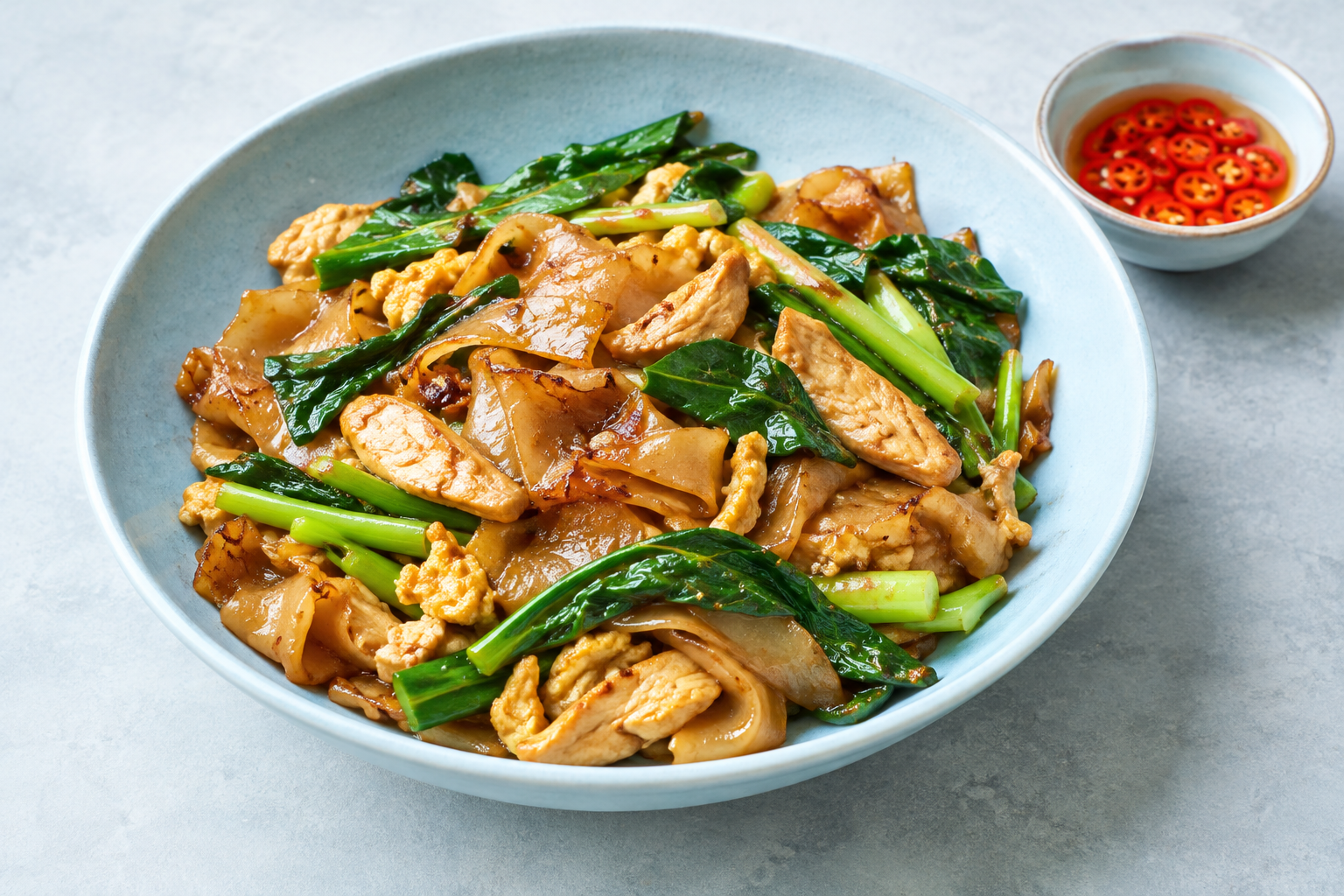
Wide rice noodles stir-fried over high heat with chicken, egg and Chinese broccoli: the sauce is savory and slightly sweet, with dark, caramelized edges on some of the noodles. Serve chili vinegar on the side for anyone who wants a little extra heat and acidity.
 Lunch
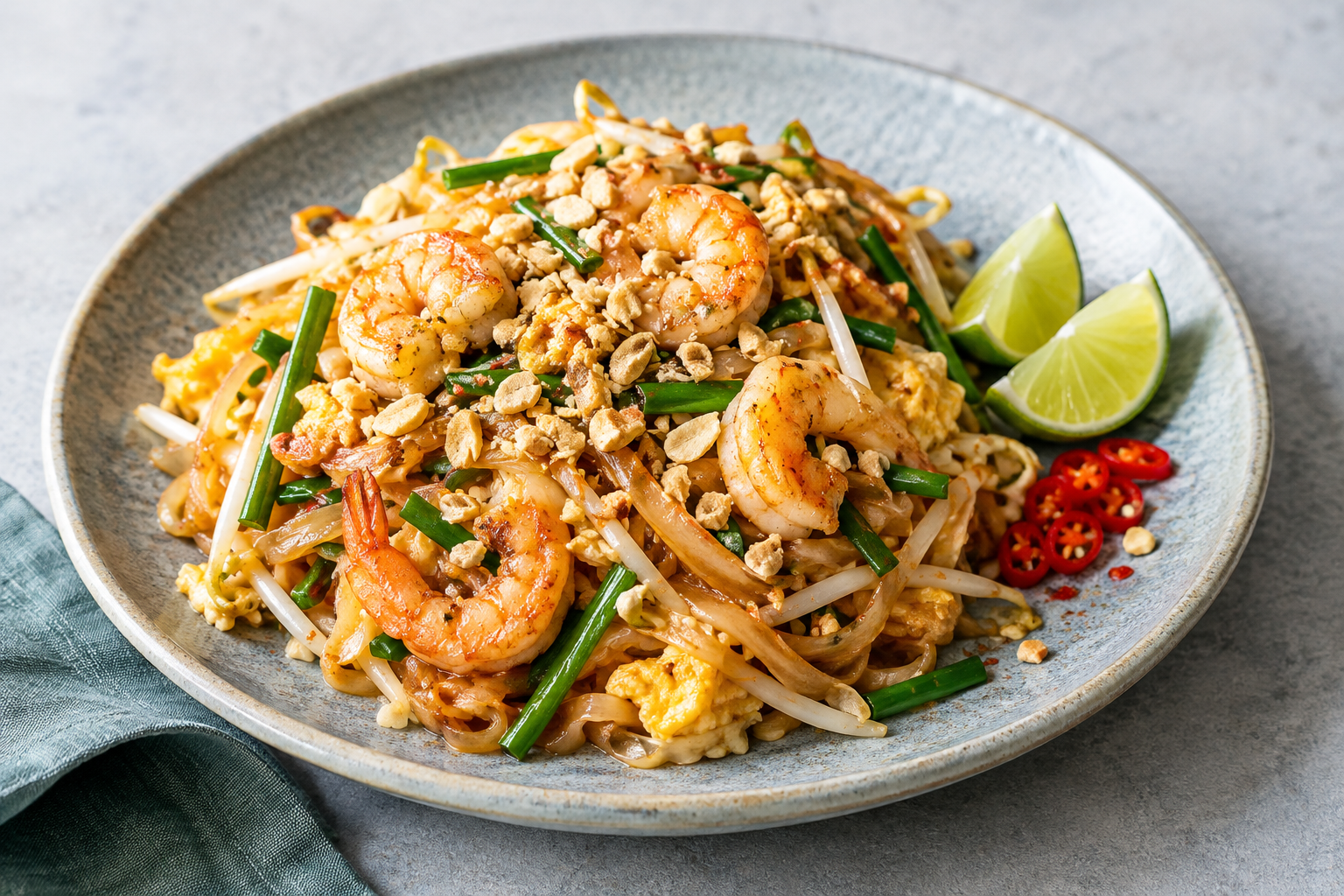
This pad Thai brings together tender rice noodles, juicy prawns and crunchy bean sprouts in a sauce that’s sour, salty and sweet all at once. Cook the portions separately in a hot wok so the noodles absorb the sauce without turning mushy.
 Main course
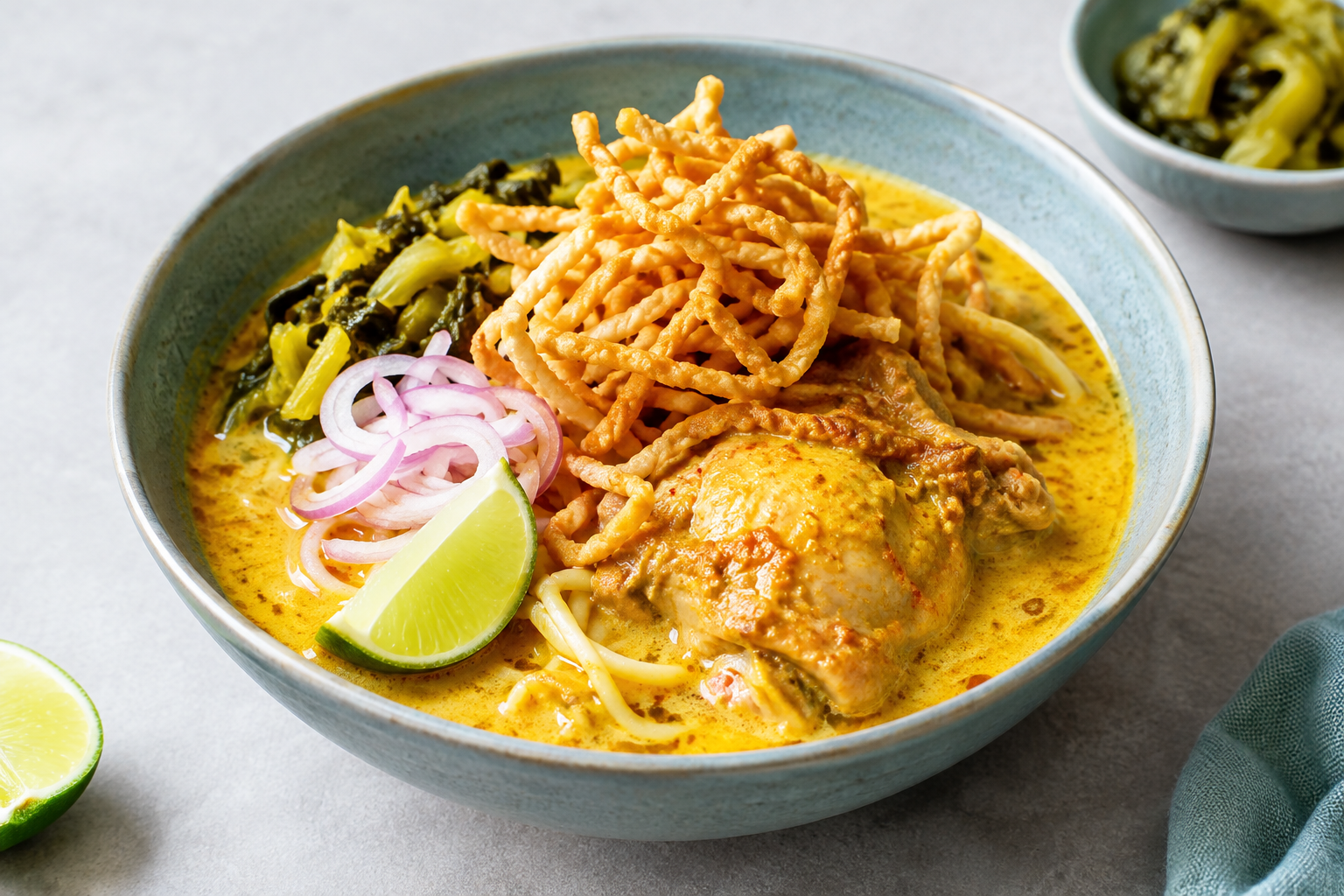
Creamy coconut broth, tender chicken and egg noodles are the foundation of this Northern Thai soup. Crispy noodles, pickled mustard greens, shallot and lime bring freshness and contrast to every bowl.
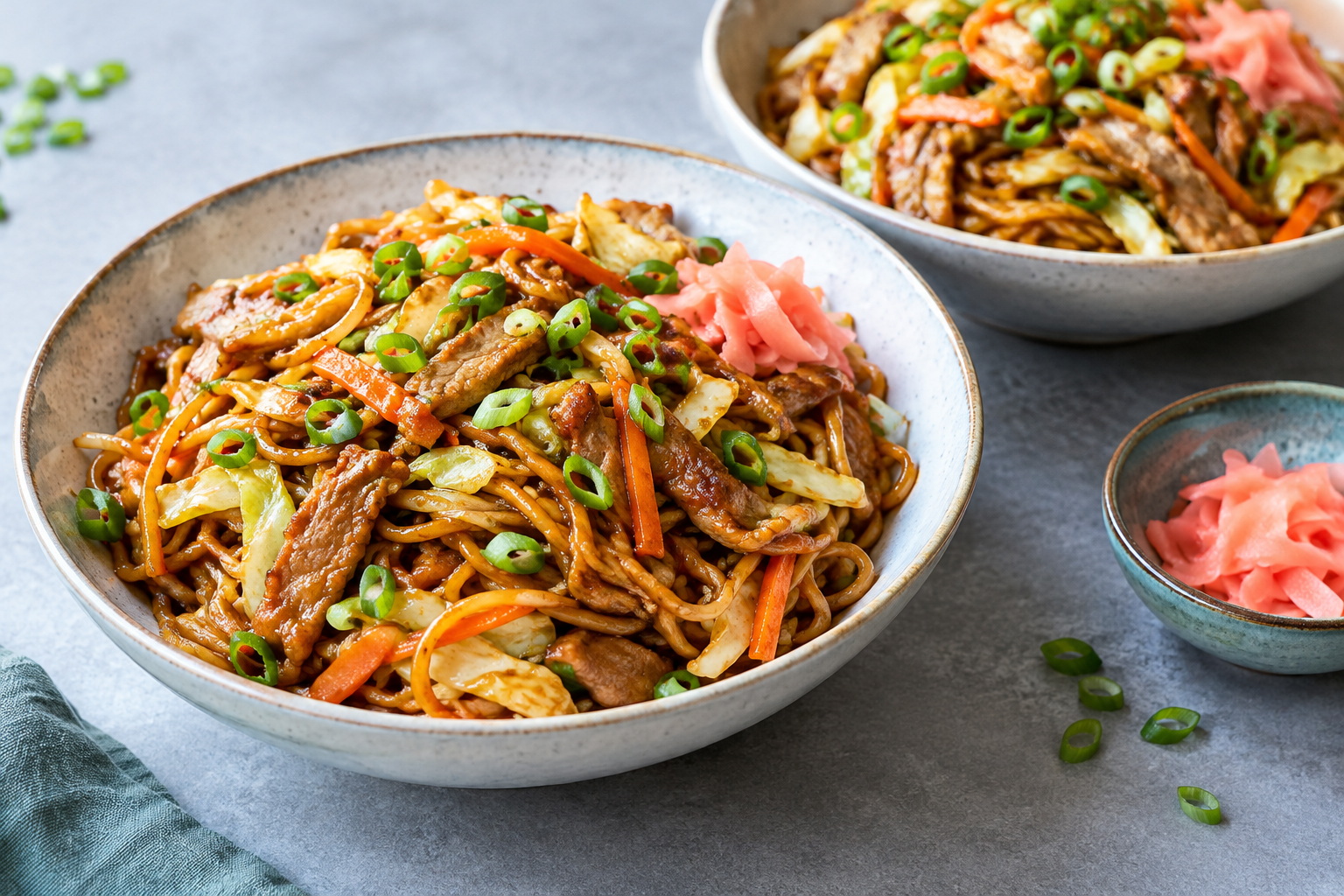 Main course
These Japanese fried noodles combine golden-brown edges with juicy pork and cabbage that still has a little bite. A savory-sweet sauce brings everything together, while pickled ginger cuts through it with a fresh, spicy note.
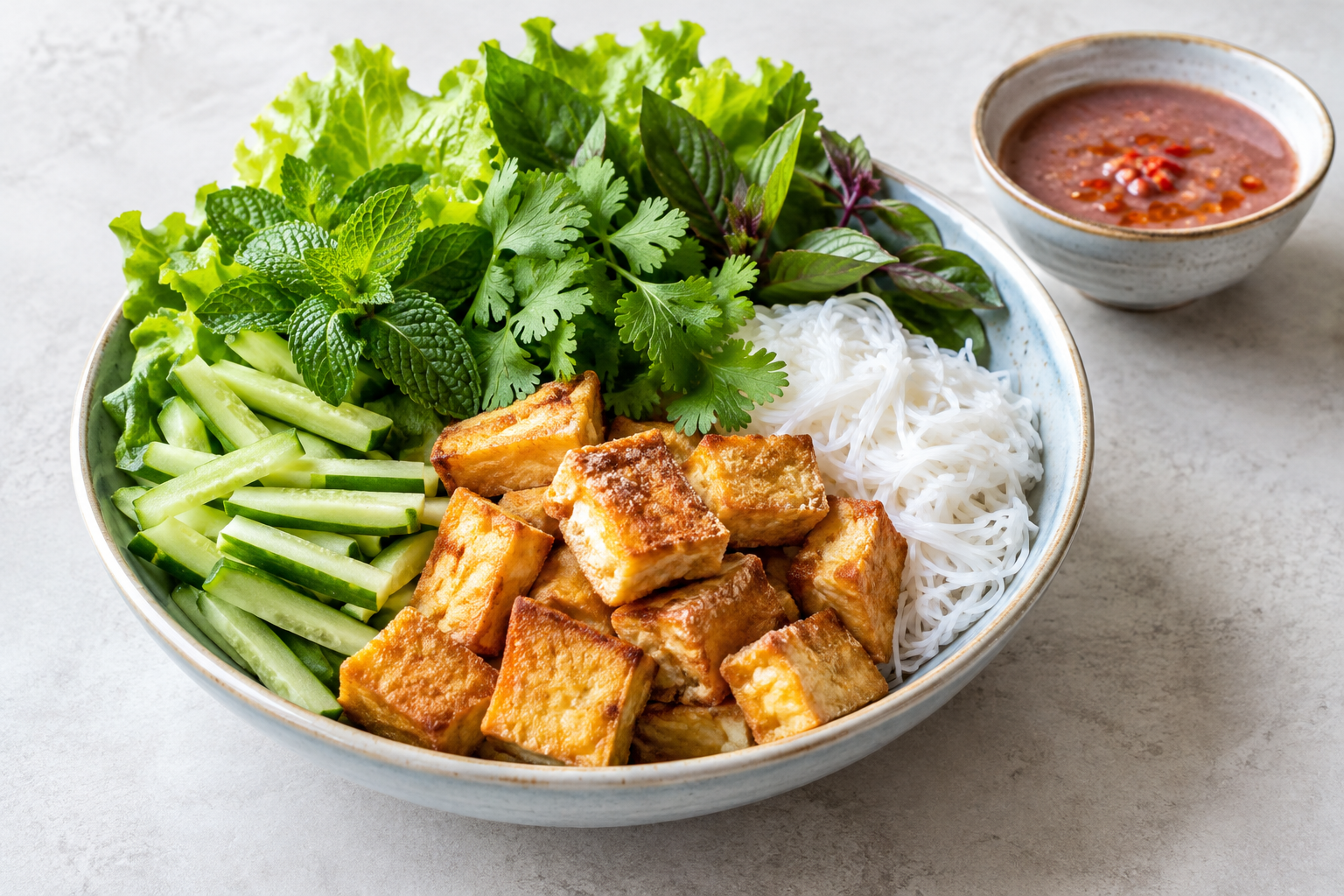 Lunch
Crispy fried tofu, soft rice vermicelli, cucumber and a generous handful of fresh herbs: this Northern Vietnamese lunch dish is all about contrast. Serve it with the bold fermented shrimp dip mắm tôm, or make a milder fish sauce dip on the side.
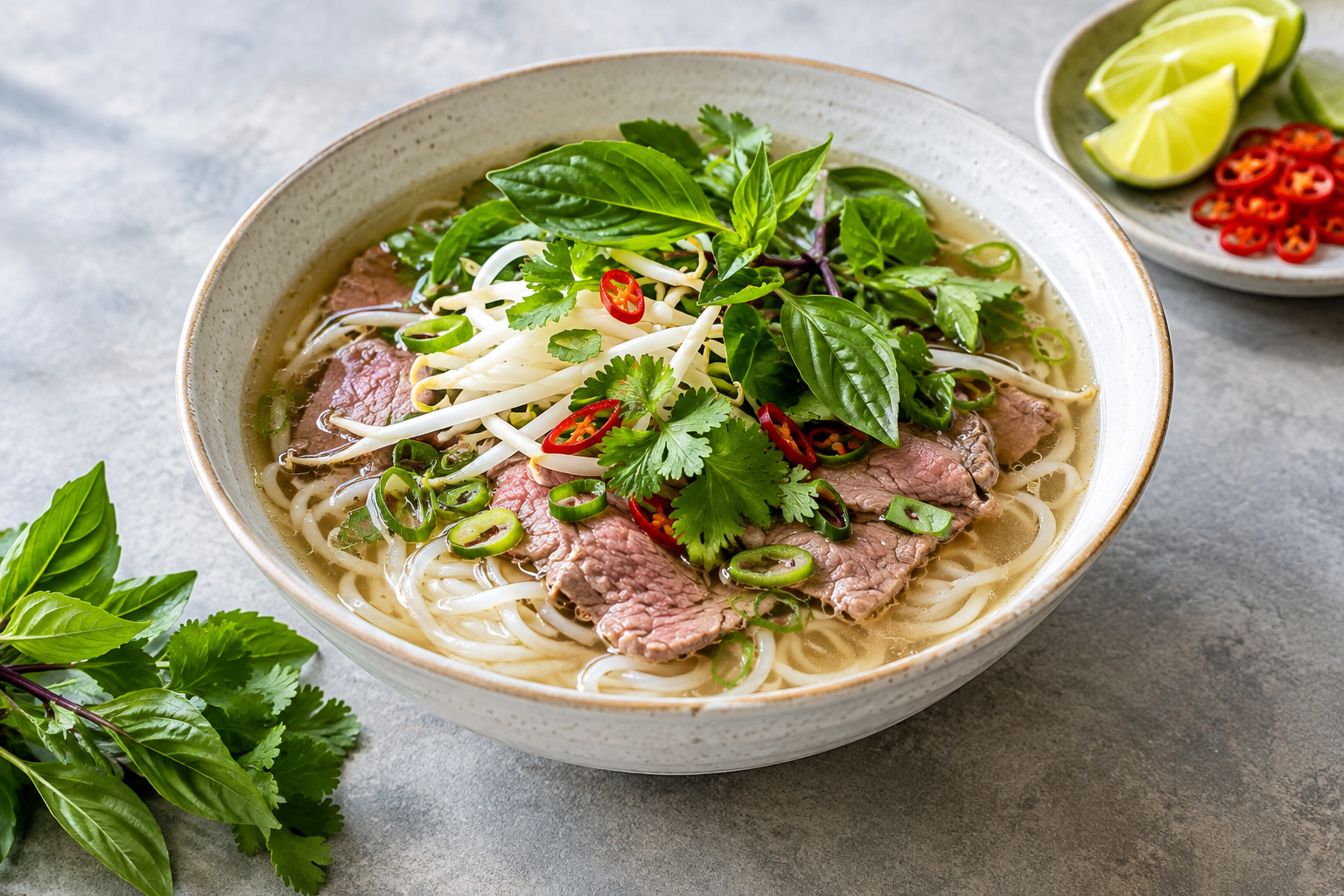 Breakfast
Clear, slowly simmered beef broth, rice noodles and paper-thin slices of beef are the foundation of this Vietnamese phở bò. Serve the soup with fresh herbs, lime and chili at the table so everyone can adjust the fresh and spicy flavors to their liking.
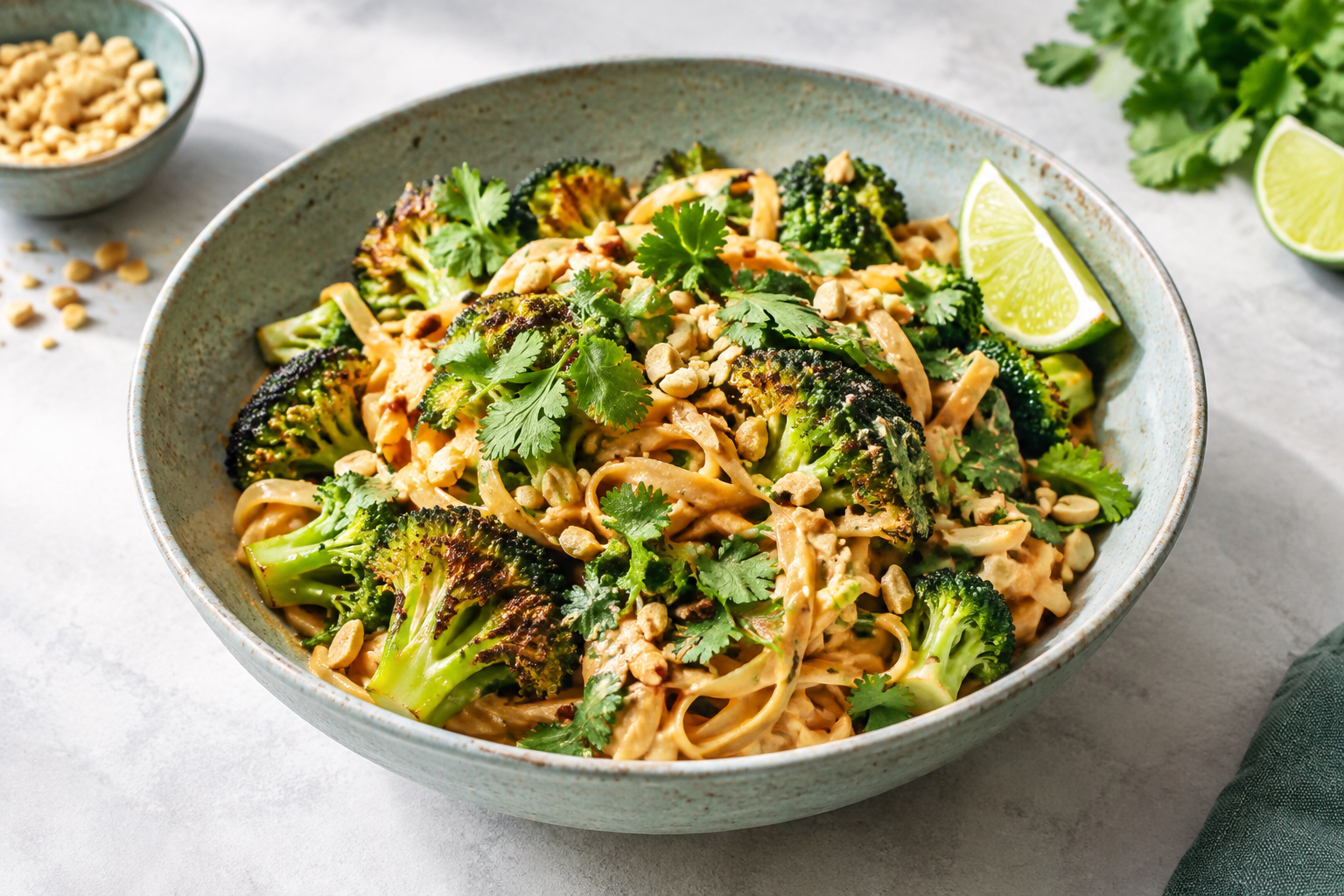 Main course
Two preparations give broccoli extra depth: roasted florets with browned edges and briefly blanched broccoli with a fresh bite. Creamy peanut sauce, lime and crunchy peanuts turn it into a complete noodle meal.
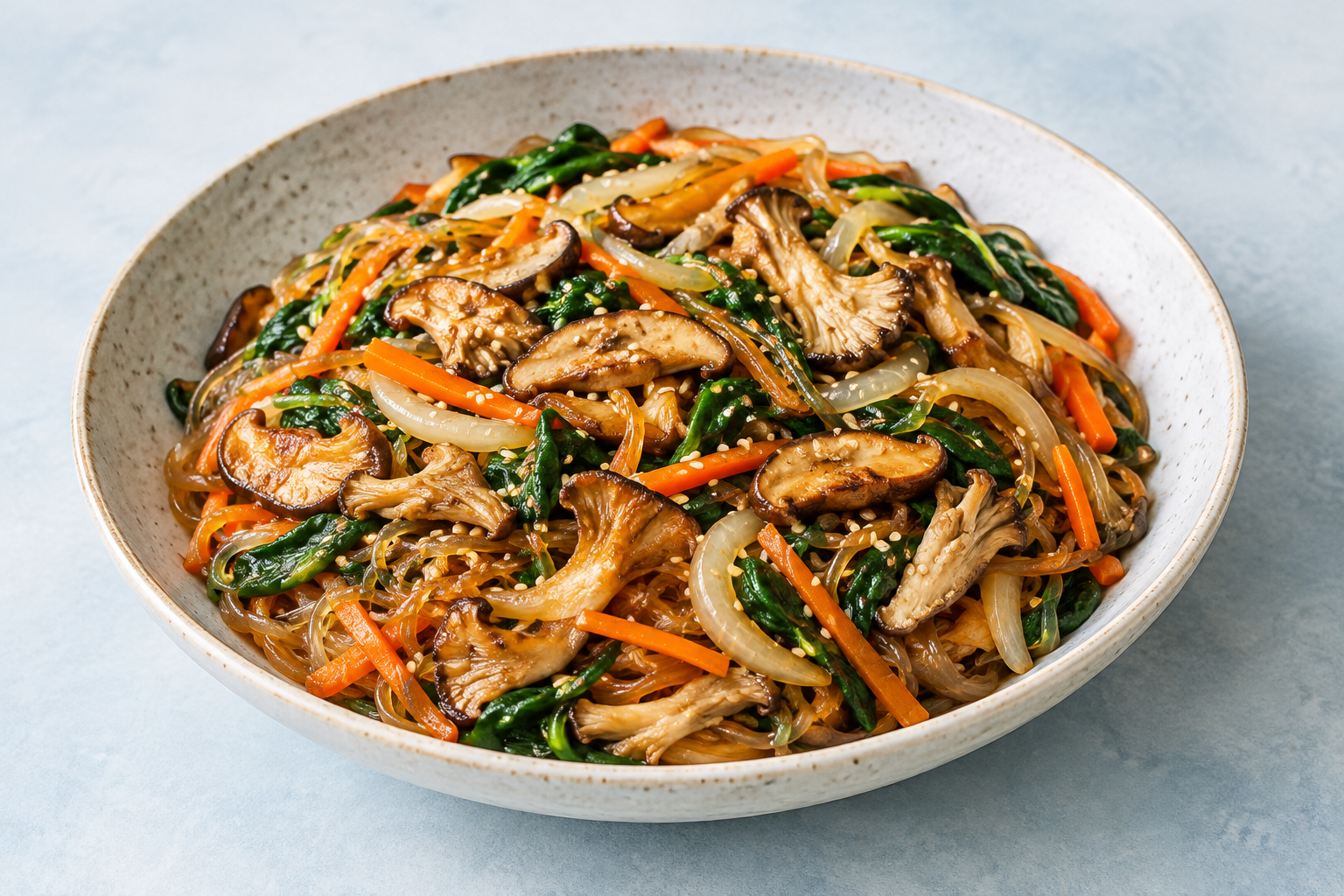 Main course
Smooth Korean sweet potato noodles soak up the savoury dressing beautifully. With sautéed shiitake and oyster mushrooms, spinach, carrot and onion, japchae becomes a colourful main course with both tender and chewy textures.
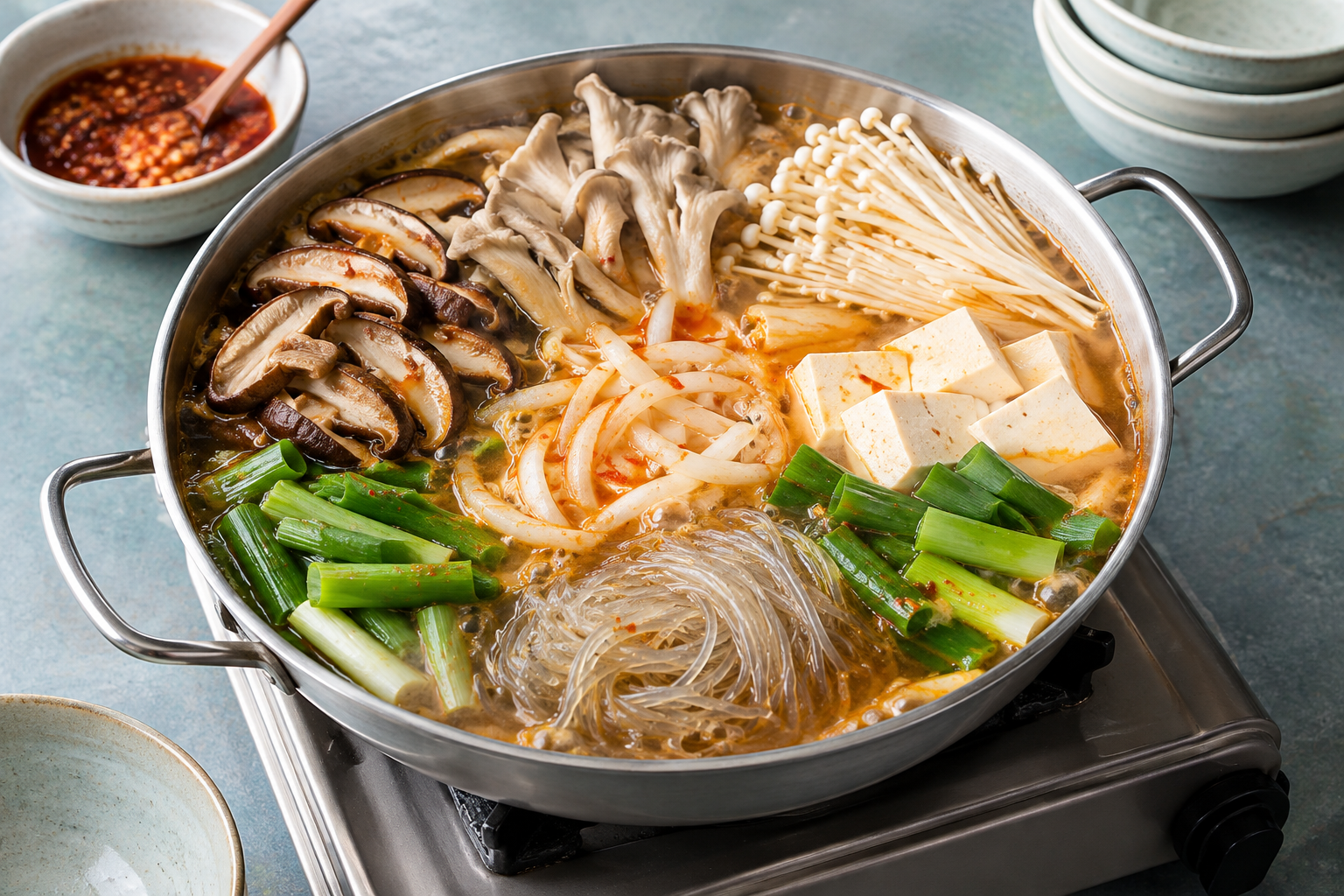 Main course
This Korean hotpot brings shiitake, oyster mushrooms and enoki together with tofu and tender glass noodles in a light, spicy garlic broth. Set the pan on the table and let the ingredients gently cook there.
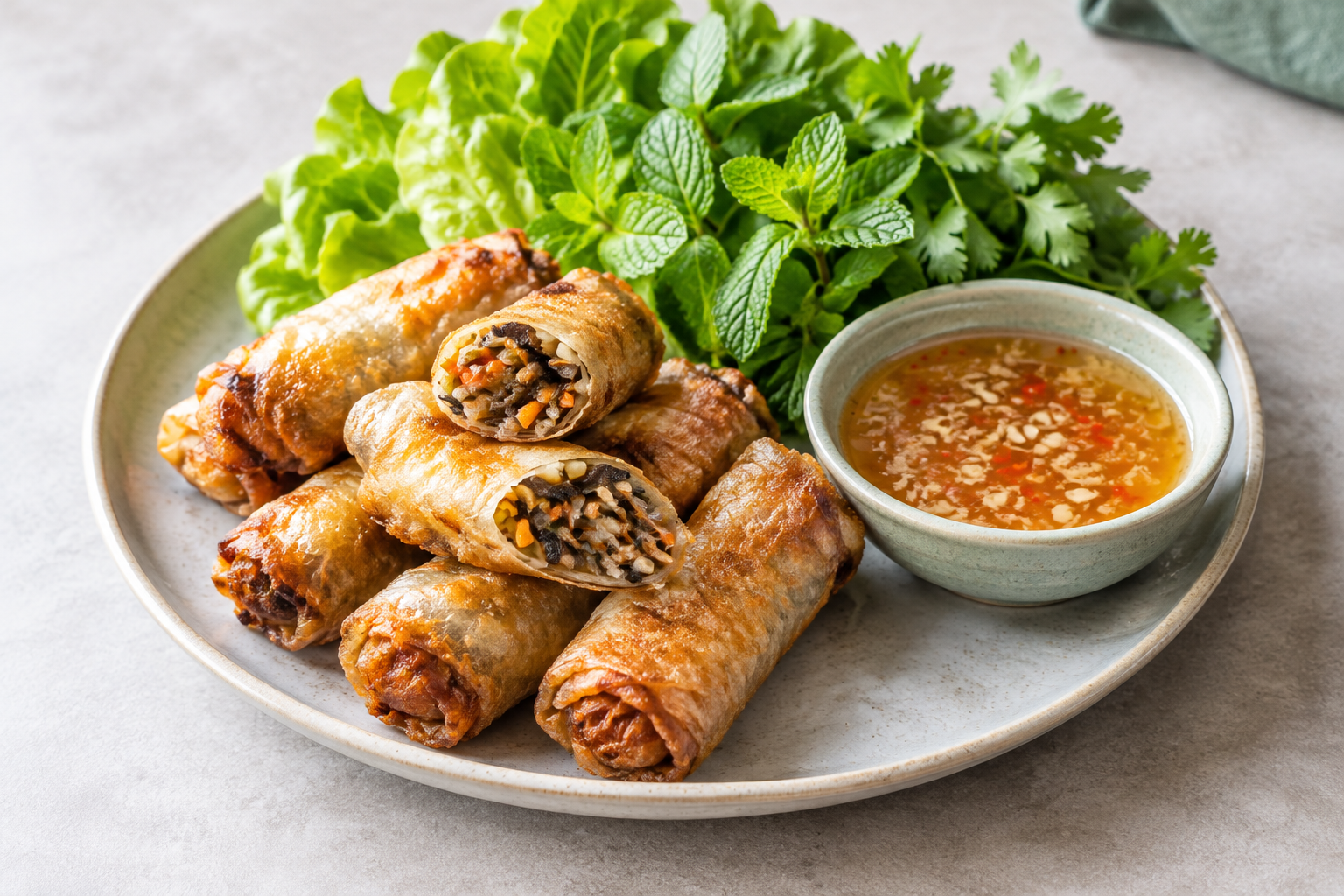 Side dish
These Vietnamese fried rolls have a savory filling of mushrooms, glass noodles and carrot, wrapped in thin, crisp rice paper. Serve them with lettuce, fresh herbs and tangy nước chấm chay.
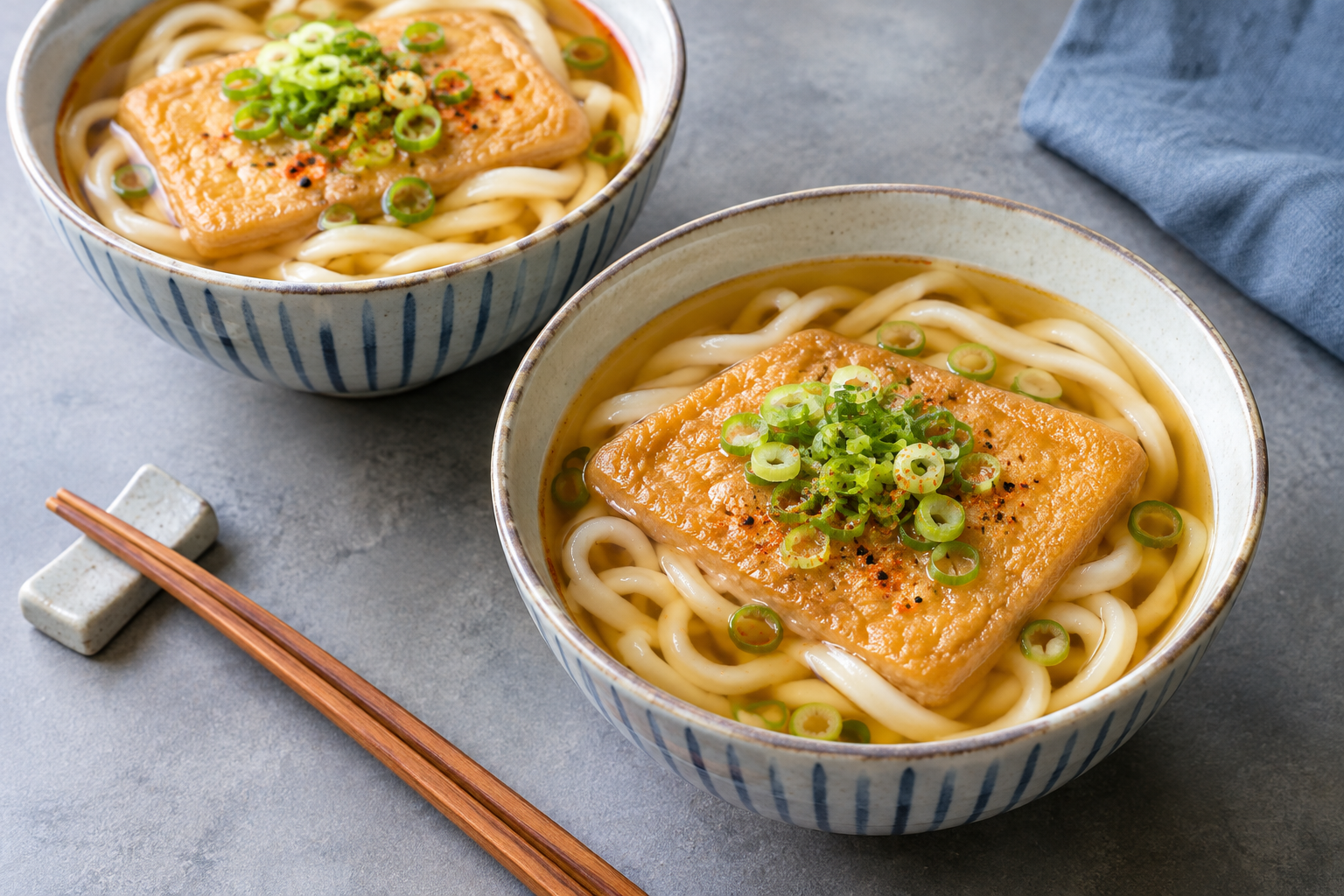 Main course
Thick udon noodles in a clear, savory dashi broth, topped with soft aburaage that tastes sweet and salty all at once. This Japanese classic is all about balance: the broth stays mild, letting the tofu and springy noodles shine.
Noodles aren’t all interchangeable: their shape and ingredients determine how a dish feels to eat and how much sauce clings to them. Rice vermicelli is thin and light; you’ll find it, for example, in Vietnamese shrimp noodles with green mango and herbs and in the Thai Yam woon sen salad. Wide rice noodles are sturdier and work well in dishes that are stir-fried quickly over high heat, such as pad see ew and Penang char kway teow.
Soba, made with buckwheat and often wheat too, has its own savory flavor. Briefly rinse cooked soba under cold water to remove excess starch; this keeps the strands separate in a salad or with dressing. Udon is thicker and springier, while Korean dangmyeon, made from sweet potato starch, turns glossy and elastic. Follow the package instructions for dried noodles: soaking and cooking times vary by brand.
For soup, the broth and timing are at least as important as the noodles. For Phở bò, the broth is simmered for a long time with beef, onion, ginger and spices; when served, the thinly sliced beef cooks in the hot broth. Bún mọc uses a lighter chicken broth with pork meatballs. Keep the noodles separate until serving if they would otherwise sit in the hot liquid too long and become soft.
A stir-fry calls for preparation: chop everything and mix the sauce before the pan gets hot. Don’t cook too much at once, or the ingredients will steam rather than brown. This matters for Pad see ew and Penang char kway teow, where brief contact with the hot pan gives the noodles dark, lightly caramelized spots. For something fresh, cold soba with edamame and yuzu or the green mango salad are good choices: acidity, herbs and crunchy vegetables keep every bite lively.
A good sauce should coat the noodles without pooling at the bottom. Miso noodles with roasted pumpkin use a little cooking water to turn miso, sesame oil, ginger and lemon into a smooth sauce. For broccoli noodles with peanut sauce, warm water gives the sauce a pourable consistency; add it gradually, since peanut butter varies in thickness. Only then taste to see whether it needs more acidity or salt.
Pay attention to contrast, too. Roasted pumpkin brings sweet, browned edges against fresh lemon, while crispy chickpeas or fried eggplant offer a different bite from soft noodles. In Surinamese bami with chicken, ketjap manis and celery create a very different balance from the soy sauce, vinegar and ginger in soba dishes. So choose not only by noodle type, but also by what you’re craving: warm and savory, fresh and herby, or something with crunchy toppings.