 Main course
45 minutes
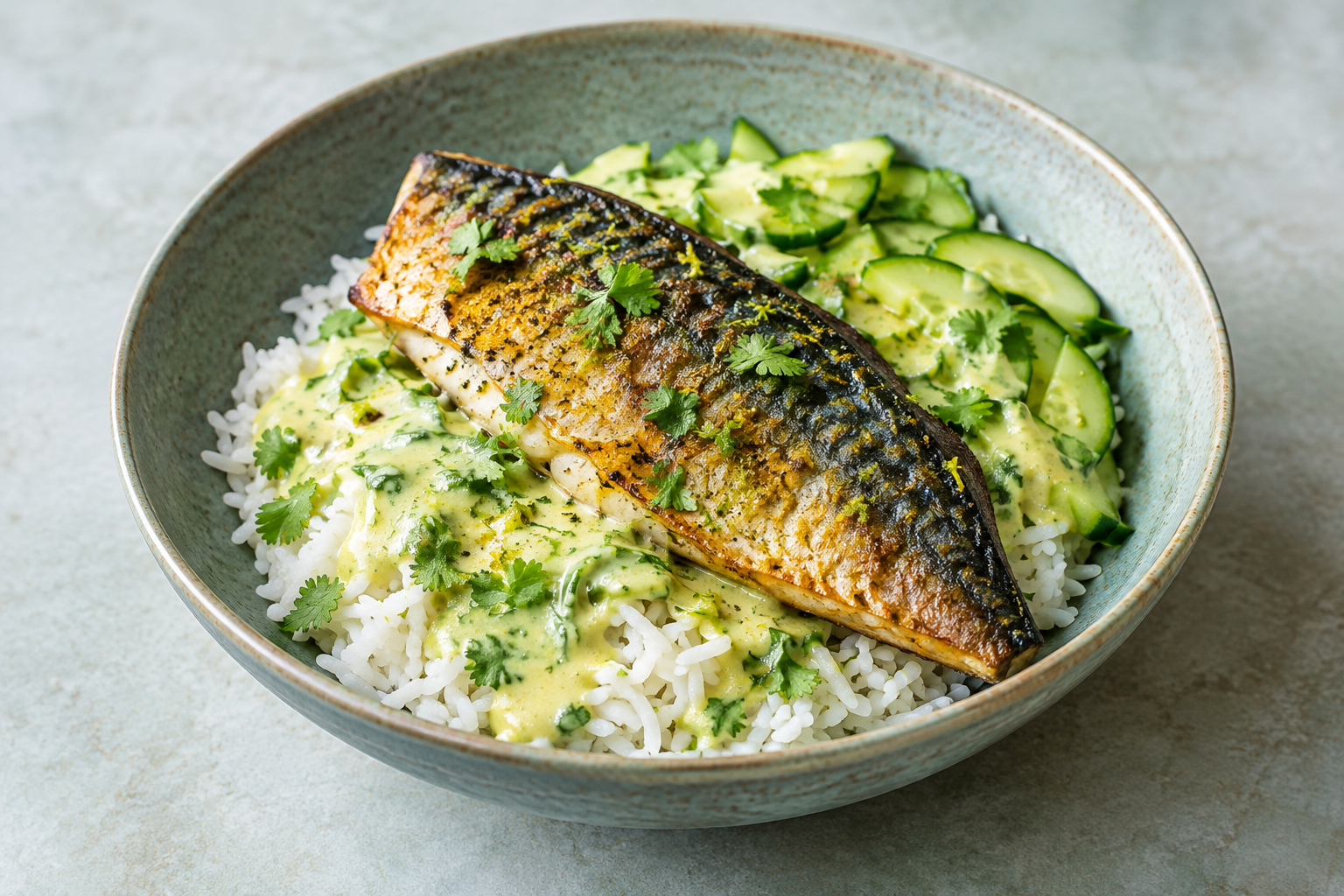
Mackerel with Spiced Rice and Lime-Coconut Sauce
Crisp-fried mackerel, fragrant jasmine rice and a fresh sauce of coconut, lime and ginger, gently warmed: a weeknight meal with mellow, spicy and bright flavors.
This collection brings together fragrant coconut rice, spicy sambal, noodles with mackerel and fresh salads. You’ll find dishes rooted in regional cuisines, such as char kway teow from Penang and ayam percik from Kelantan, alongside Malaysian-inspired combinations. Choose something to share, a bowl with plenty of toppings or a rice-based main course; these recipes show how sourness, heat, herbs and crunchy elements complement one another.
50 recipesBrowse the recipesMain courseCrisp-fried mackerel, fragrant jasmine rice and a fresh sauce of coconut, lime and ginger, gently warmed: a weeknight meal with mellow, spicy and bright flavors.
 Side dish
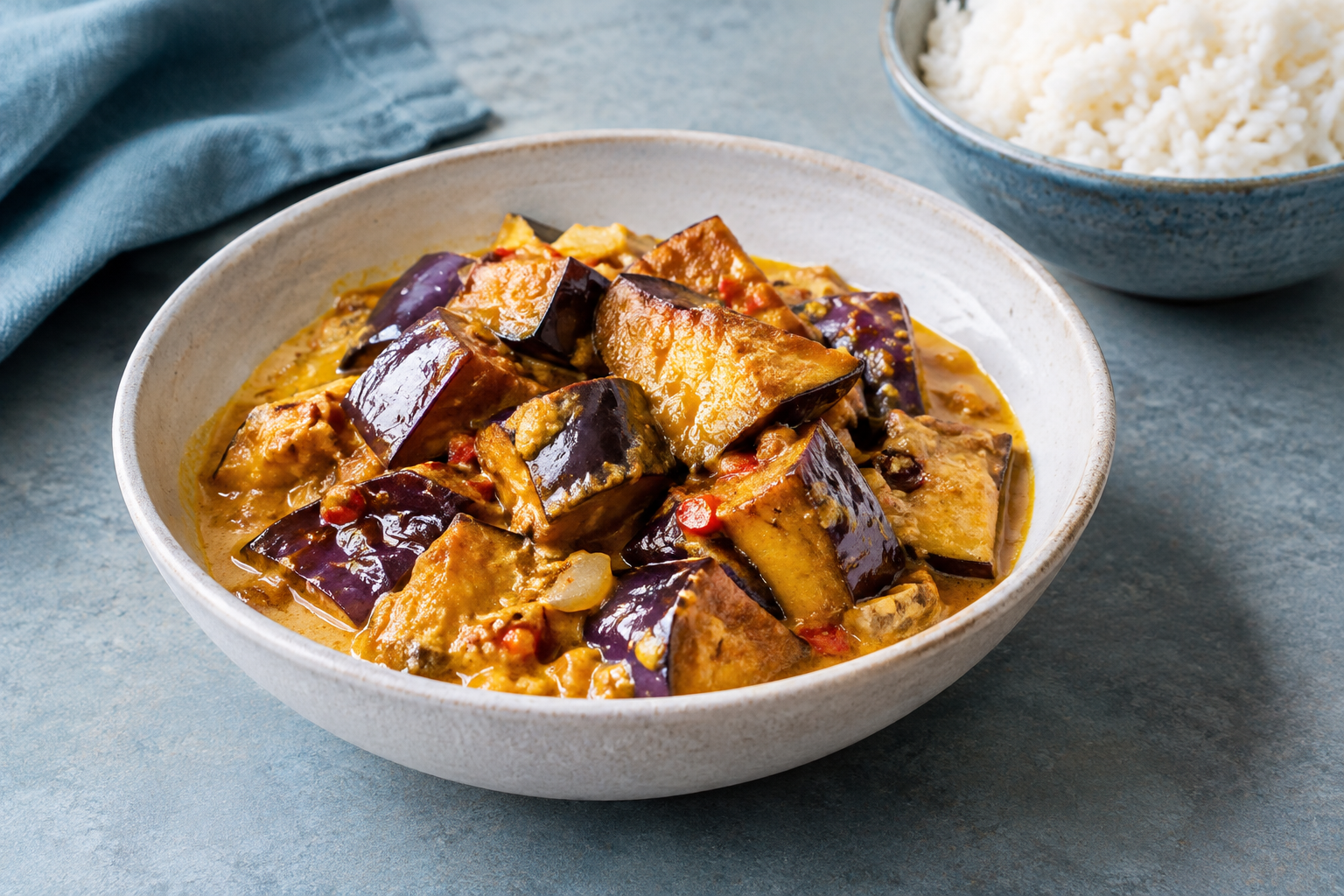
Chunks of eggplant are first browned in a pan, then simmered in a spiced sauce made with coconut, ginger and toasted spices. A splash of vinegar cuts through the richness. Serve this Malaysian pajeri terung warm or at room temperature as a small starter, with rice or bread on the side.
 Main course
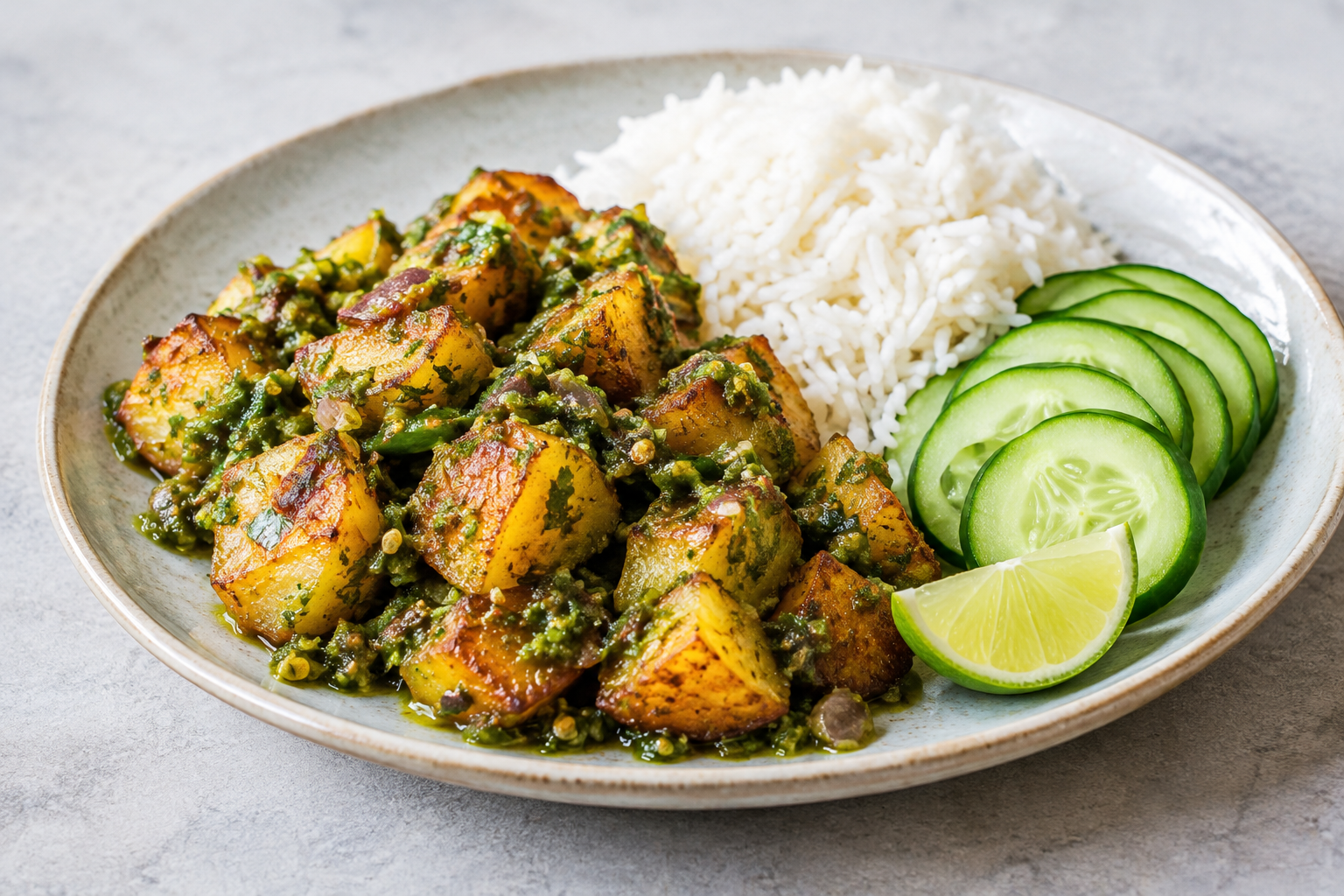
Golden-brown fried potatoes get a spicy, fresh coating of green sambal with lime and belacan. Serve them with rice and crisp cucumber for a hearty meal where the potatoes stay centre stage.
 Side dish
A thin omelet is filled with savory minced meat, onion and crisp vegetables, then folded into a parcel. Serve the telur bungkus with chili sauce and rice; cut into the soft exterior at the table.
 Main course
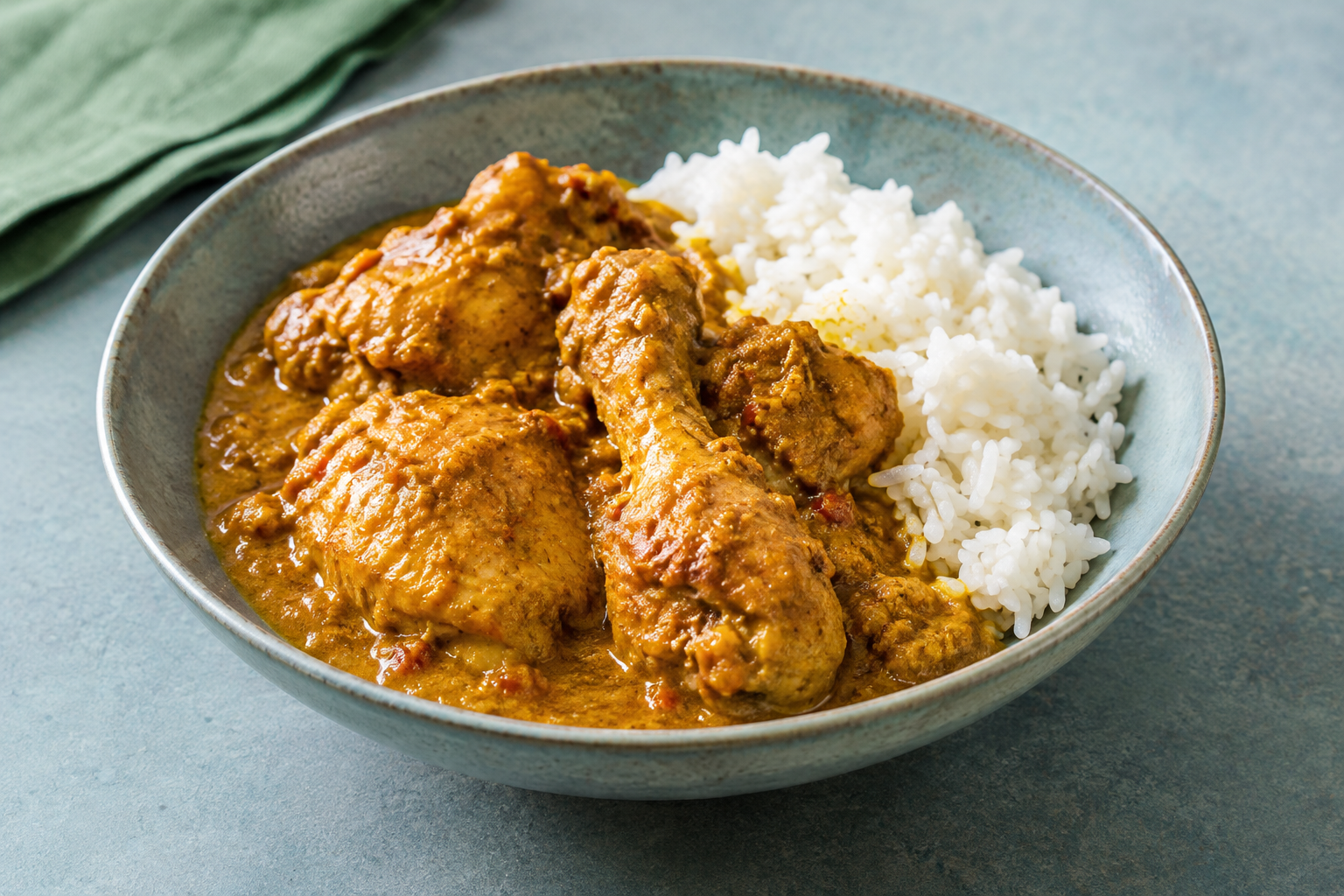
This Malay- and Peranakan-inspired chicken stew gets its rich flavour from a rempah slowly fried with chilli, shallot, ginger, turmeric and lemongrass. Coconut milk makes the sauce creamy, while tamarind keeps it lightly sour.
 Main course
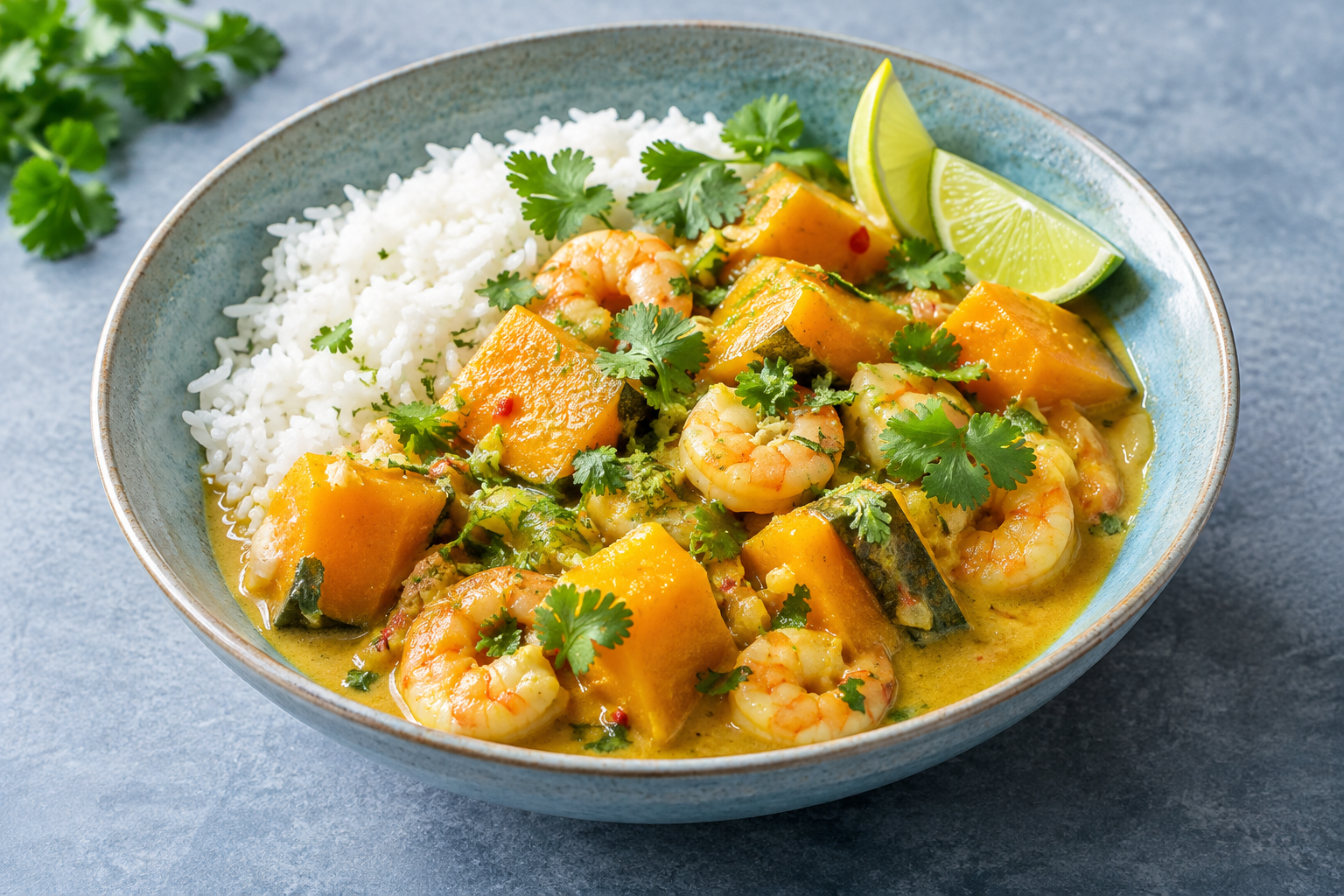
Chunks of pumpkin simmer in a fragrant sauce of coconut milk, broth, ginger, turmeric and chili. The shrimp go in right at the end so they stay tender. Serve with rice and a generous squeeze of lime.
 Dessert
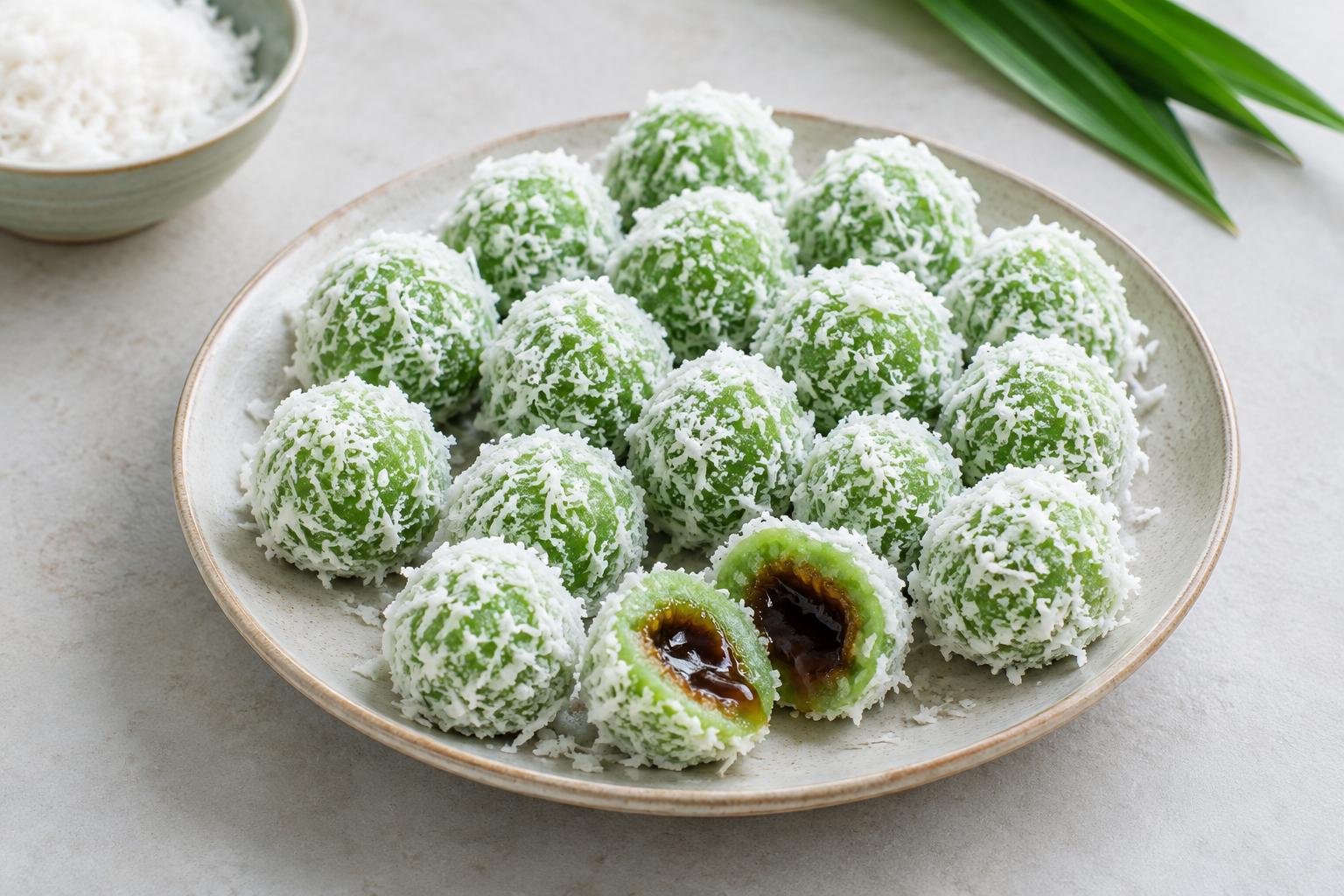
These Malaysian glutinous rice balls have a soft pandan exterior and a liquid gula melaka centre. Freshly grated coconut adds a mild, slightly savoury contrast.
 Side dish
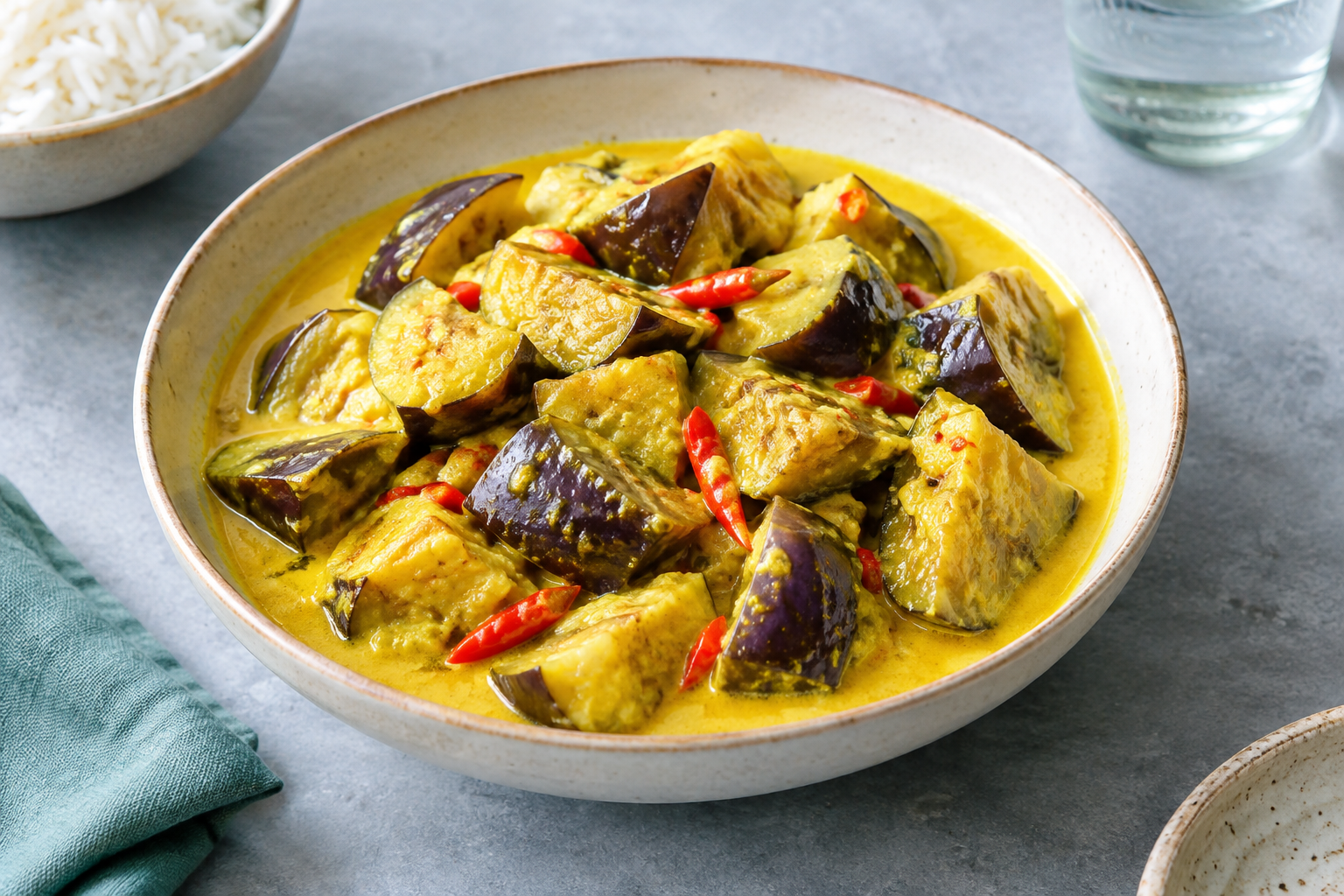
Tender aubergine cooks in a creamy coconut sauce with turmeric, lemongrass and the direct heat of cili api. This Malaysian side dish is delicious with rice and something mild alongside.
 Side dish
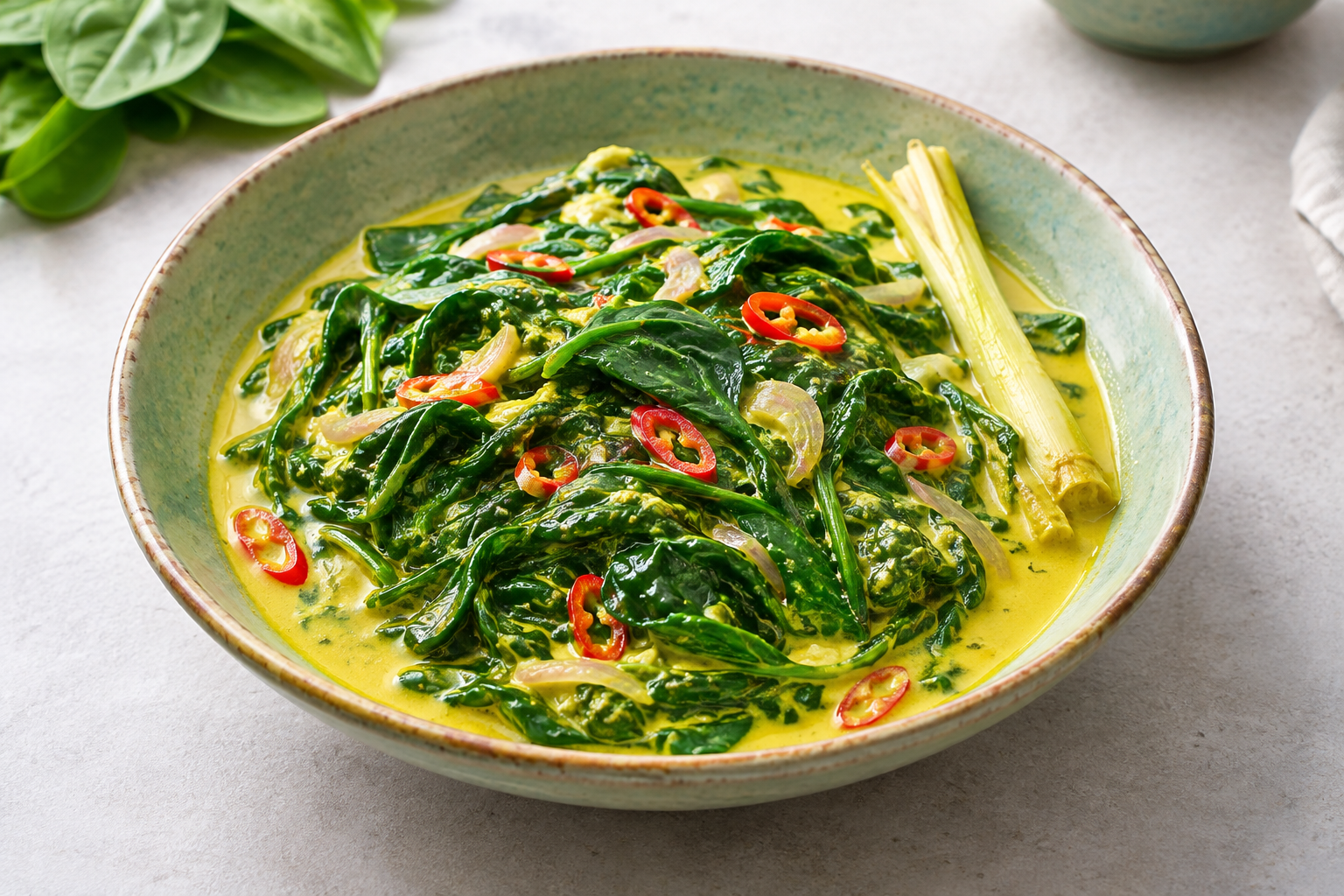
In bayam masak lemak, spinach wilts in a gentle, creamy coconut sauce with turmeric, chili and lemongrass. A mild, fragrant side dish that goes well with rice and a spicier main course.
 Main course
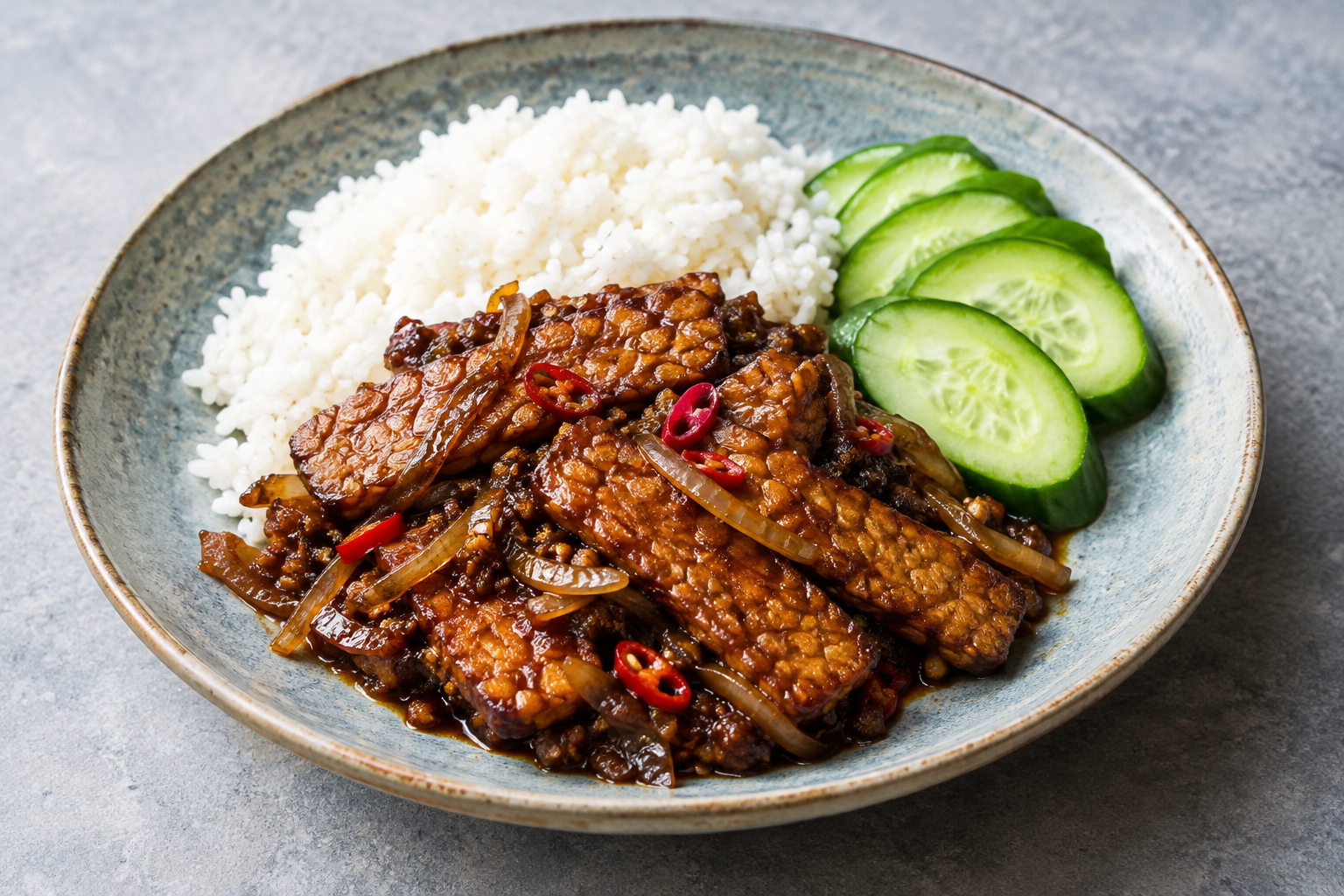
Golden-brown fried tempeh soaks up a thick, glossy sauce of kecap manis, ginger, garlic and chili. Tamarind adds just enough acidity to balance the sweet-and-savory flavors; rice and fresh cucumber make it a complete meal.
 Soup
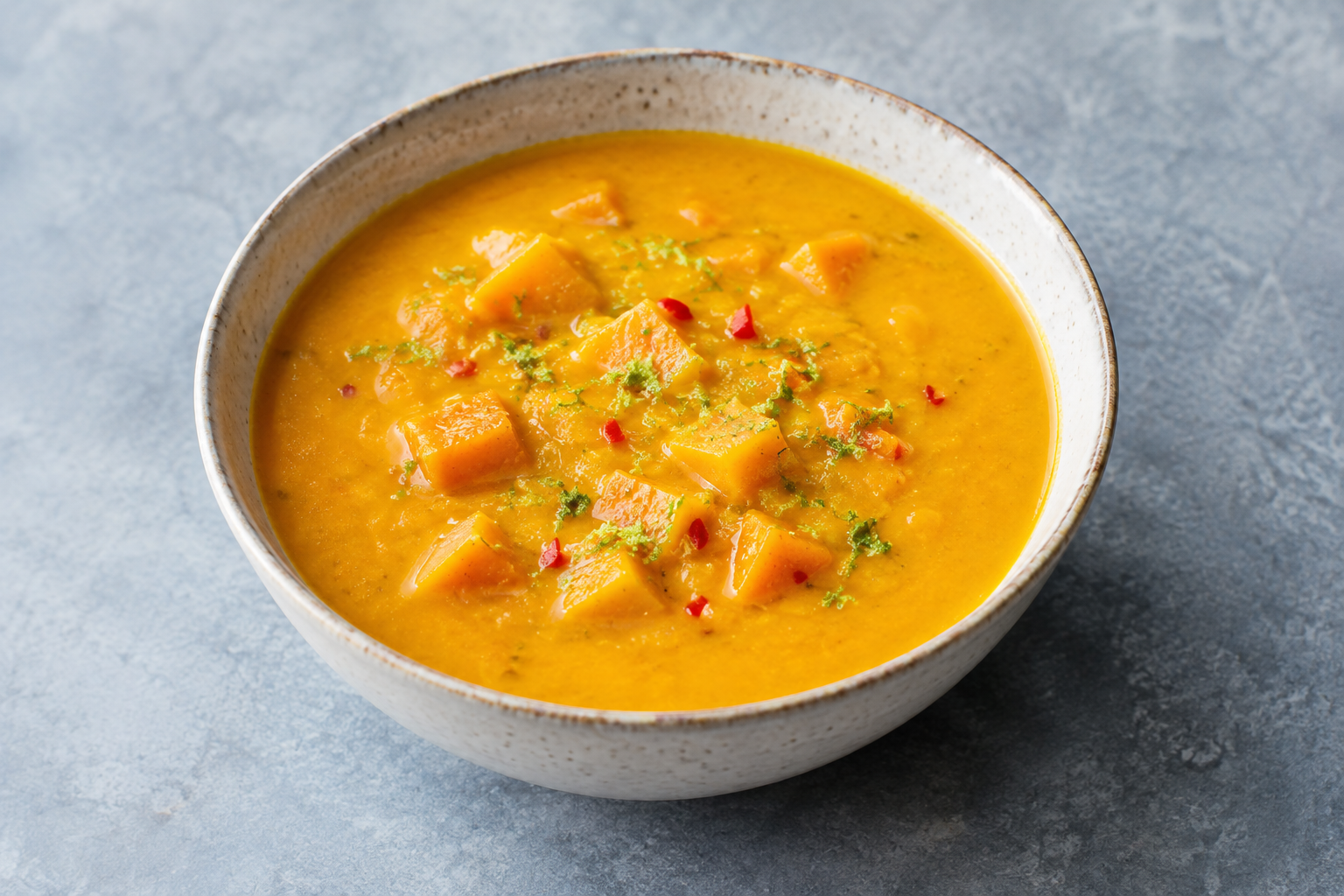
Tender pumpkin, warming ginger and mild chili form the base of this spiced soup. Coconut milk makes it creamy, while a squeeze of lime keeps the flavor fresh.
 Side dish
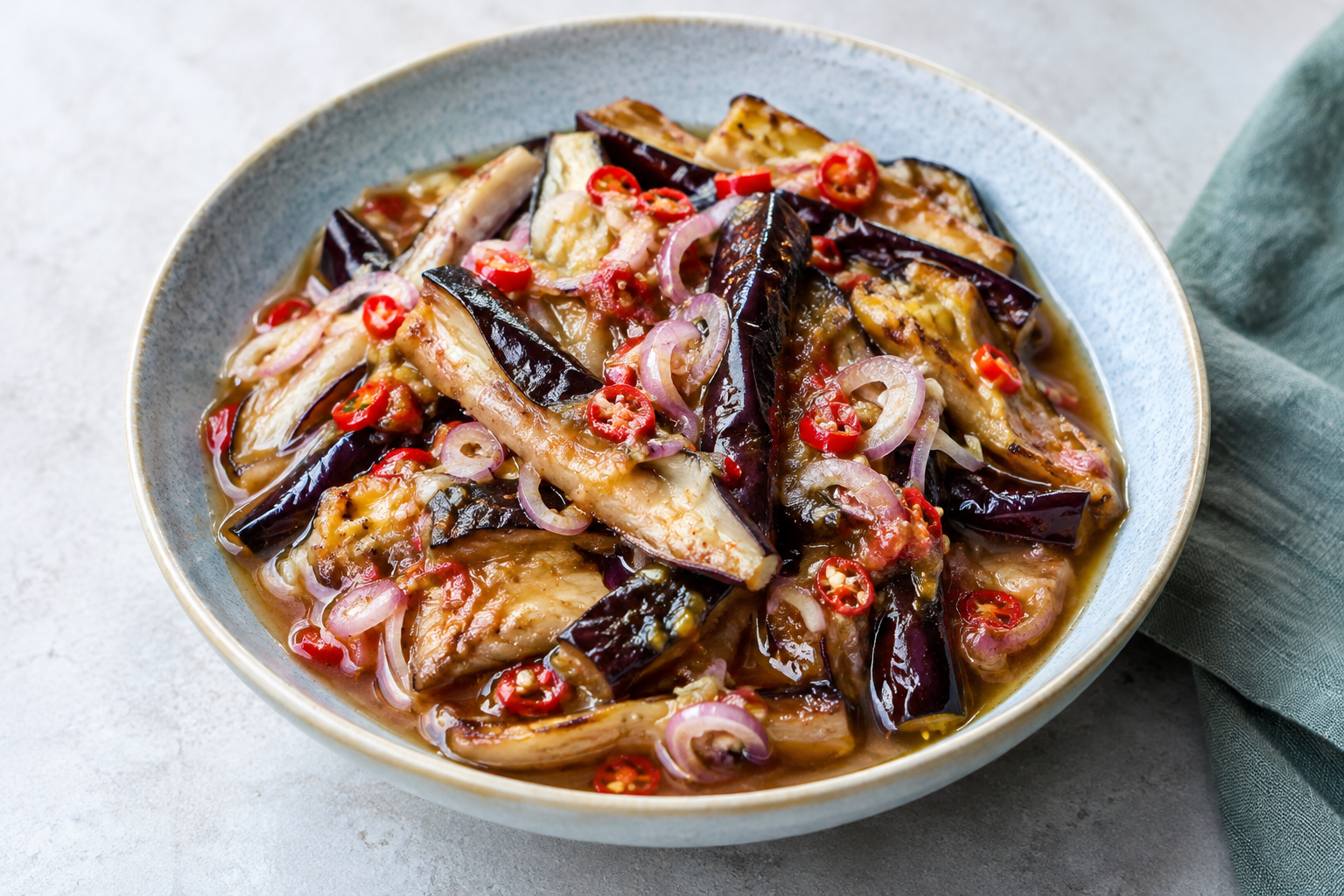
Charred eggplant turns soft and smoky in the oven; air asam counters it with tamarind, lime, chili and crisp shallot. A colorful Malaysian starter with few ingredients and plenty of contrast.
 Main course
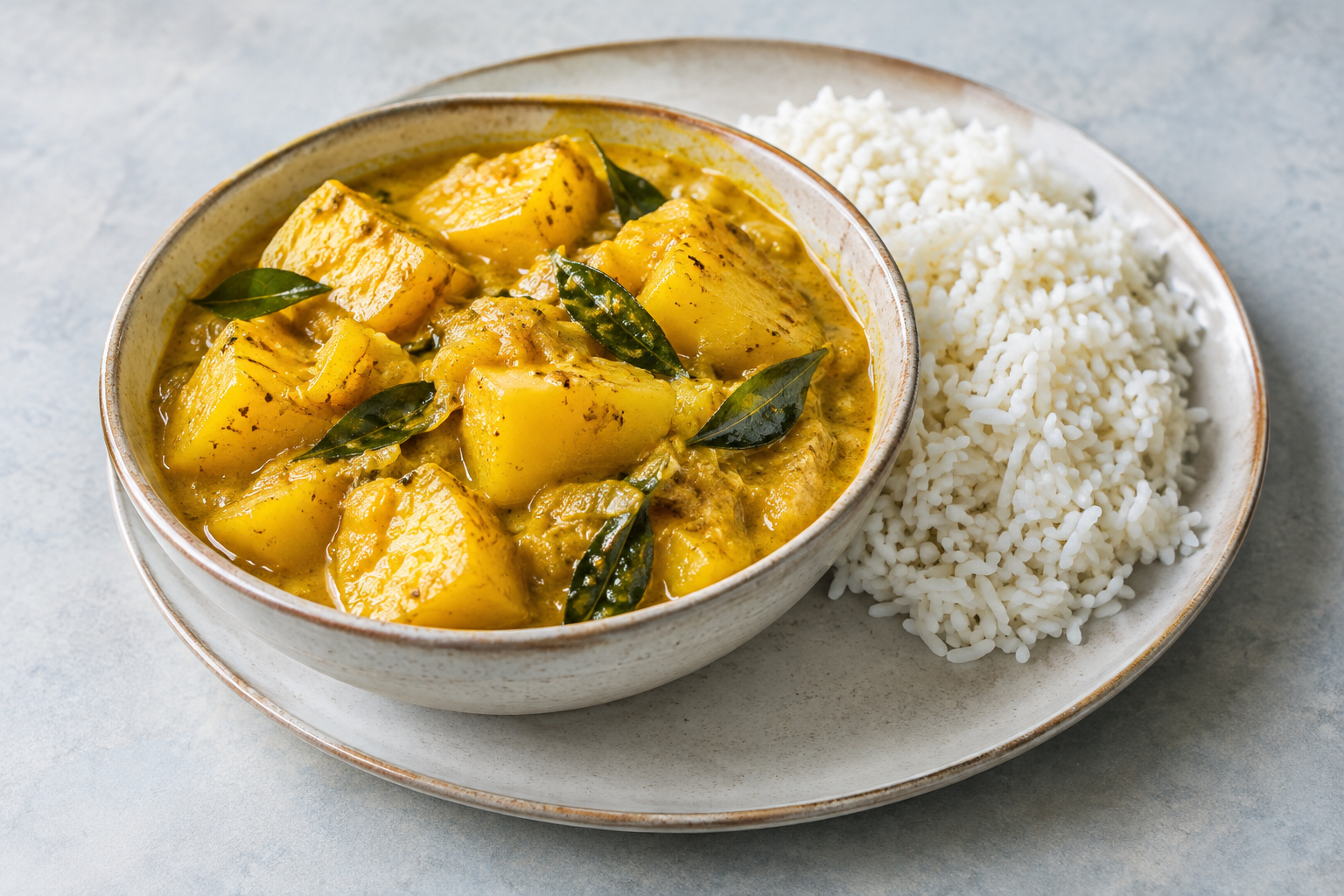
Potatoes take center stage in this fragrant kari kentang: they simmer in coconut milk with curry leaves, ginger and spices until the thick sauce clings to them. A squeeze of lime keeps everything fresh. Serve with rice or roti.
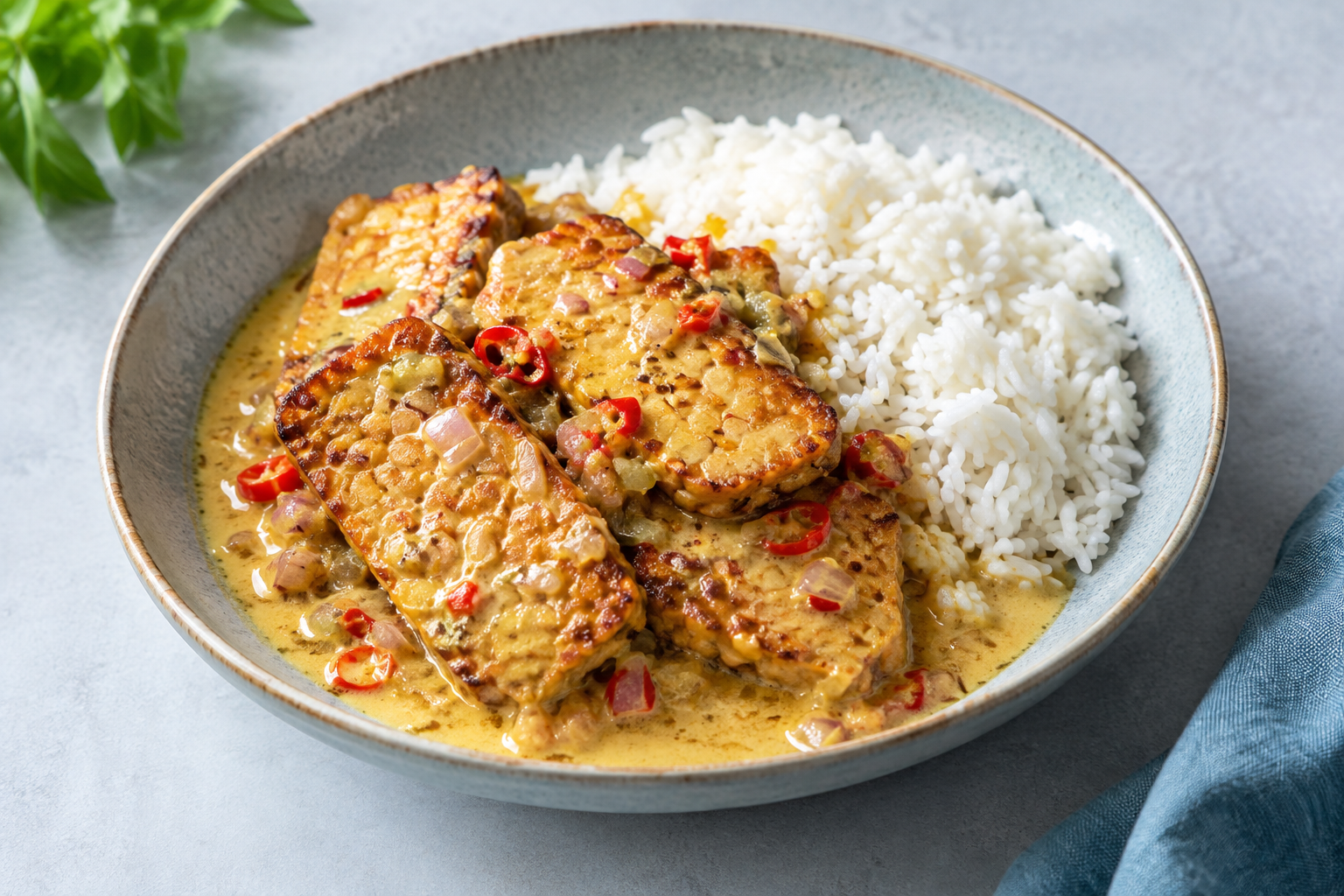 Main course
Golden-brown tempeh gets a brief simmer in coconut milk with tamarind, shallot and lemongrass. The sauce is creamy, savoury and slightly tart; white rice makes it a complete main course.
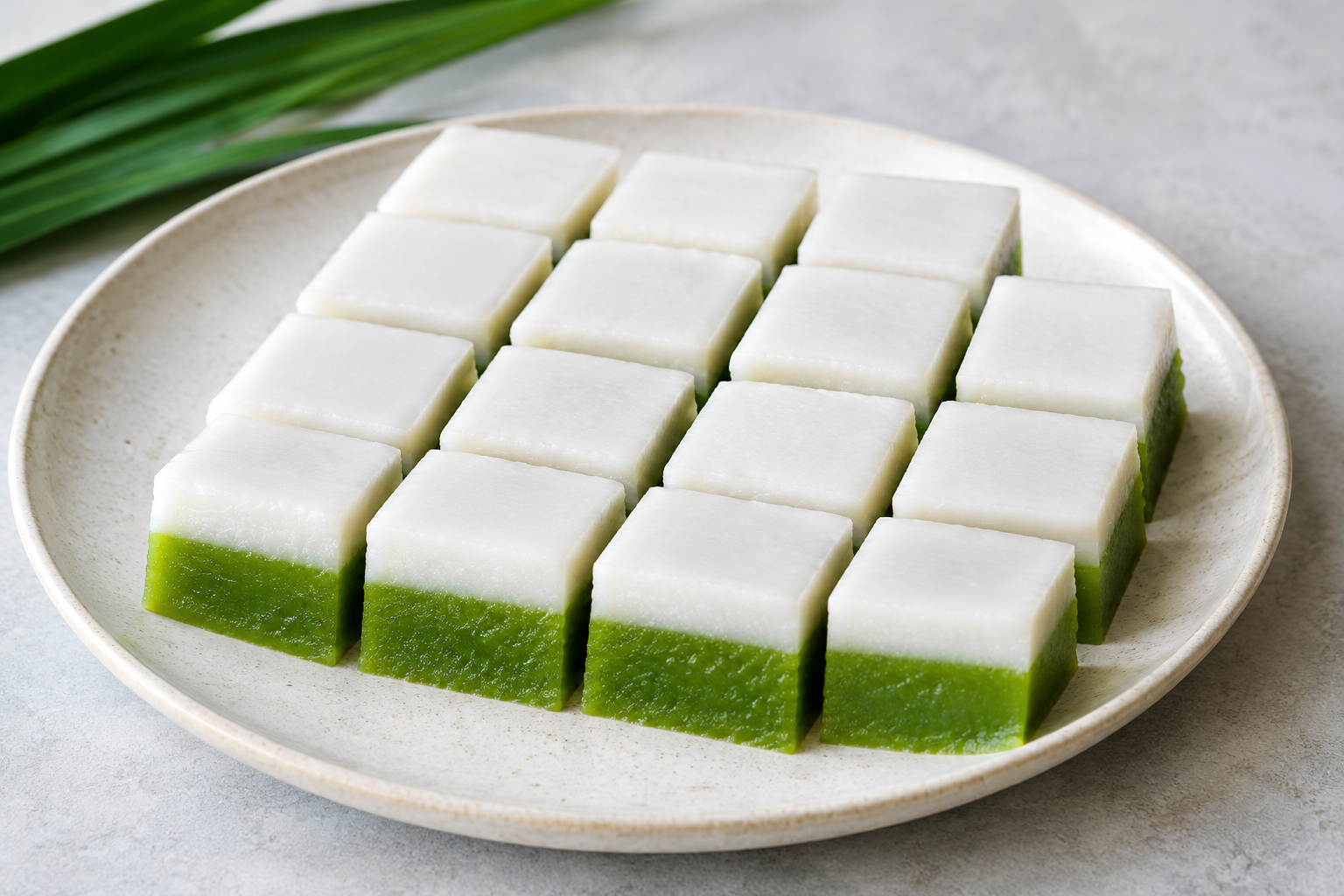 Dessert
This Malaysian steamed kuih has a fragrant green pandan layer and a soft white coconut milk layer. A touch of sweetness and a pinch of salt keep the flavors bright; once completely cool, cut the cake into neat squares.
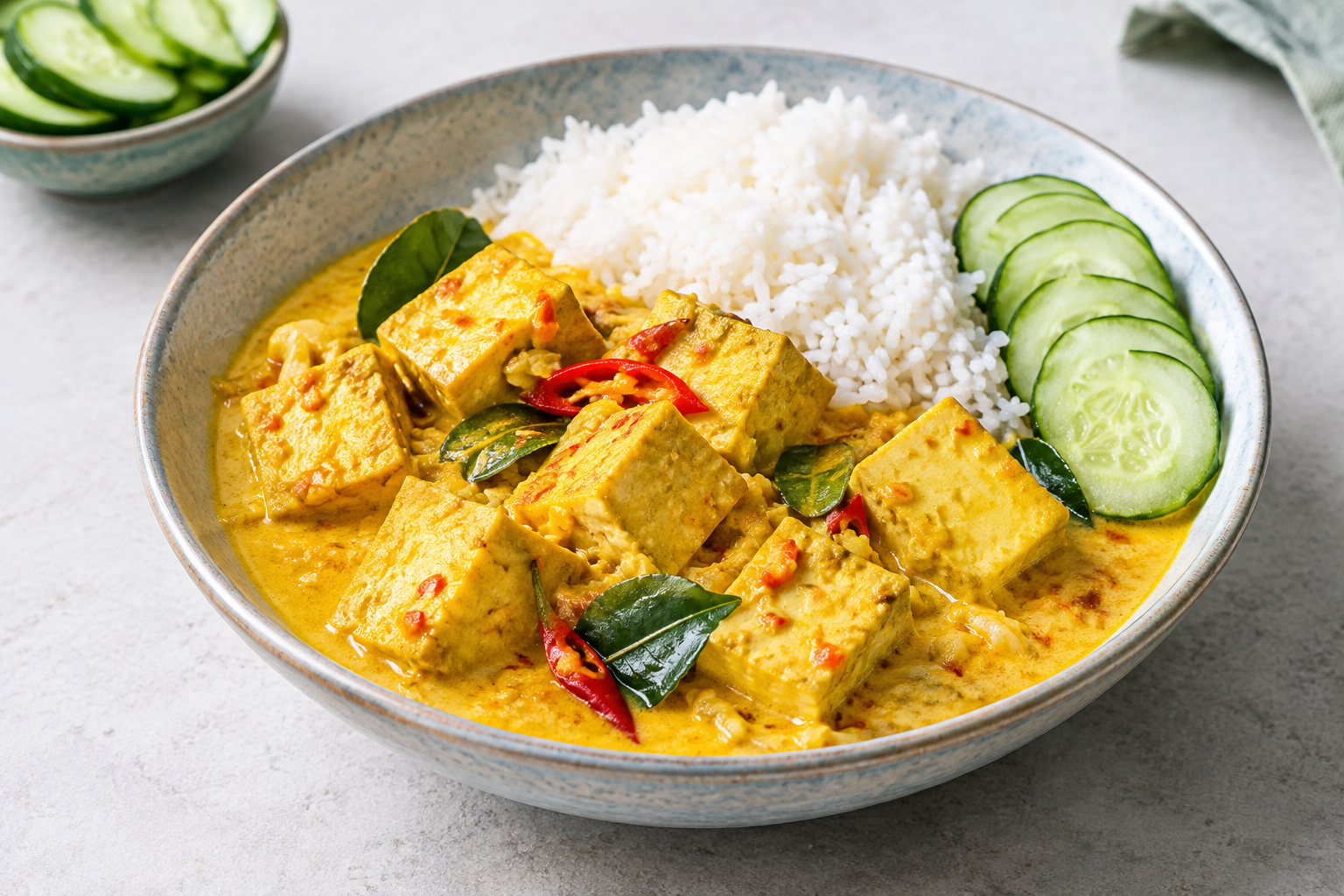 Main course
Firm tofu simmers in a creamy coconut sauce with fresh turmeric, bird’s-eye chilies and lime leaves. Rice and cool cucumber make a refreshing contrast.
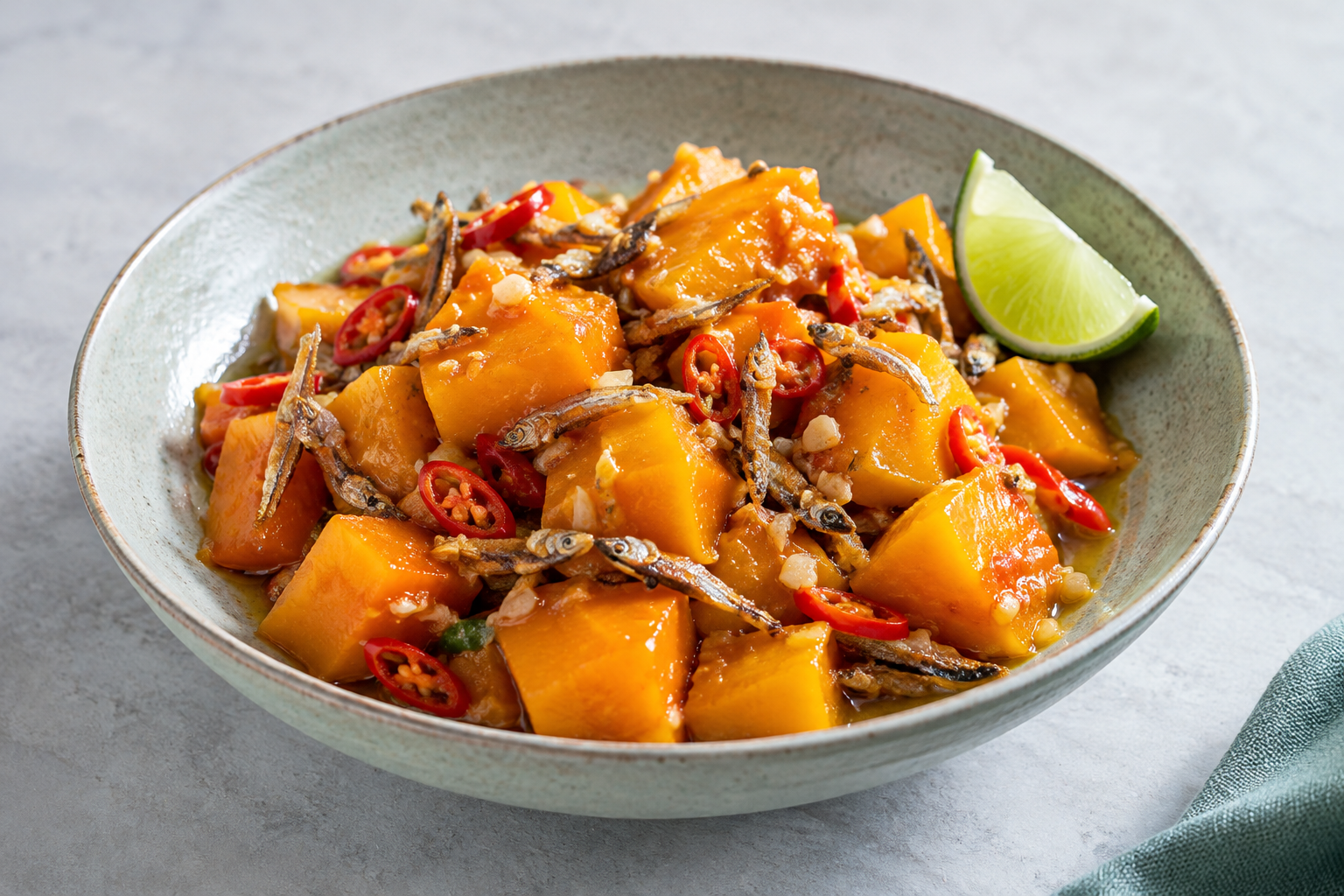 Side dish
Soft, slightly sweet pumpkin gets a kick from chili and a savory, salty flavor from fried ikan bilis. A squeeze of lime brightens this simple side dish; serve it with rice.
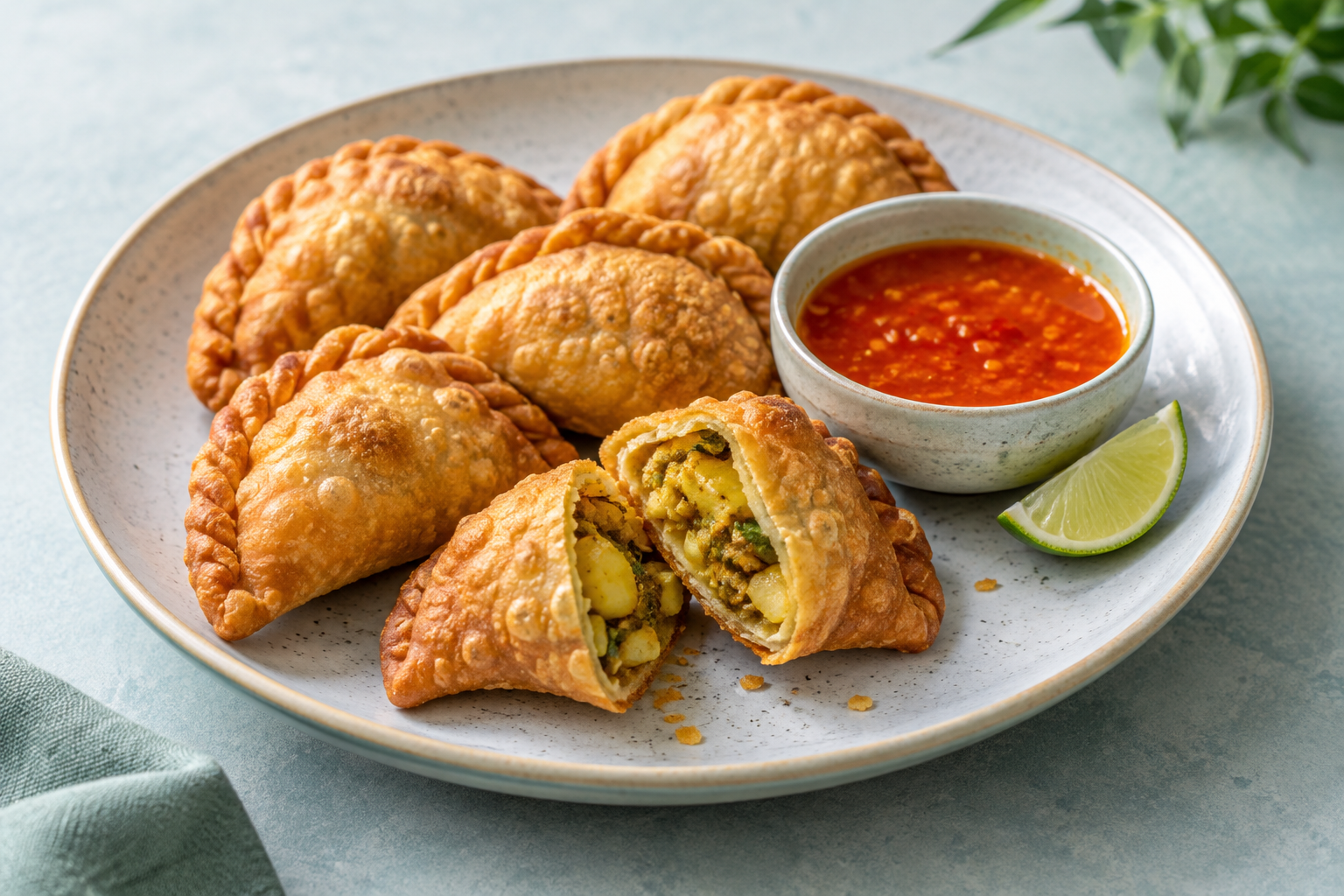 Side dish
Karipap are small, golden-brown pastries with a thin, crisp crust and a soft filling of potato, onion and spices. Curry leaves add a fragrant note to the filling; a fresh chili sauce provides a tangy, spicy counterpoint.
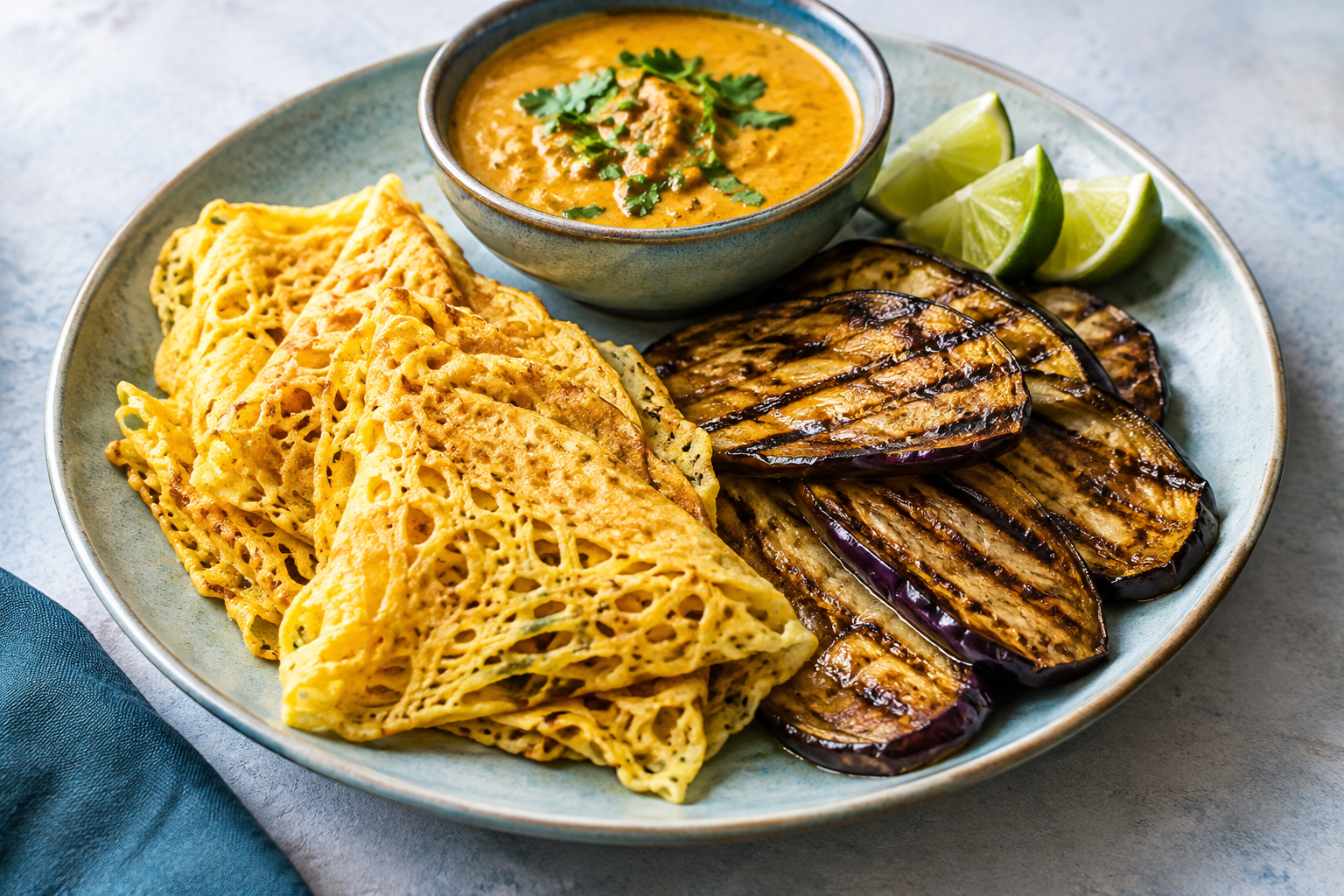 Lunch
Thin, lacy roti jala for scooping up a spoonful of fragrant curry sauce, with tender grilled eggplant as a savory filling. A contemporary, vegetable-rich lunch inspired by the Malaysian pancake.
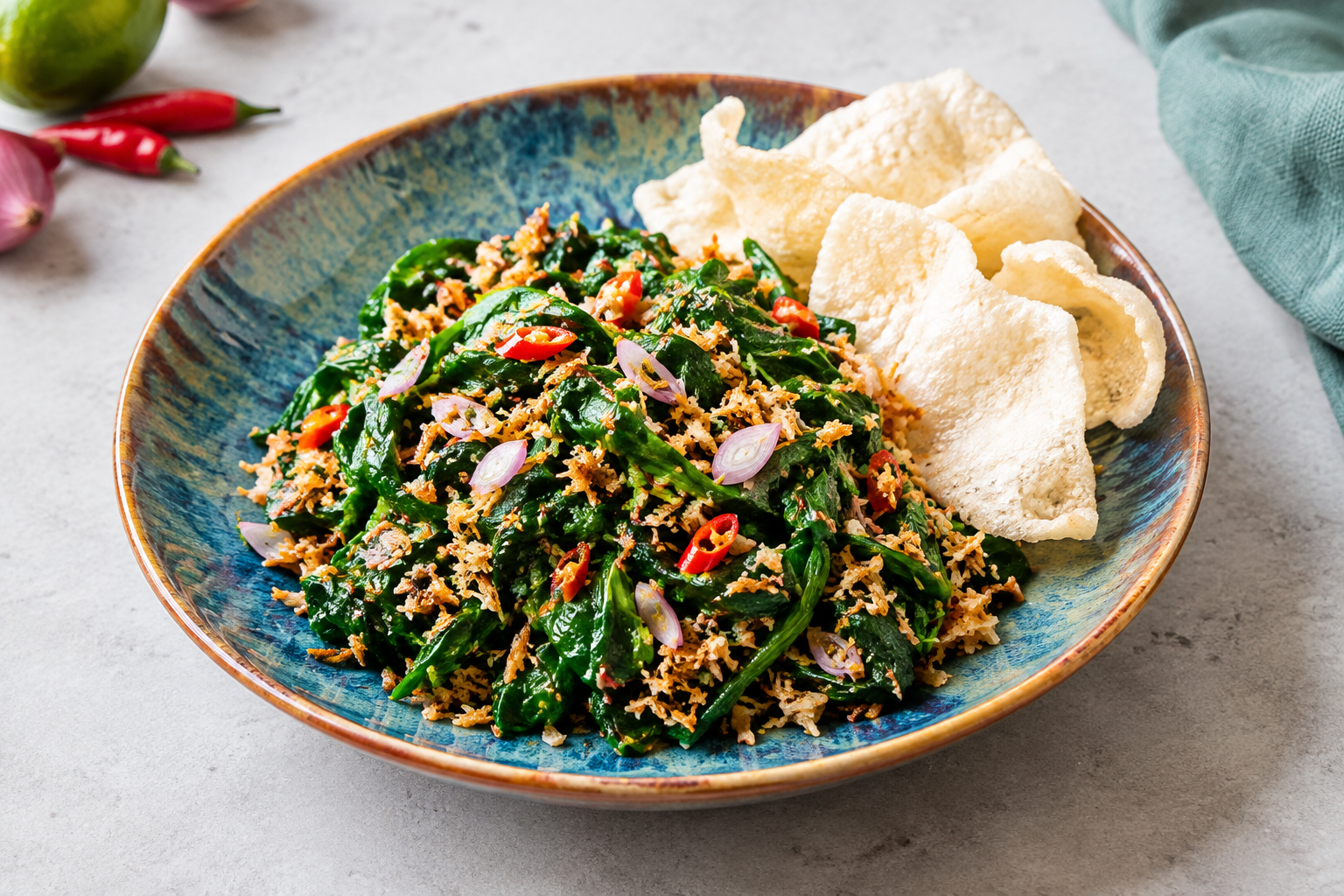 Side dish
This kerabu combines tender spinach with nutty toasted coconut and a punchy dressing of lime, shallot and belacan. Serve the salad at room temperature as a small starter.
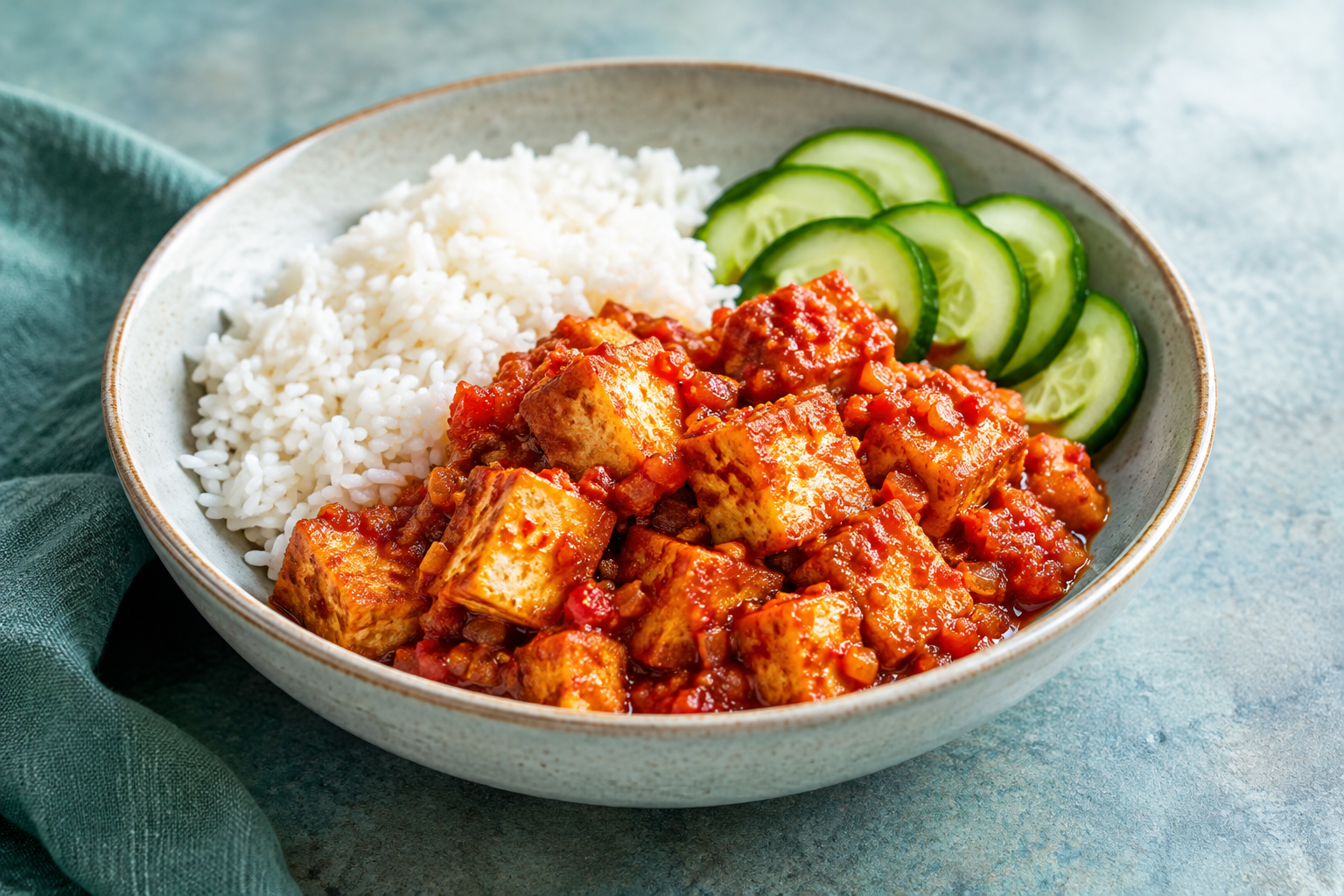 Main course
Golden-brown fried tofu gets a generous coating of spicy sambal made with red chili, shallot, garlic and tomato. Served with rice and cool cucumber, it makes a hearty main course with just enough freshness to balance the warm sauce.
 Main course
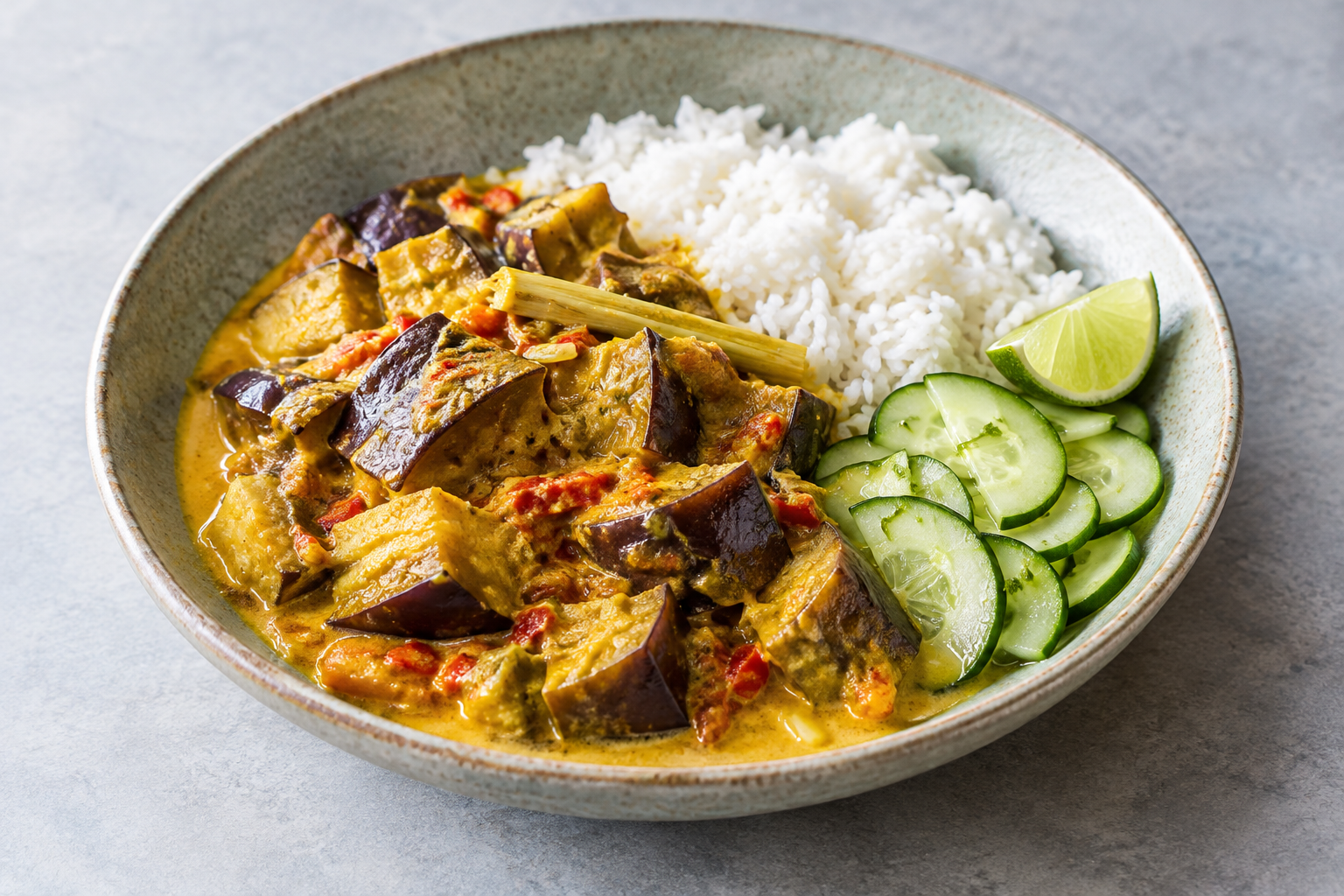
In this Malaysian gulai, aubergine softens in a fragrant sauce of coconut milk, chilli, turmeric, ginger and lemongrass. Served with rice and fresh cucumber, it makes a complete meal in which the mild vegetable absorbs the spices beautifully.
 Main course
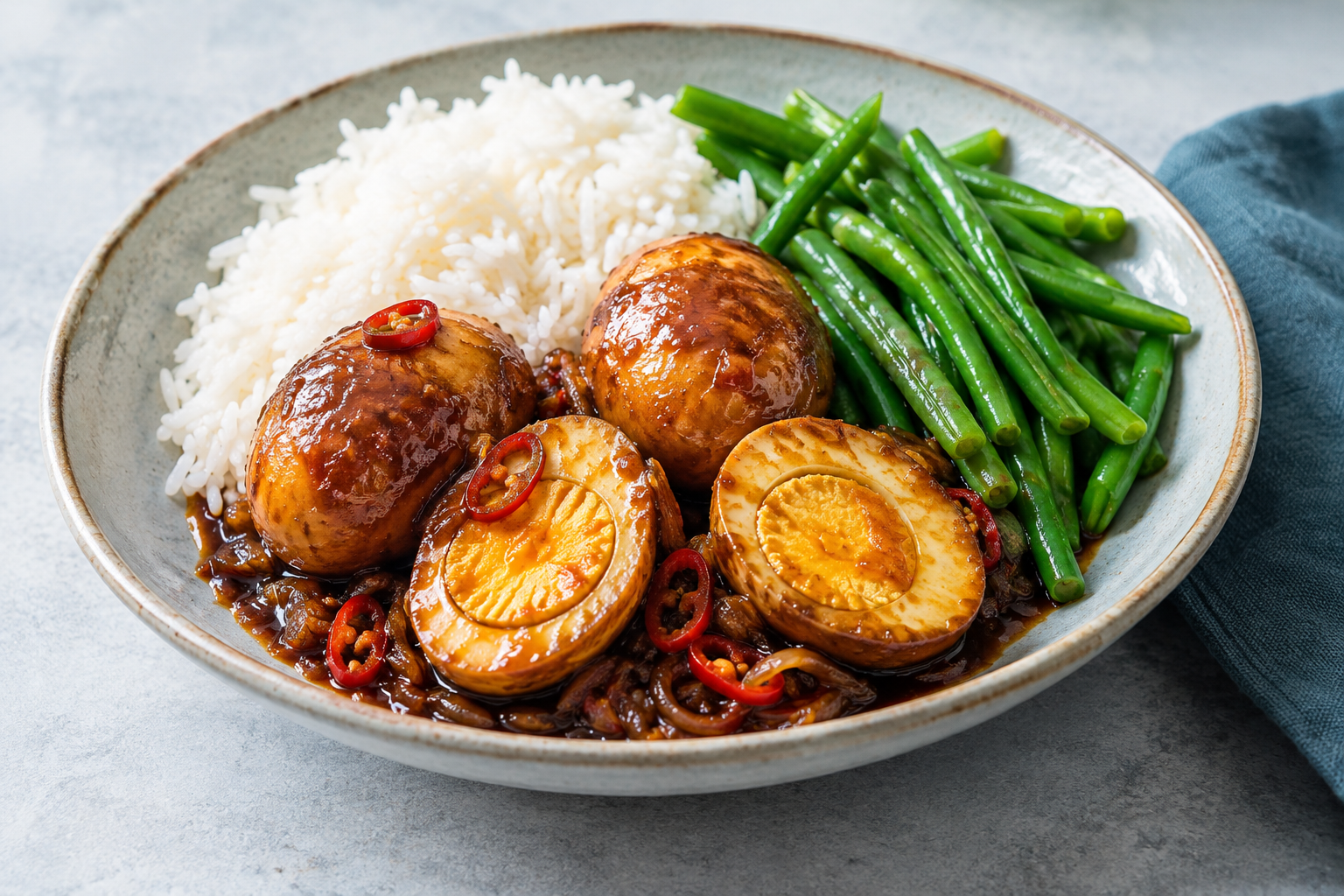
Hard-boiled eggs are briefly fried until lightly blistered, then simmered in a glossy sauce of kicap manis, shallot, garlic and chili. Served with rice and crisp green beans, this savory, sweet-and-spicy dish makes a hearty main course for two.
 Main course
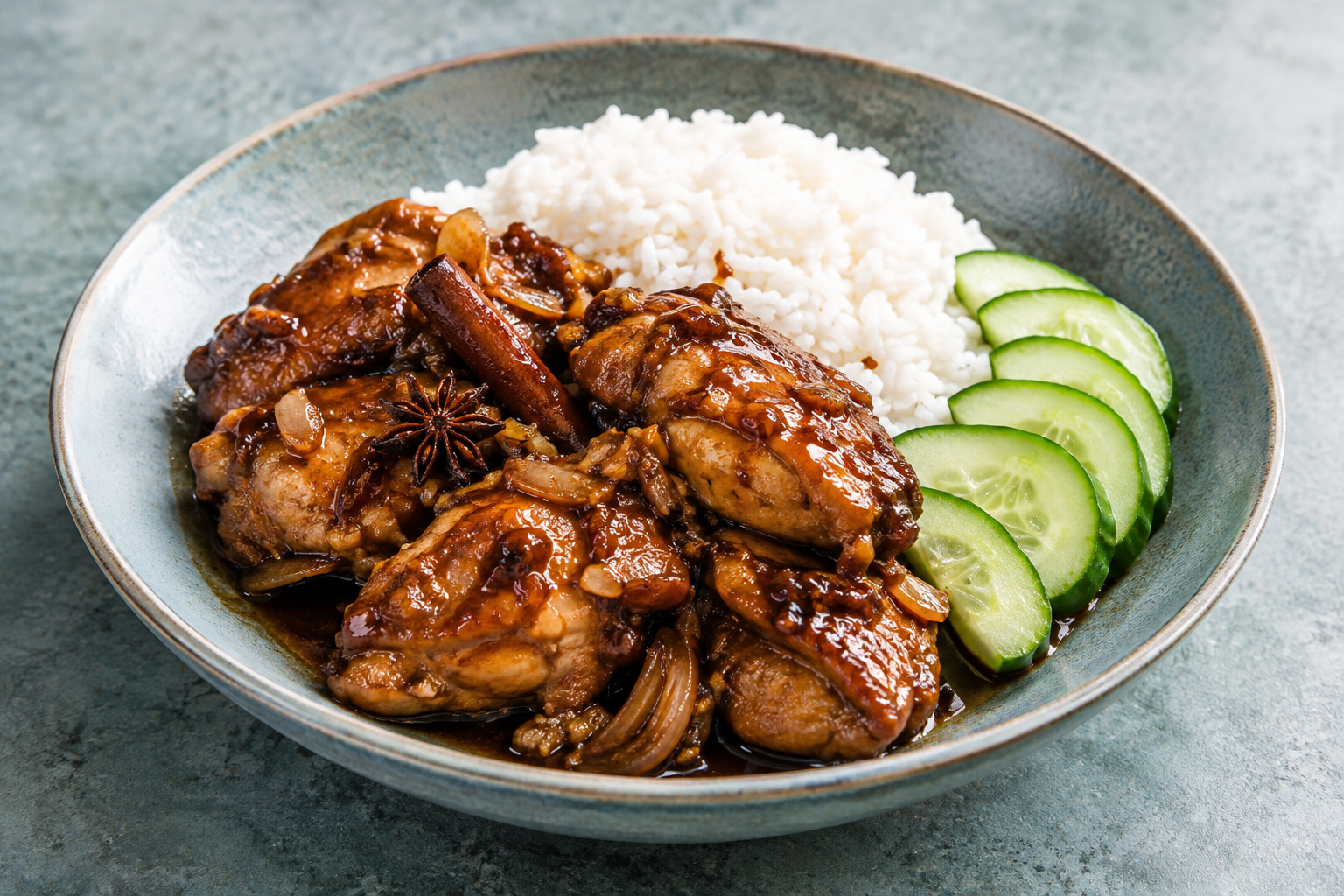
Tender chicken absorbs the savory, subtly sweet flavor of dark and light soy sauce as it simmers. Shallot, garlic, ginger, and warming spices add depth to the glossy sauce, while cucumber and rice keep the plate fresh and balanced.
Malaysia has a wide range of regional food cultures, so the dishes here don’t represent one fixed style. Char kway teow is associated with Penang: wide rice noodles are stir-fried in small batches over high heat, so they take on color rather than steaming until soft. Bean sprouts and Chinese chives are added right at the end, for a fresh bite. Penang assam laksa, by contrast, centers on a sour, aromatic mackerel broth with tamarind and fresh garnishes. Kelantan offers a different combination: ayam percik gets a spiced coconut sauce that forms sticky, darker edges as it roasts. These regional names offer a guide to the dishes; they don’t mean that every version is the same everywhere.
Sambal doesn’t have just one flavor: chili can be combined with shrimp paste, onion, garlic, sourness and sometimes a little sugar. Belacan and ikan bilis bring a pronounced salty umami flavor; tamarind or lime keeps it in balance. In nasi lemak, coconut rice softens the spicy sambal ikan bilis, while cucumber, egg and peanuts each bring something different: freshness, softness and crunch. To make some recipes less hot, you can reduce the chili, but leave the other seasonings as they are and taste to check the balance again. Sambal belacan and budu are more specific ingredients; substitutions will change the flavor, so use them as directed whenever possible.
For a light, fresh spread, try kerabu with cucumber, pineapple and long beans, or grilled pineapple with tamarind as a side dish. The salad combines crunchy vegetables with herbs and toasted coconut; mix in the dressing just before serving so the vegetables stay crisp. If you’re after something heartier, the laksa dishes offer a choice between sour broth with rice noodles and a thicker coconut sauce with mackerel and spaghetti. In nasi kerabu, vegetables, herbs, coconut and fried fish bring several textures together on one plate. Toast coconut flakes briefly and keep an eye on them: they brown quickly. When frying noodles, it also helps to work in batches; an overcrowded pan cools down and makes the noodles steam instead.