Choose your texture: roasted, blanched or soft
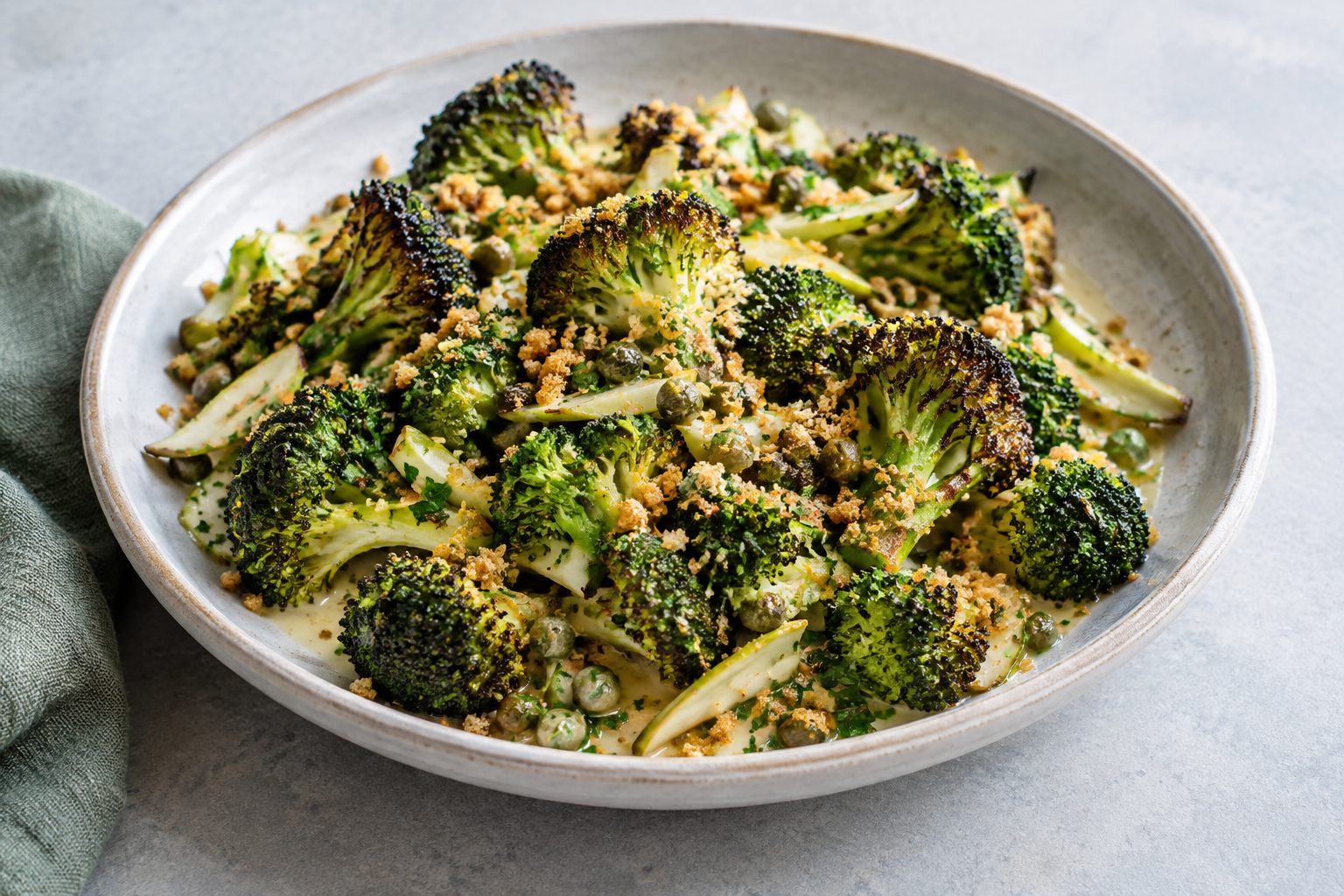
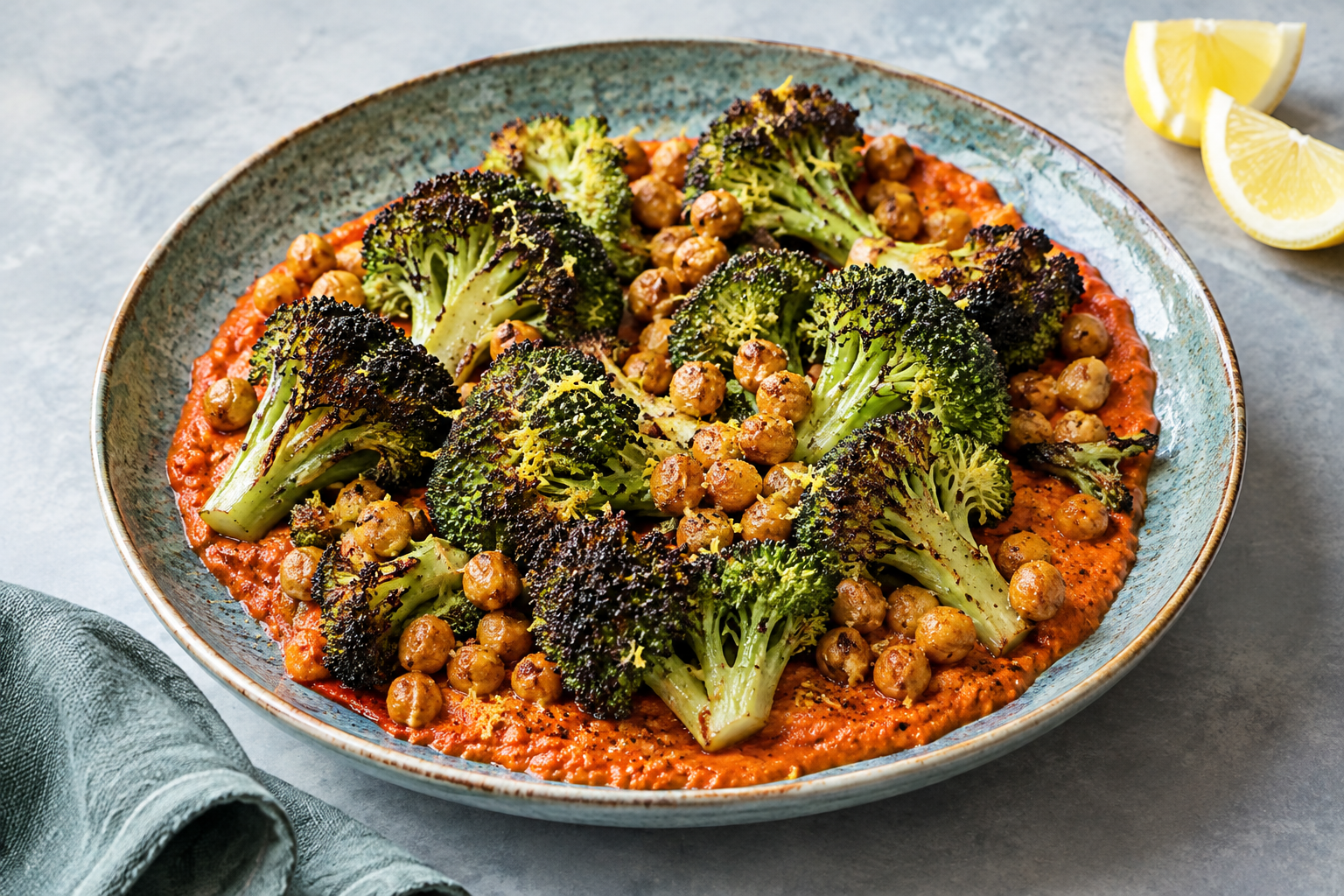
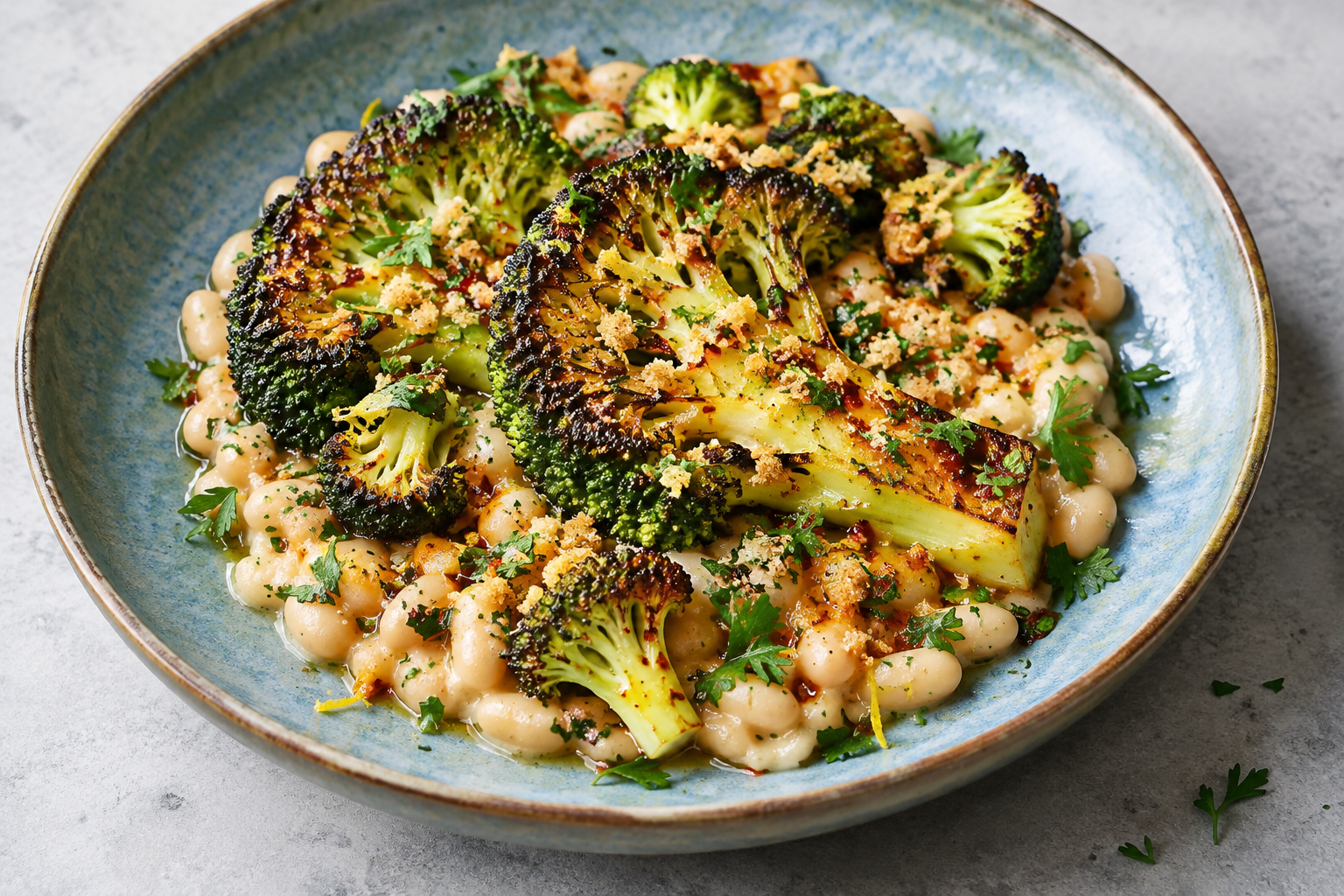
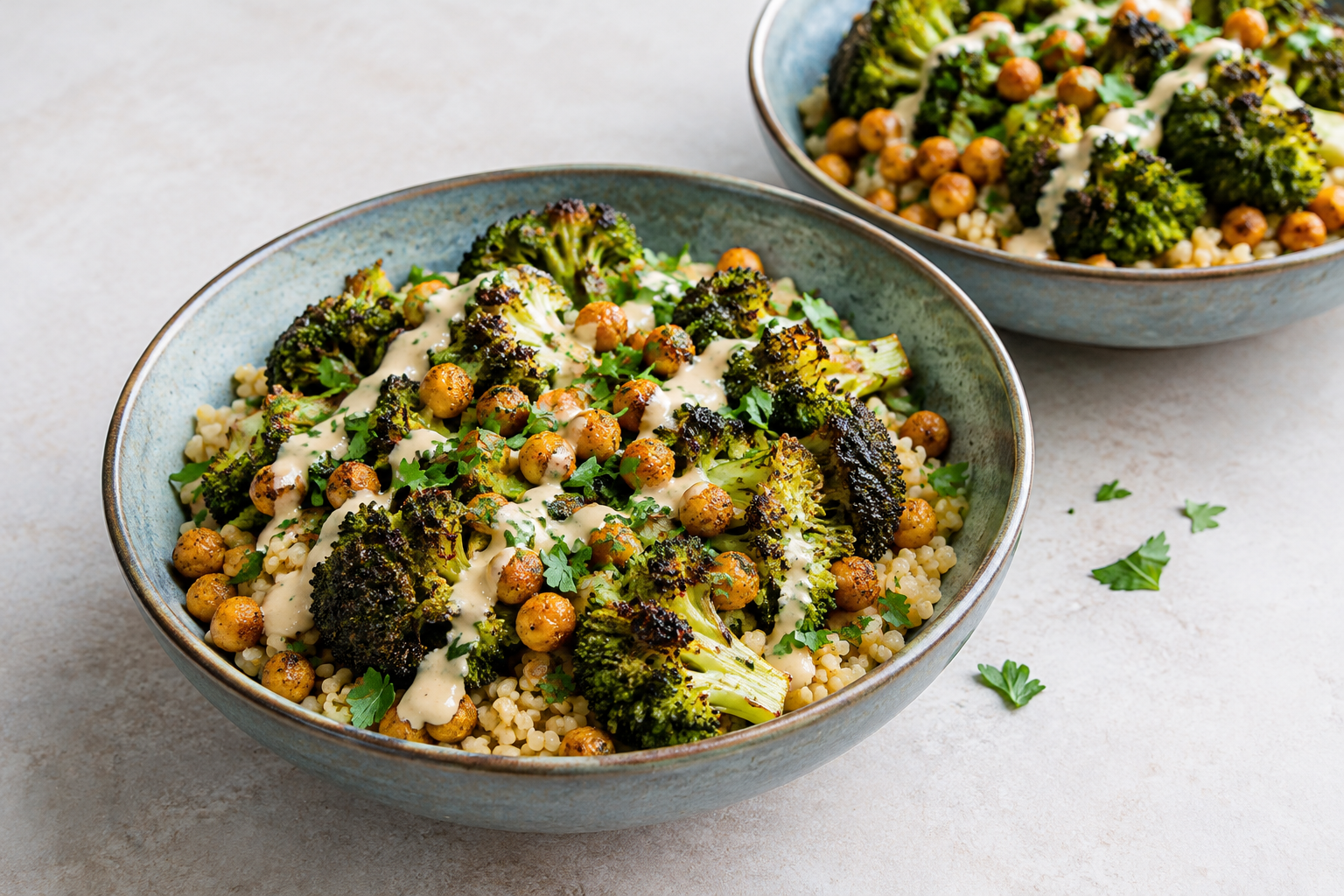
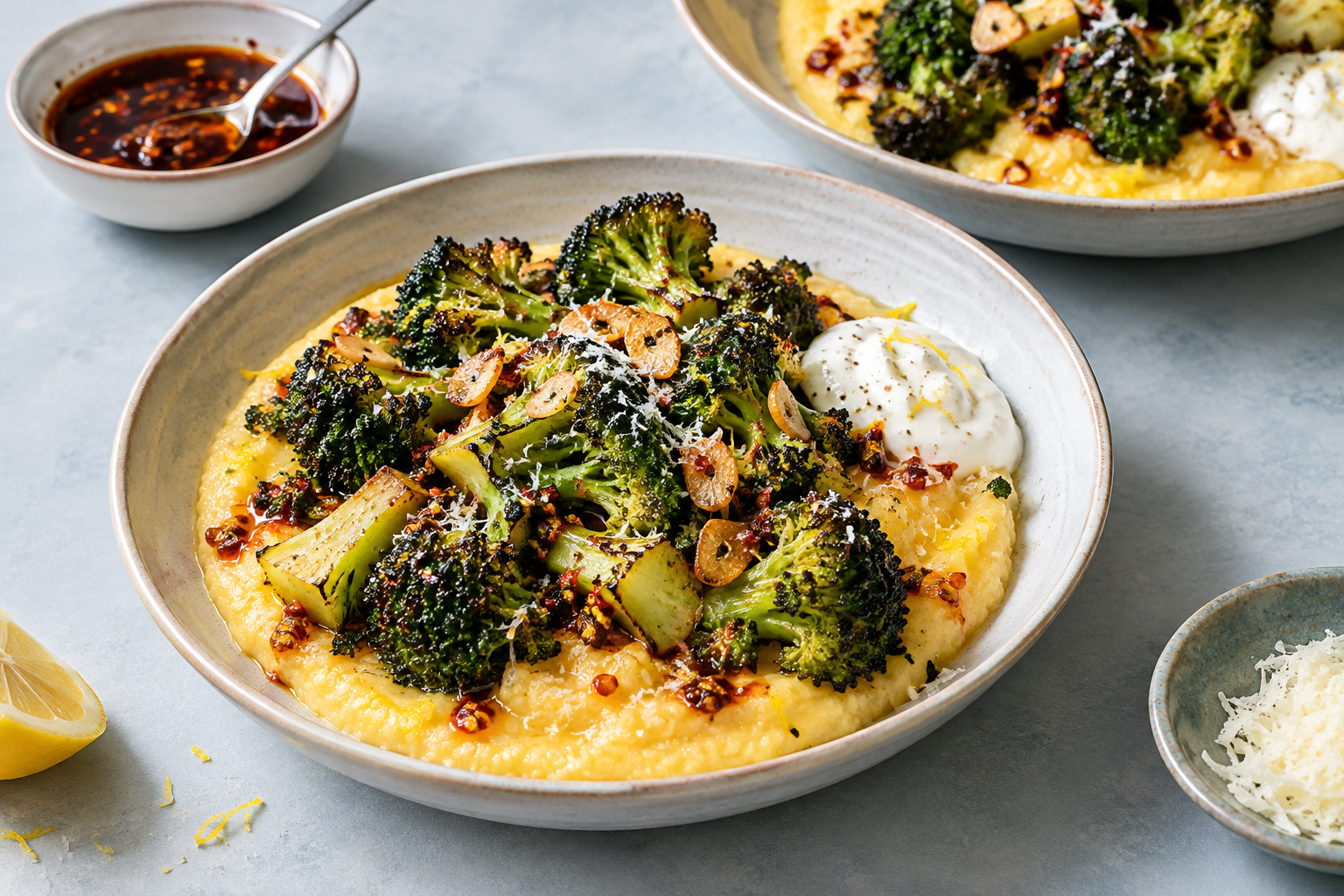
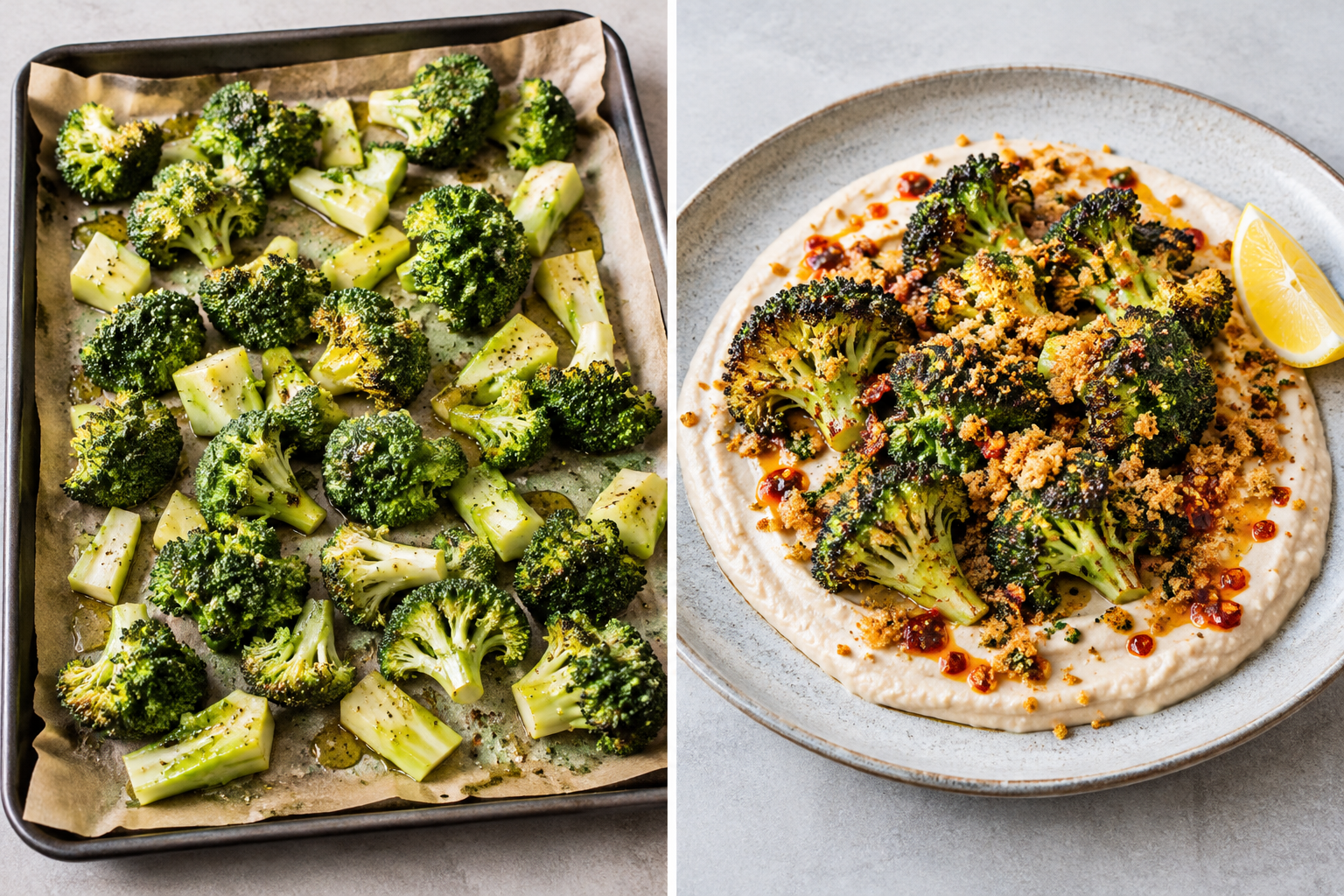
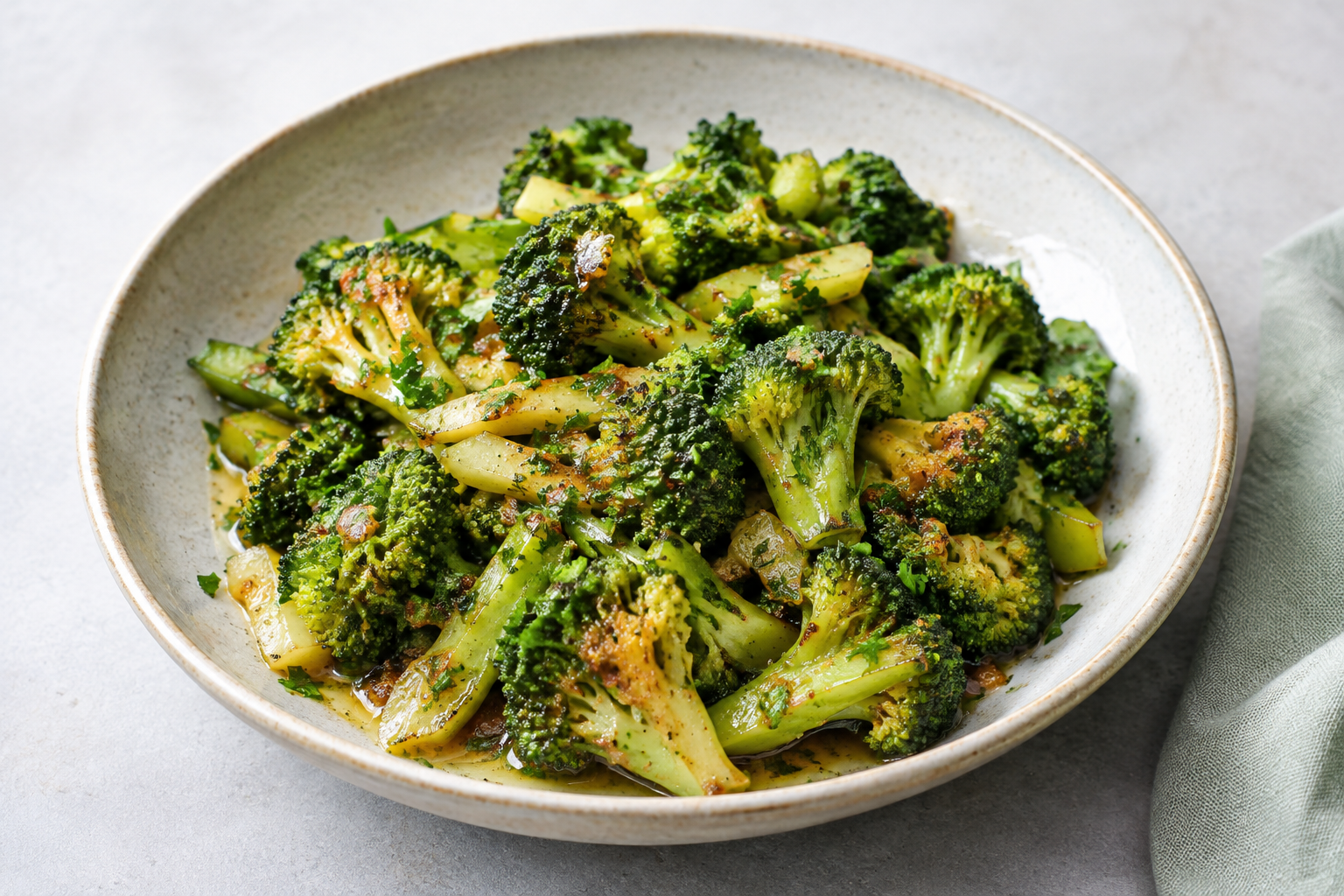
For dark edges and a firm bite, roasting at a high temperature is a good choice. Cut the florets to about the same size, pat wet broccoli dry and spread it out on the baking sheet. If the pieces are too close together, they’ll steam instead of brown. You can taste the difference in dishes like roasted broccoli with romesco, lemon and crispy chickpeas and charred broccoli with lemon-caper sauce. A preheated baking sheet helps the broccoli brown underneath as soon as it goes in the oven.
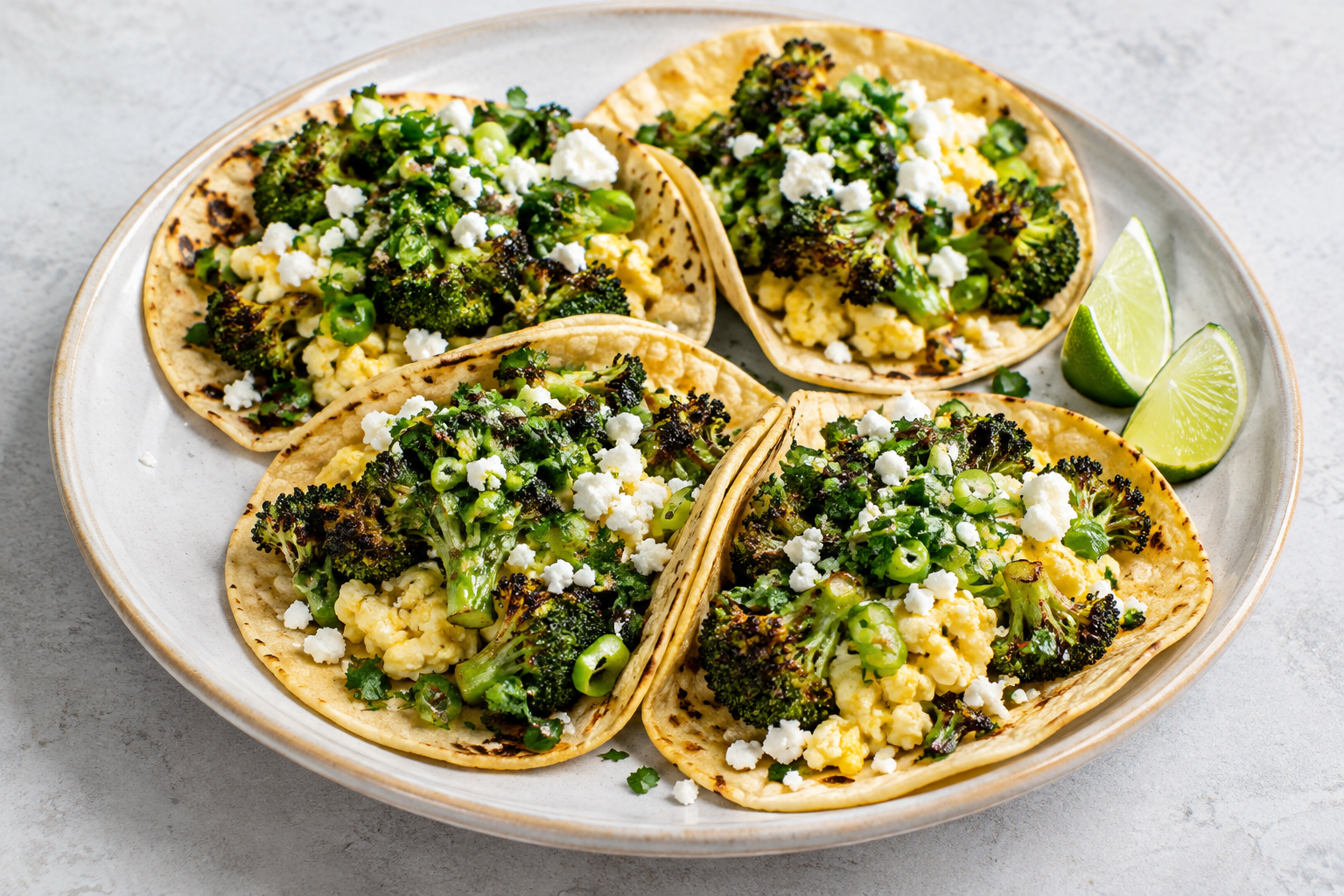
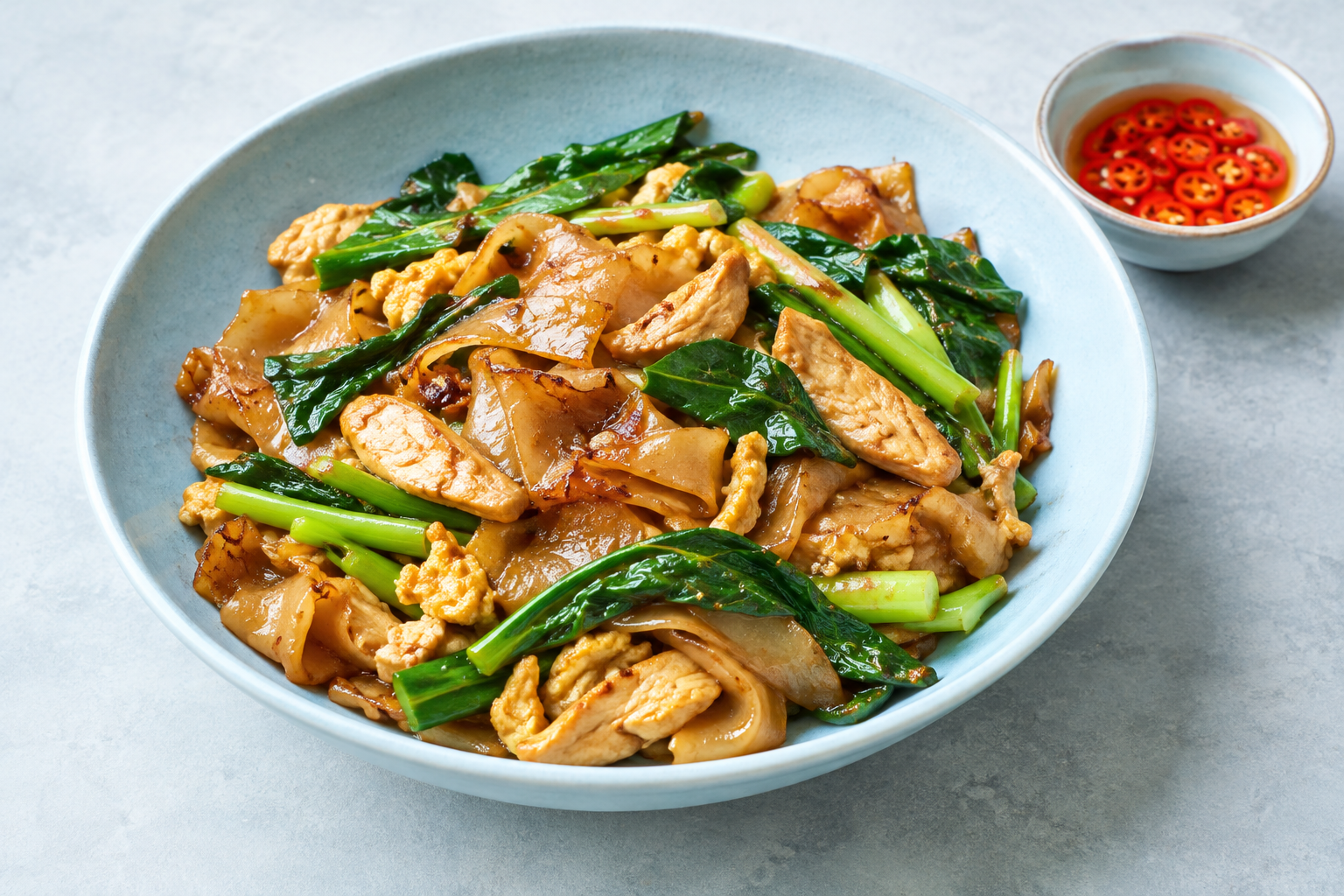
A skillet or wok offers other possibilities. In the breakfast tacos, the broccoli gets charred spots while the scrambled eggs stay soft; in pad see ew, you briefly fry the noodles against the hot wok to give them dark, lightly caramelized spots. Have all your ingredients ready before you start wok dishes: over high heat, there’s little time to chop anything else. For a smooth, soft sauce, longer cooking works better. In orecchiette with broccoli, anchovies and chili, some of the broccoli is mashed and stirred with pasta water to make a sauce.
Round out broccoli with acidity, sauce and something crunchy
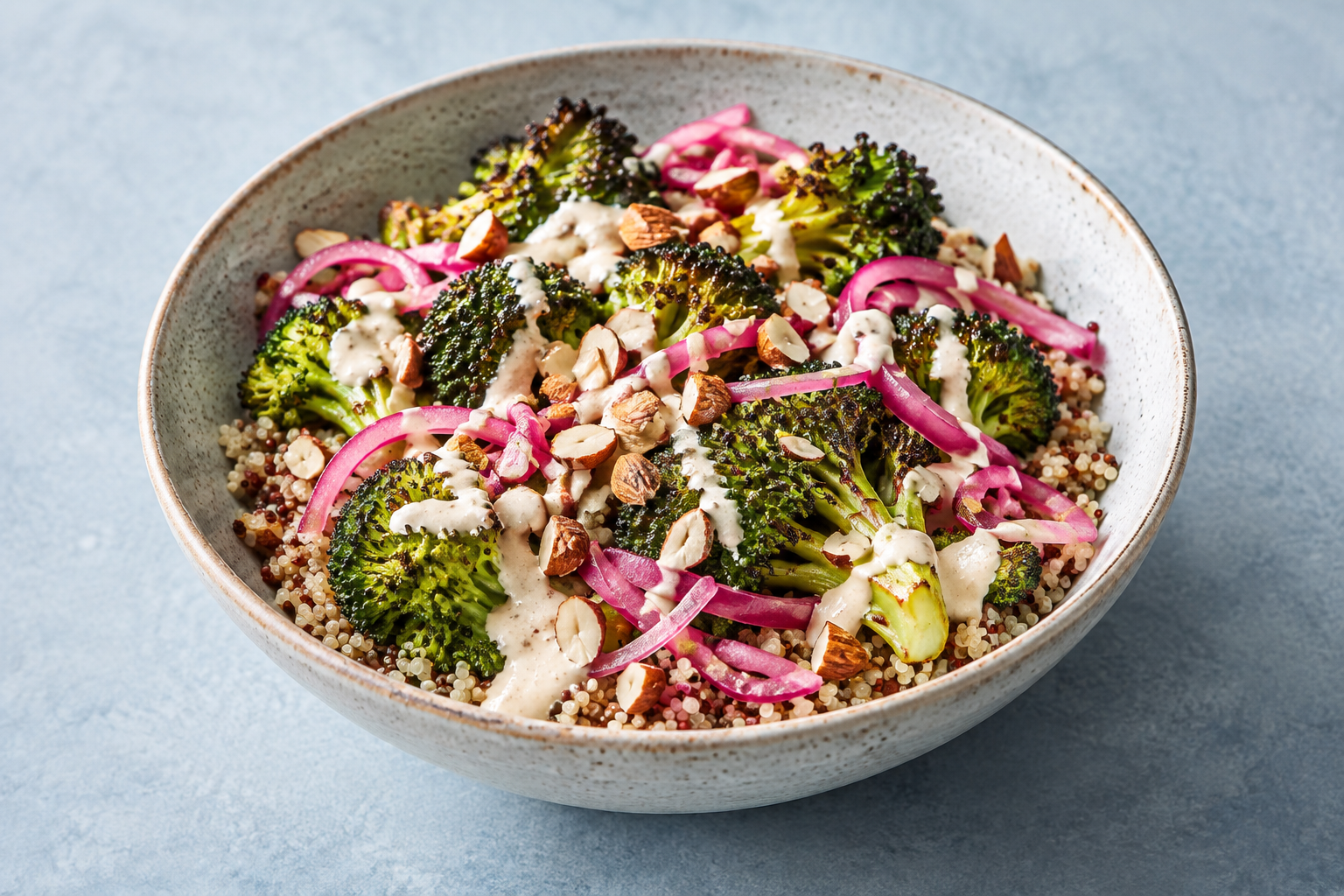
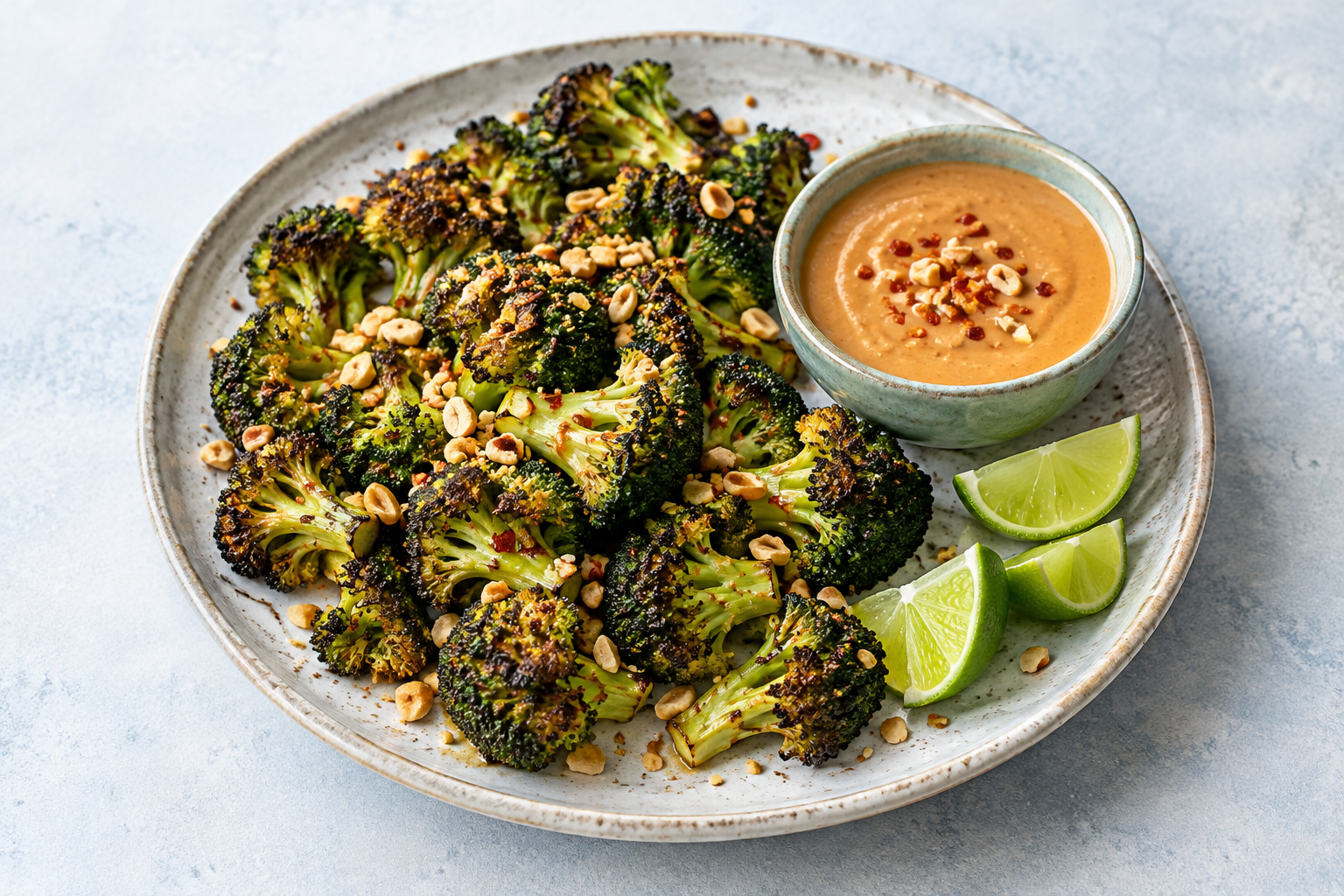
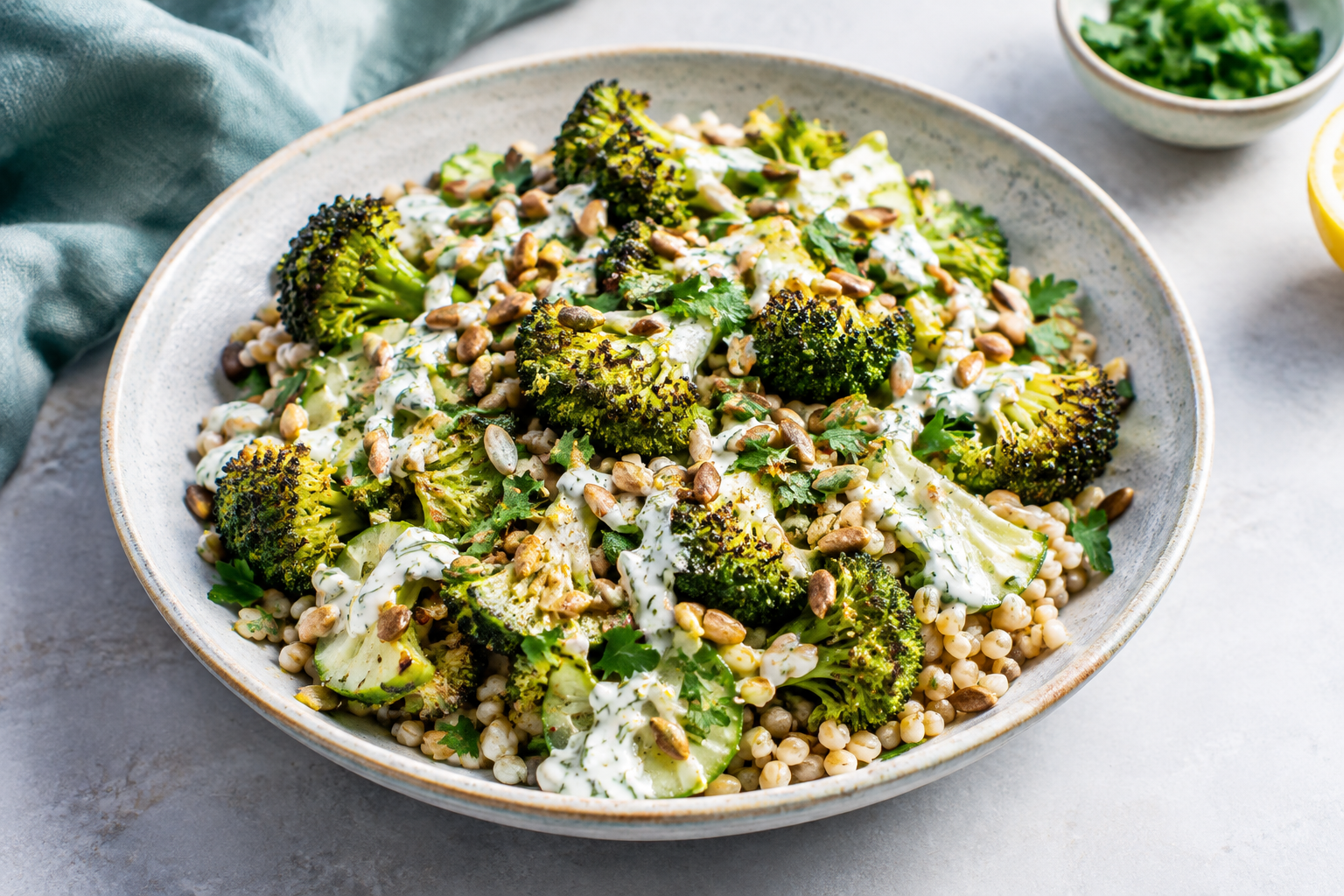
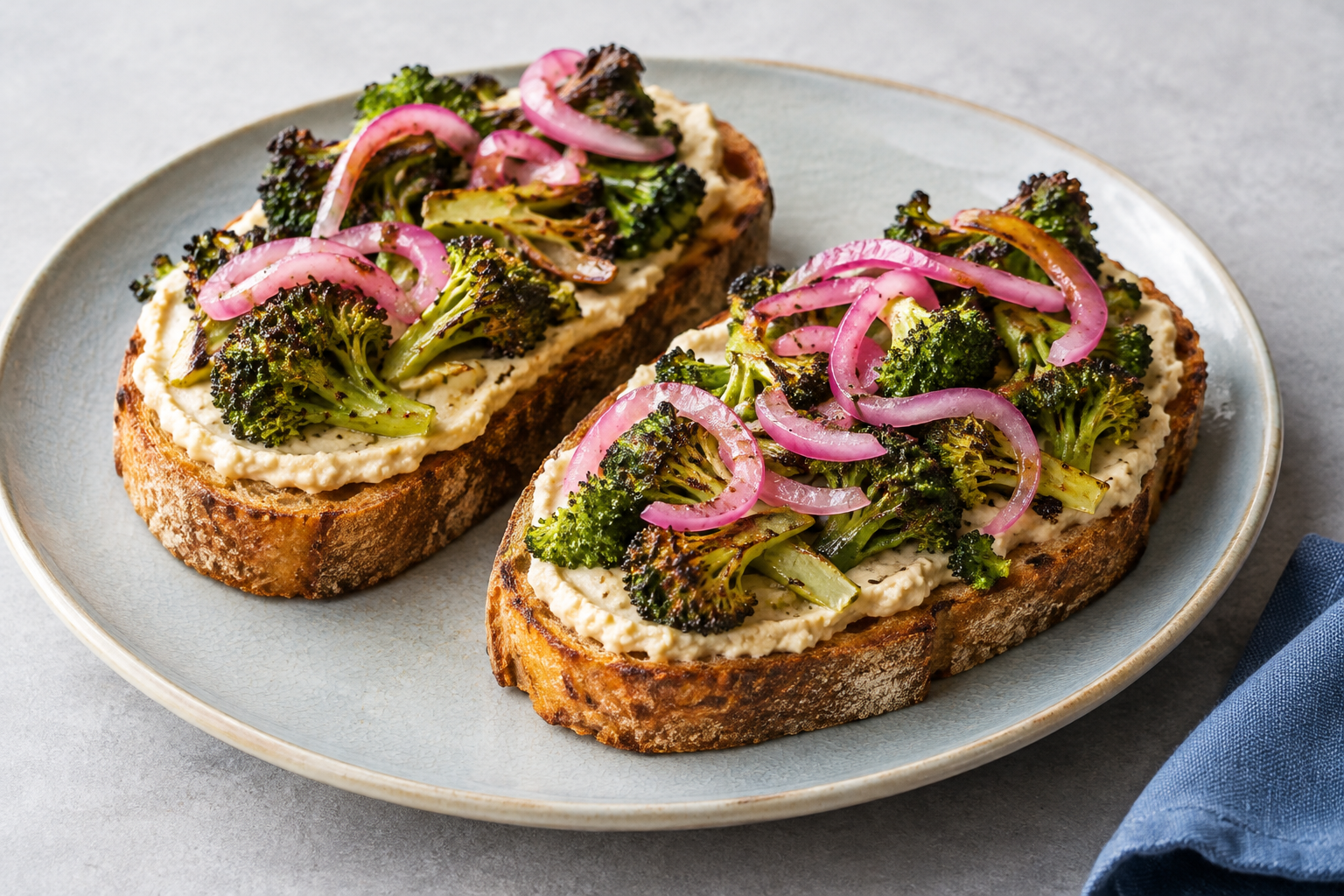
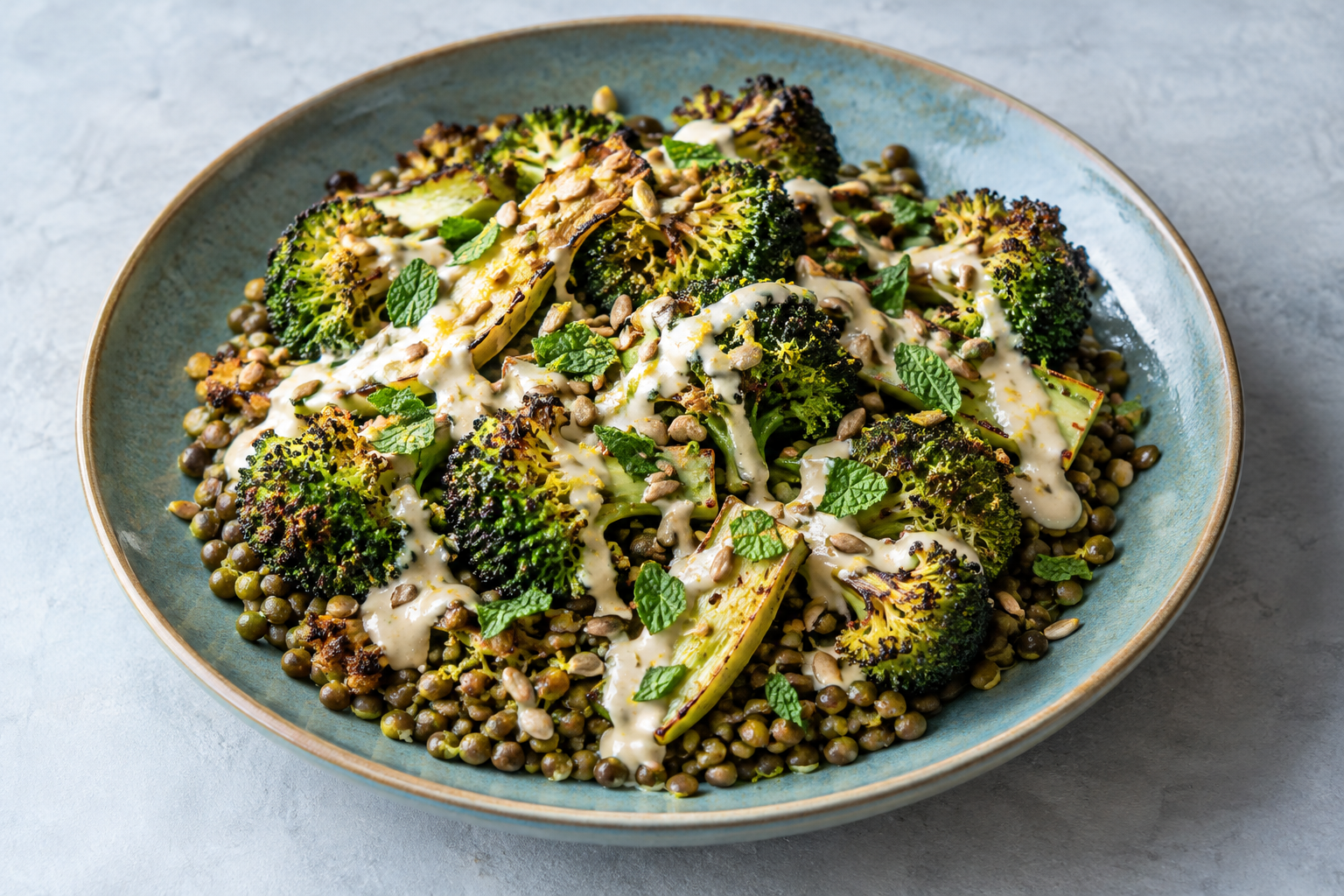
Broccoli has enough flavor to stand on its own when roasted or fried, but a contrast often makes a plate more balanced. Lemon, lime, vinegar and pickled onion add freshness; tahini, yogurt, peanut sauce and romesco provide a creamy base. The quinoa with charred broccoli and tahini sauce combines lemon with nutty tahini and pickled red onion. In the broccoli florets with lime-peanut dip, the acidity of the lime cuts through the richness of the peanut butter.
Think about how the sauce affects the texture, too. Spoon it over or alongside the broccoli if you want to keep the roasted edges crisp, rather than mixing everything well in advance. Toasted almonds, peanuts, breadcrumbs or crispy chickpeas add a clear contrast. Use the stem, too: peel only the tough outer part and slice the tender inside. This helps it cook more evenly and means less broccoli goes to waste.
From Italian pasta to Thai noodles
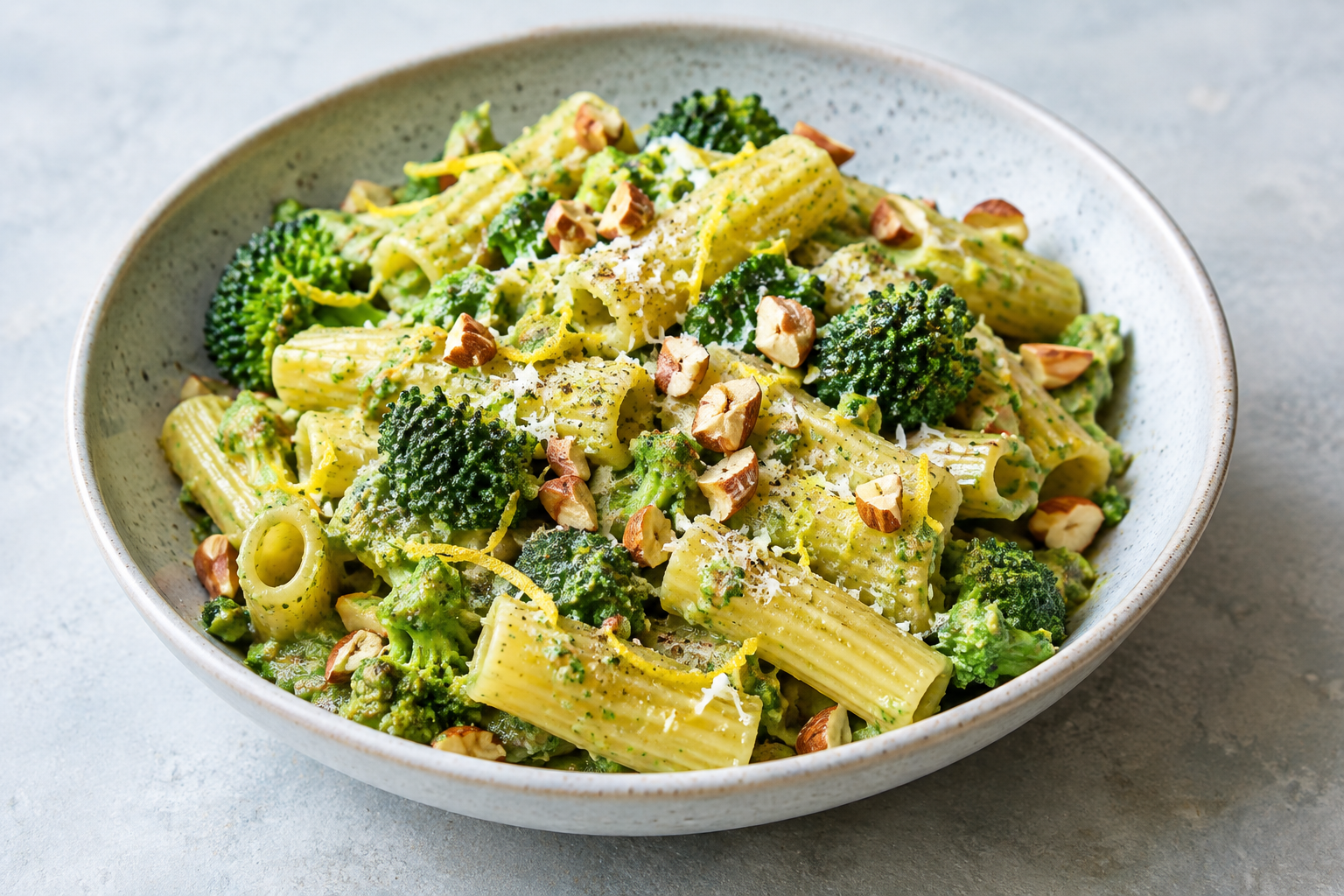
Broccoli plays different roles in this collection, depending on the dish. In the Italian orecchiette with broccoli, anchovies and chili, it’s cooked until soft and partly mashed into a chunky sauce. Lemon and toasted breadcrumbs add freshness and crunch. The rigatoni with broccoli, lemon and toasted almonds uses a similar pasta technique: pasta water helps the mashed broccoli cling to the pasta. These are two different ways to make broccoli part of the sauce, rather than a separate vegetable on top.
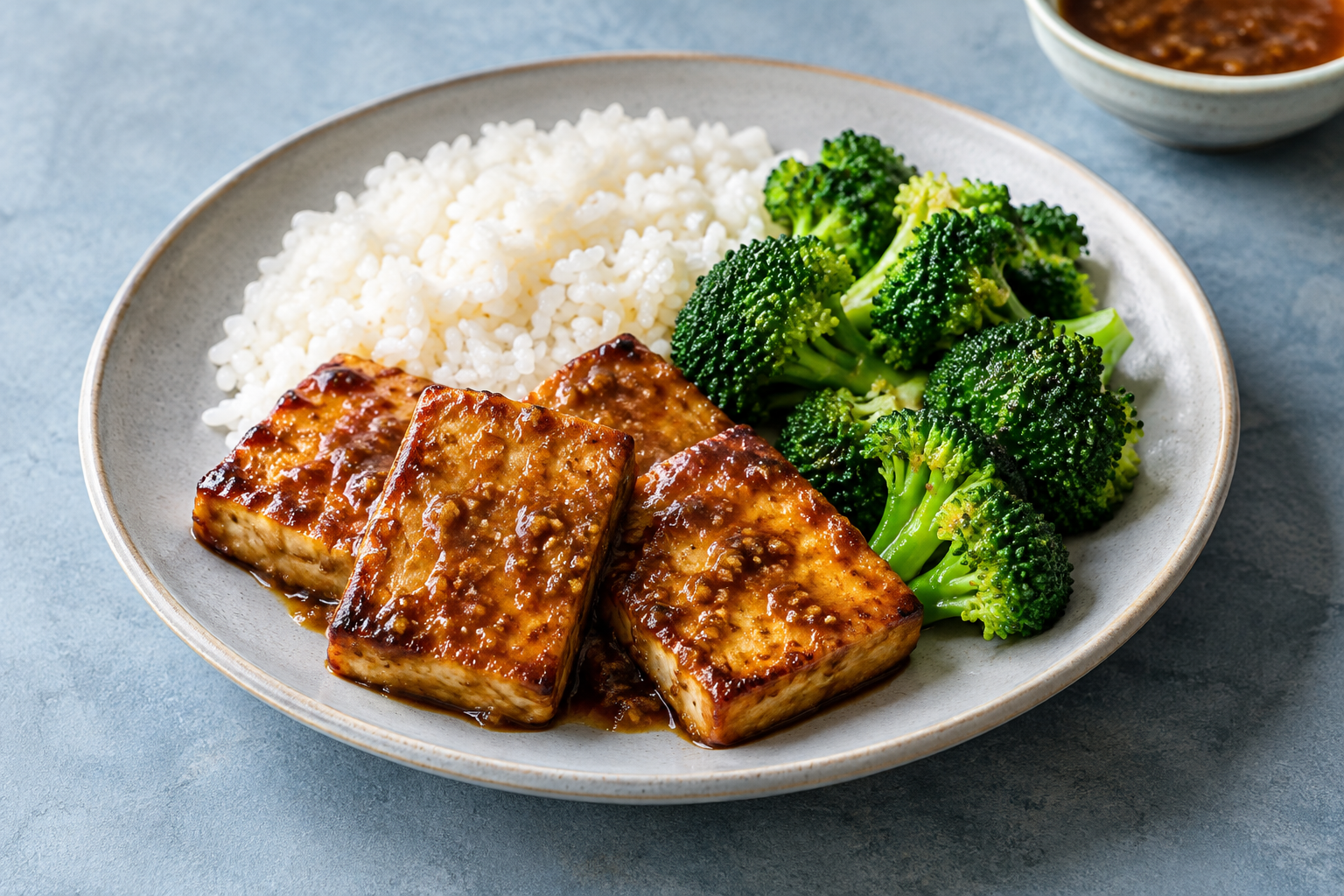
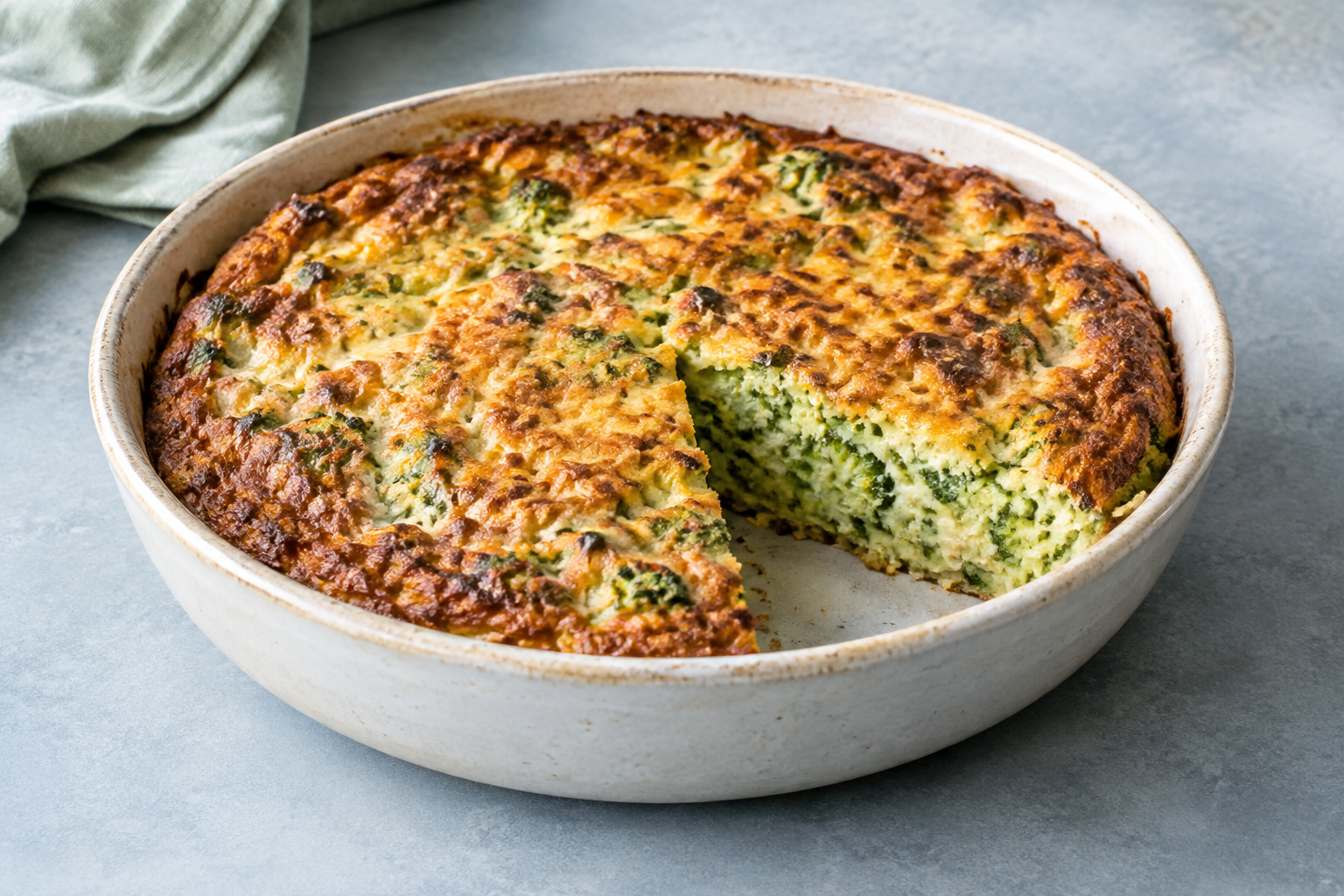
Wide rice noodles and Chinese broccoli (gai lan) are characteristic of the combination in pad see ew. The firm stems and leaves are cut separately so they cook just right in the wok; chili vinegar is served on the side for a fresh, tangy contrast. That’s different from Japanese tofu dengaku, where fried tofu with a glossy miso sauce is served with rice and broccoli. The French broccoli tart takes a different approach, too: the prebaked pastry shell helps support a substantial filling of egg, crème fraîche and Comté. So choose not just by ingredient, but also by the kind of preparation you feel like.
 Main Course