 Dessert
55 minutes
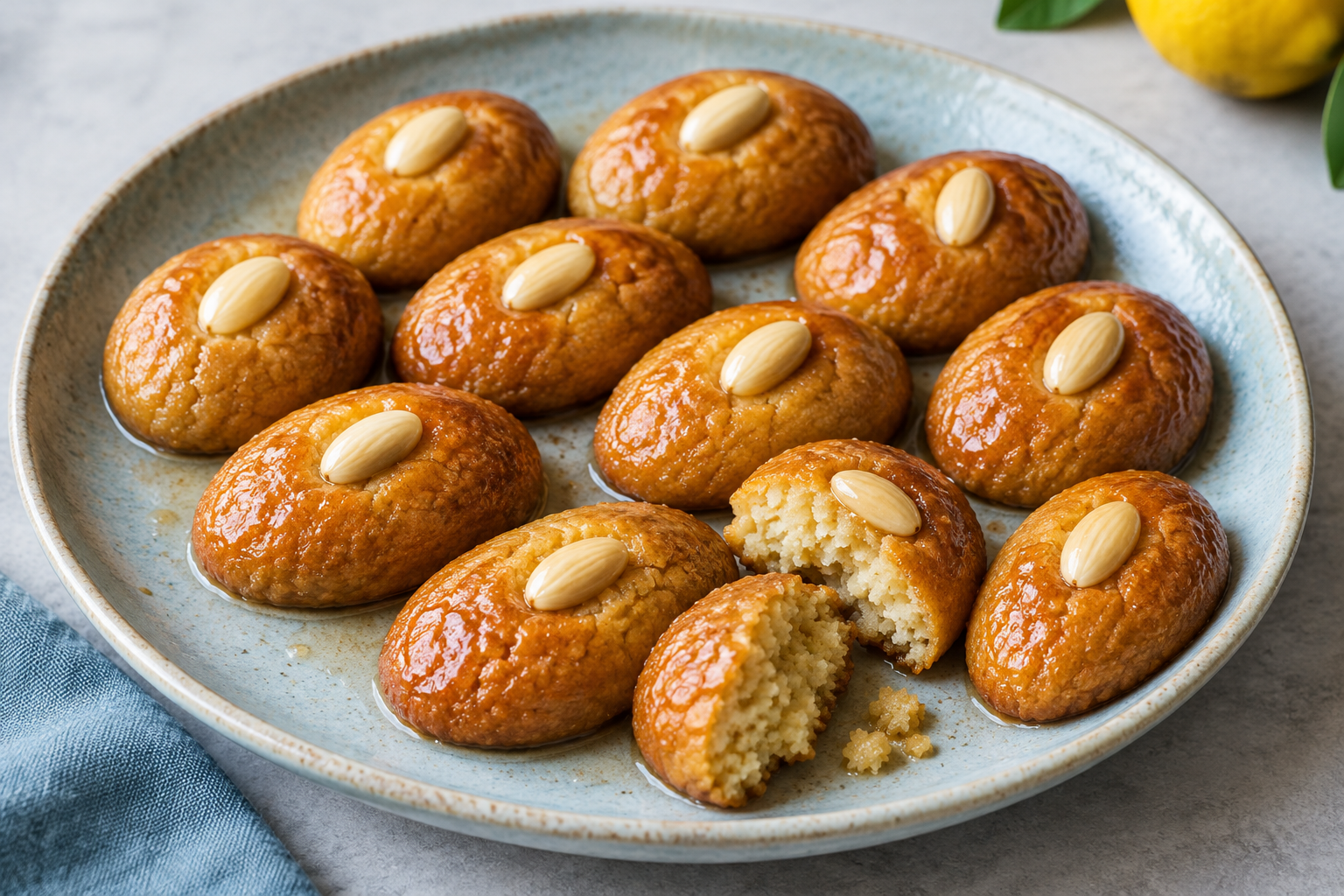
Şekerpare: Turkish Semolina Cookies with Lemon Syrup
These golden-brown Turkish cookies are soft inside and soak up a bright lemon syrup after baking. A whole almond on top gives each şekerpare a little crunch.
This collection brings together Turkish dishes, each built around its own technique: eggs cooked gently, pastry baked until crisp, beans with a tangy dressing, and puddings with a smooth or caramelized top. Choose something for a quick meal, a table with several side dishes, or a dessert you can make ahead. Noor explains the flavors and textures to expect.
24 recipesBrowse the recipesDessertThese golden-brown Turkish cookies are soft inside and soak up a bright lemon syrup after baking. A whole almond on top gives each şekerpare a little crunch.
 Main course
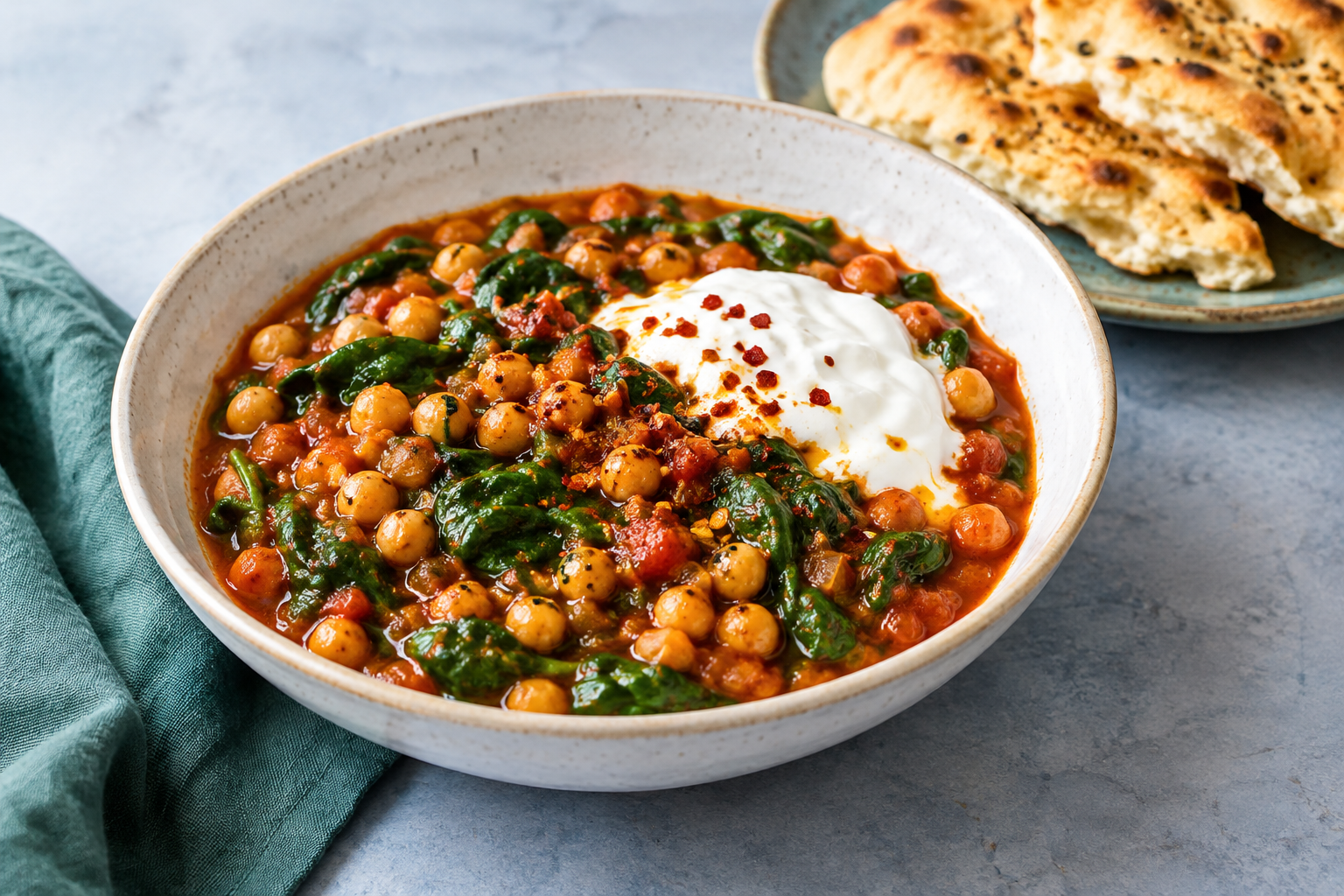
Chickpeas simmer in a spiced tomato sauce until they’ve taken on plenty of flavor. Spinach goes in at the end, so it softens while keeping its green color. Serve with yogurt and warm flatbread.
 Lunch
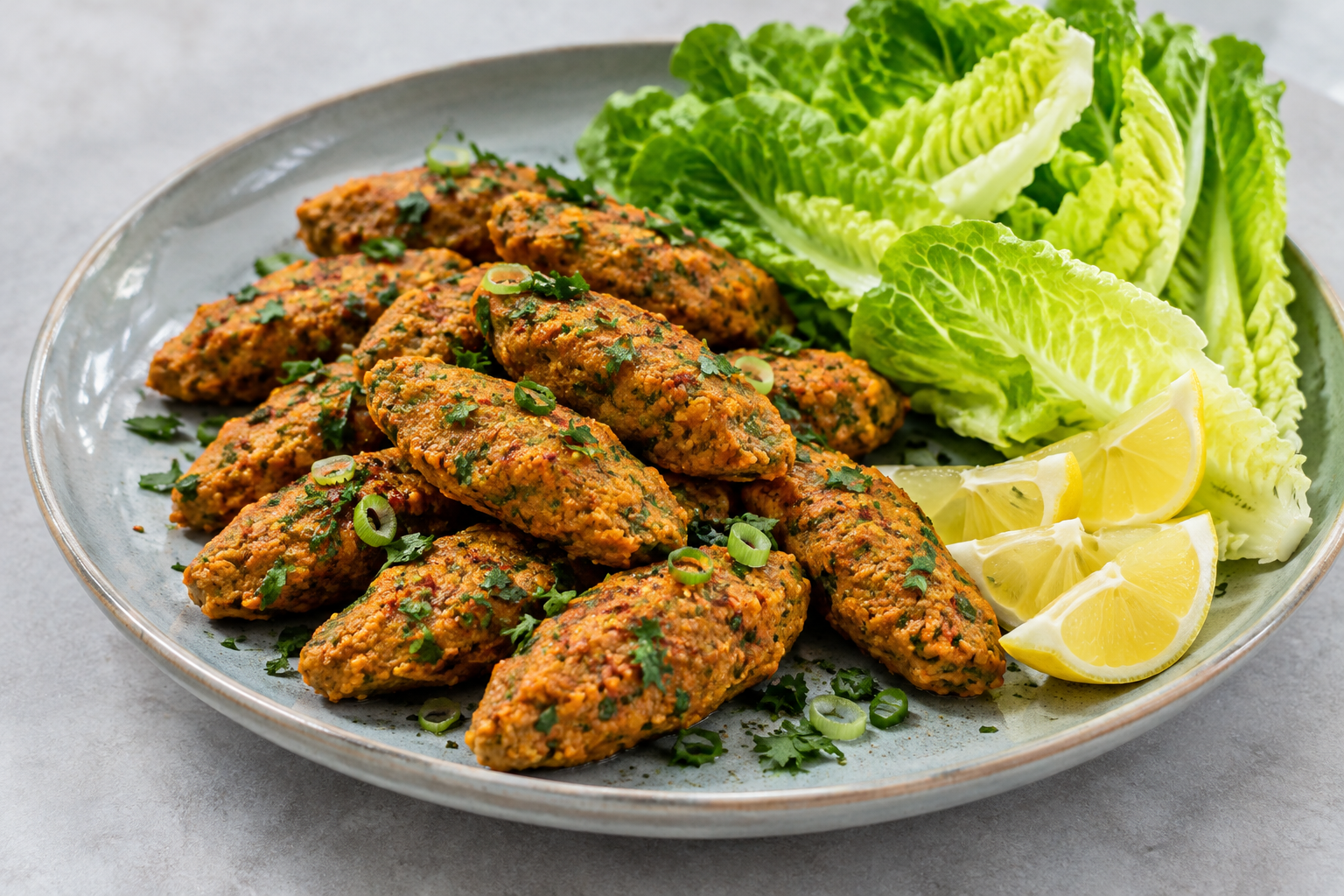
Soft red lentils and fine bulgur come together to make hearty, spiced köftes with lemon, parsley and pul biber. Serve them in crisp lettuce leaves for a fresh lunch you can eat with your hands.
 Side dish
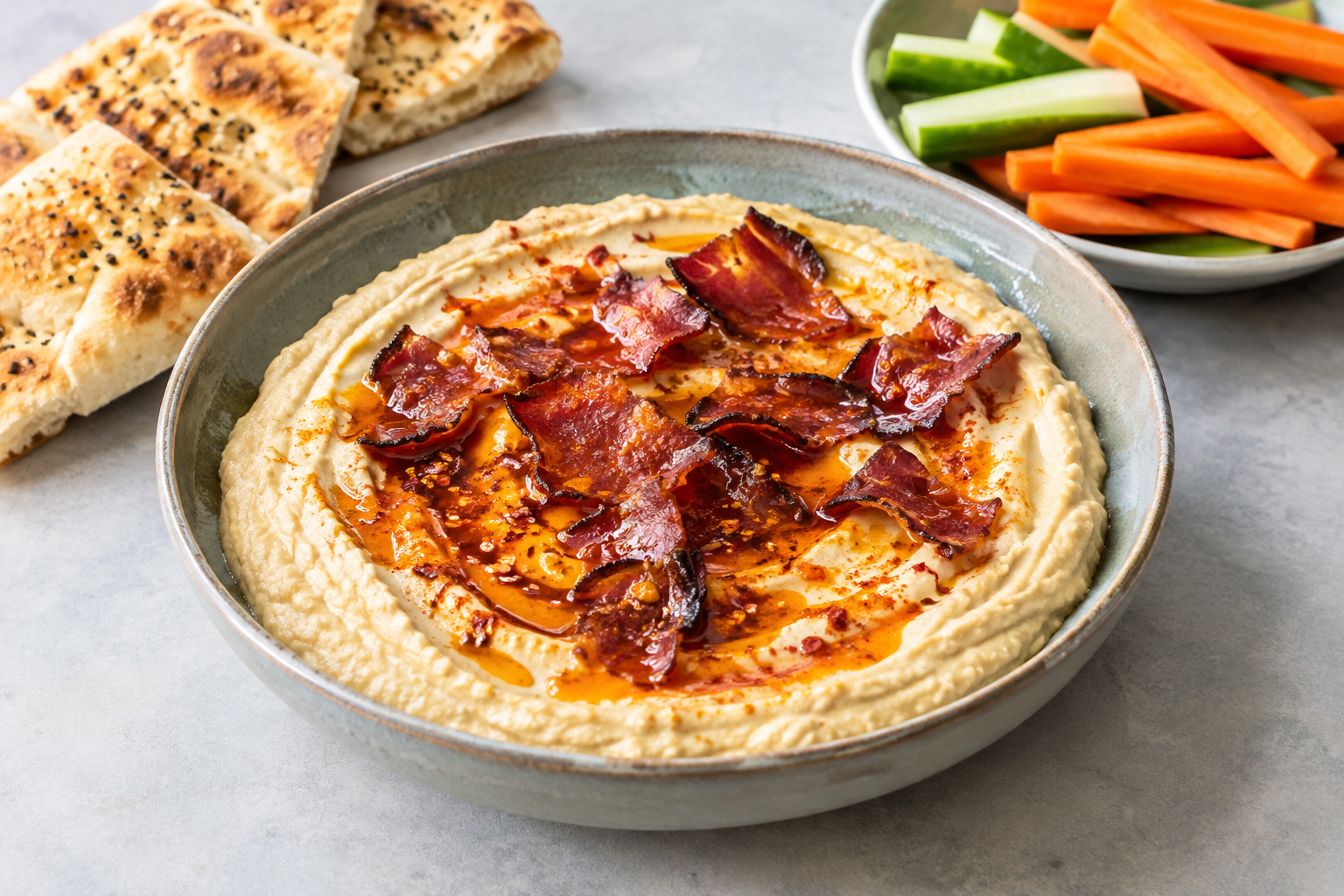
Silky-smooth chickpea purée gets a warm topping of butter, Aleppo pepper and crispy fried pastırma. Serve this Turkish mezze with bread and fresh crunchy vegetables.
 Breakfast
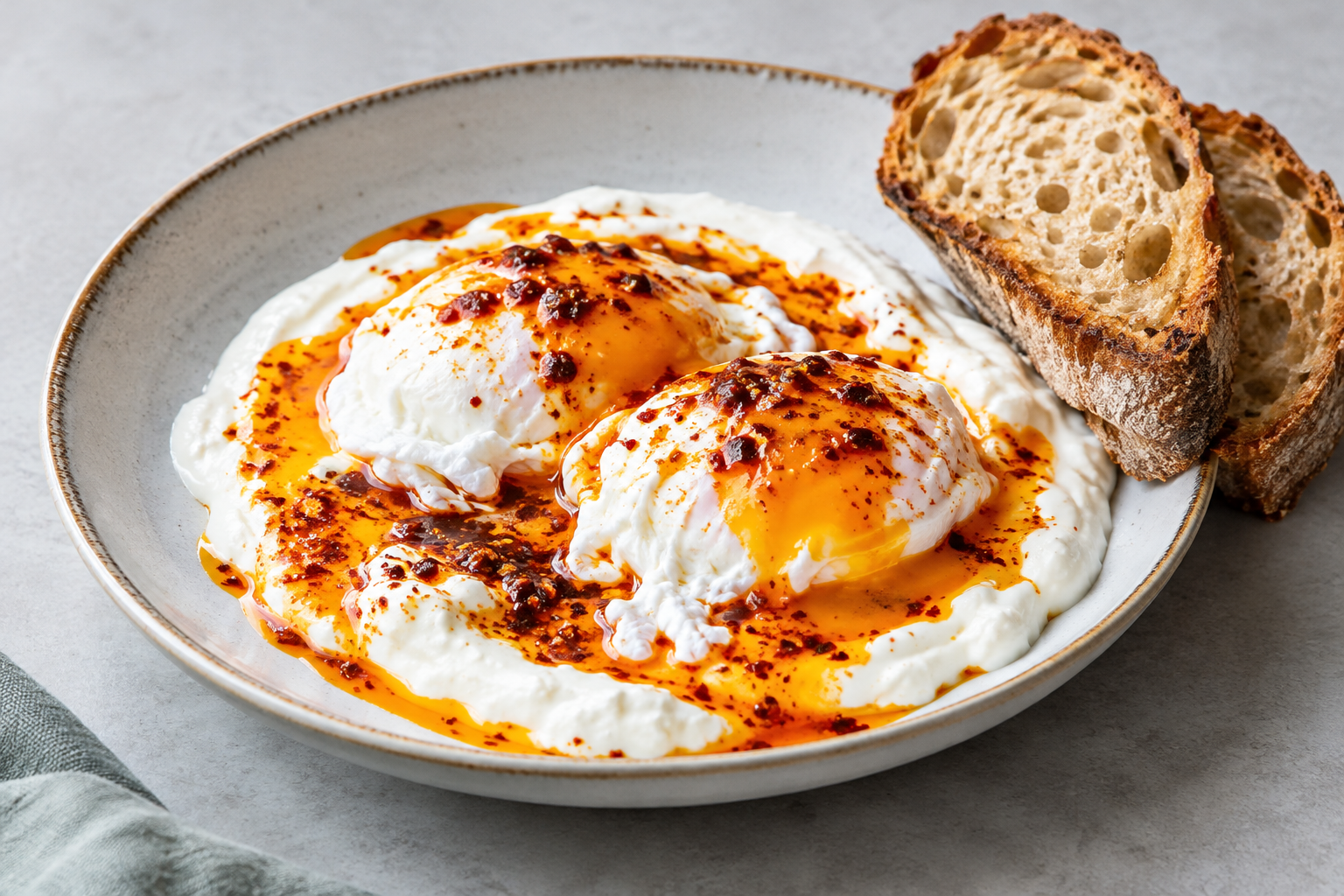
Soft poached eggs, thick garlic yogurt and butter with pul biber: çılbır is creamy, spicy and fresh all at once. Serve it straight away, with bread for scooping up the yolk and warm butter.
 Dessert
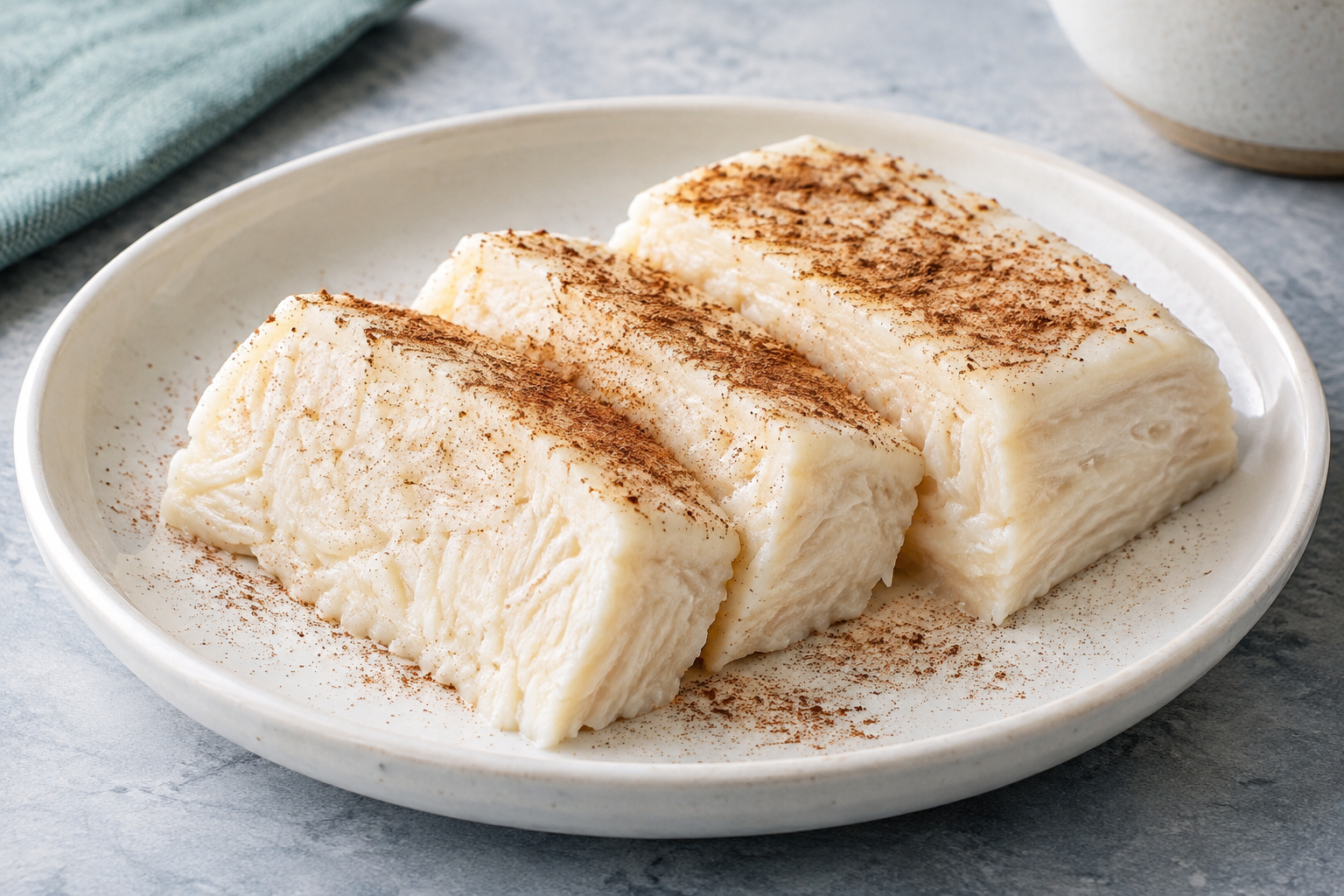
This Turkish pudding combines milk, rice flour and a small amount of chicken breast to make a smooth, firm dessert. Cinnamon adds a warm, spiced contrast to its mild flavor.
 Side dish
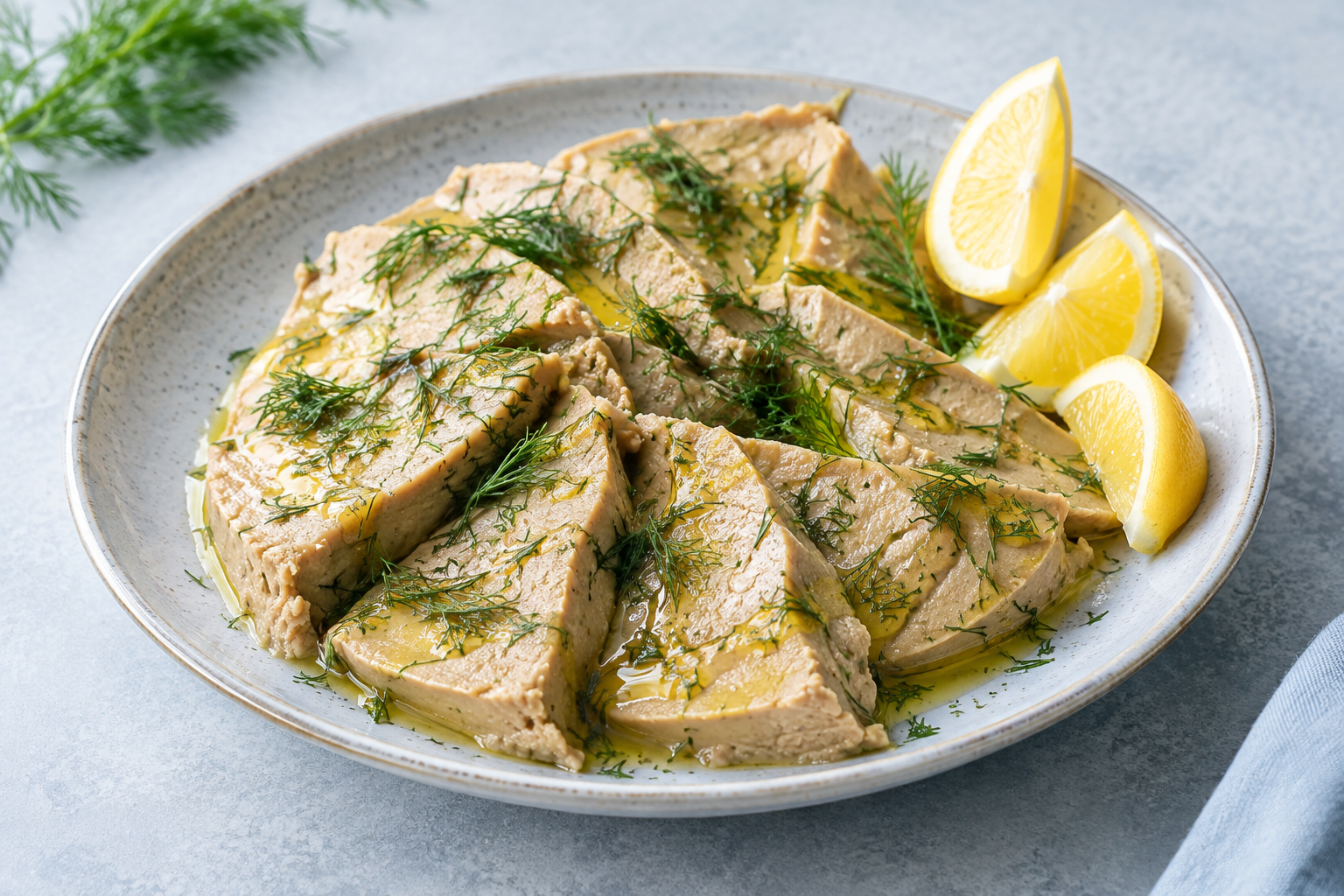
This Turkish fava is a smooth purée made from dried broad beans simmered until tender. Once chilled, it firms up enough to cut into wedges. Dill, lemon and olive oil offer a fresh counterpoint to the beans’ rich flavour.
 Side dish
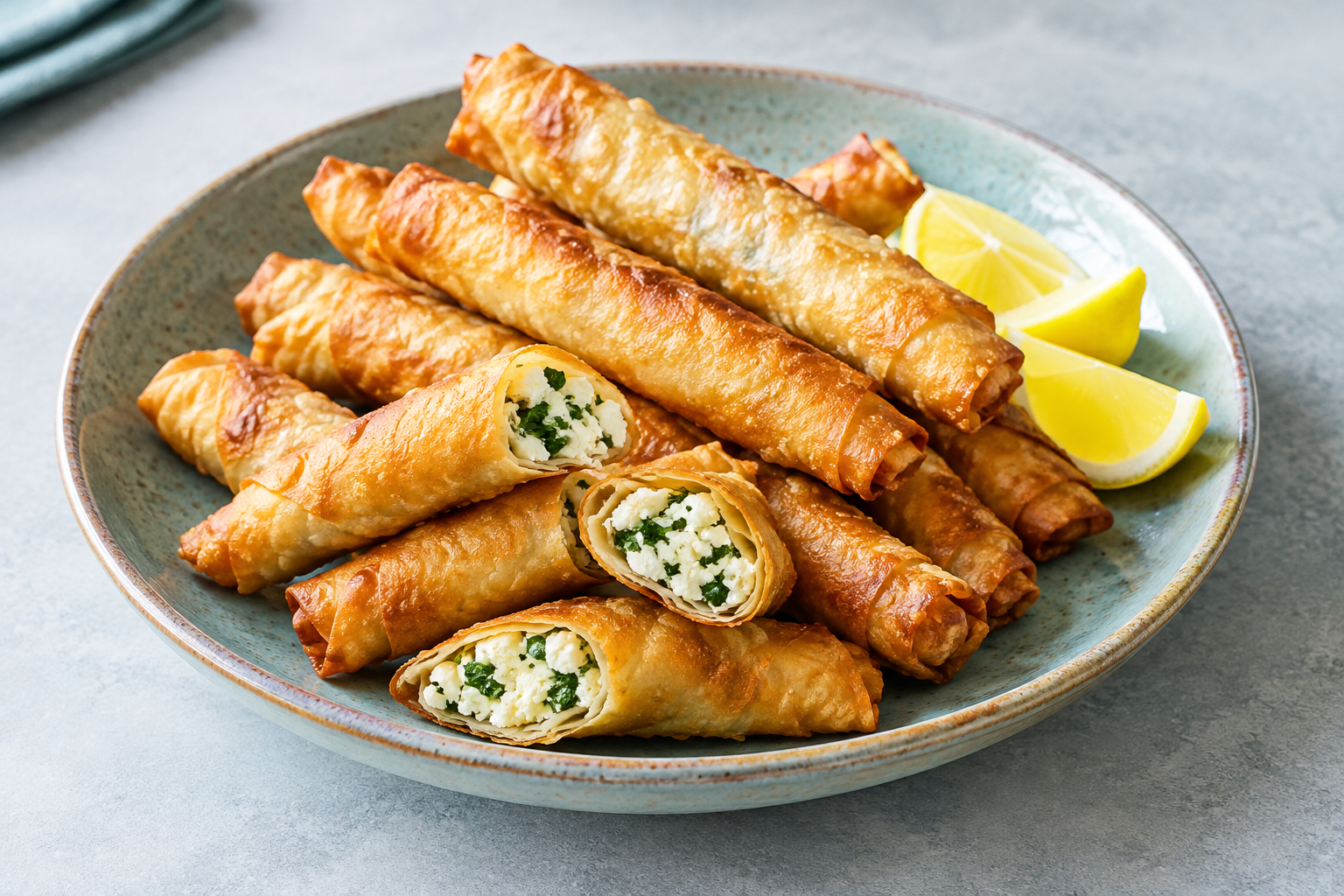
Thin yufka, a salty cheese filling and golden, crispy edges: these Turkish rolls make a tasty starter. Serve them hot from the pan with lemon wedges.
 Dessert
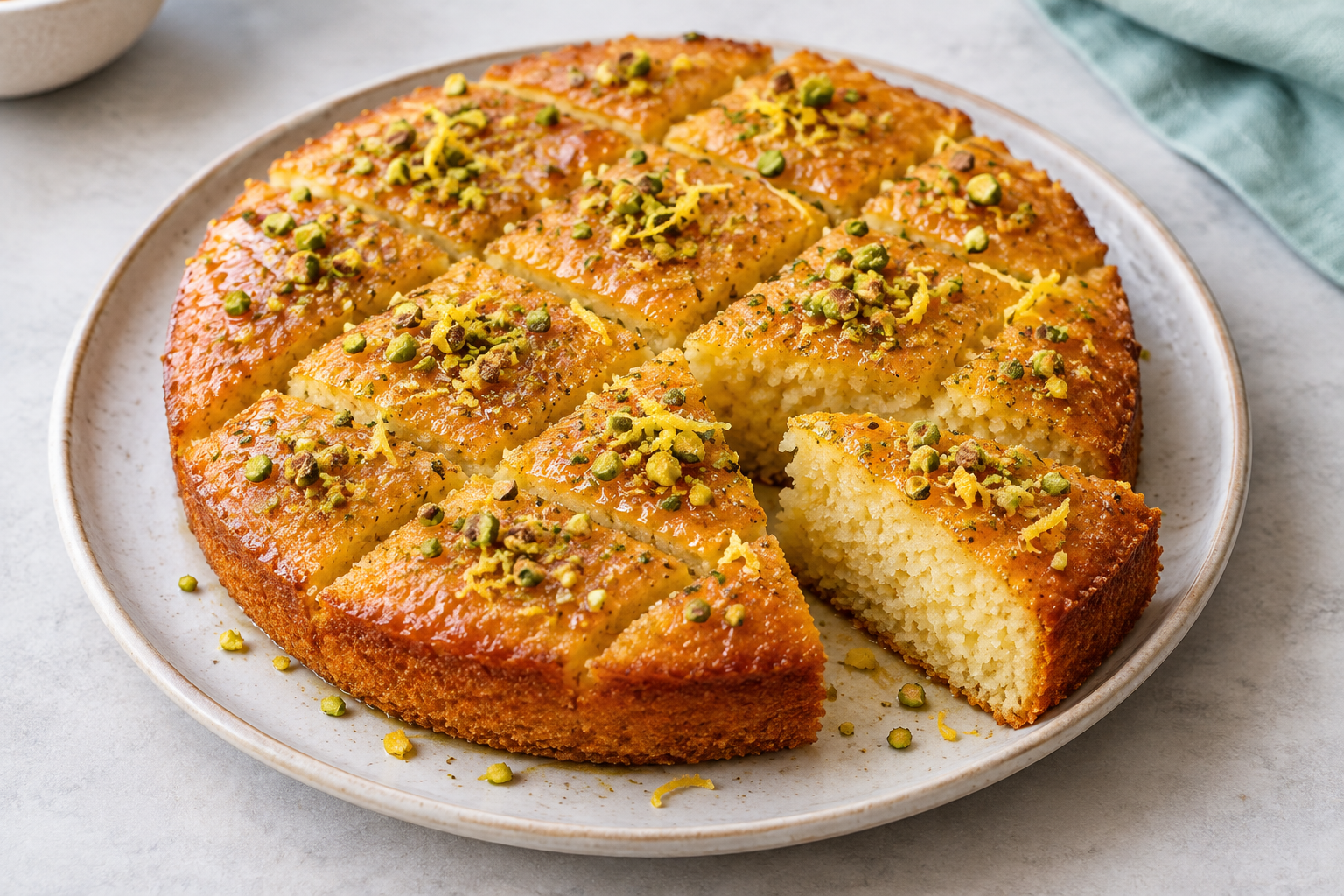
This Turkish semolina cake has a soft, slightly grainy crumb and a bright lemon syrup that slowly soaks into the warm cake. Let it cool completely before cutting it into diamond shapes.
 Side dish
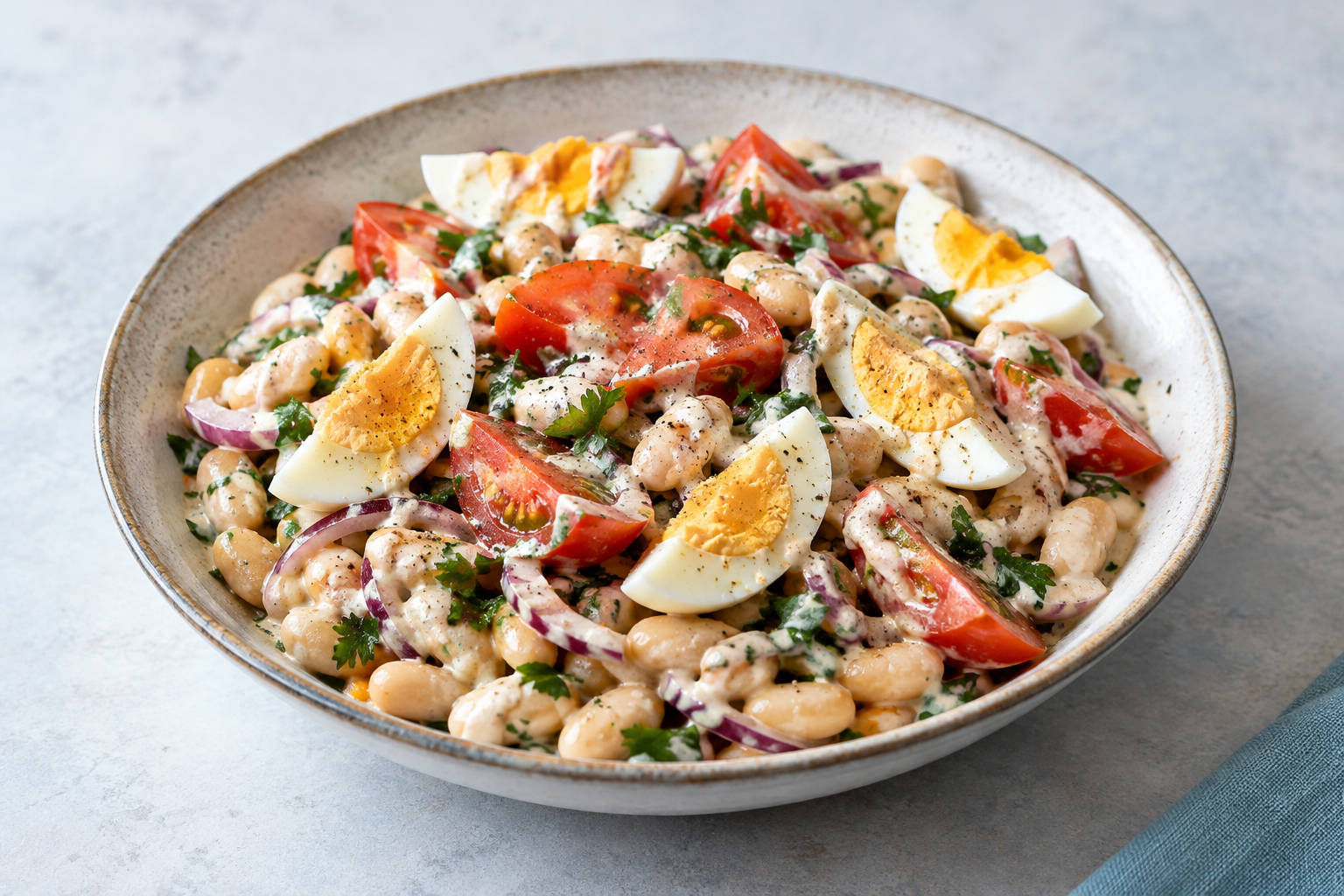
Tender white beans, ripe tomato and wedges of hard-boiled egg come together under a creamy tahini, lemon and vinegar dressing. This Turkish piyaz is a hearty side dish that goes well with grilled meat, but can also be served with bread as a mezze.
 Main course
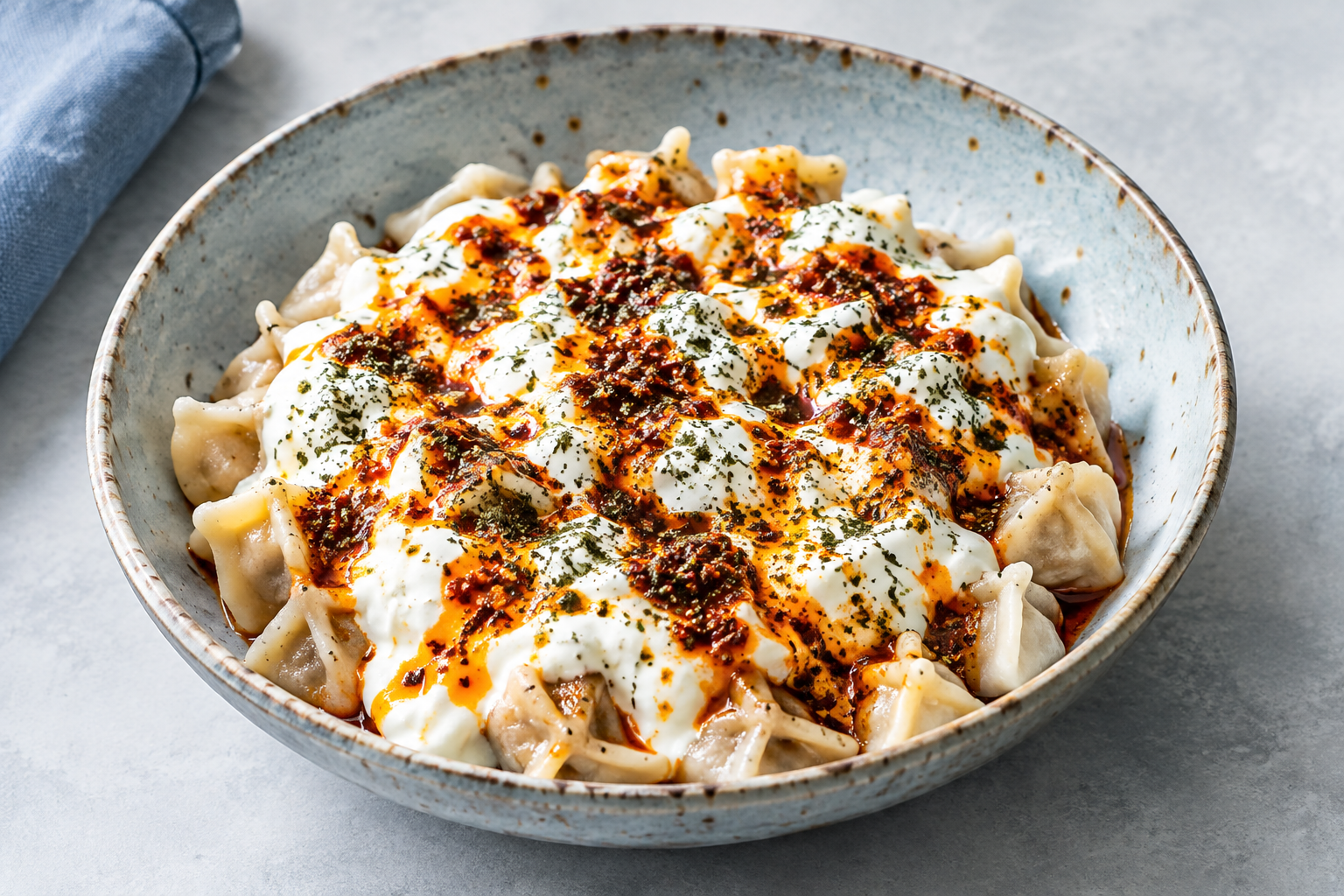
These little dough parcels are filled with seasoned ground meat and served with cool garlic yogurt and butter with pul biber. Folding them takes a little time, but the combination of tender pasta, savory filling and warm, spiced sauce makes the effort worthwhile.
 Main course
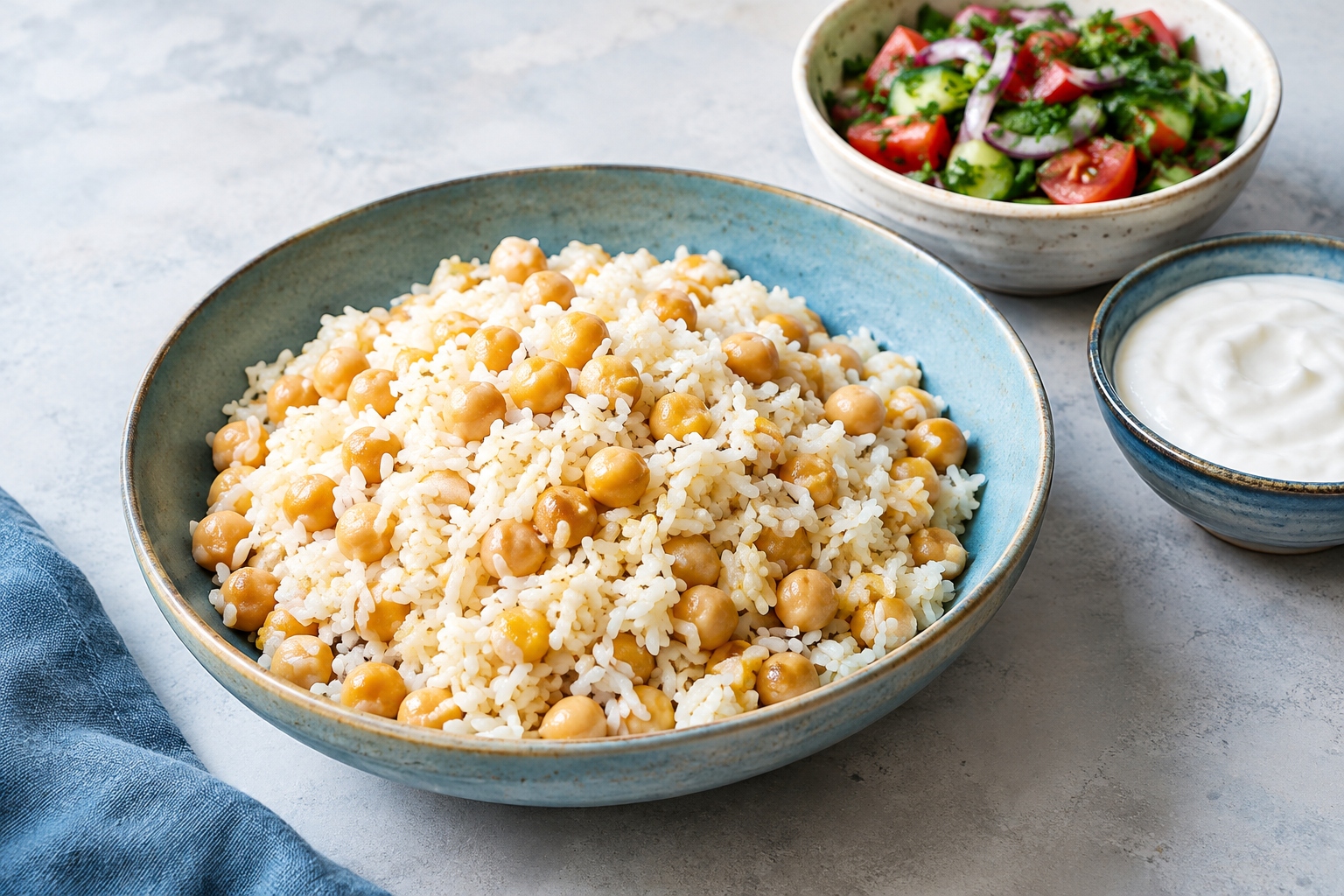
This Turkish pilaf pairs fluffy, buttery rice with a generous helping of tender chickpeas. Serve it with a fresh tomato and cucumber salad and yogurt for a complete meal.
 Main course
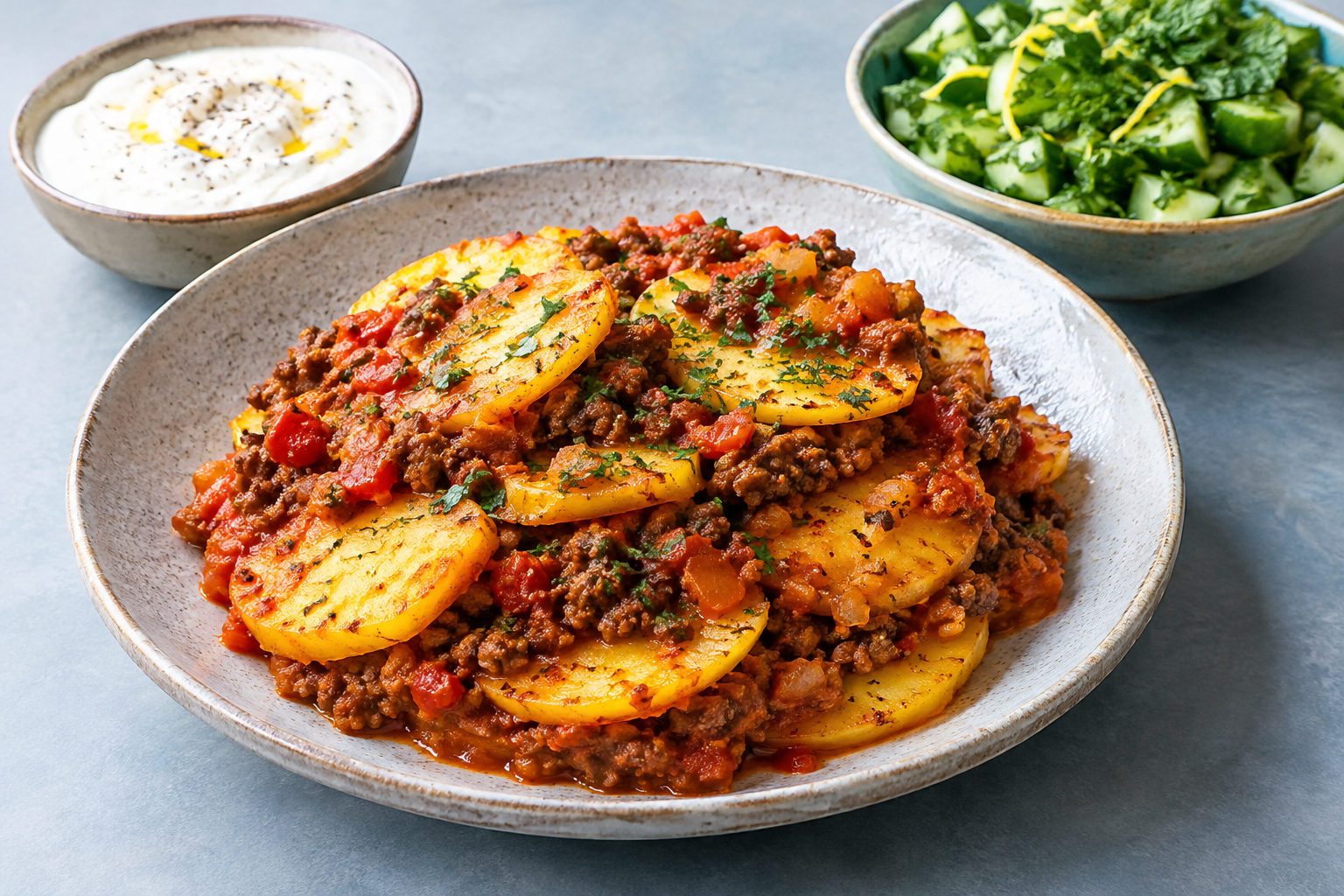
Tender potatoes, spiced ground beef and tomatoes come together in this hearty Turkish casserole. A fresh herb salad and a spoonful of yogurt keep it light.
 Main course
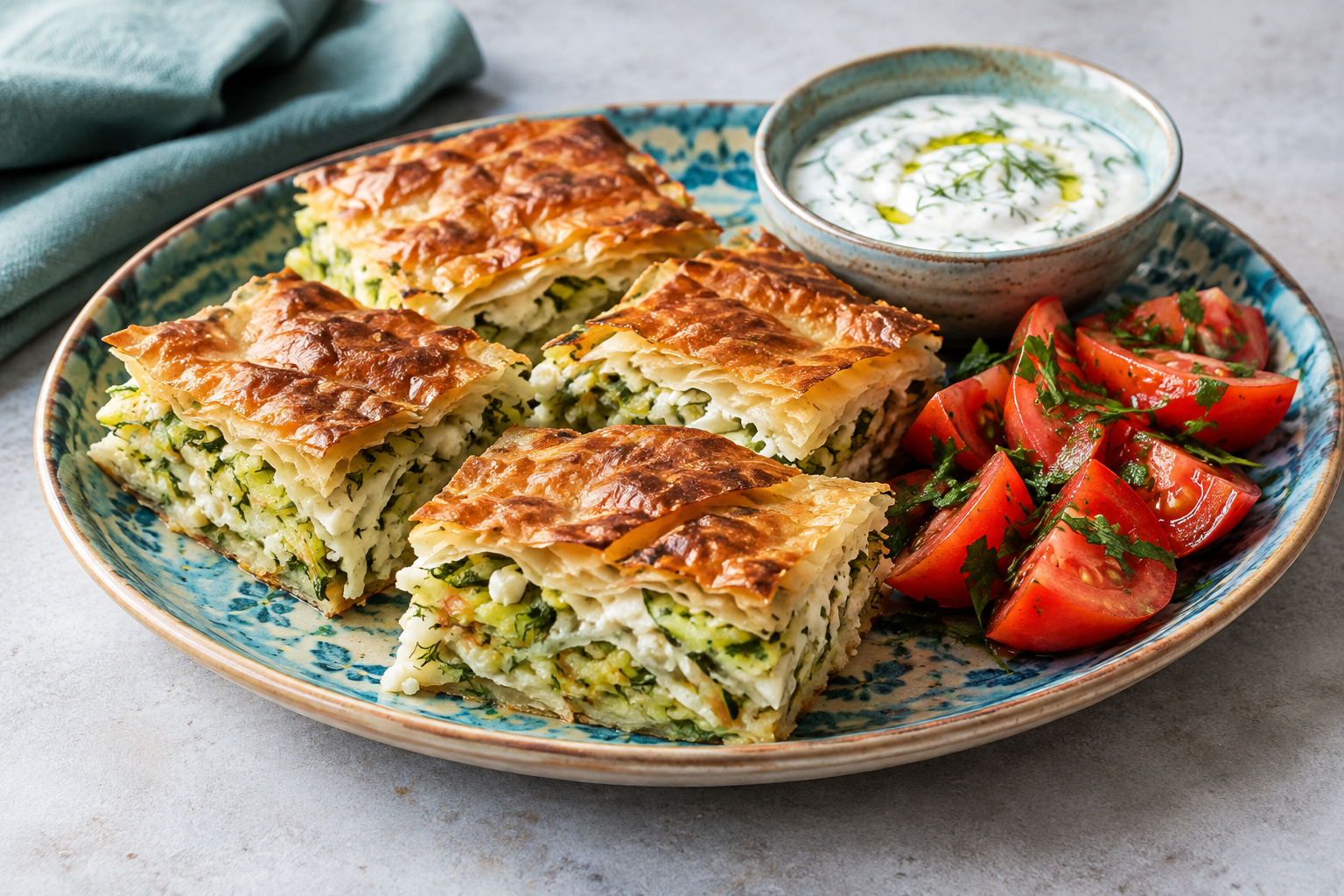
This Turkish börek layers grated zucchini, salty white cheese and fresh dill between thin sheets of golden-brown yufka. Serve warm with tomatoes and a quick herbed yogurt for a light meal.
 Main course
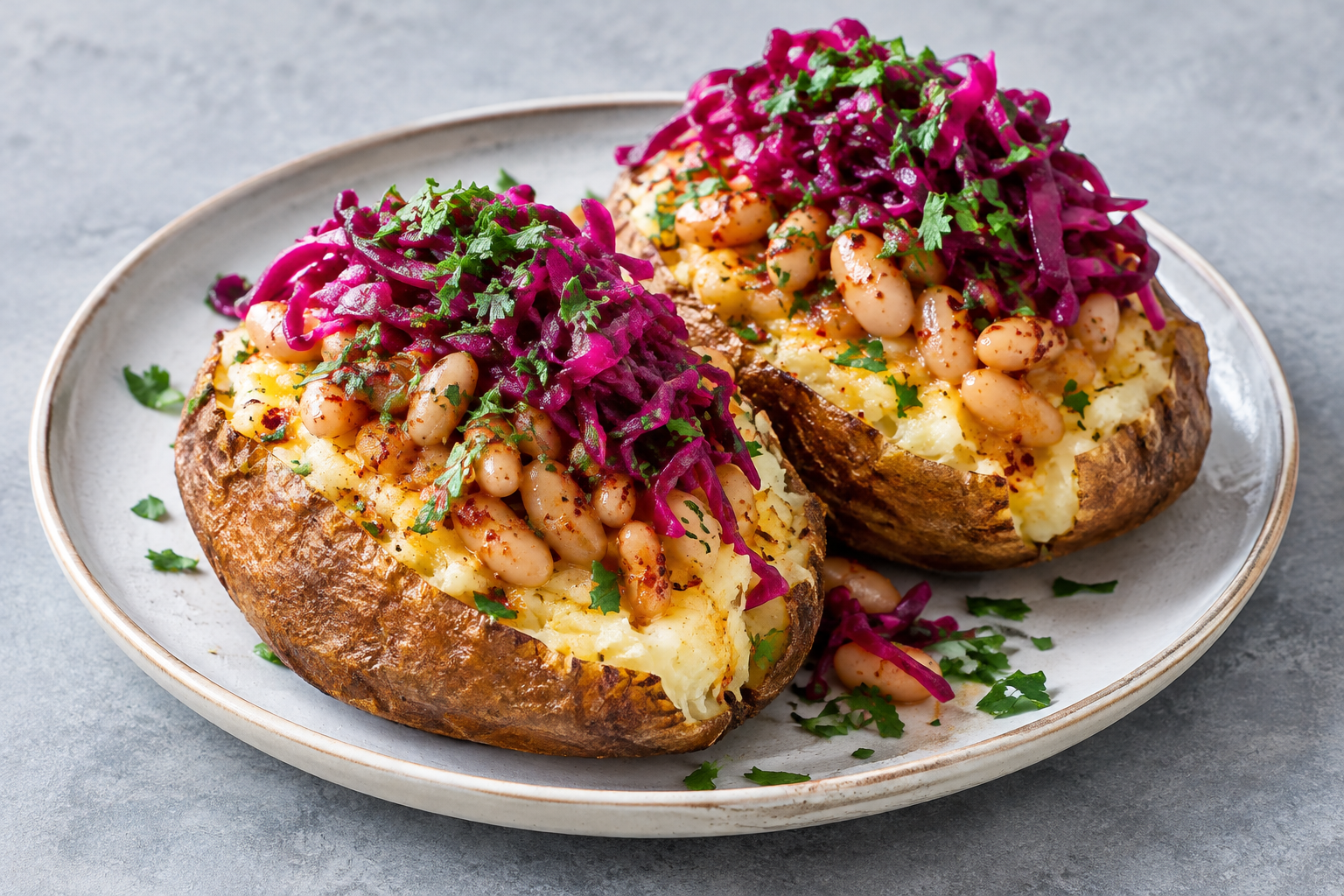
Large, golden-baked potatoes turn creamy inside with butter and cheese, then get topped with warm white beans, spicy pul biber and tangy pickled red cabbage.
 Dessert
Kazandibi is a soft Turkish milk pudding with an intentionally dark caramelized underside. Once it has set, you roll up the pieces so the slightly bitter caramel layer remains visible on the outside.
 Side dish
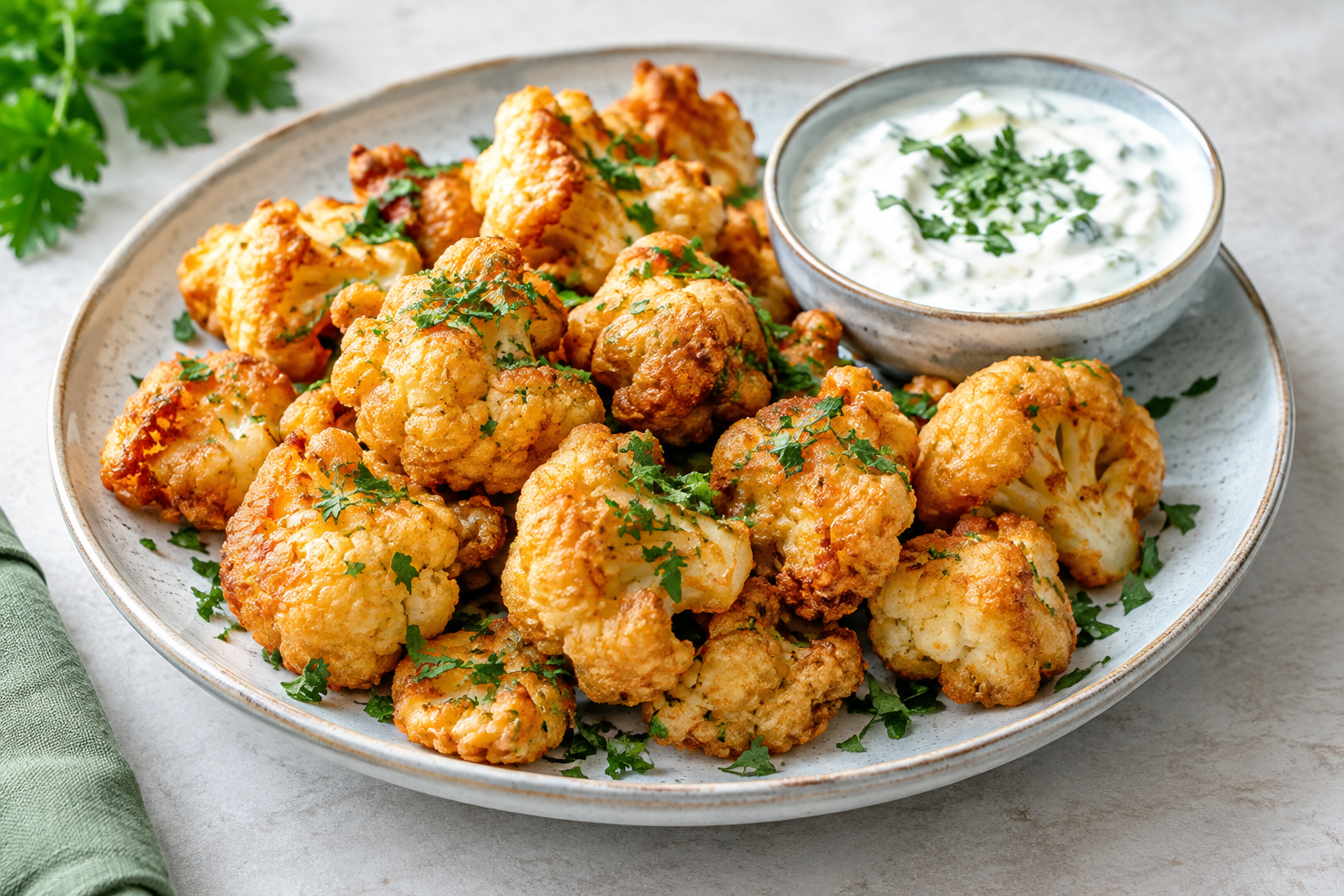
Tender cauliflower florets get a thin, golden-brown coating and are served with refreshing garlic yogurt. A savory side dish for grilled meat, roasted vegetables, or a table full of small plates.
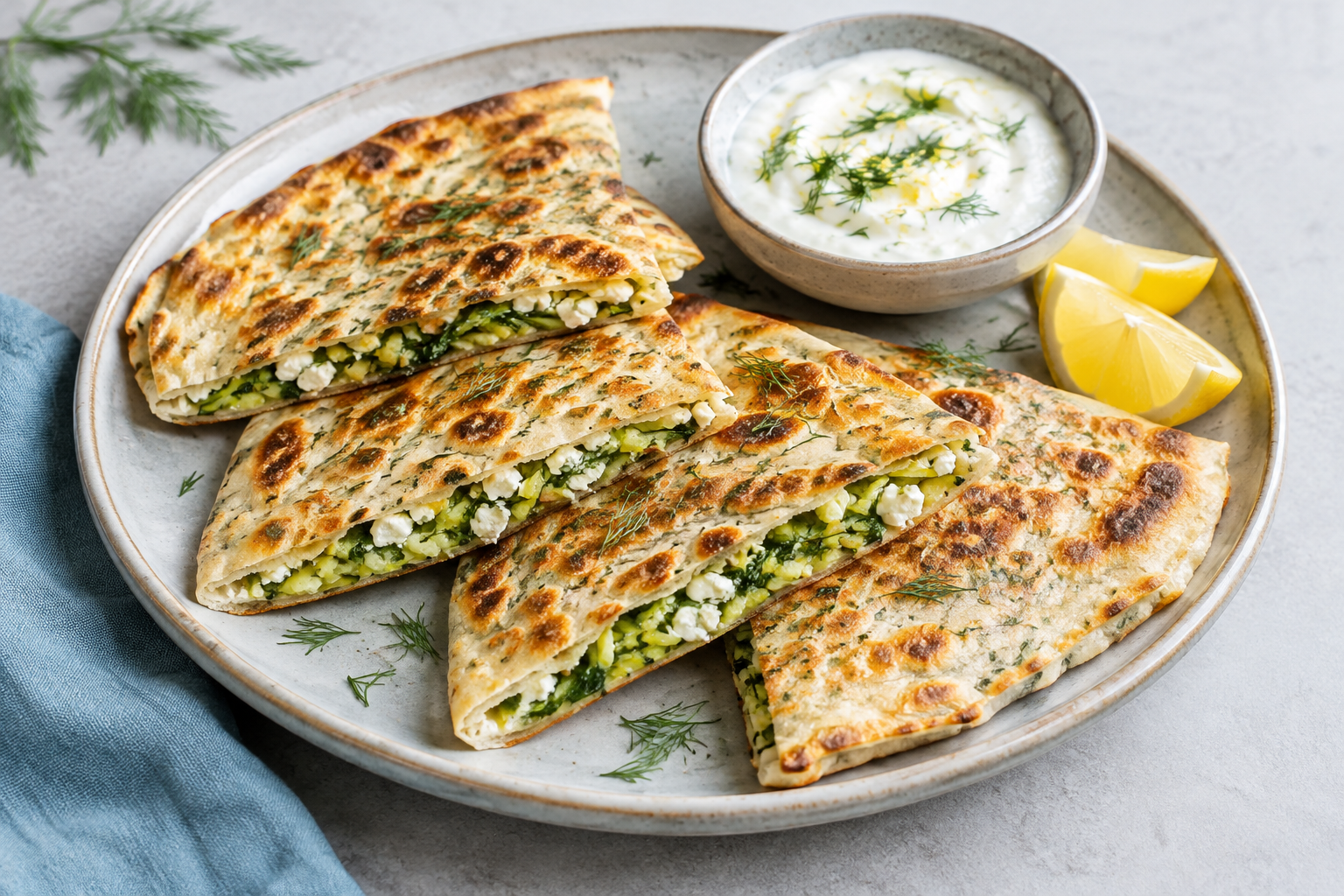 Lunch
Thin, golden-brown flatbreads filled with juicy courgette, salty white cheese and fresh dill. Serve them warm with yoghurt and lemon for a simple Turkish lunch.
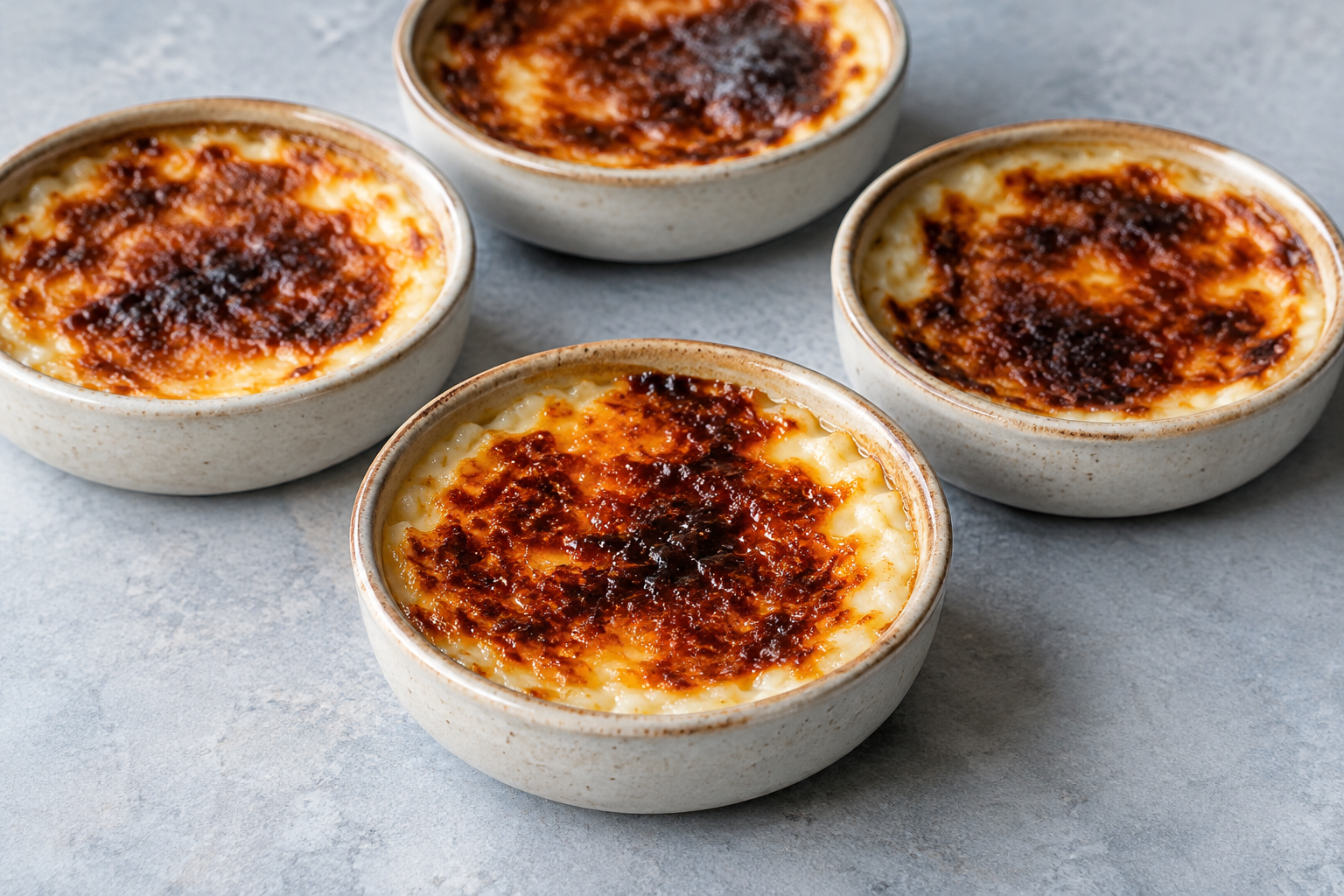 Dessert
This Turkish rice pudding gets a dark, caramelized top under the broiler, while staying soft and creamy underneath. Serve the sütlaç well chilled, with a pinch of cinnamon if you like.
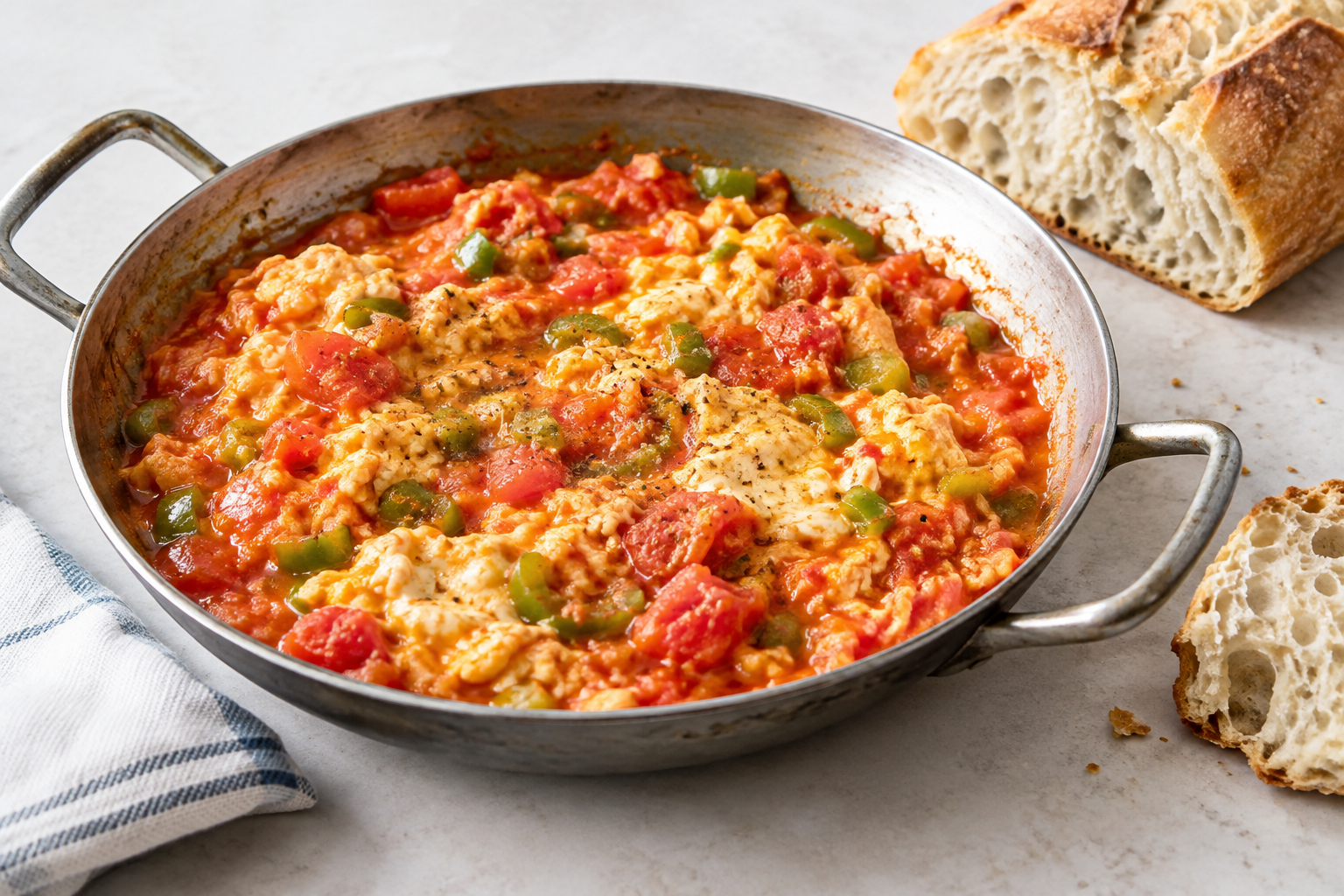 Main course
In menemen, ripe tomatoes and green pepper are slowly softened in olive oil, then the eggs are stirred in until just set. Serve the pan straight away, with bread for soaking up the juicy tomato sauce.
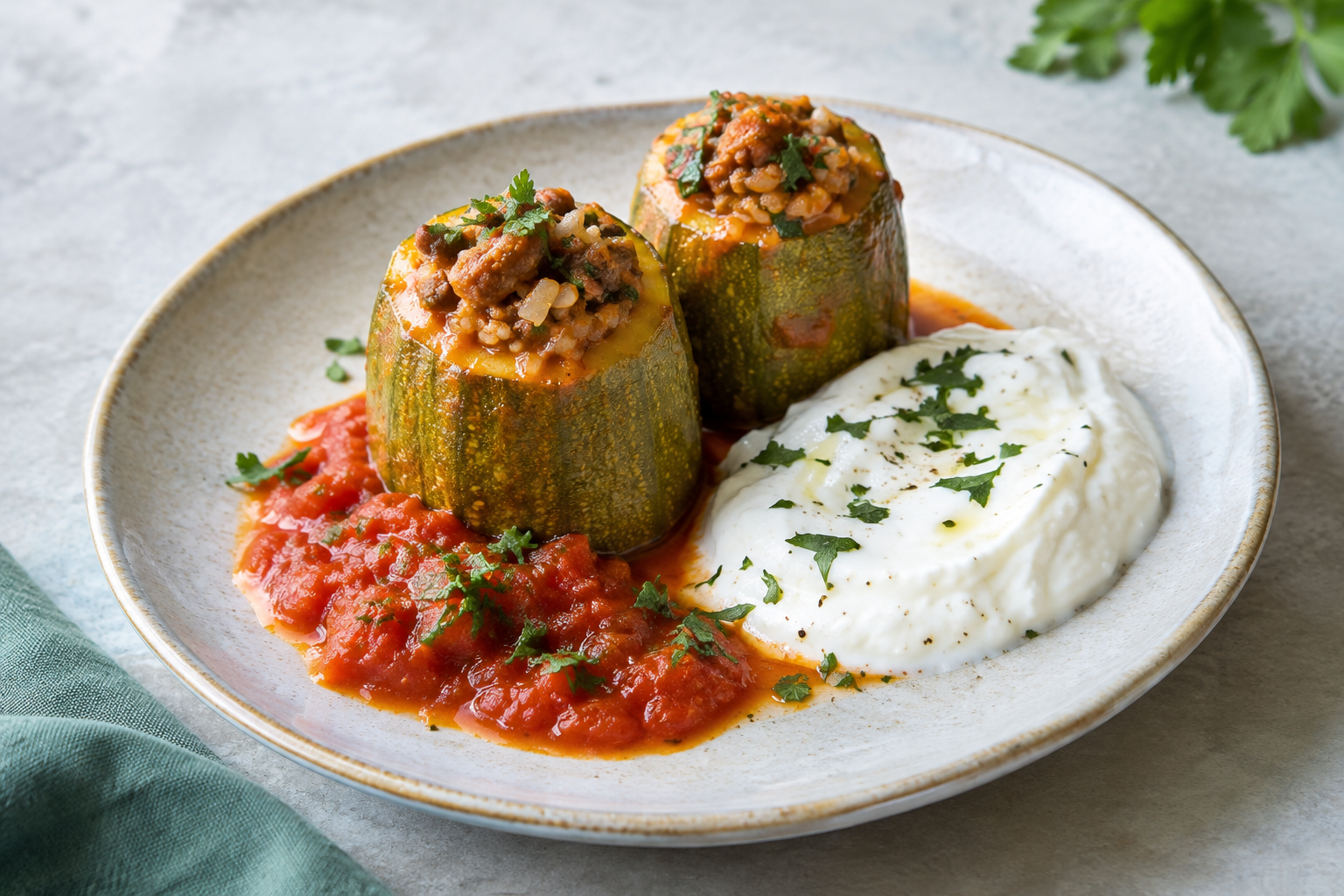 Main course
Small zucchini stuffed with seasoned ground beef, rice and parsley cook slowly in a tomato broth. Serve them with garlic yogurt: cool and creamy alongside the tender zucchini and savory filling.
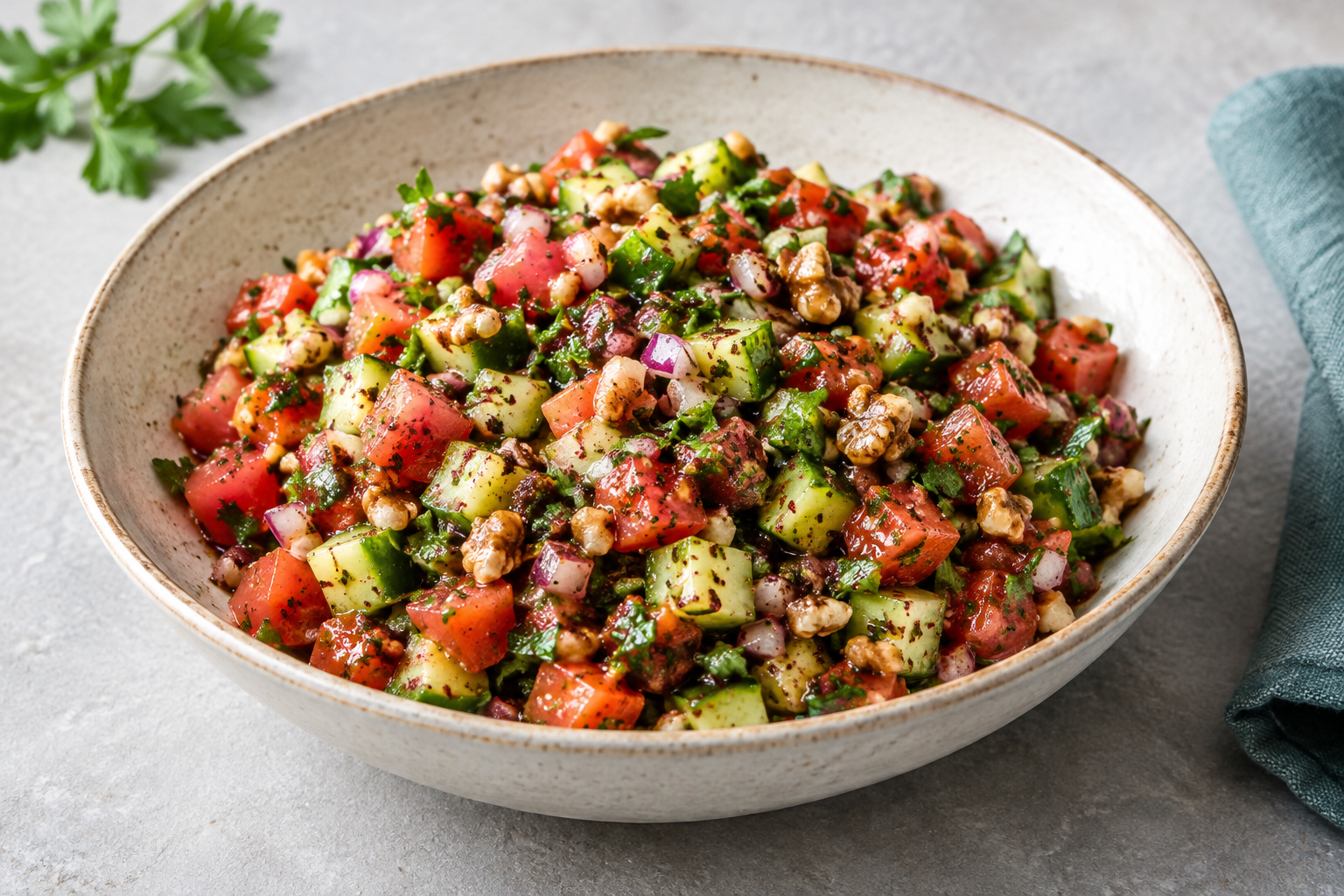 Side dish
This Turkish salad from Gaziantep combines small cubes of ripe tomato and cucumber with crunchy walnuts. Pomegranate molasses, lemon and sumac turn the tomato juices into a fresh, fruity dressing.
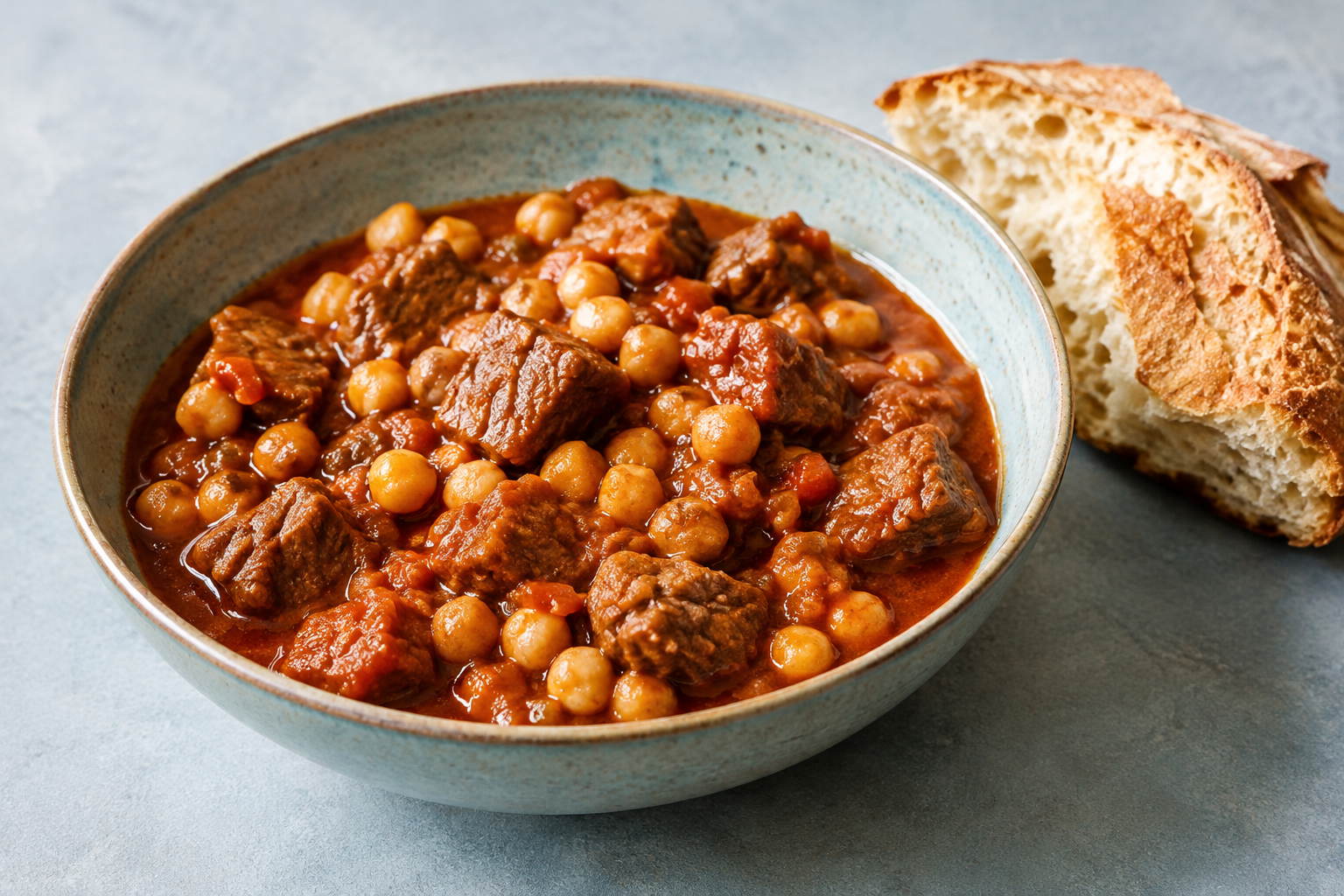 Main course
This Turkish stew brings chickpeas and tender cubes of lamb together in a rich onion and tomato paste sauce. Using precooked chickpeas makes this a hearty main course without needing to soak them first.
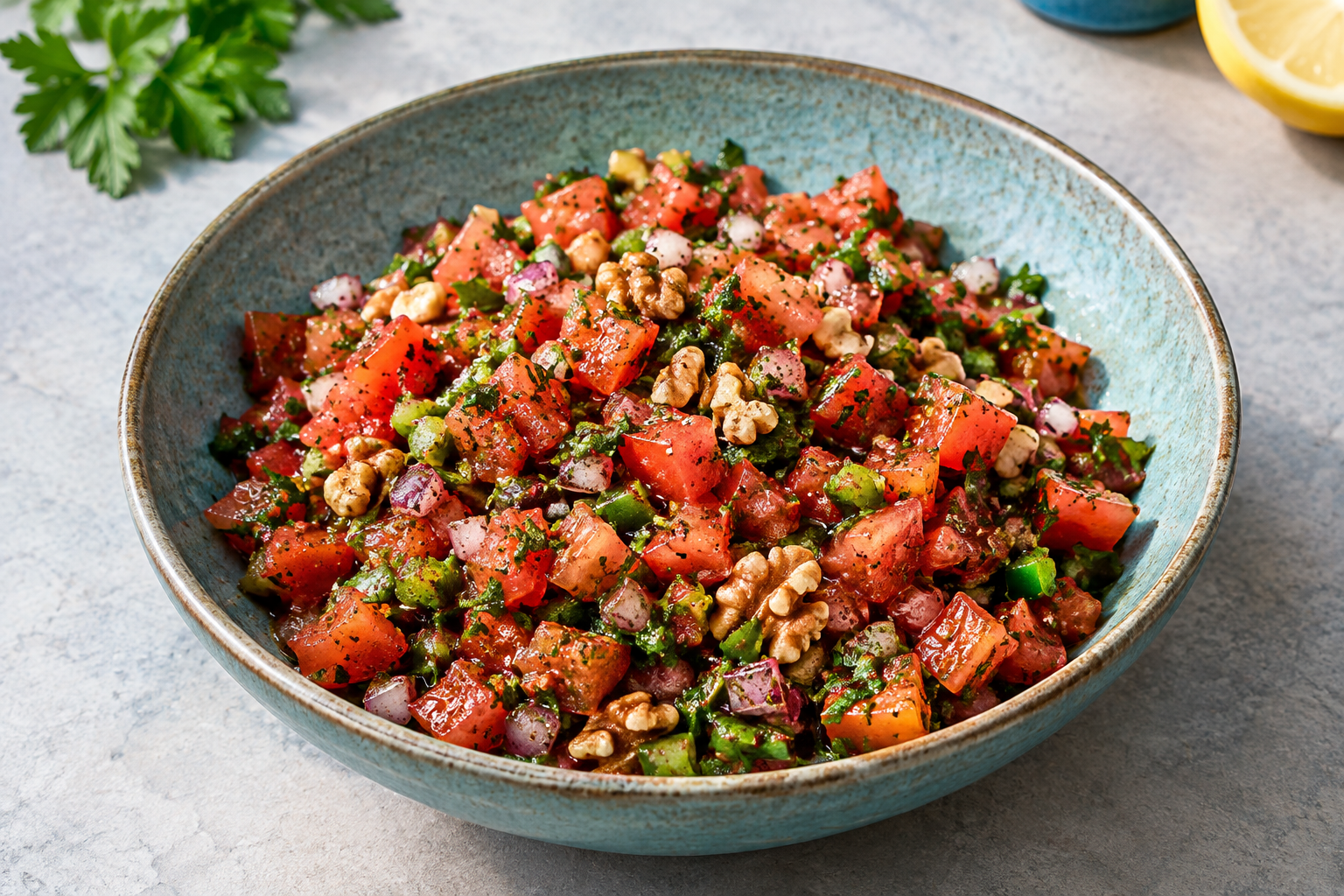 Side dish
This Turkish salad brings together juicy tomatoes, crunchy green pepper and walnuts with a fresh dressing of pomegranate molasses, lemon and sumac. Chop the vegetables finely so the sweet-and-sour dressing coats everything well and every bite has a little crunch.
A recurring combination in these recipes is something creamy or savory alongside a bright counterpoint. Çılbır pairs poached eggs with garlic yogurt; warm butter with pul biber adds a full, spicy layer. Menemen takes a different approach: tomato and green pepper form the sauce in which the eggs set gently. Serve both with sturdy bread, so none of the sauce on the table goes to waste.
Side dishes can bring the same balance. In this version, Antalya piyaz gets a spoonable dressing of tahini, lemon, and vinegar; Gavurdağı salad combines tomato and walnut with sumac and pomegranate molasses. The first is creamier, the second juicy and crunchy. If pomegranate molasses isn’t available, you can add extra lemon to the salad, though the dressing will be less syrupy and fruity. Serve these dishes with pilav or a stew, or bring them all to the table together for a light meal.
With mantı, gözleme, sigara böreği, and kabaklı börek, the pastry determines the texture. Mantı calls for thinly rolled dough and tightly pinched seams, so the little meat parcels stay intact while cooking. Yufka, on the other hand, makes börek and sigara böreği layered or crisp. Keep yufka sheets covered while you work: thin dough dries out quickly and then becomes difficult to fold. Turkish white cheese makes a salty, crumbly filling; feta is a useful substitute, but taste before adding extra salt.
The order of steps matters for rice and soup, too. For nohutlu pilav, the rinsed rice is soaked first and briefly fried in butter, then cooked covered in broth. Let the pan rest after cooking before fluffing the grains. Ezogelin soup contains red lentils, bulgur, and rice and is intentionally chunky; blending it would take away the contrast in texture. Serve it with lemon, so everyone can add a tangy note to taste.
For a meal with little last-minute work, dishes that cook gently are handy. Patates oturtması combines slices of potato with minced meat and tomato; garlic yogurt and a cucumber-mint salad bring freshness on the side. Kabak dolması fills small zucchini with minced meat and rice, then cooks them until tender in tomato sauce. A wide pan helps keep the zucchini upright and close together. Kumpir is a more casual meal: butter and cheese are worked into the hot potato, with spiced beans and pickled red cabbage on top.
The desserts show different ways to thicken milk, flour, and grains. Revani soaks up lemon syrup in a warm semolina cake; let the cake cool completely before slicing it. Sütlaç gets a dark top under the broiler, while kazandibi forms its caramelized base in the pan. Tavuk göğsü contains fine chicken fibers in the milk pudding: pull the fibers apart very finely, or they will disrupt its smooth texture. These puddings need time to set in the fridge, so make them well before serving.