From Padang to Bali: different styles
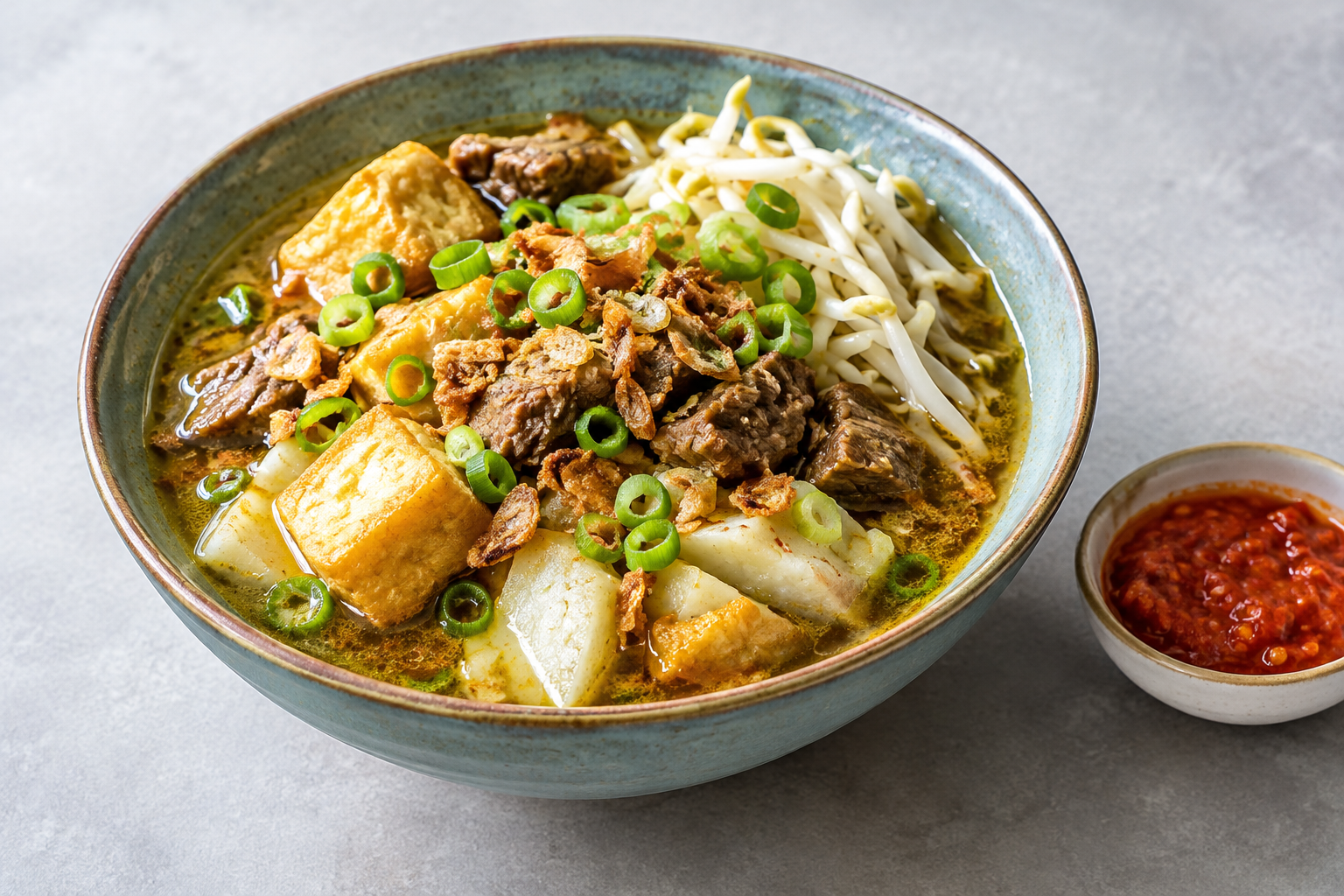
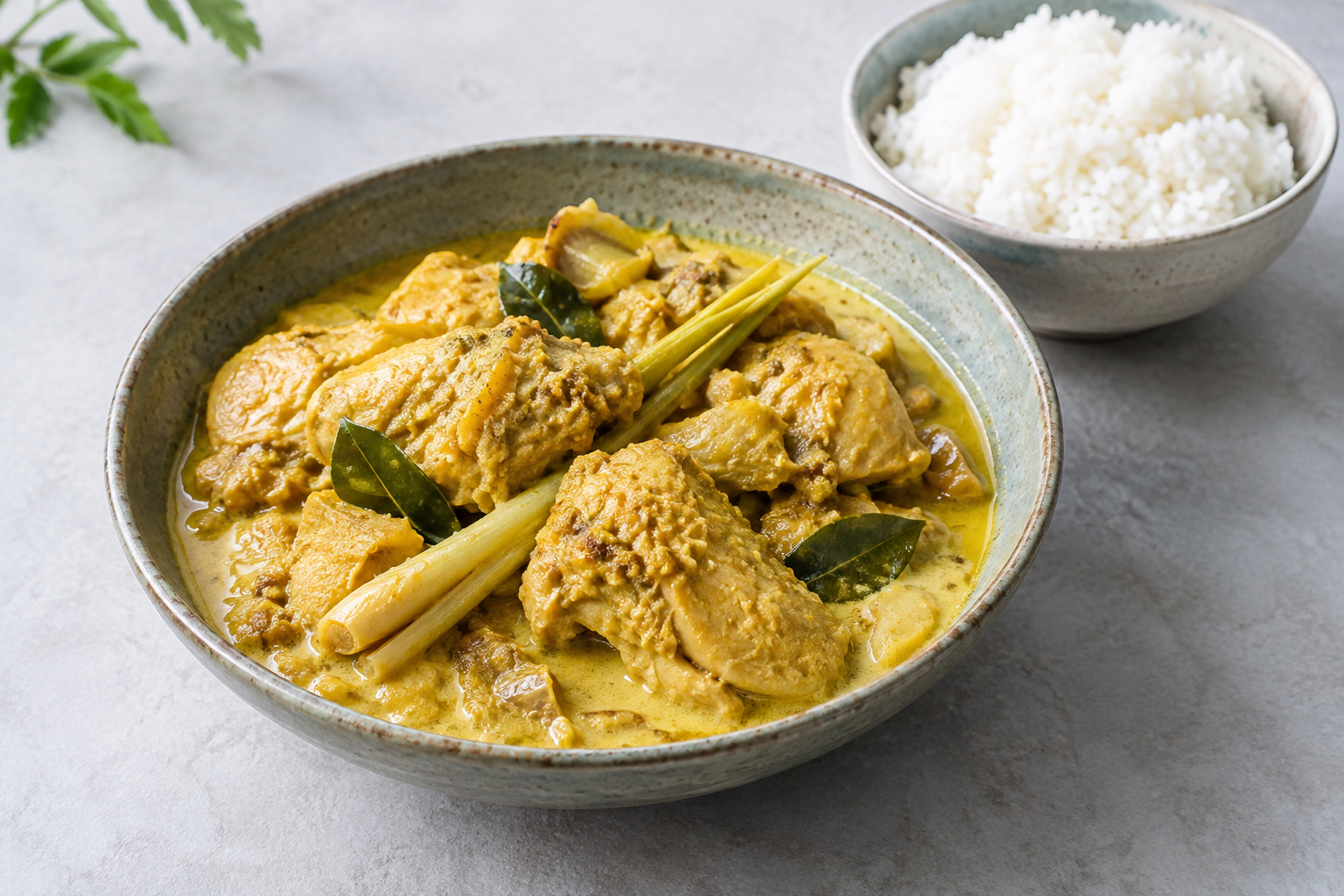
These recipes come from a range of Indonesian cuisines and are not interchangeable. Rendang Padang, with coconut slowly cooked down, is rooted in the Minangkabau cuisine of West Sumatra: the sauce simmers for a long time until it is dark and clings thickly to the meat. Soto Betawi from Jakarta, by contrast, has a creamy broth made with coconut milk and milk. In the East Javanese soto ayam Lamongan, koya and lime finish the bowl; here, koya is a crumb made from shrimp crackers and roasted garlic.
The cooking method also says something about the dish. For Javanese ayam goreng kremes, the chicken is first cooked in seasoned liquid and then deep-fried; crispy batter crumbs are part of the presentation. Balinese ayam betutu is cooked wrapped in an aromatic spice paste. These regional names point to particular ingredients and techniques, without any one dish representing all Indonesian cooking traditions.
Boemboe, coconut and kecap: build flavor layer by layer
Many dishes start with a boemboe: a paste made with ingredients such as shallot, garlic, chili and spices. Fry it gently in oil until fragrant and no longer raw-smelling. It takes a few minutes, but gives the flavors a rounded base before the broth, meat or coconut goes in. Patience is especially important with rendang: stir more often as the coconut milk thickens so the bottom does not burn.
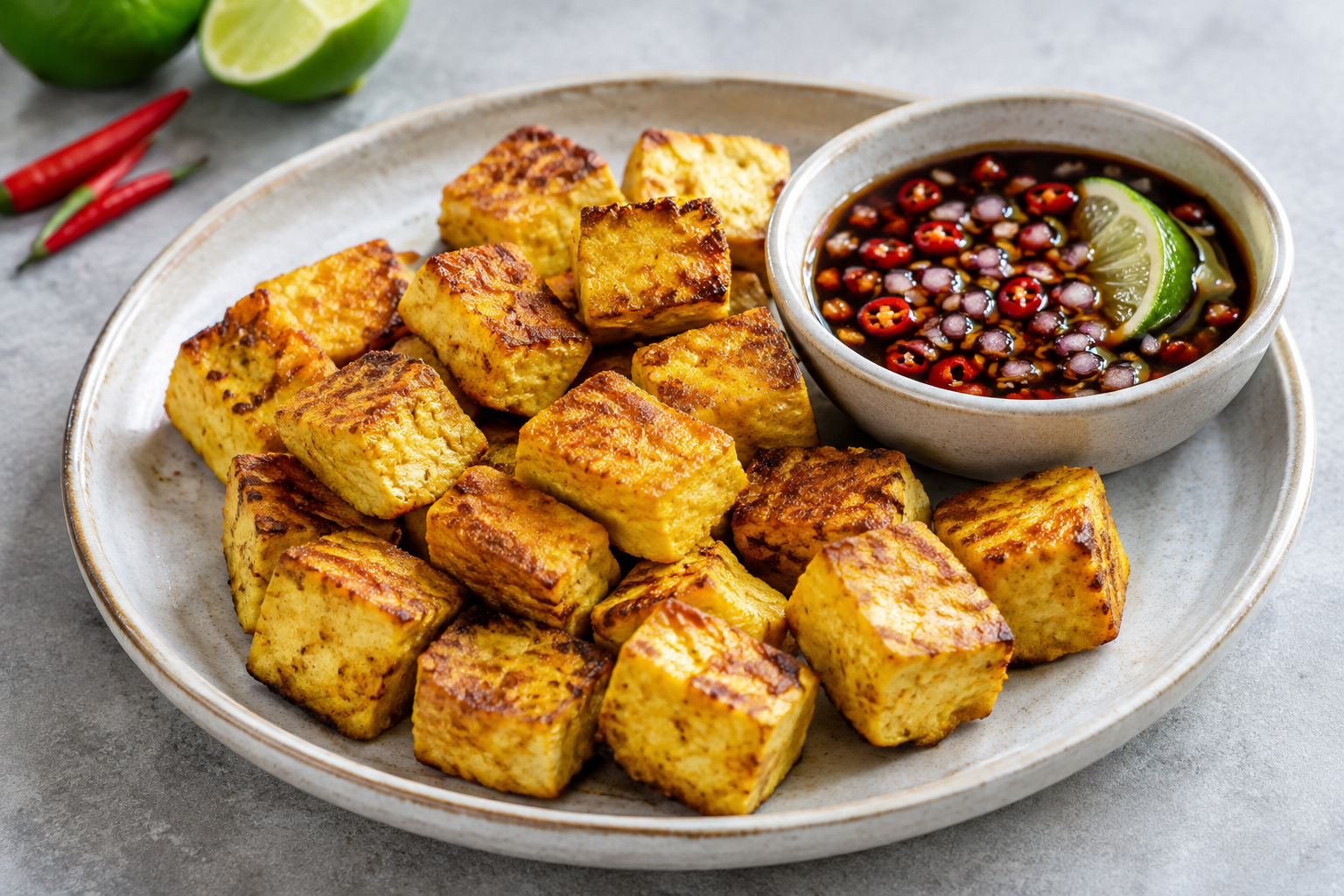
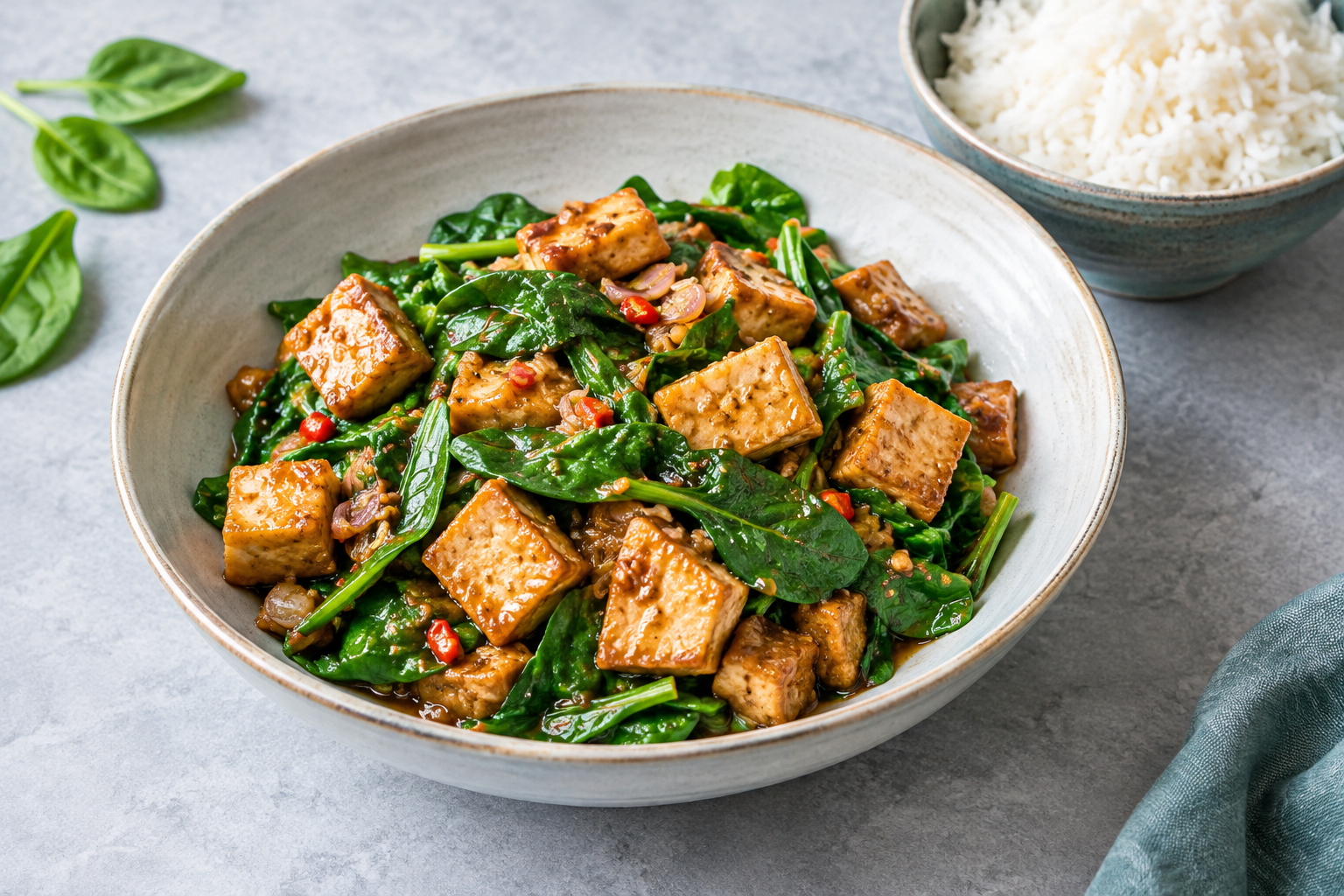
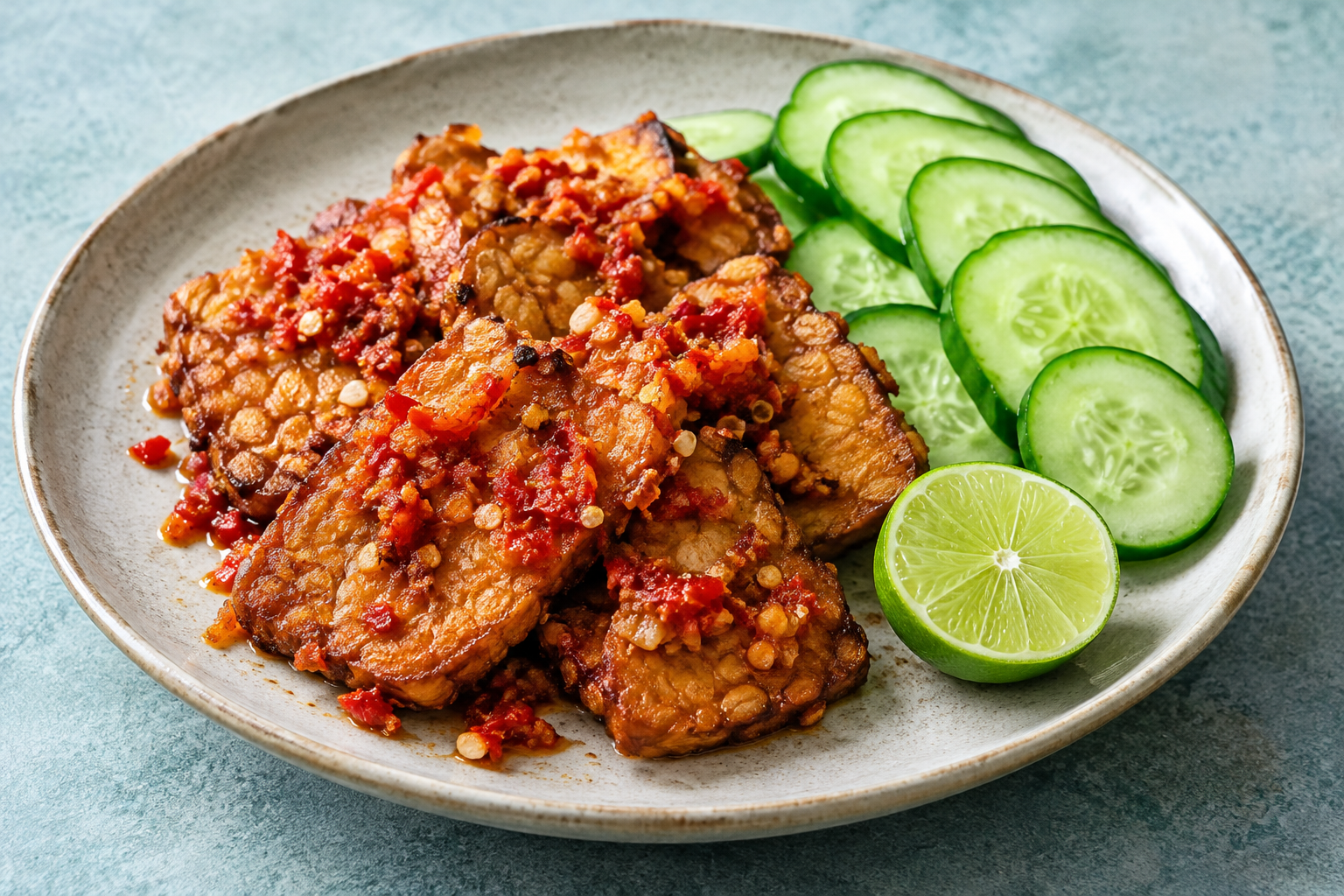
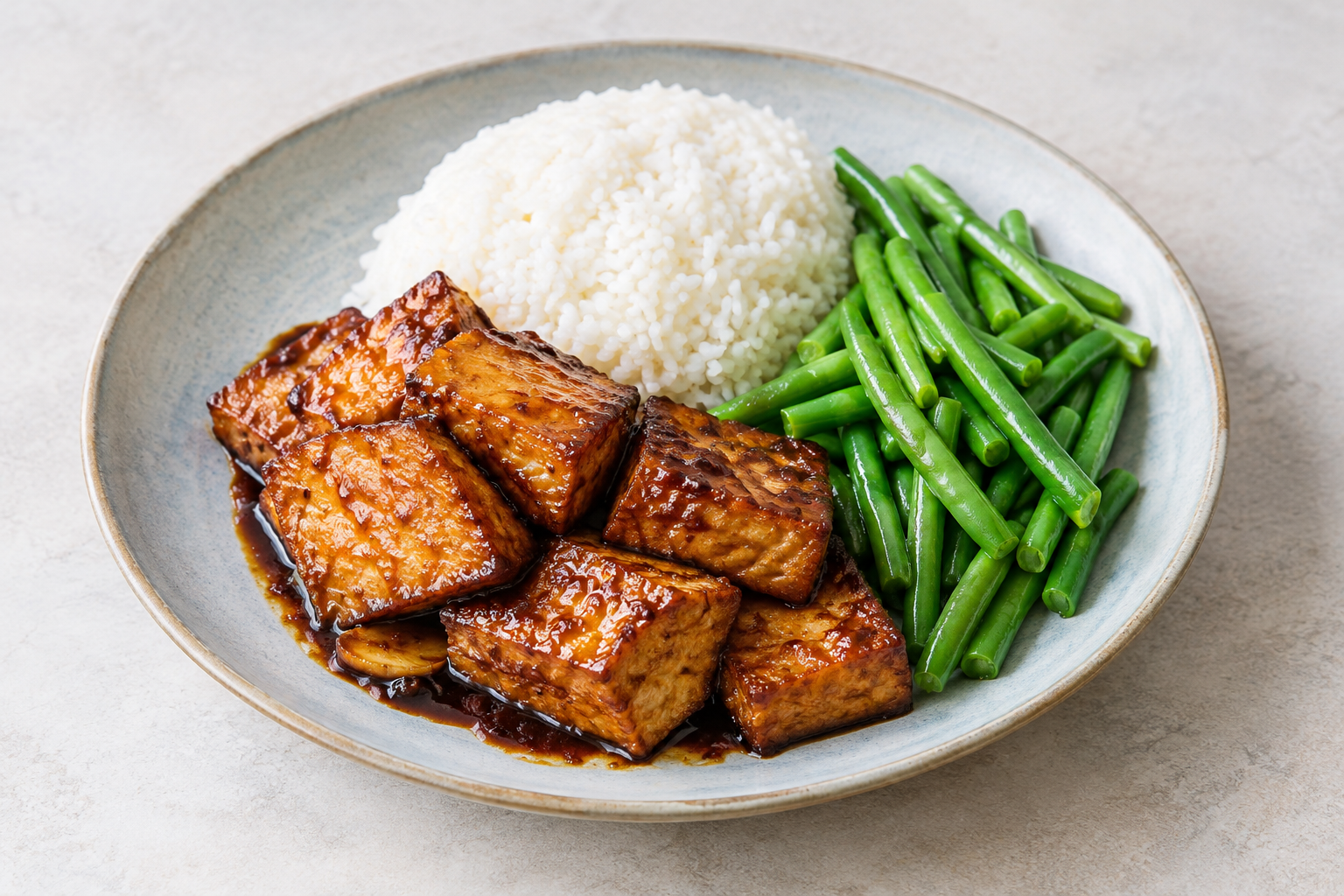
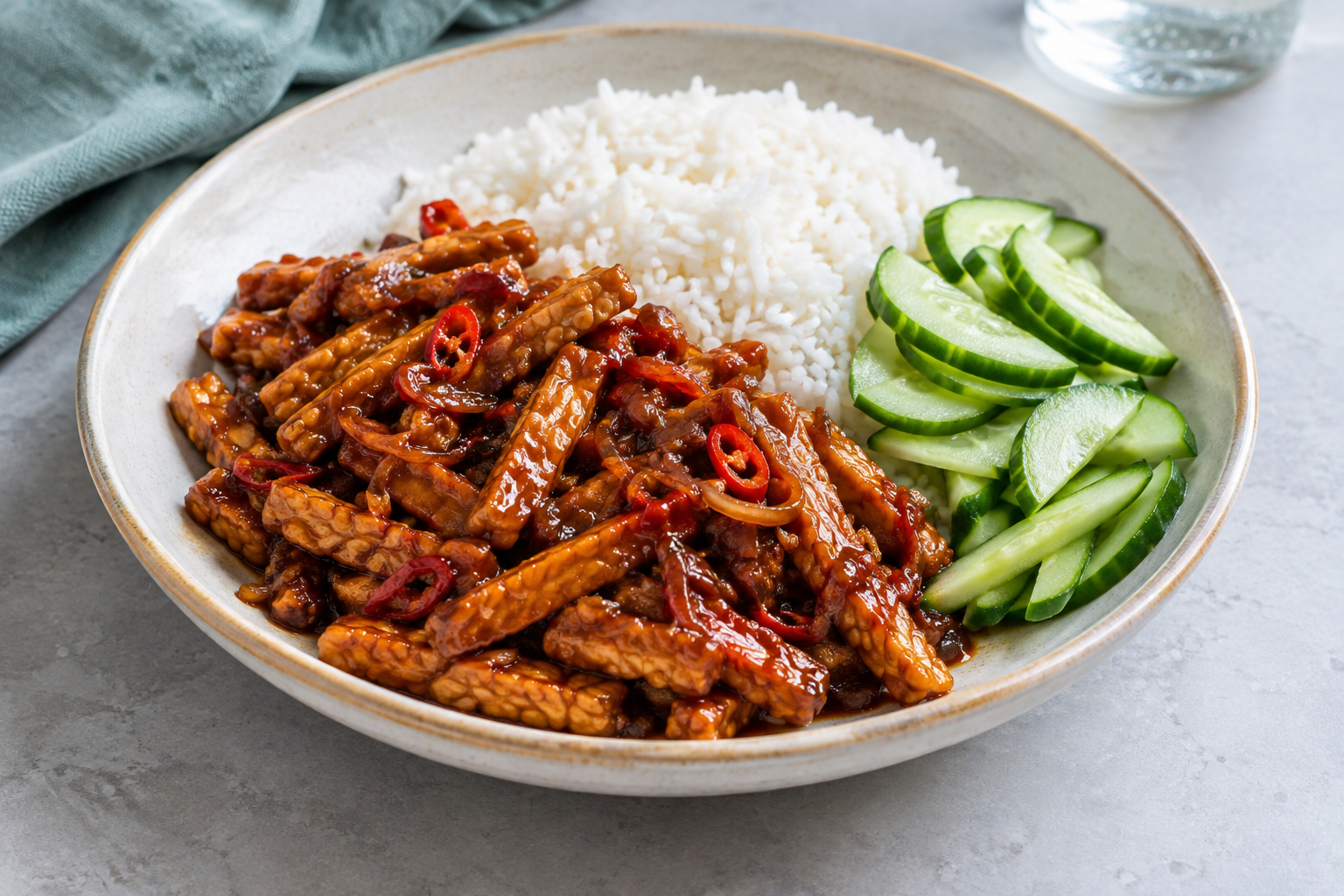
Kecap manis adds sweetness and a dark, syrupy flavor to dishes such as tempeh with a kecap and lime glaze. Lime or tamarind balances that sweet-salty profile. Tempeh is firm enough to fry until golden; pat tofu thoroughly dry and dust it with cornstarch for a crispier outside. No fresh lime? Lemon juice is a practical substitute, but taste the dressing or sauce and adjust the amount. Fresh galangal, kencur and daun jeruk each have their own aroma; if you don’t have them, it’s better to leave them out than replace them all with a single substitute.
Choose contrasts for a complete table
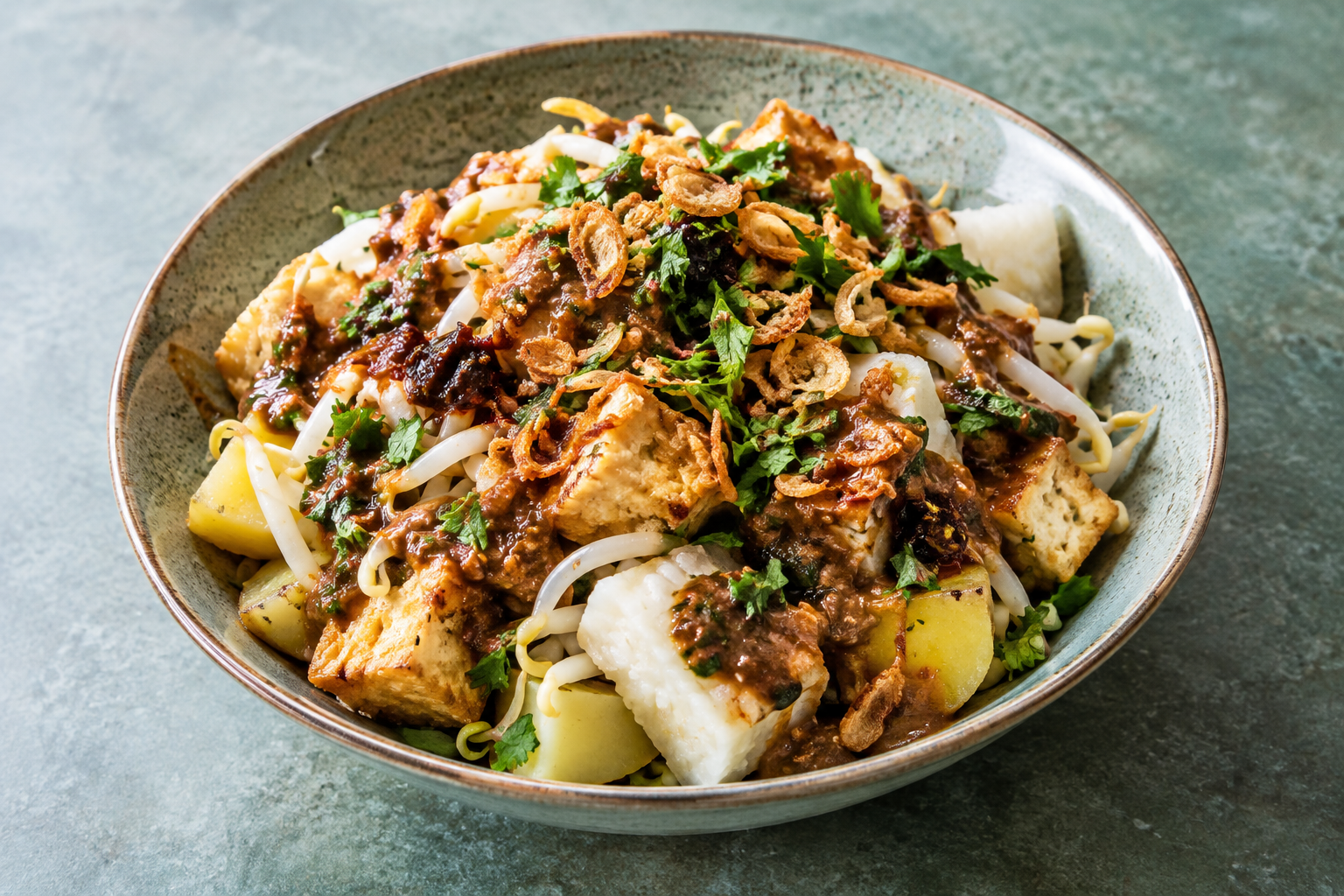
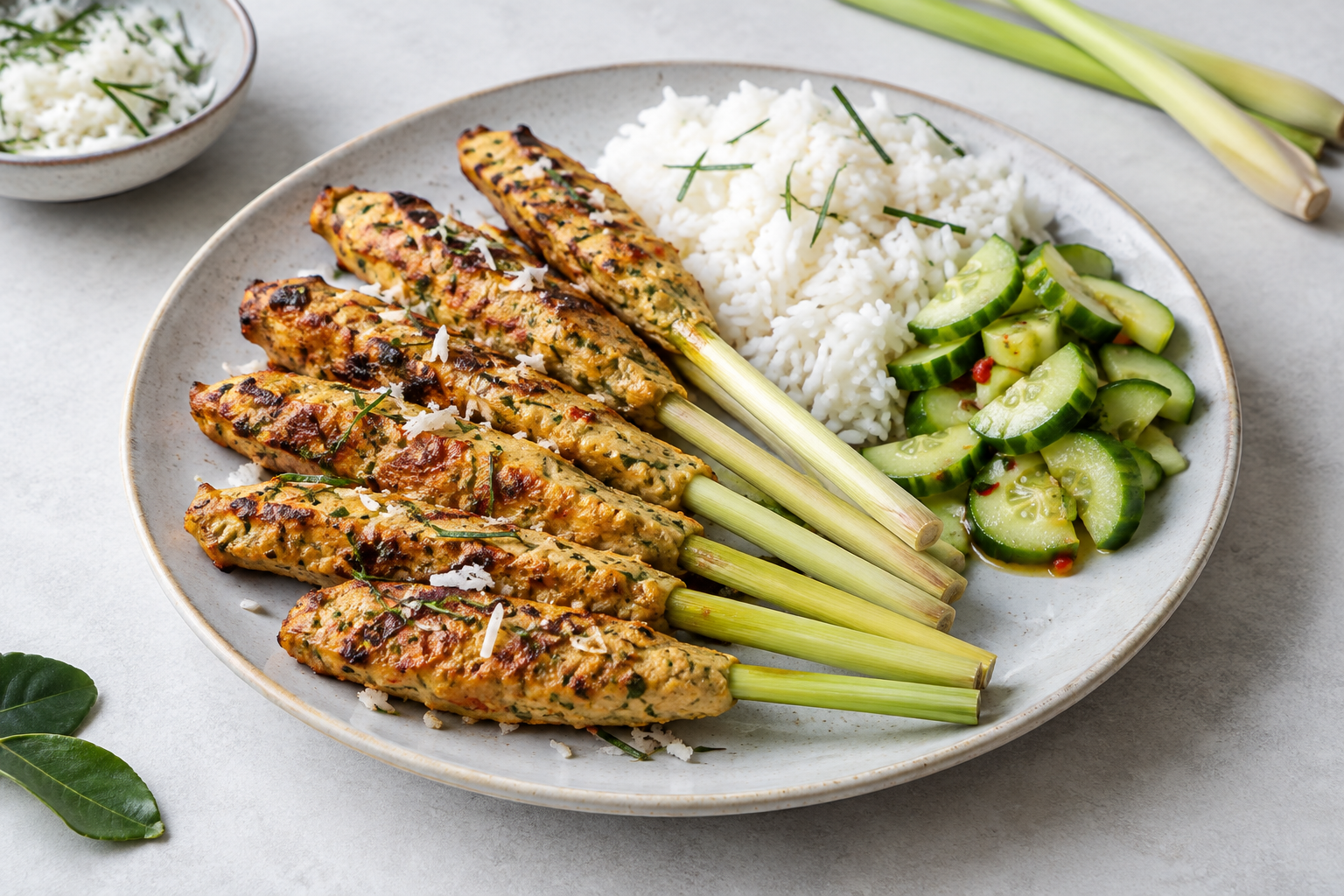
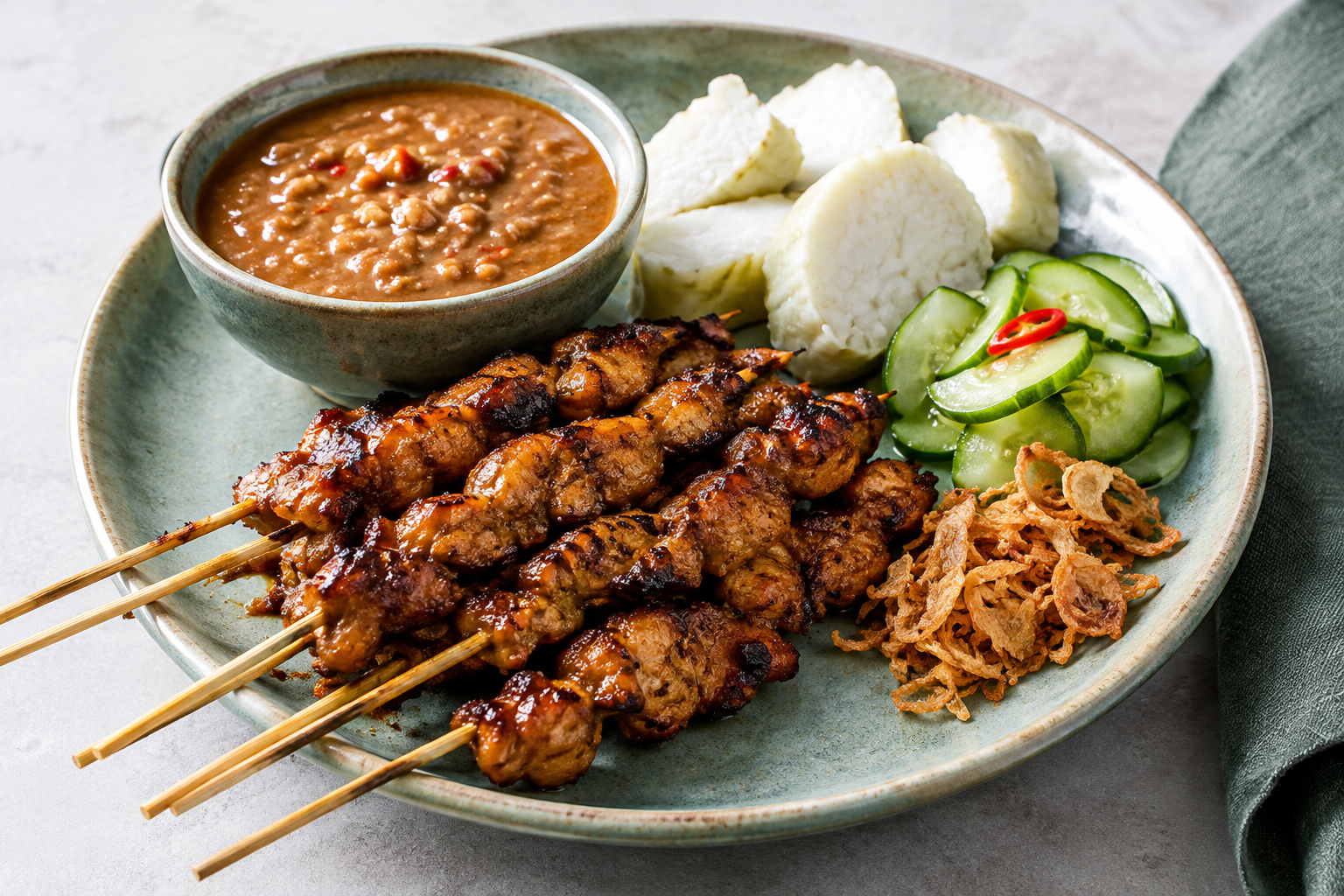
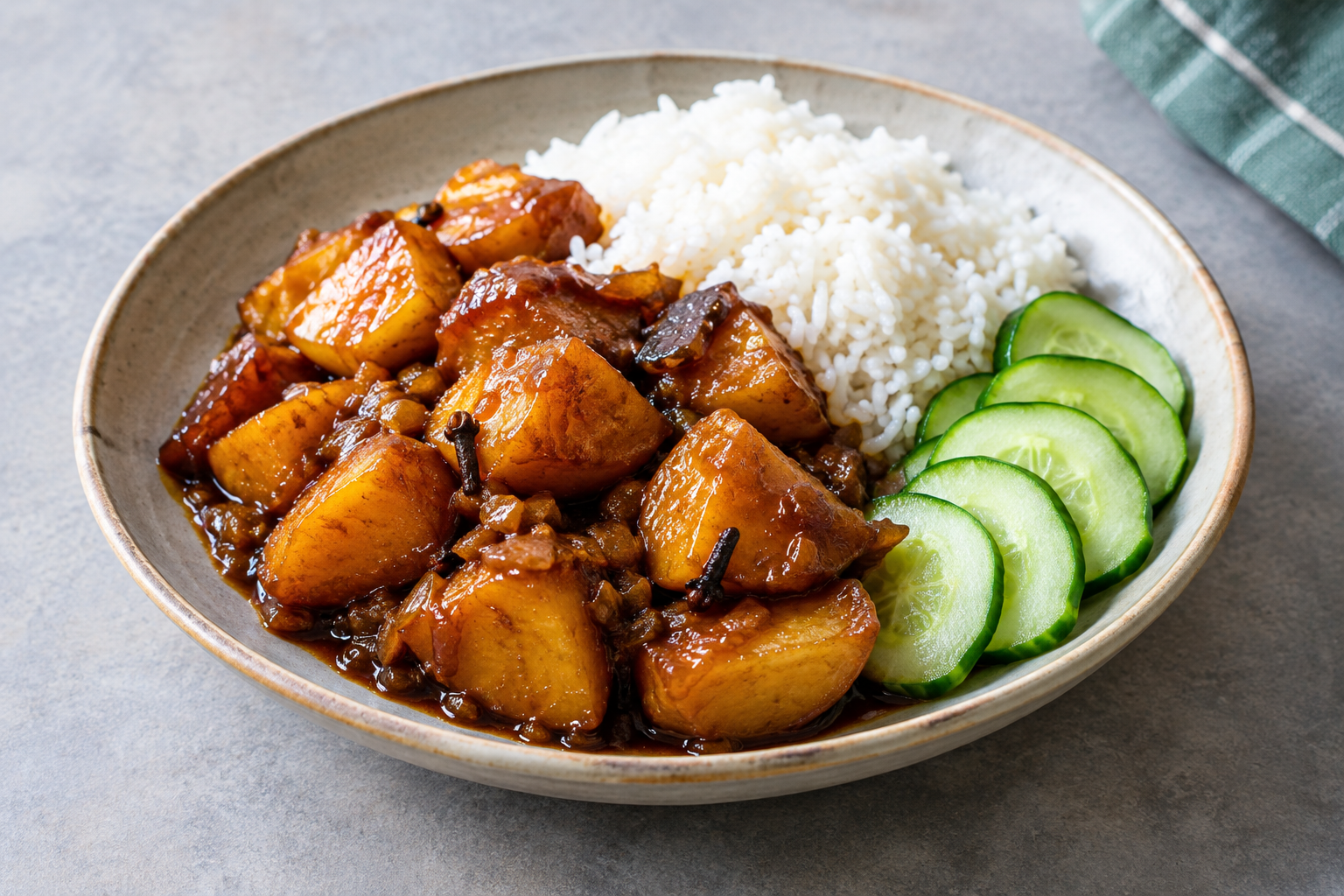
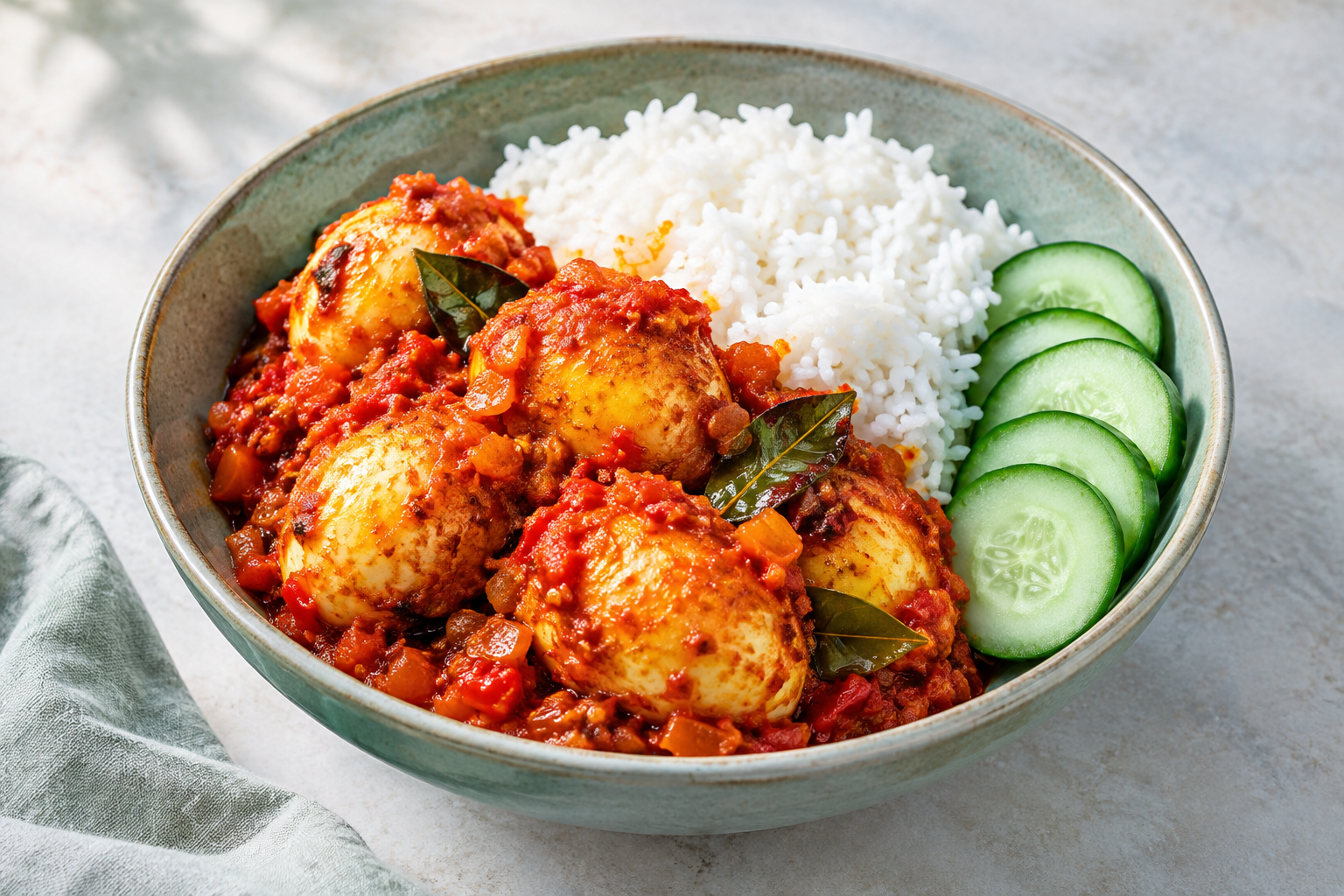
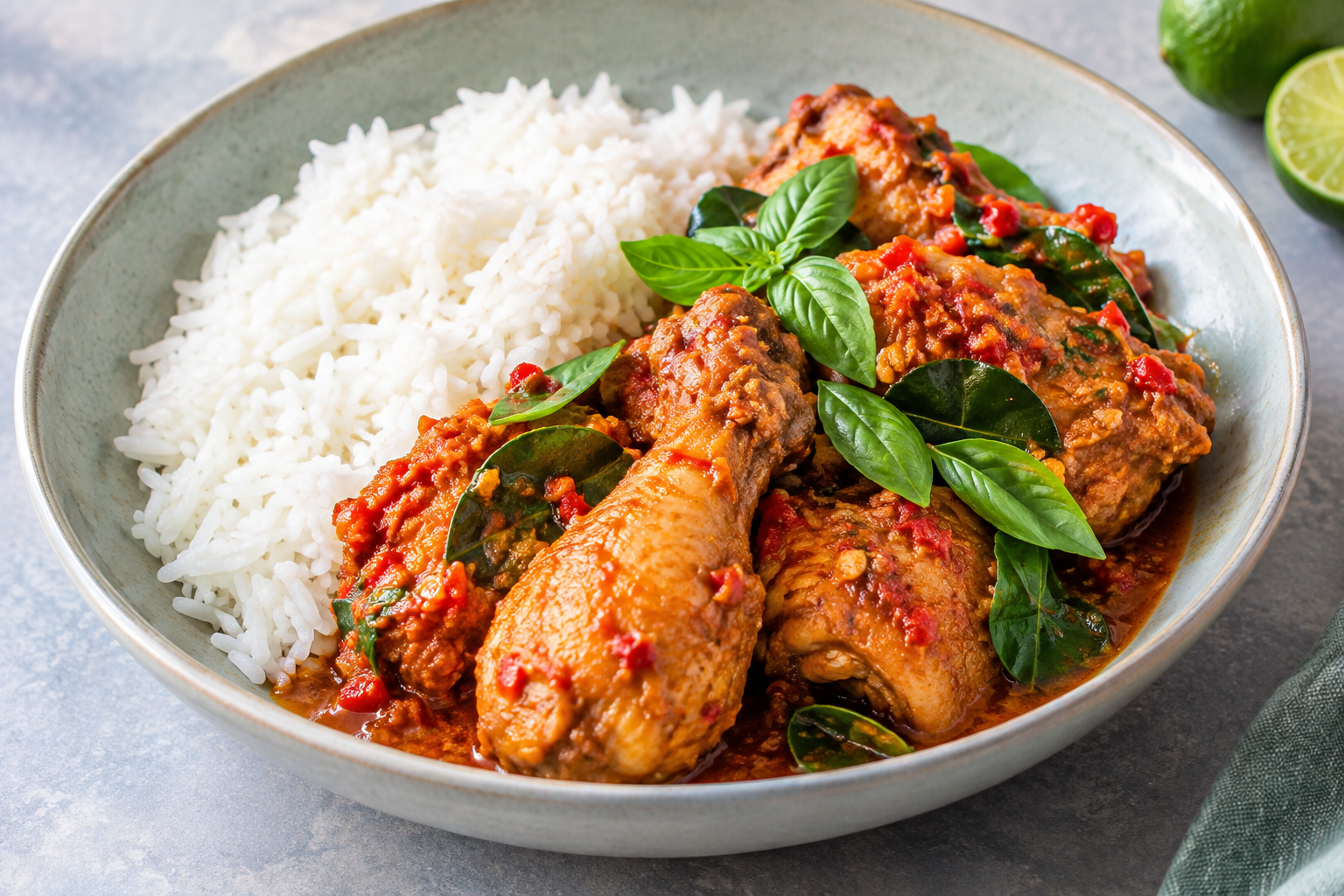
Fresh elements bring balance to rich, warm dishes. Serve rendang or ayam betutu with rice and a simple cucumber or vegetable salad. Serve lime wedges and crispy toppings alongside soto so they don’t soften in the broth. Gado-gado is already a meal with potato, vegetables, tofu, tempeh, lontong, egg and peanut sauce; keep the prawn crackers separate until it’s time to eat.
For lighter meals, green papaya, cucumber, herbs and lime juice make a fresh counterpart to fried tempeh. Corn with dabu-dabu has a different accent: tomato, shallot, chili and lime add juiciness and acidity alongside the roasted kernels. Kemangi works well when available; basil is a useful substitute in these recipes. Whenever possible, serve sauces, sambal and fresh garnishes separately at the table: this keeps crispy textures intact and lets everyone adjust the heat to their liking.
 Main course