Kitchen classics, vegetables, and bold flavors.
Recipe index
CUISINES

Japanese recipes: dashi, noodles and crispy vegetables

From comforting kitsune udon to crispy tonkatsu, these Japanese recipes put broth, rice and careful preparation front and center. You’ll also find fresh, vegetable-packed dishes with miso, ponzu and crunchy toppings. Choose a bowl of noodles for something savory, a rice dish for a meal, or a side that brings acidity, umami and texture to the table.

59 recipesBrowse the recipes
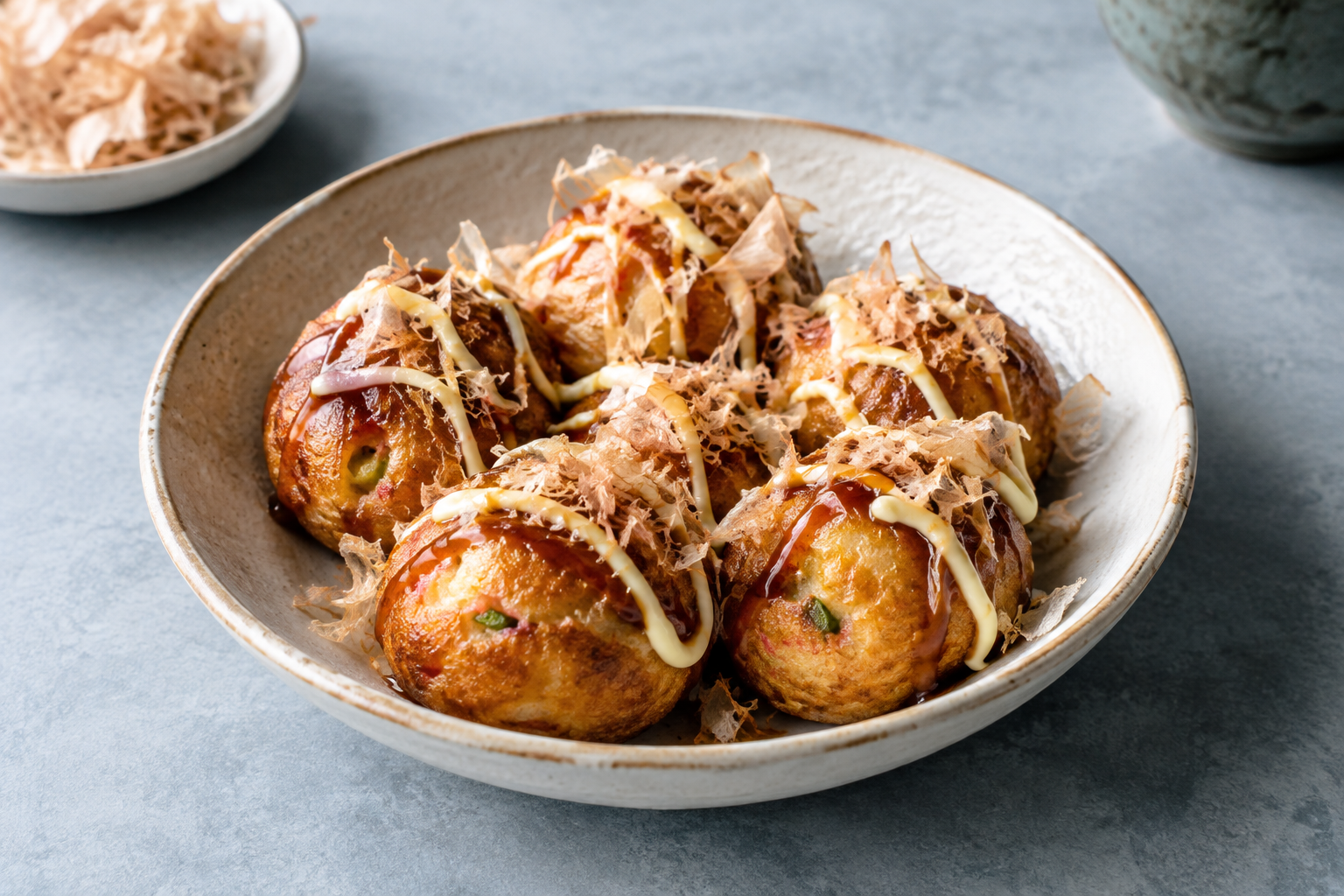
Golden-brown takoyaki with octopus, takoyaki sauce, Japanese mayonnaise and bonito flakes on a plate.

Choose a recipe

Golden-brown takoyaki with octopus, takoyaki sauce, Japanese mayonnaise and bonito flakes on a plate.Side dish
45 minutes

Takoyaki: Japanese octopus bites

This Osaka classic has a golden-brown exterior and a soft, savory center filled with pieces of octopus, scallions and pickled ginger. With a takoyaki pan and a skewer, you can turn the bites as they cook; serve them straight away with takoyaki sauce and Japanese mayonnaise.

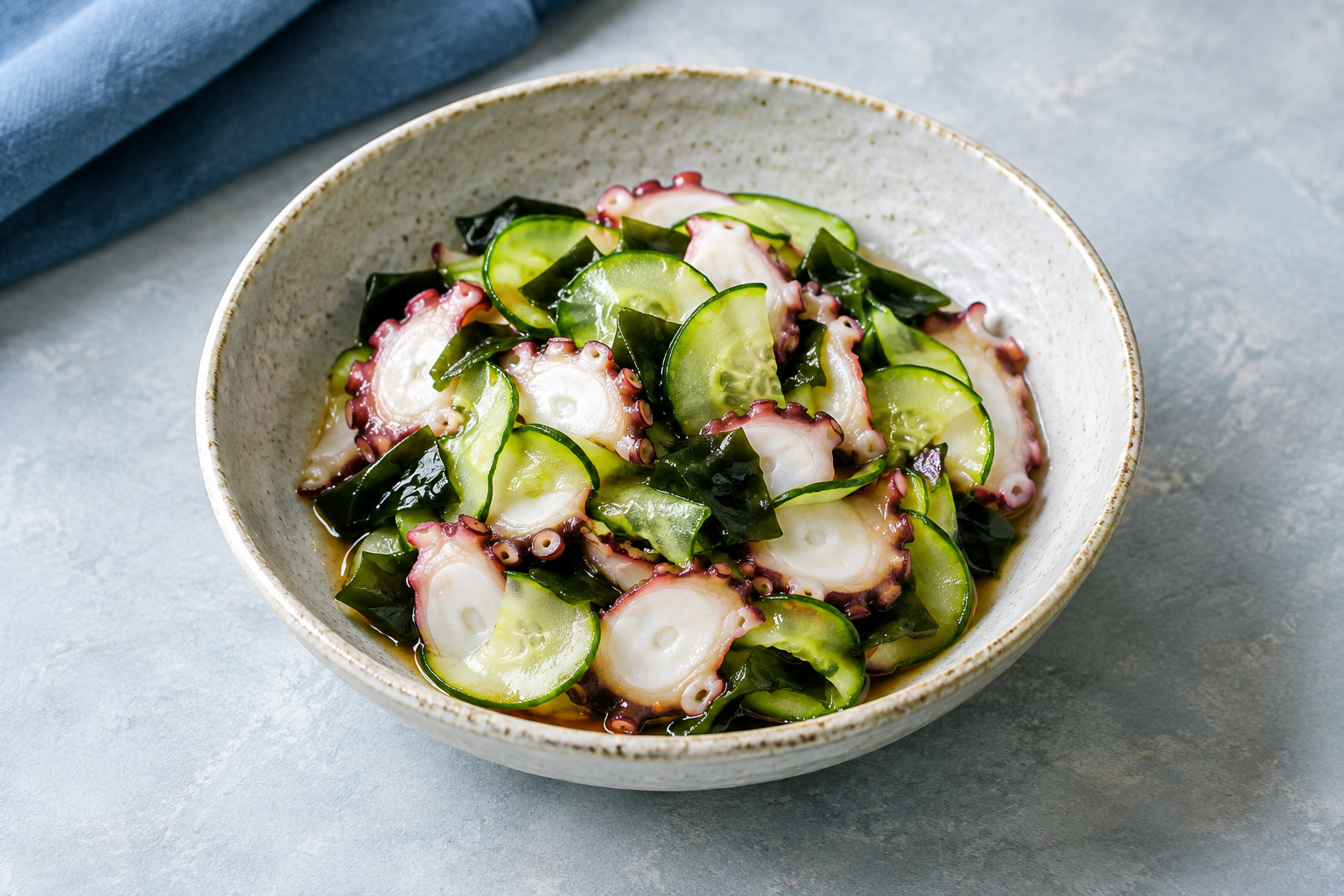
Japanese octopus salad with thin slices of octopus, crisp cucumber and wakame in a light rice vinegar dressing.Side dish
20 minutes

Tako Sunomono: Japanese Octopus Salad with Cucumber

Thin slices of octopus, crisp cucumber and a fresh rice vinegar dressing come together in a light Japanese first course. Toss the salad just before serving so the cucumber stays crunchy.

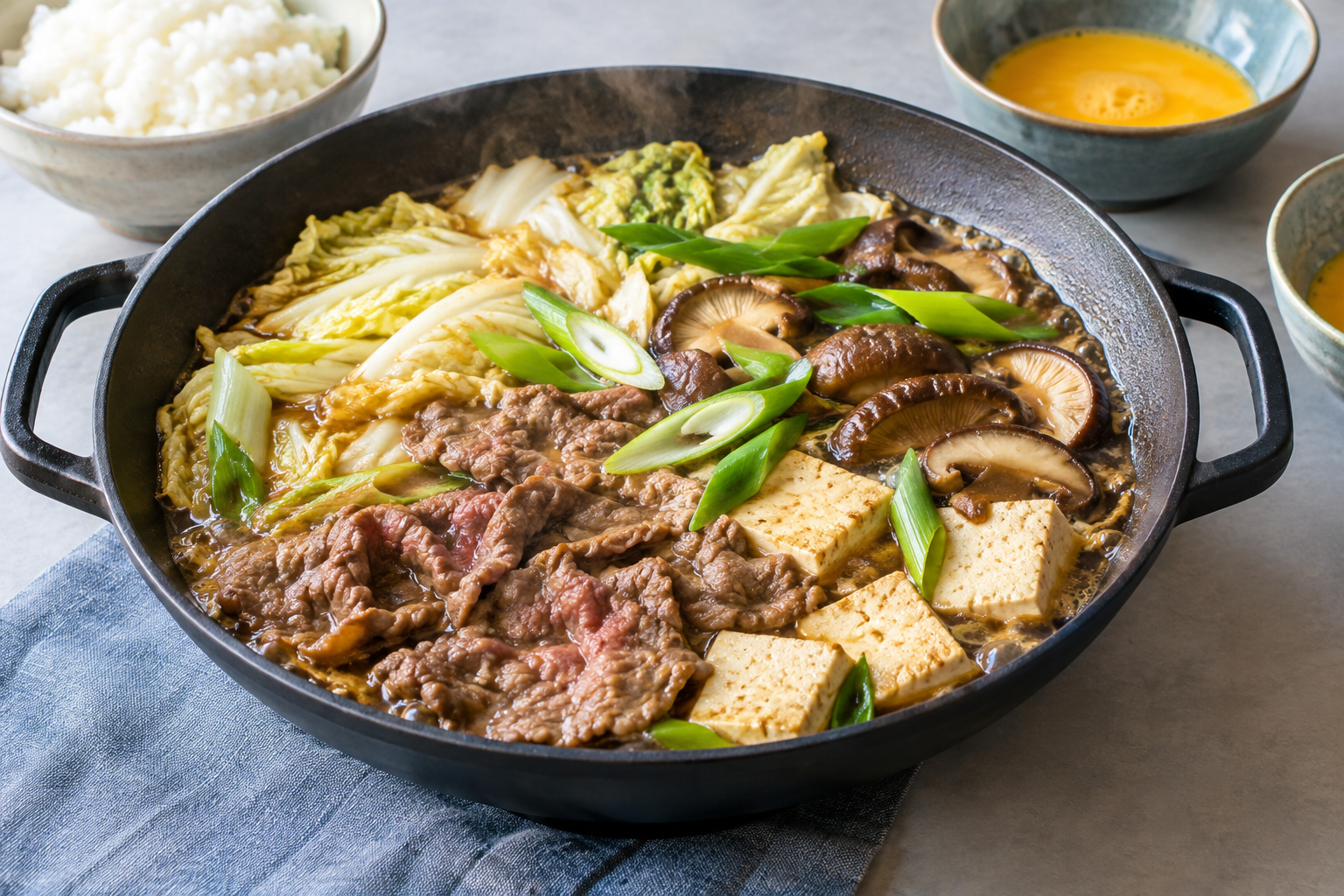
Sukiyaki with thinly sliced beef, tofu, napa cabbage, shiitake and spring onions in a sweet-savory sauce, served with rice.Main course
45 minutes

Sukiyaki with Beef, Tofu and Shiitake

Thin slices of beef, soft tofu and crunchy cabbage cook briefly in a sweet-savory sauce made with soy sauce, mirin and sake. Set the pan in the middle of the table and serve the sukiyaki with rice while the vegetables still have a little bite.

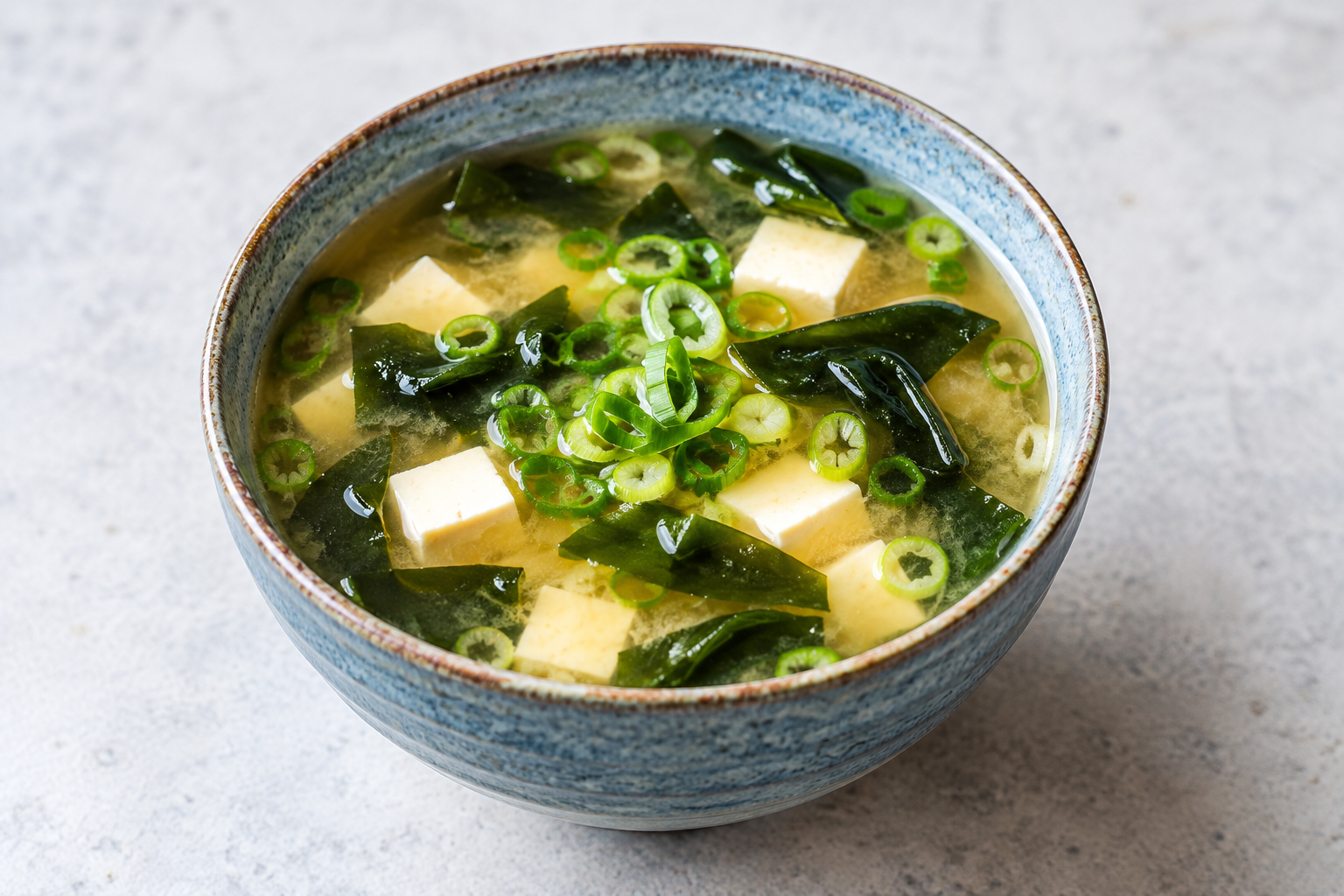
Japanese miso soup with tofu, wakame, and spring onion rings in a small bowl.Soup
40 minutes

Japanese Miso Soup with Tofu and Wakame

This light misoshiru starts with clear dashi and gets body from soft tofu and wakame. Spring onion adds a fresh, slightly sharp note. Serve the soup in small bowls as a savory first course.

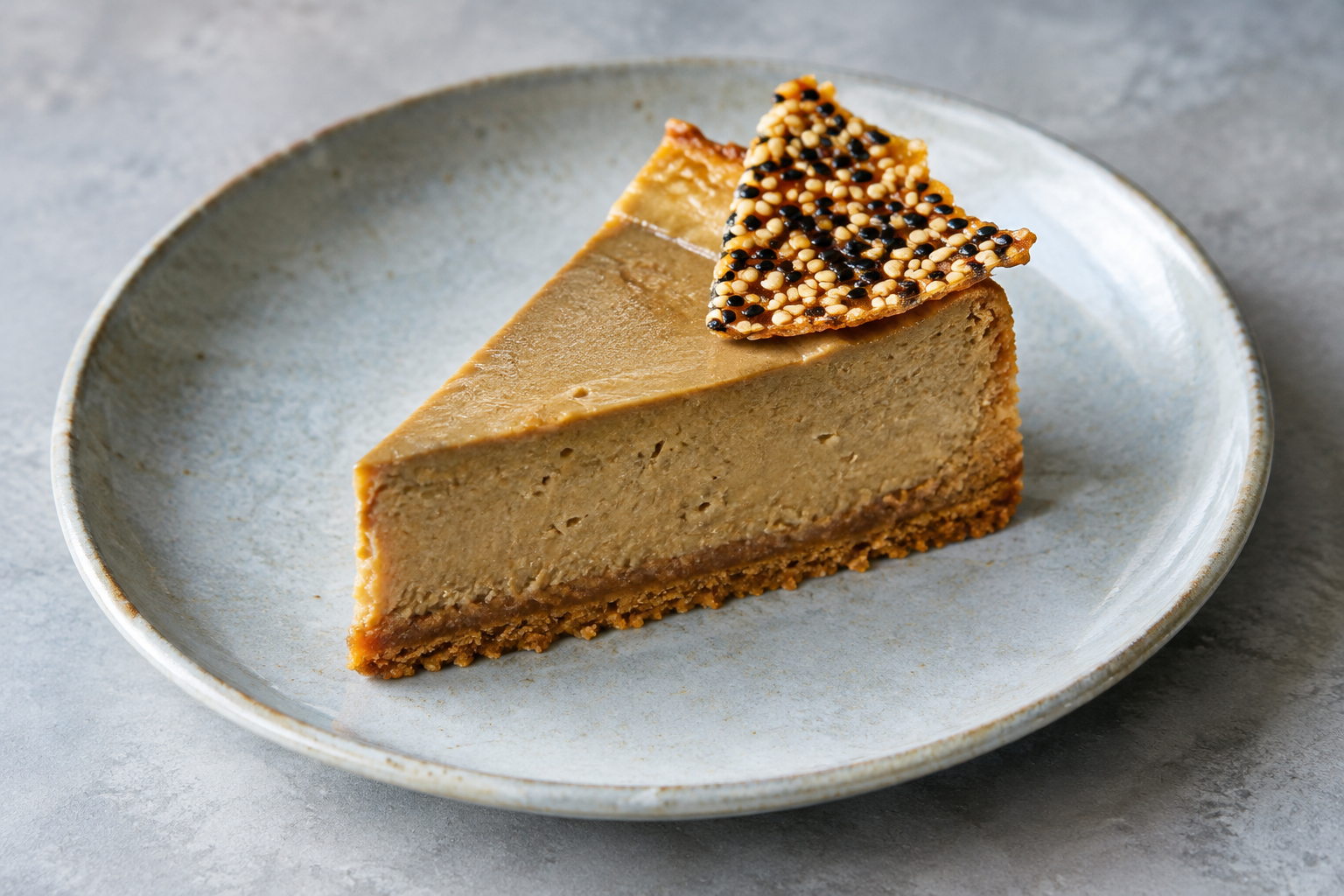
A slice of creamy hojicha cheesecake with a biscuit base and thin sesame brittle on a ceramic plate.Dessert
110 minutes

Hojicha Cheesecake with Sesame Brittle

This baked cheesecake pairs a creamy, lightly tangy filling with hojicha: roasted green tea with a mellow, nutty flavor. A thin layer of sesame brittle adds a dry, crunchy contrast.

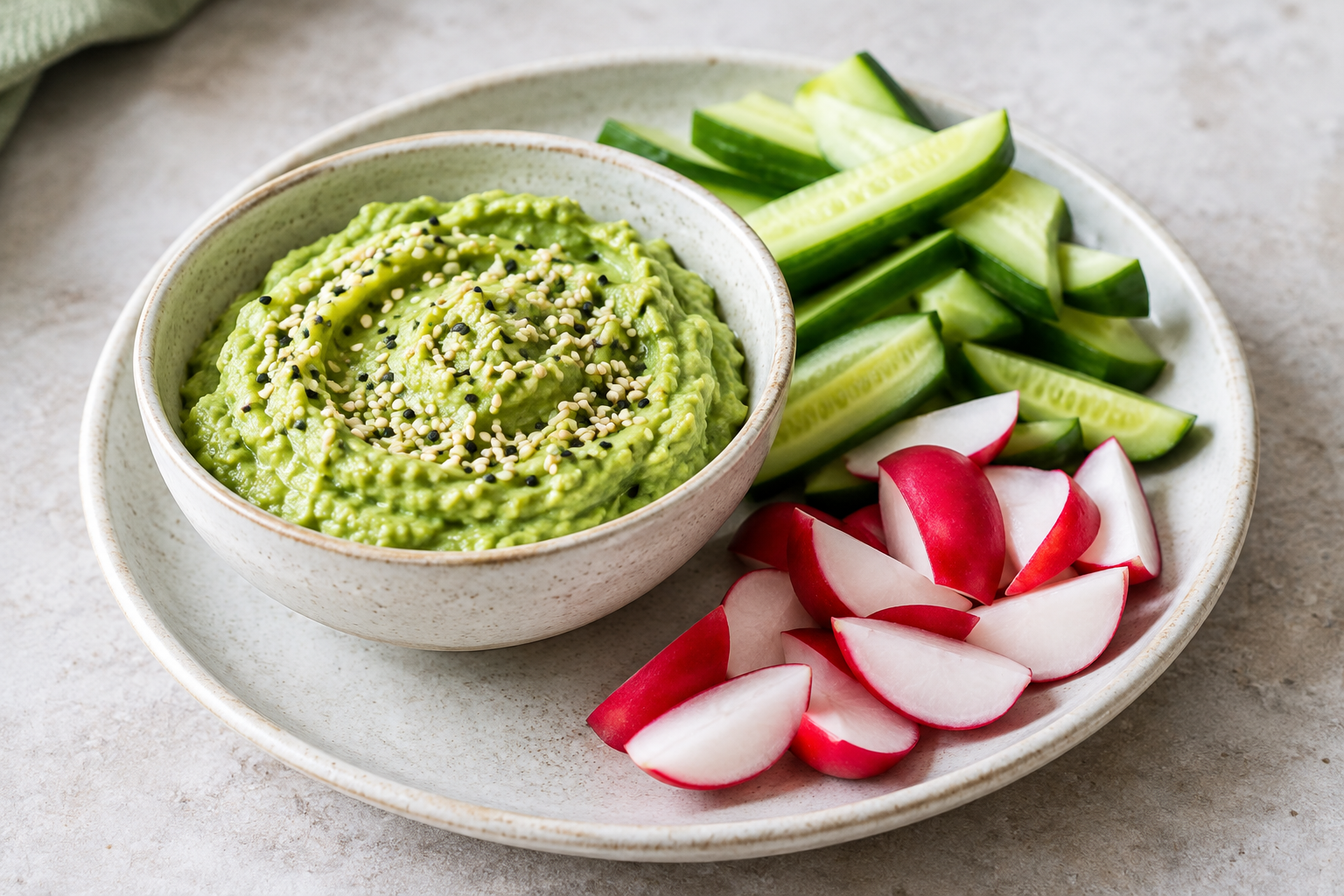
Pale green edamame dip topped with sesame seeds, served with raw radishes and cucumber.Side dish
15 minutes

Edamame Dip with White Miso and Sesame

A hearty, creamy dip made with edamame, white miso and sesame oil, with rice vinegar for freshness. Serve with crunchy radishes and cucumber for dipping.

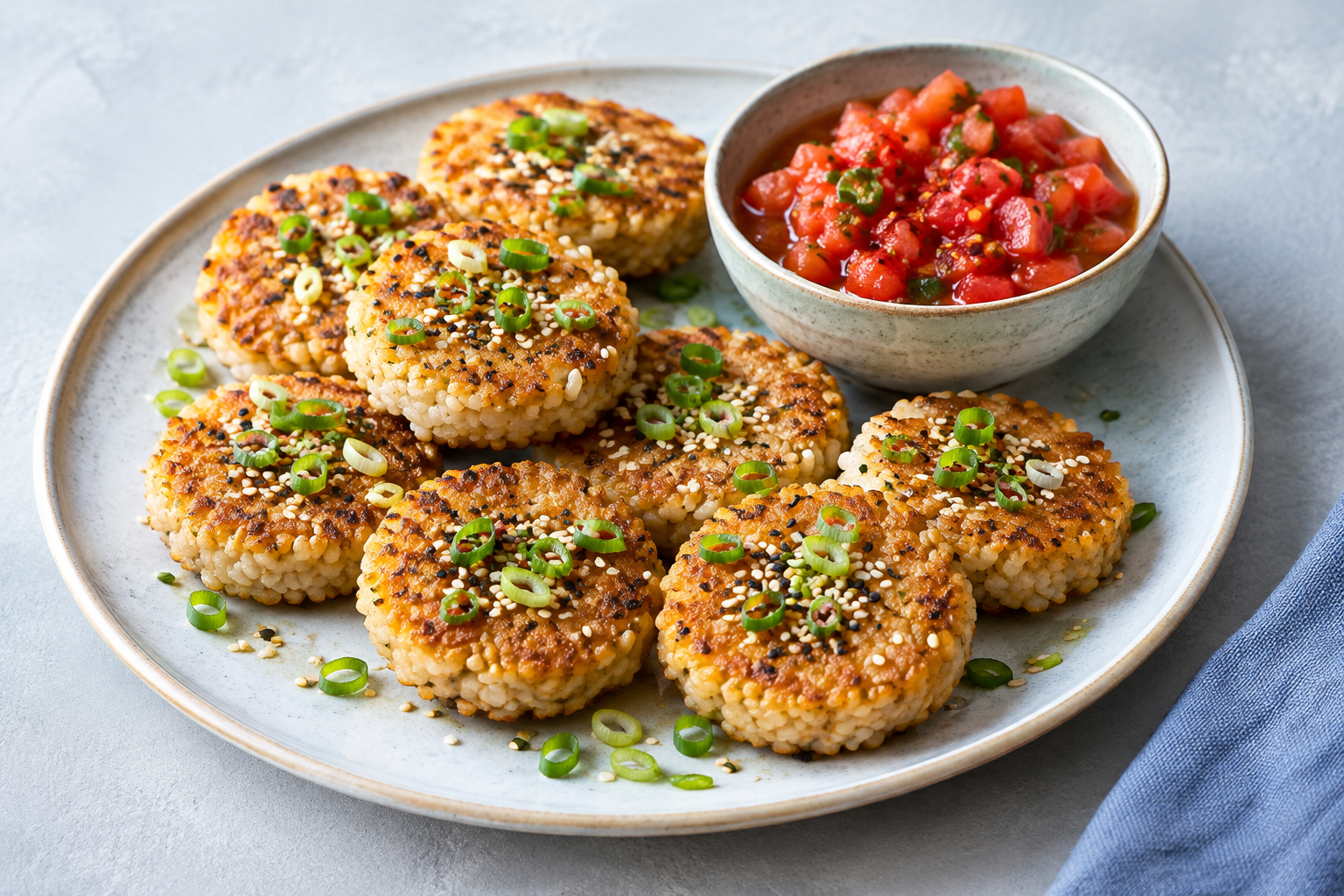
Golden-brown rice cakes with sesame and spring onion, served with spicy tomato dip.Side dish
35 minutes

Crispy Rice Cakes with Spicy Tomato Dip

Golden-brown rice cakes are served with a fresh, savory dip made with tomato, soy sauce and rice vinegar. Serve them warm with sesame and spring onion: a little starter to share.

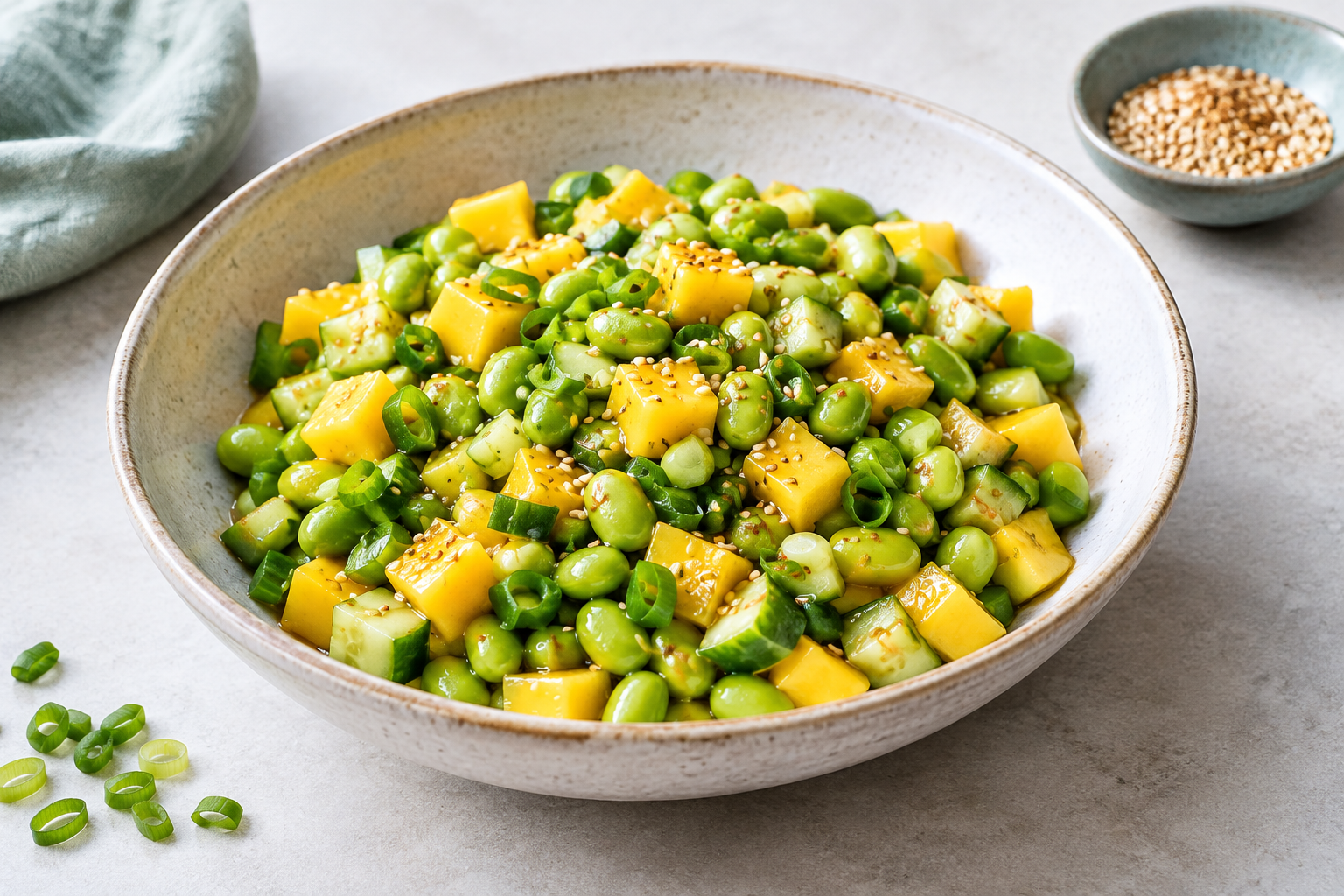
Edamame salad with diced cucumber and mango, green onions, sesame seeds and a light dressing with lime and soy sauce.Side dish
20 minutes

Edamame Salad with Cucumber, Mango and Sesame

Hearty edamame, crunchy cucumber and ripe mango make this colorful salad both fresh and filling. The dressing of rice vinegar, soy sauce, sesame oil and lime balances tartness, saltiness and fruity freshness.

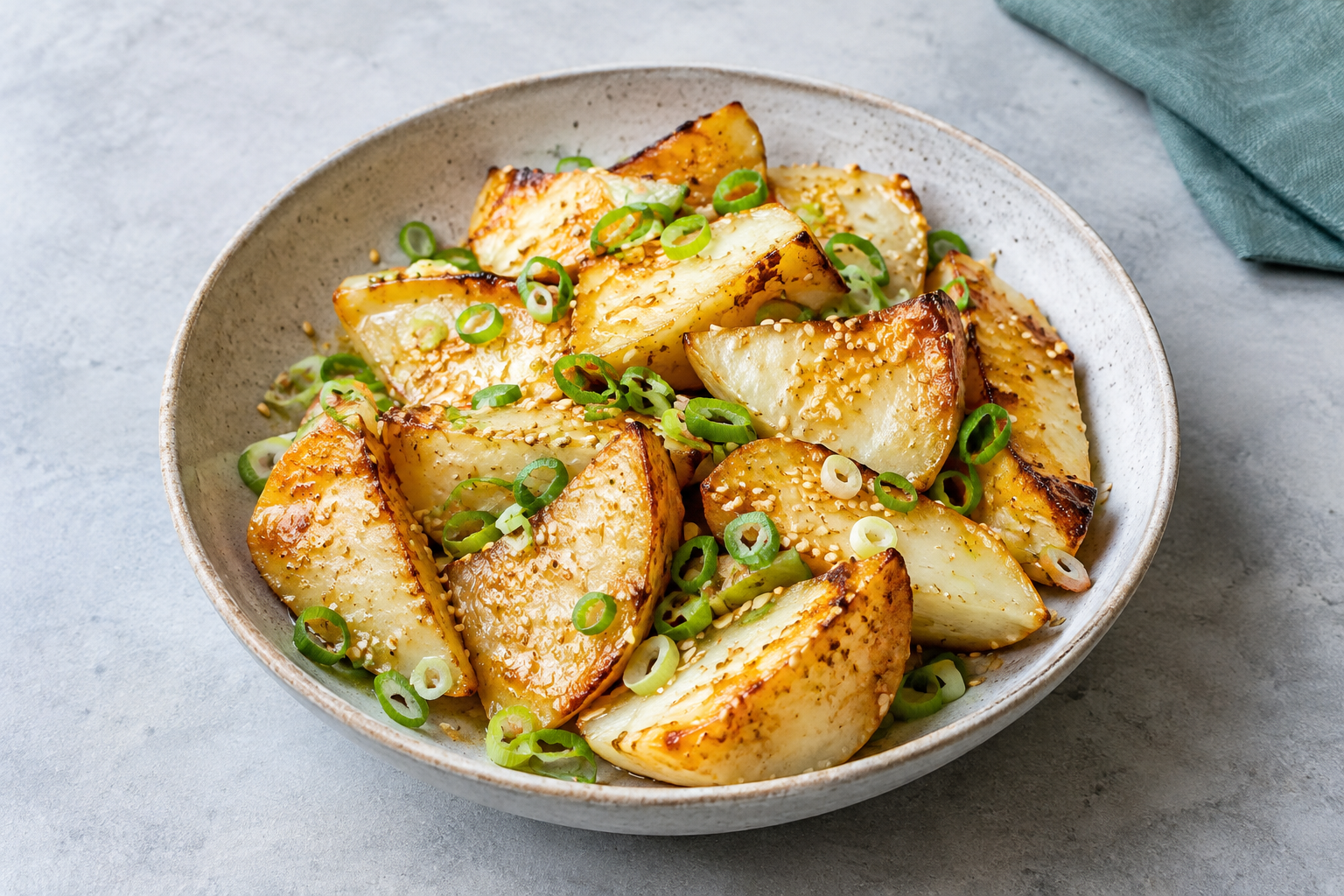
Golden-brown roasted kohlrabi with miso butter, toasted sesame, and spring onion on a serving platter.Side dish
50 minutes

Roasted Kohlrabi with Miso Butter and Sesame

Thick wedges of kohlrabi turn tender and juicy in the oven, with golden-brown edges. A thin coating of miso butter gives them savory depth; toasted sesame and spring onion add a fresh, crunchy finish.

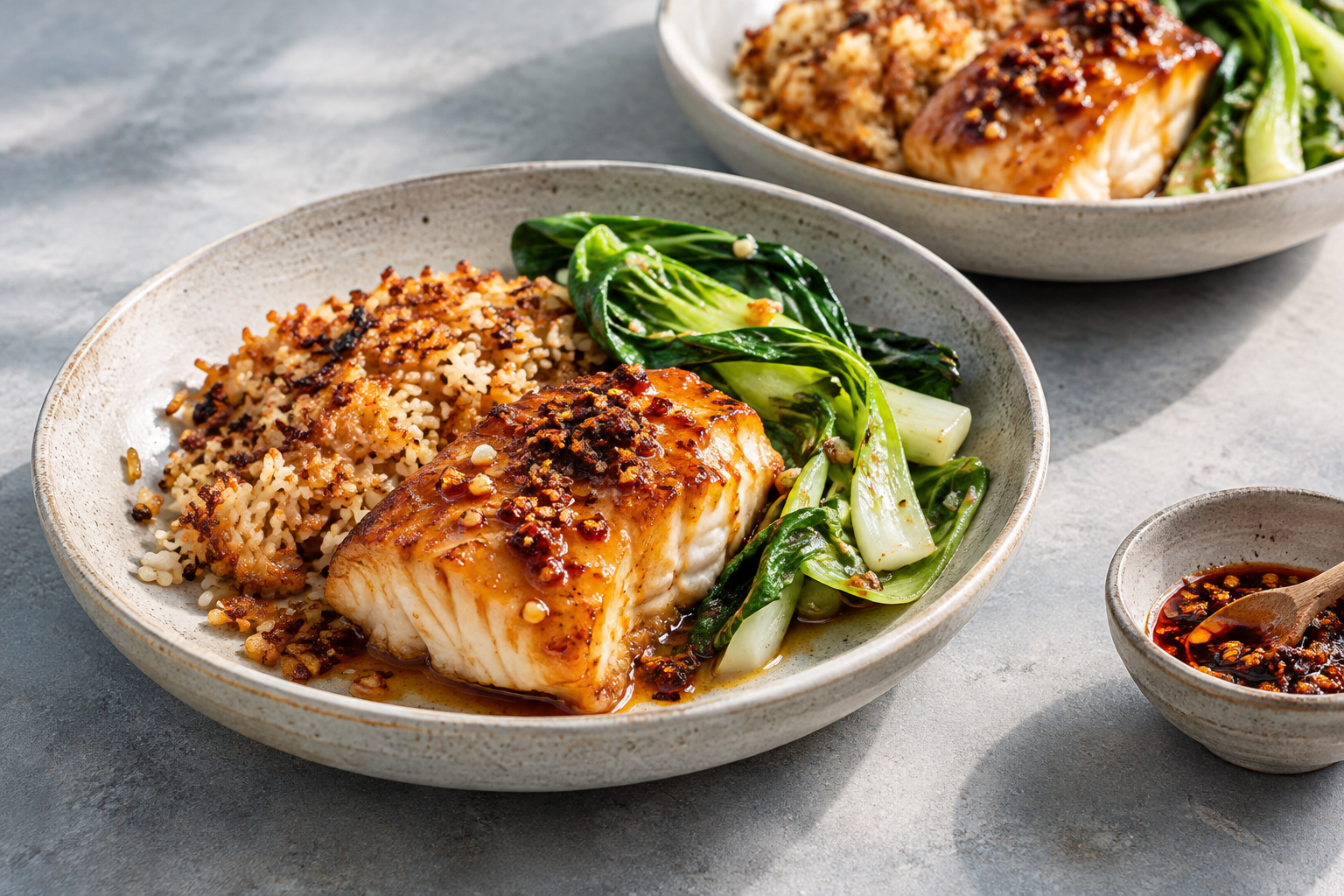
Miso cod with crispy rice, green bok choy, miso sauce and chili crisp on two plates.Main course
35 minutes

Miso Cod with Crispy Rice and Bok Choy

Glossy cod with a bold miso glaze, golden-brown rice and quickly stir-fried bok choy. A fresh miso sauce and a little chili crisp add extra heat and contrast to every bite.

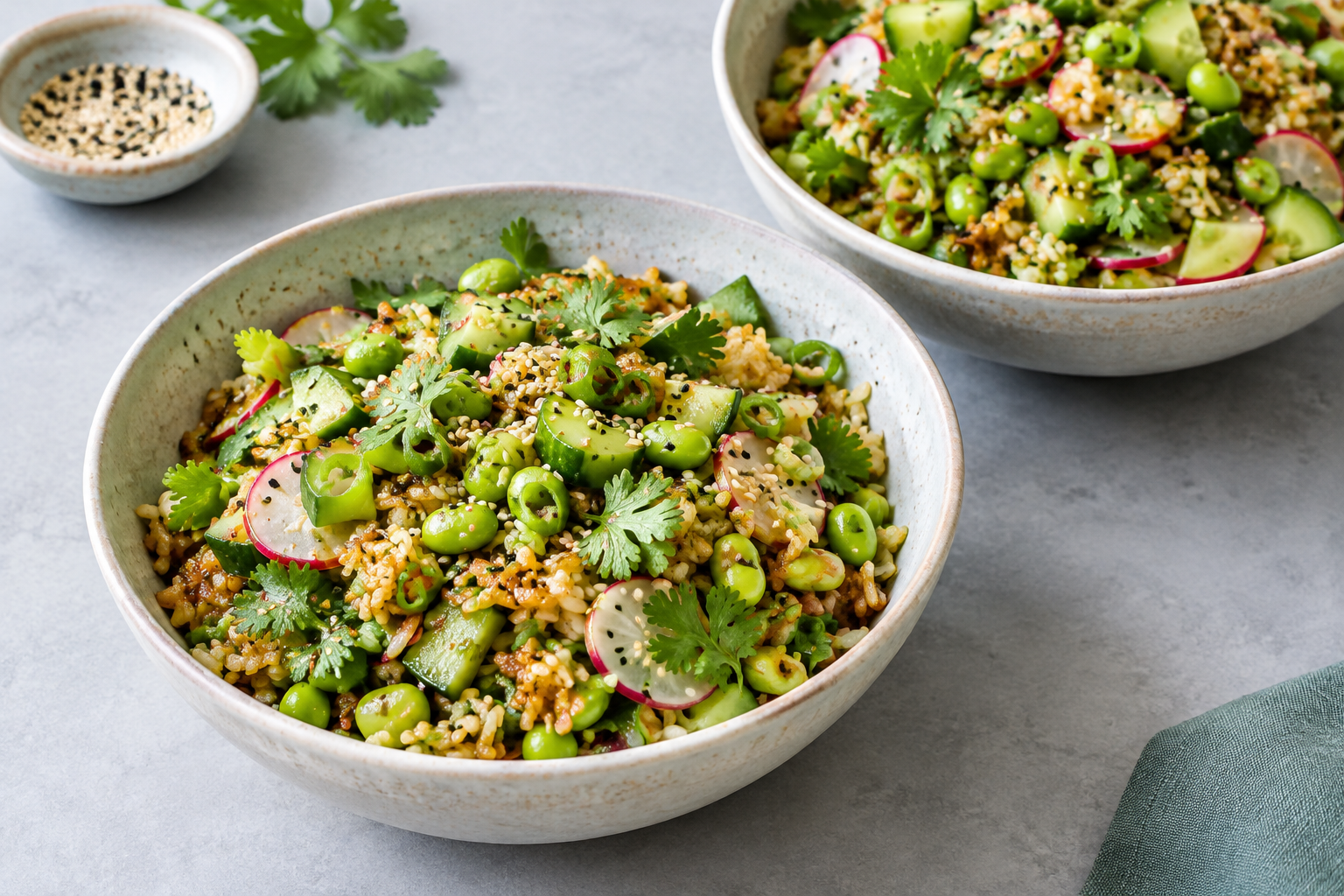
Crispy rice salad with edamame, cucumber, radishes, spring onion, cilantro and sesame seeds in two bowls.Lunch
32 minutes

Crispy Rice Salad with Edamame, Cucumber and Lime

Fried rice develops golden, crispy edges and is tossed just before serving with fresh cucumber, radishes and edamame. A dressing of lime, soy sauce and sesame oil brings acidity and umami together.

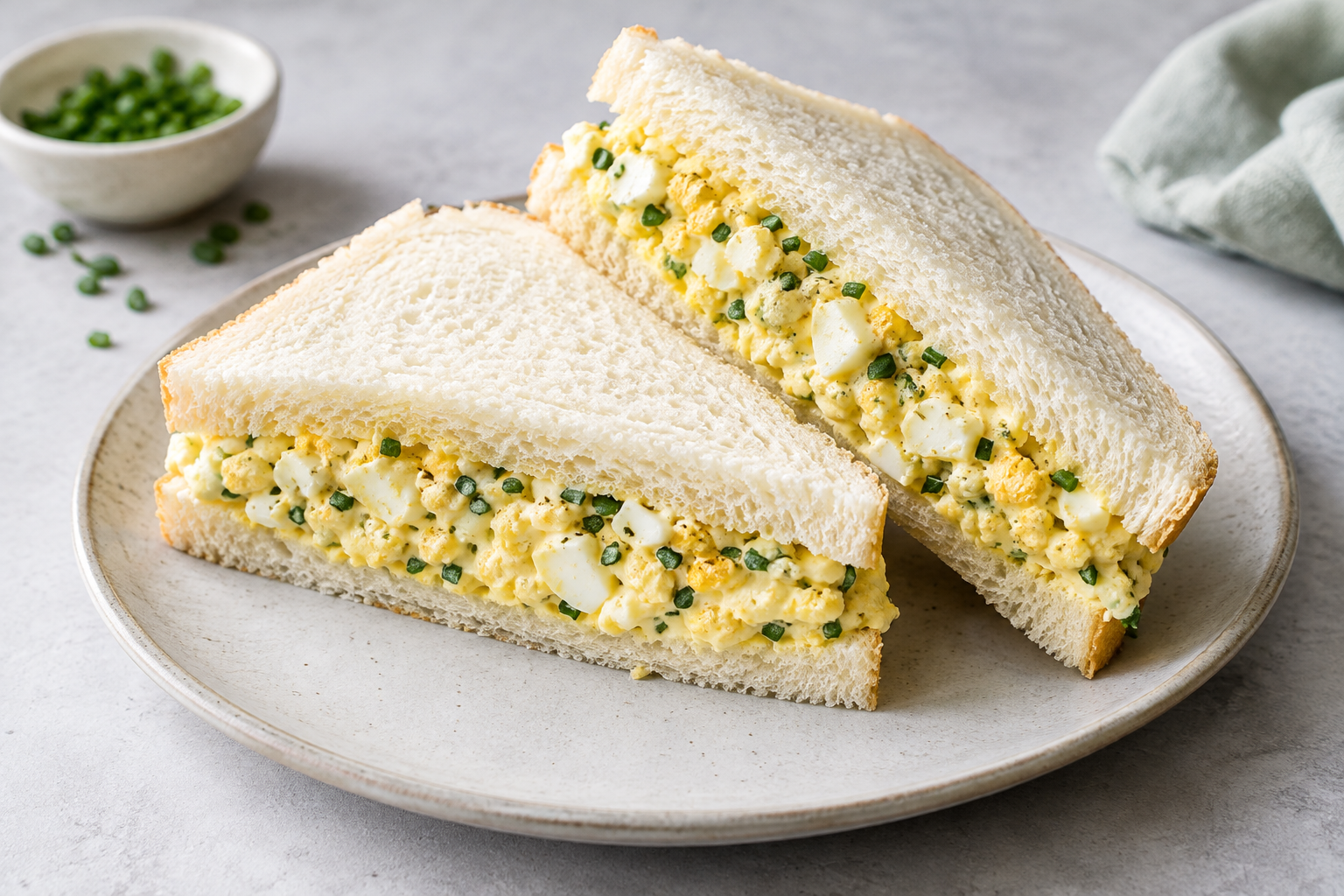
A tamago sando cut in half, with creamy egg salad, chives and mustard between soft white bread.Breakfast
19 minutes

Japanese Tamago Sando with Chives and Mustard Mayo

Creamy, roughly mashed eggs between soft white bread: this tamago sando gets a fresh, tangy twist from chives and a little mustard. A simple breakfast that also works perfectly well for lunch.

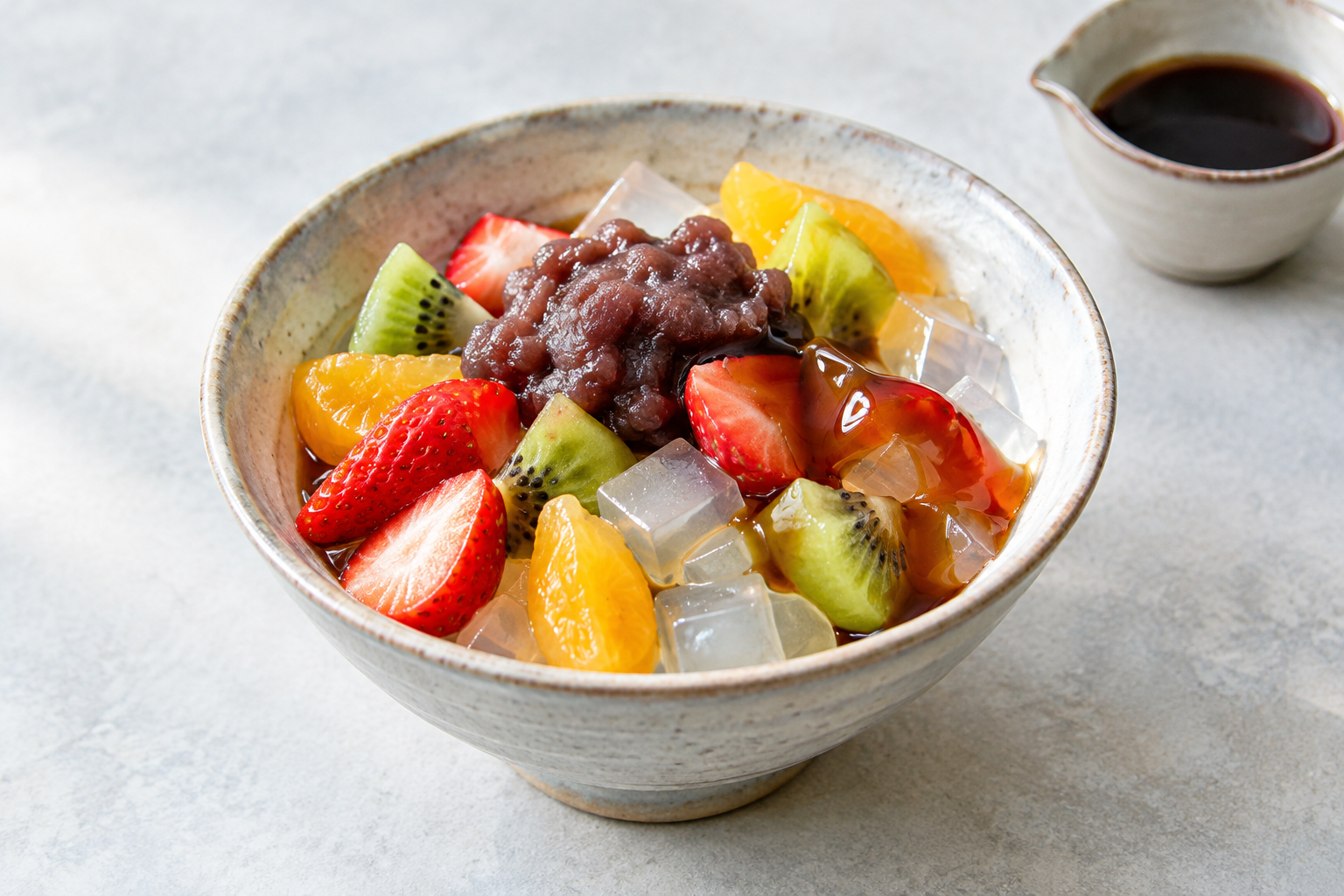
Anmitsu with clear agar cubes, anko, strawberry, kiwi, orange and kuromitsu in a Japanese dessert bowl.Dessert
28 minutes

Anmitsu with Agar, Anko and Kuromitsu

Firm, clear agar cubes, soft red bean paste and juicy fruit: anmitsu brings together different textures with a dark, caramel-like syrup made from black sugar. Serve the components chilled and pour the kuromitsu over just before eating.

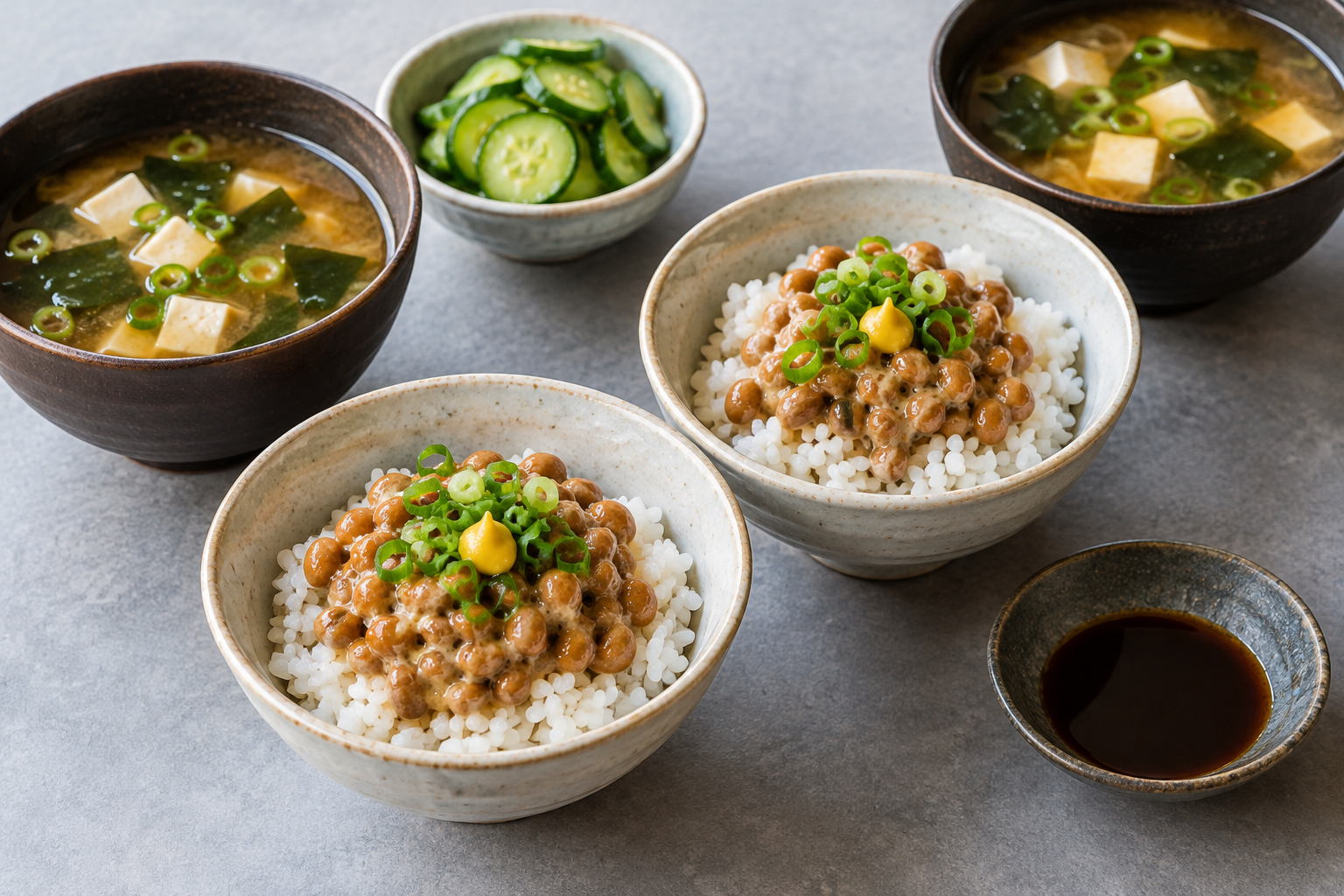
Warm rice with sticky natto, spring onion and mustard, served with miso soup with tofu and wakame and thinly sliced pickled cucumber.Breakfast
40 minutes

Natto Gohan with Miso Soup and Pickled Cucumber

A Japanese breakfast of warm rice, sticky natto, a bowl of miso soup and refreshing pickled cucumber. The rice makes a mild base for the bold, fermented soybeans; mustard, spring onion and a little soy sauce finish the bowl.

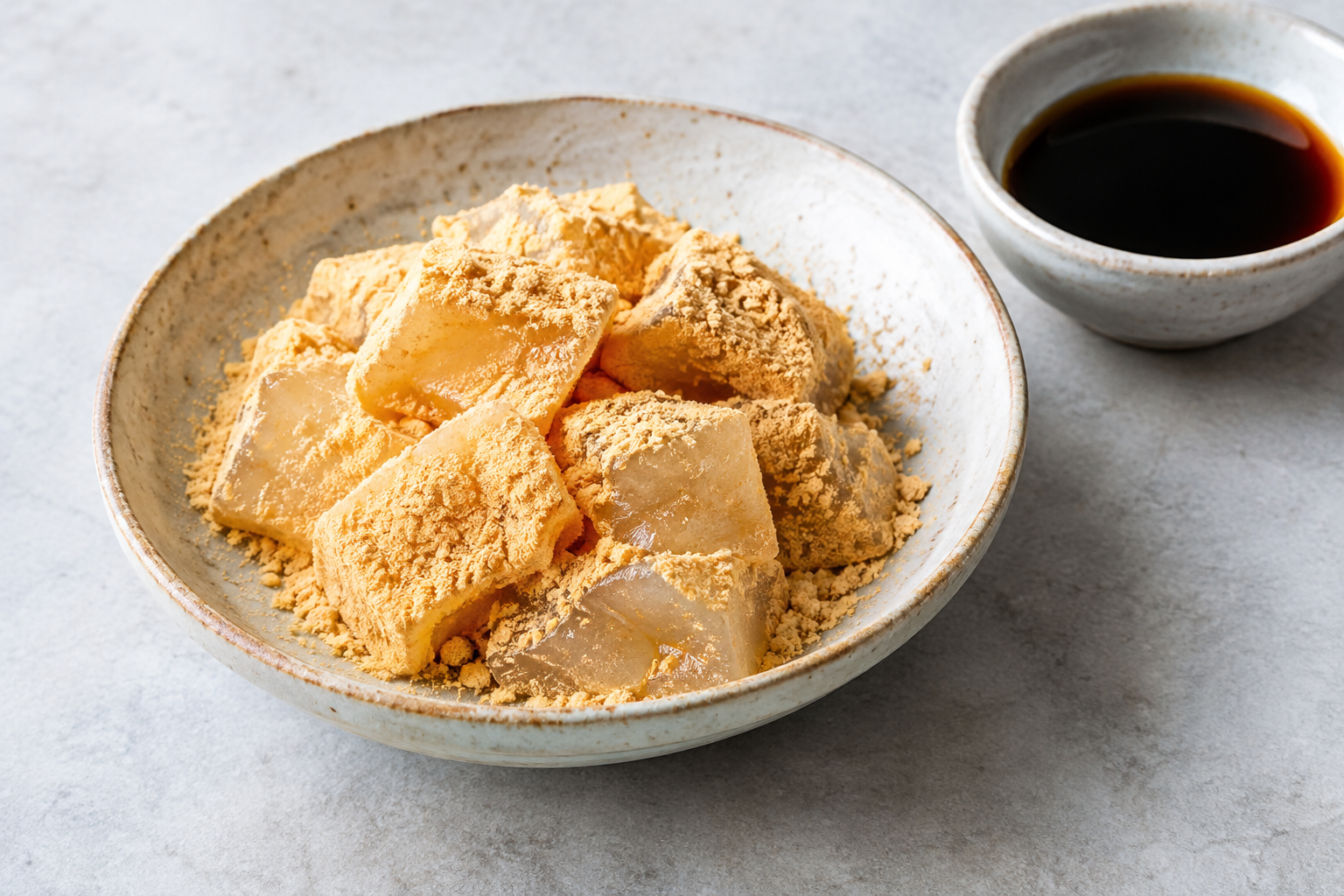
Bite-sized cubes of warabi mochi with kinako and a small bowl of kuromitsu.Dessert
25 minutes

Warabi Mochi with Kinako and Kuromitsu

This Japanese warabi mochi is soft, springy and almost translucent. Toasted soybean flour adds a nutty contrast, while kuromitsu, a syrup made from black sugar, makes every bite rich and lightly caramel-like.

Golden-brown dorayaki with a soft filling of dark azuki bean anko, one of the pancakes cut in half.Dessert
35 minutes

Dorayaki: Japanese Pancakes with Anko

Soft, golden-brown pancakes with a hint of honey and a generous filling of sweet azuki bean paste. Dorayaki are made in a frying pan with a few simple ingredients; moderate, even heat gives them their characteristic color and soft crumb.

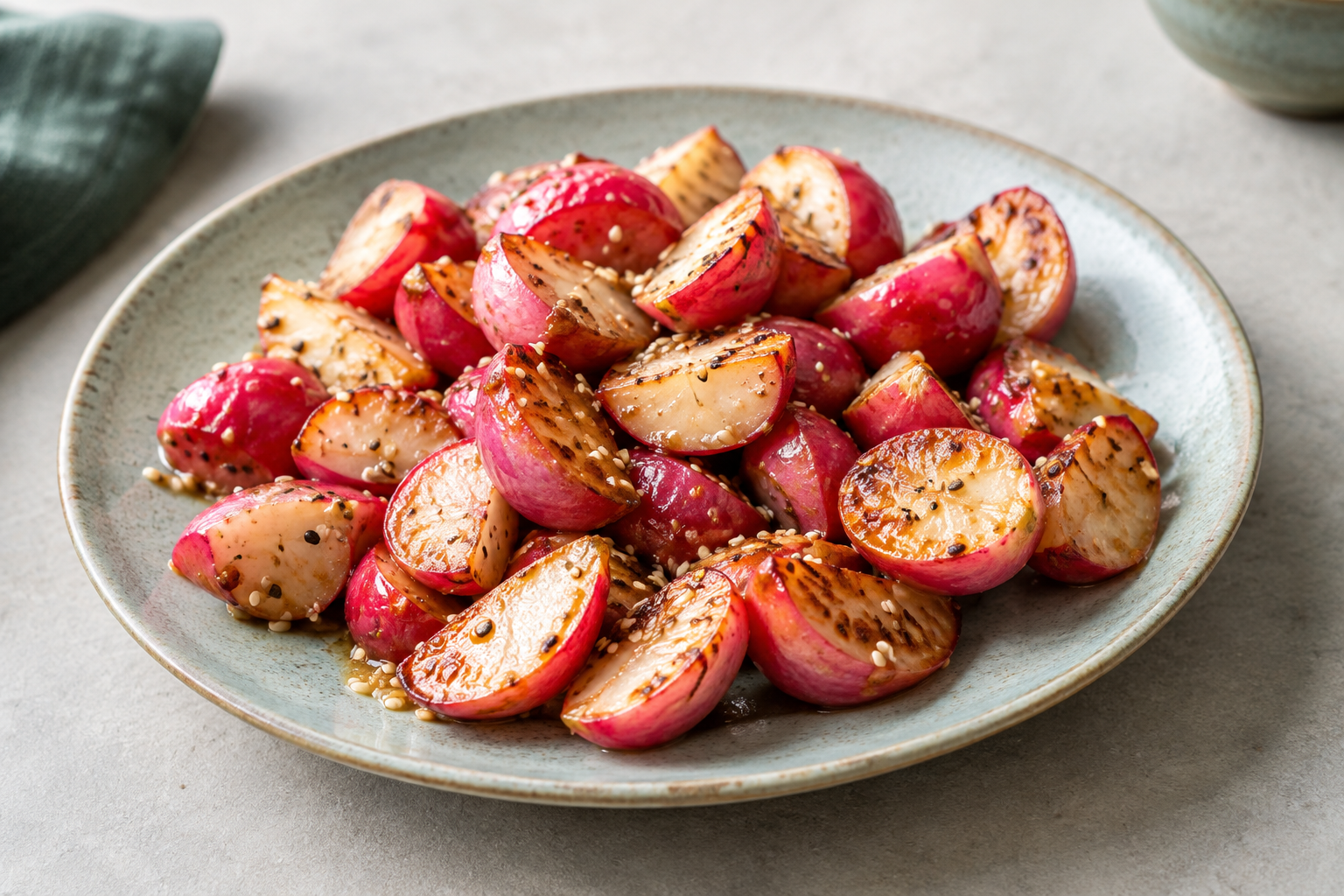
Pan-fried radishes with golden-brown edges, glossy miso butter, and toasted sesame.Side dish
22 minutes

Pan-Fried Radishes with Miso Butter and Sesame

A quick fry in a hot pan makes radishes juicy and milder, with golden-brown cut sides. Miso and rice vinegar make a savory, bright butter; sesame adds a crunchy finish.

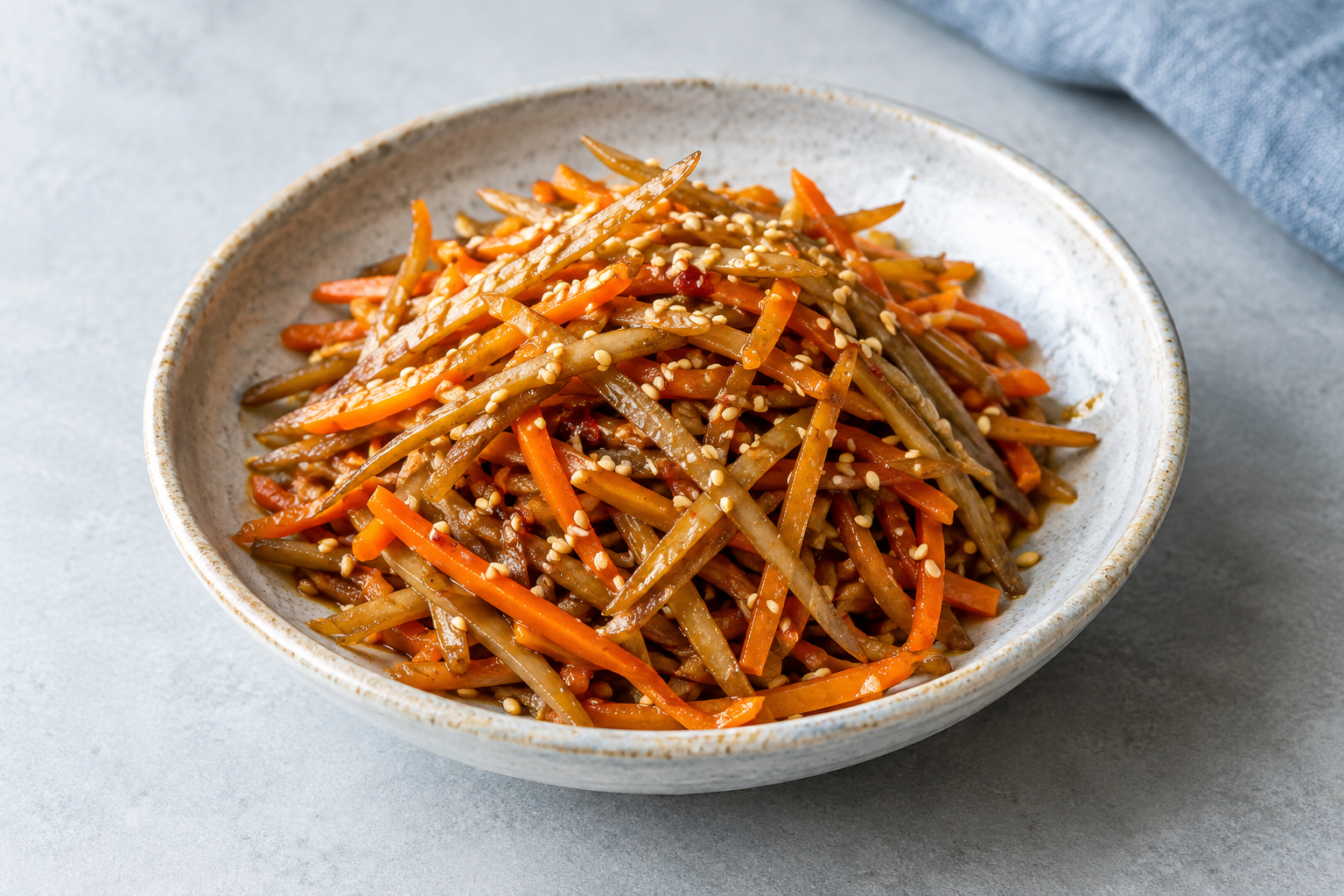
Kinpira gobo with glossy strips of burdock root and carrot, finished with toasted sesame seeds.Side dish
28 minutes

Kinpira Gobo with Carrot

Thin strips of burdock root and carrot are quickly stir-fried and glazed with soy sauce and mirin. A pinch of chili adds a little heat, while toasted sesame seeds bring a nutty finish. Serve this Japanese vegetable dish as a side with rice or grilled fish.

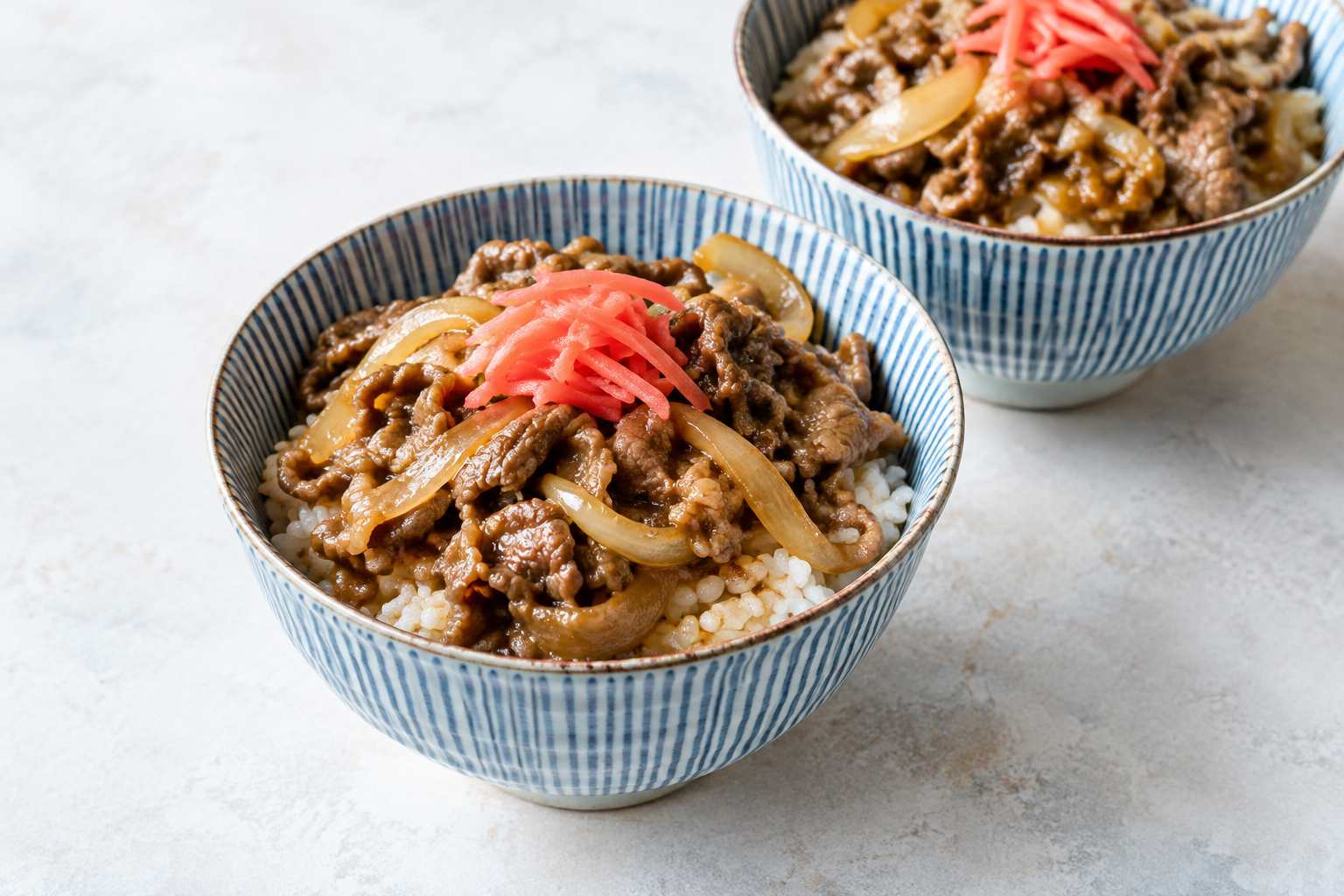
Japanese gyudon with beef and tender onion over rice, served with pickled ginger.Main course
30 minutes

Gyudon: Japanese rice bowl with beef and onion

Thin slices of beef and tender onion cook briefly in dashi, soy sauce, mirin and sugar. Spoon the glossy sauce over Japanese rice: simple, savory and just right for soaking up with every bite.

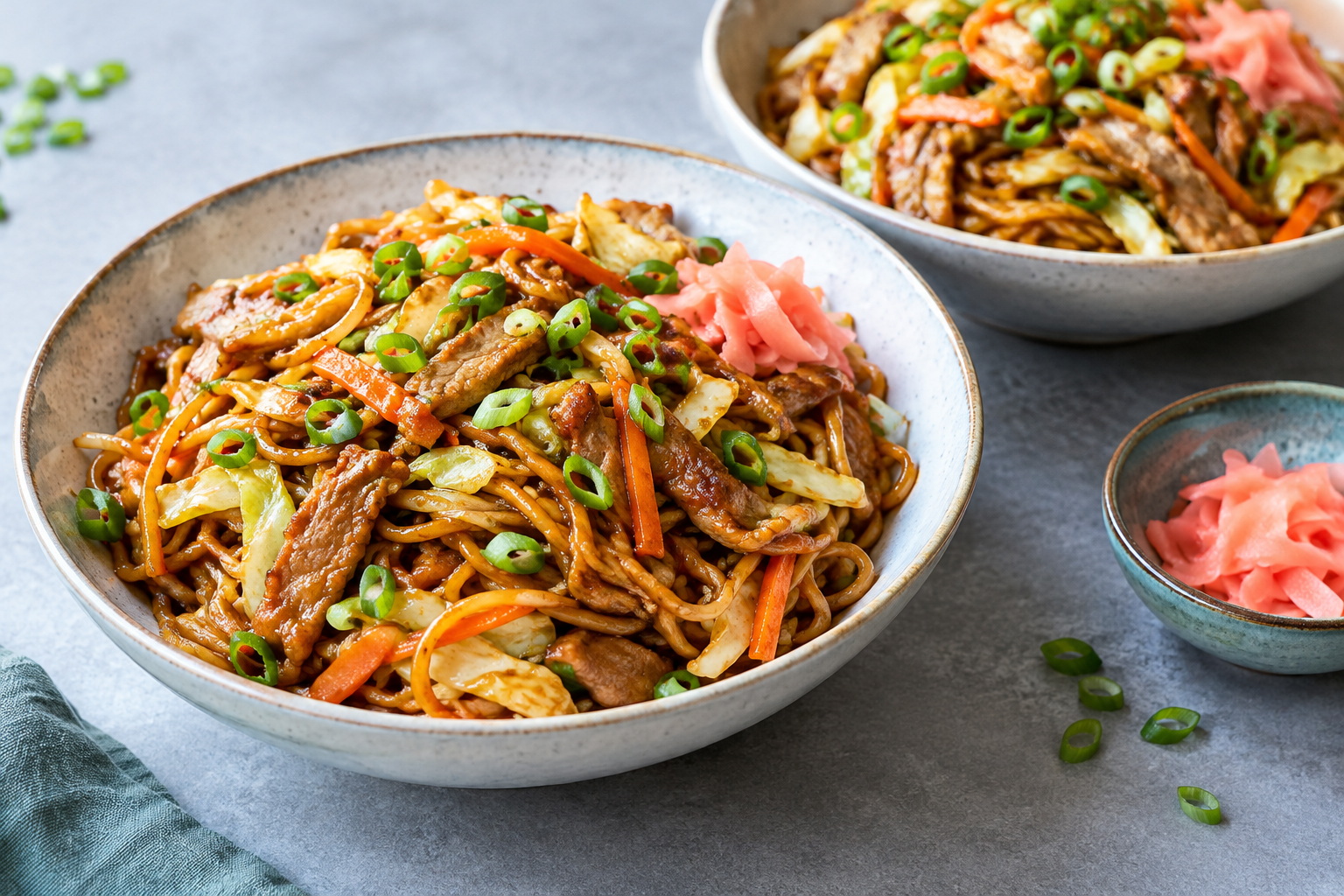
Yakisoba with fried wheat noodles, pork, cabbage, carrot, spring onion and pickled ginger in bowls.Main course
35 minutes

Yakisoba with pork, cabbage and pickled ginger

These Japanese fried noodles combine golden-brown edges with juicy pork and cabbage that still has a little bite. A savory-sweet sauce brings everything together, while pickled ginger cuts through it with a fresh, spicy note.

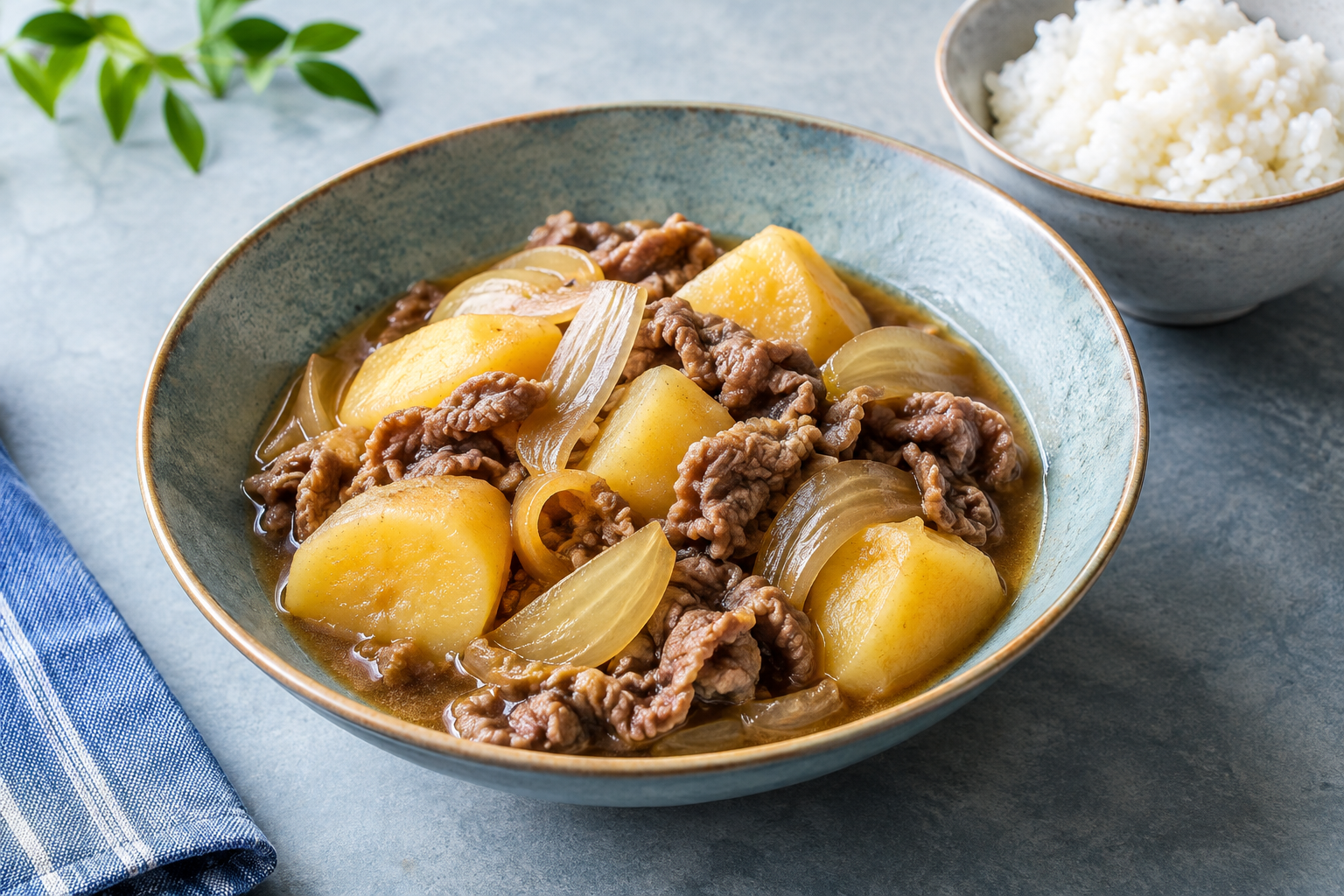
Nikujaga with potatoes, onion and beef in a light Japanese broth, served with white rice.Main course
45 minutes

Nikujaga: Japanese Beef and Potato Stew

Nikujaga is a Japanese stew of thinly sliced beef, potatoes and onion in a light, savory-sweet broth made with dashi, soy sauce and mirin. Serve it with steamed rice; the potatoes should be tender but not falling apart.

Dashi as a savory foundation

Dashi gives many Japanese dishes a light, savory flavor without making the broth heavy. In this collection, it features in kitsune udon, chawanmushi, okonomiyaki and tomatoes with sesame and shiso. Let kombu steep gently in water; katsuobushi makes a broth with a distinctly savory note. Heat the kombu gradually and remove it from the pan before the water boils to keep the flavor clear. For a plant-based version, you can leave out the katsuobushi and steep kombu with dried shiitake, for example. This changes the flavor profile but still gives you a useful base. Use light Japanese soy sauce when a recipe calls for it: it’s meant to season broth without making it unnecessarily dark.

Choose between rice, noodles and batter

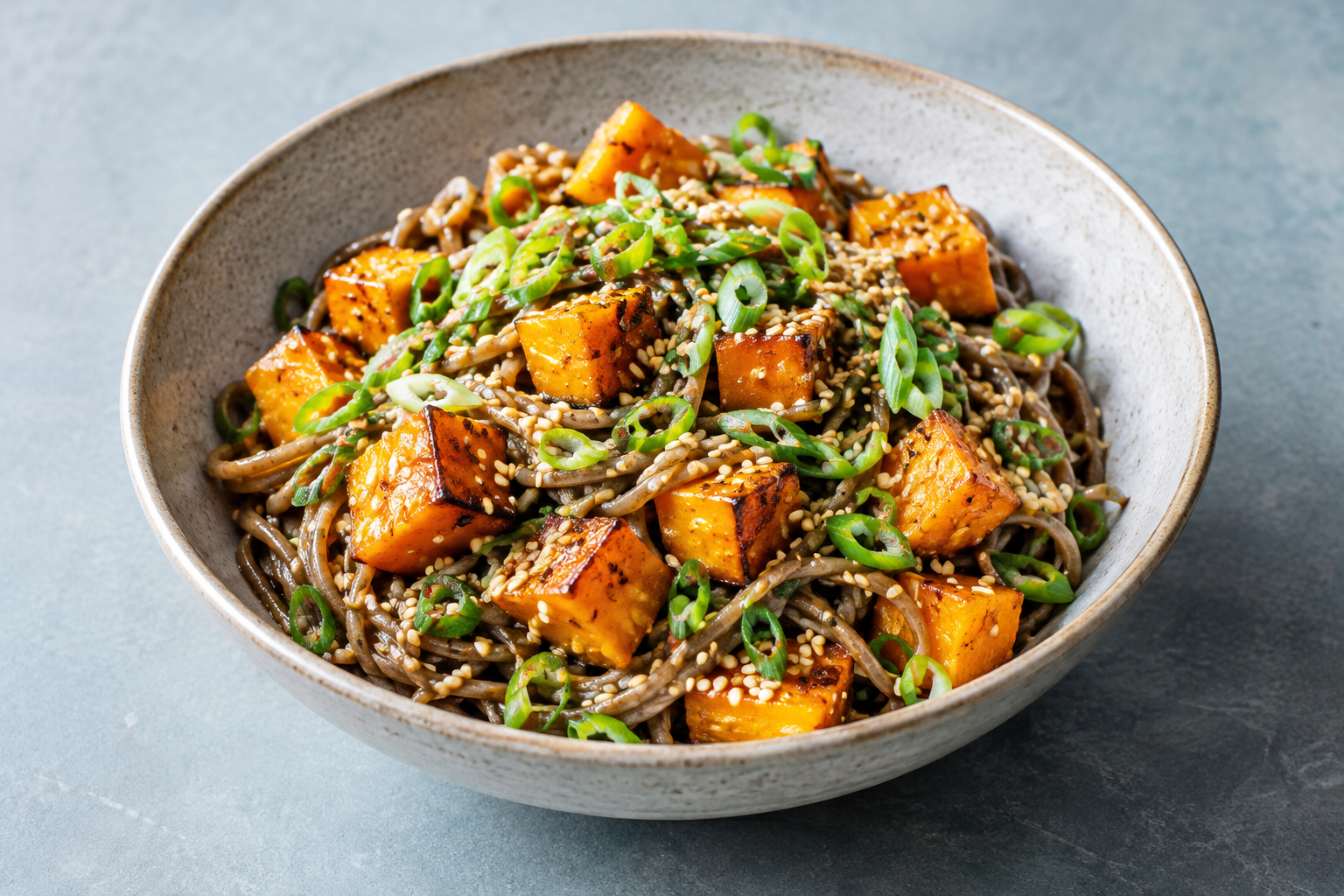
For a bowl of noodles, kitsune udon and cold soba salad are very different options. Udon is thick and soft, served in a mild broth with sweet-salty aburaage. Soba has a distinctive buckwheat-like flavor; rinsed cold, the noodles are ideal for a salad with ponzu, cucumber and edamame. With rice dishes, the preparation makes all the difference: chirashi-zushi is dressed with mildly seasoned rice vinegar and served lukewarm, while omurice wraps ketchup-seasoned rice in a soft omelet. Omurice is yoshoku: Japanese dishes made in a Western style, not a traditional sushi preparation. Osaka-style okonomiyaki, by contrast, is a hearty cabbage pancake with dashi, nagaimo and pork belly. Cook it gently with a lid so the center cooks through without pressing the pancake flat.

Fresh, crispy and savory on one plate

Several side dishes are all about contrast. Fried maitake develops browned, crispy edges; ponzu and butter add acidity and richness at the same time. With yaki-negi, the soft leek makes a pleasant counterpoint to the crispy rice. The green beans with miso-lemon butter pair a creamy, savory sauce with fresh lemon and crispy shallots. Pay attention to the order when making dishes like these: often, add acidity at the end and scatter crispy toppings over the dish just before serving. This helps preserve their texture. Shiso has its own distinctive aromatic flavor; if you can’t find it, you can leave it out or use a little mint, but it isn’t an exact substitute. You can’t simply replace ponzu with soy sauce alone: fresh citrus acidity is part of its flavor. Serve vegetable sides with rice or noodles, or combine several small dishes for a varied meal.