Browned edges, fresh contrasts
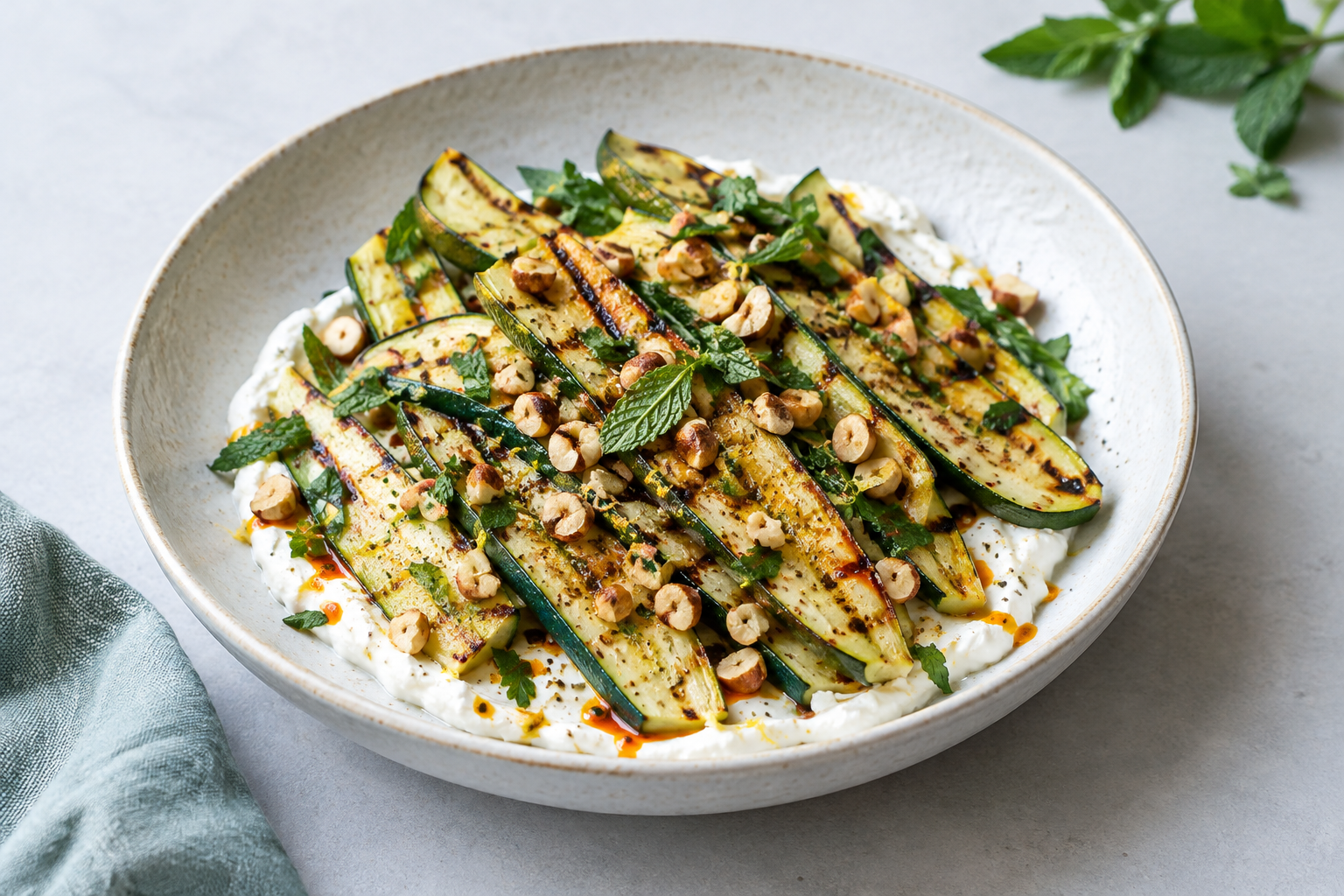
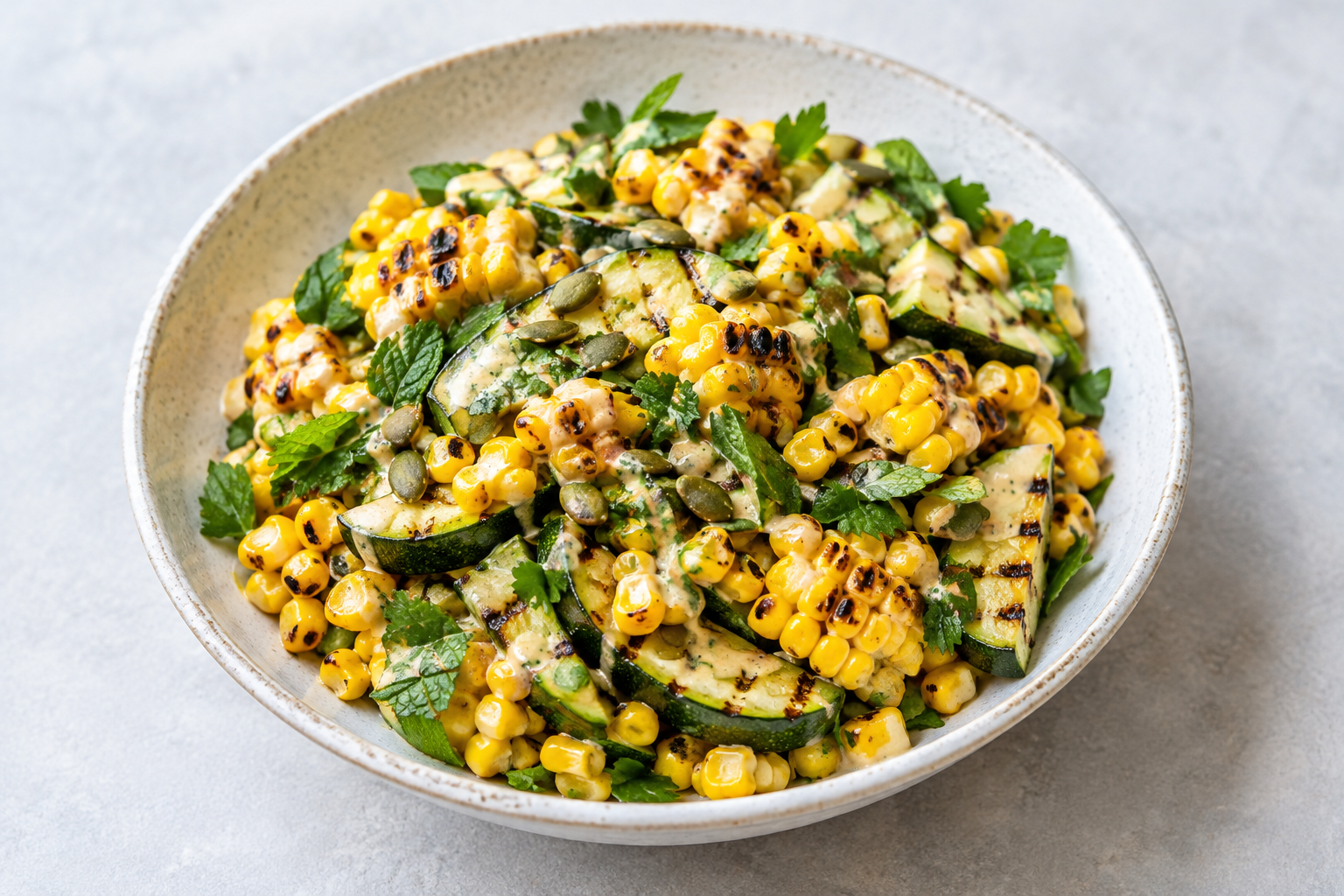
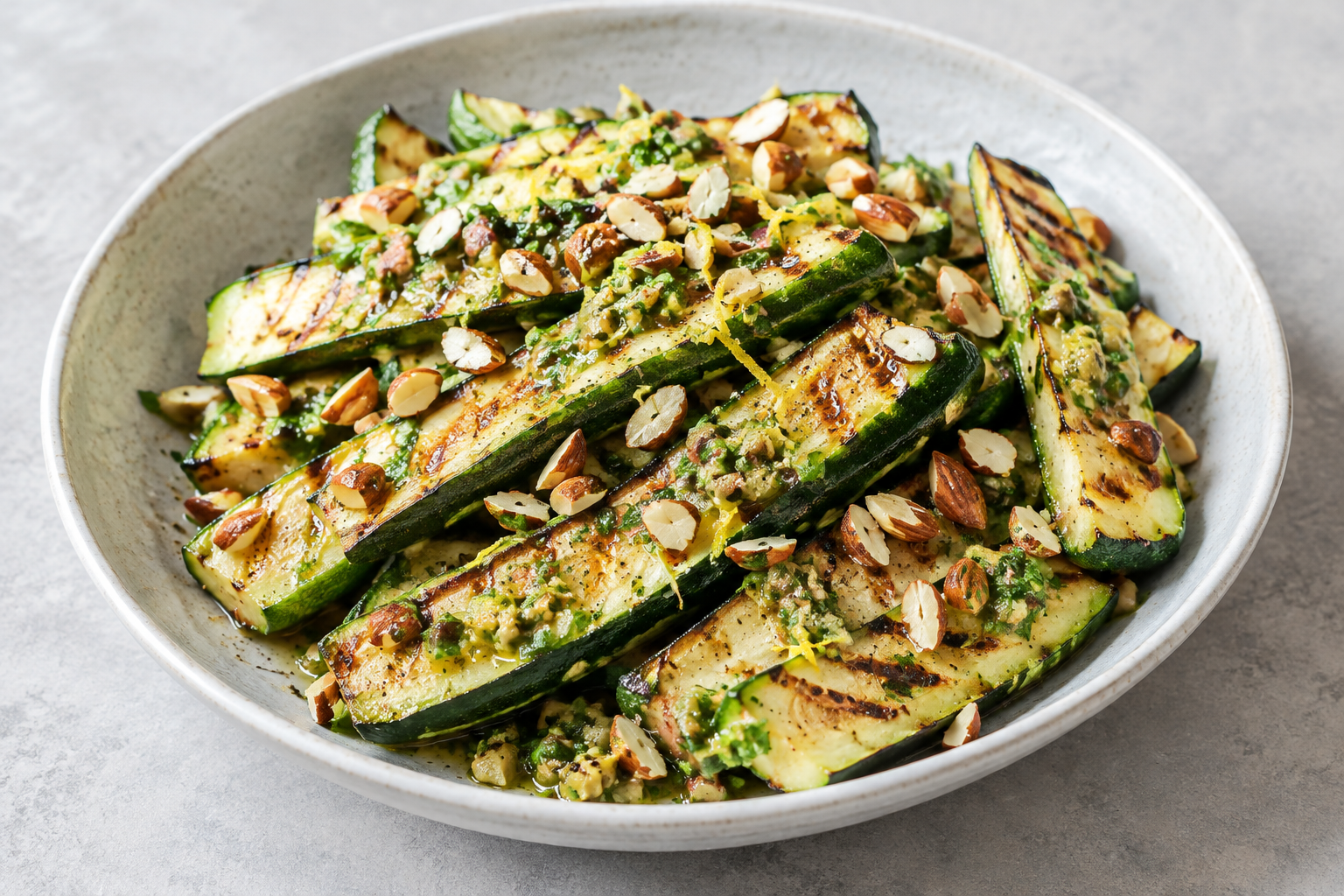
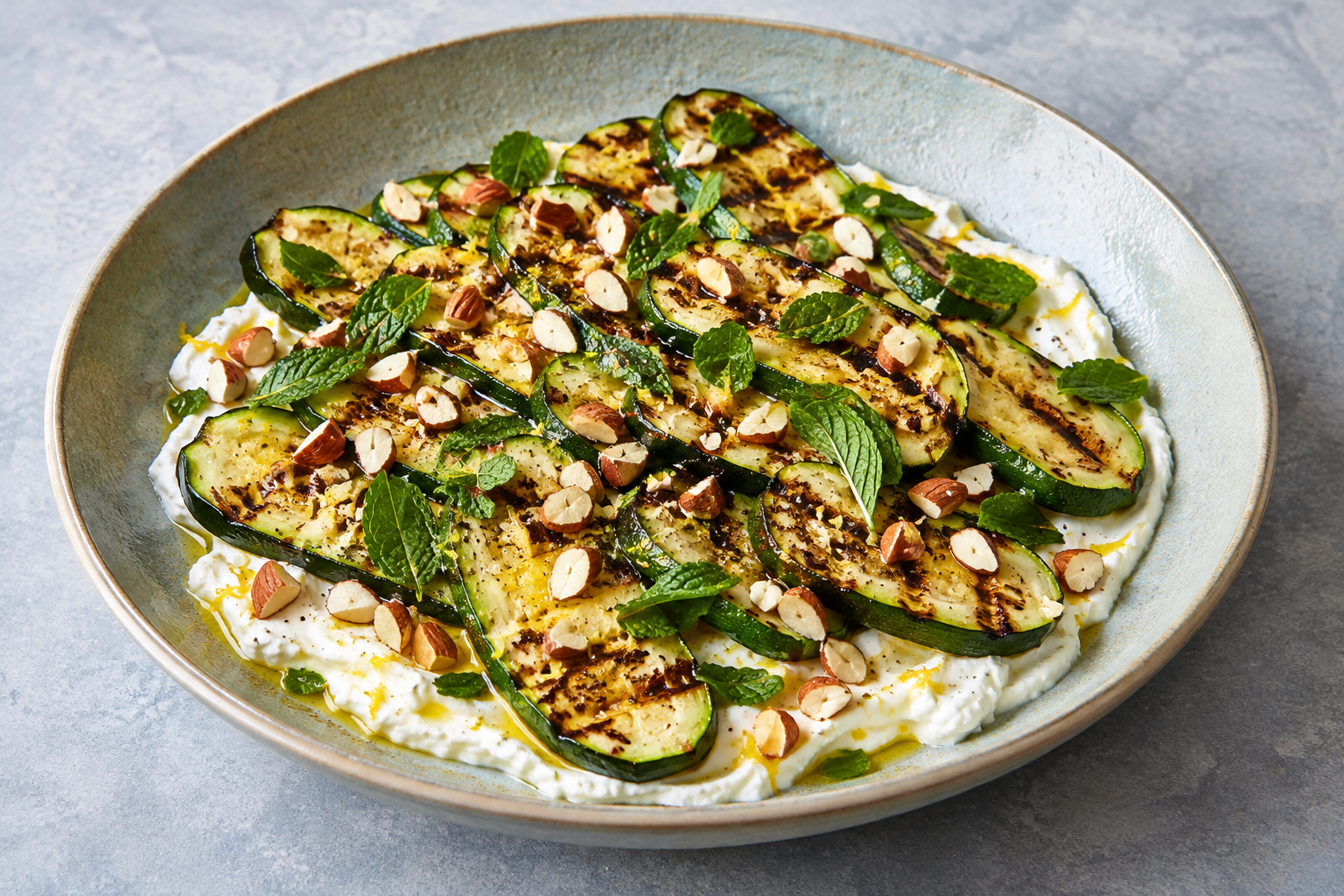
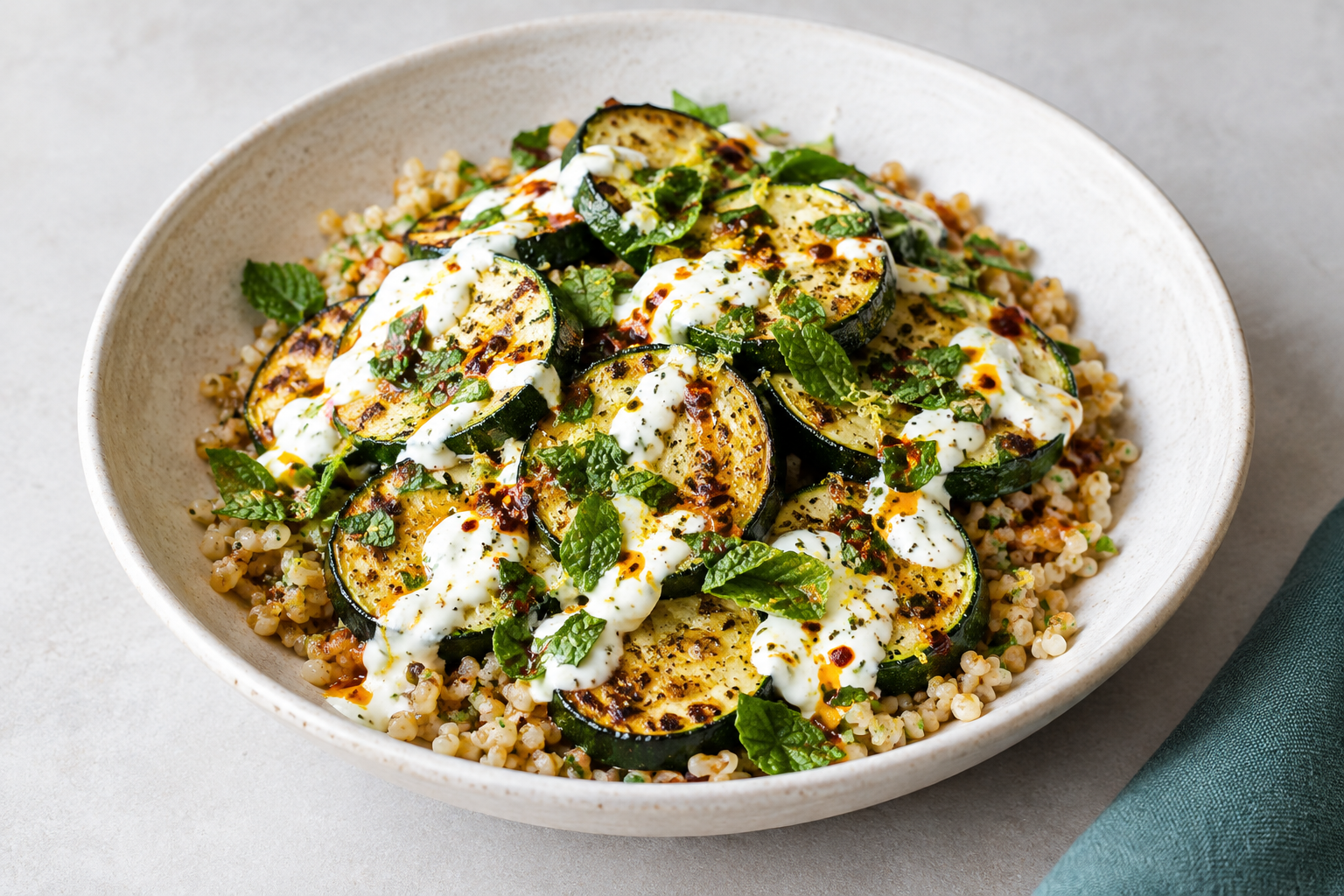
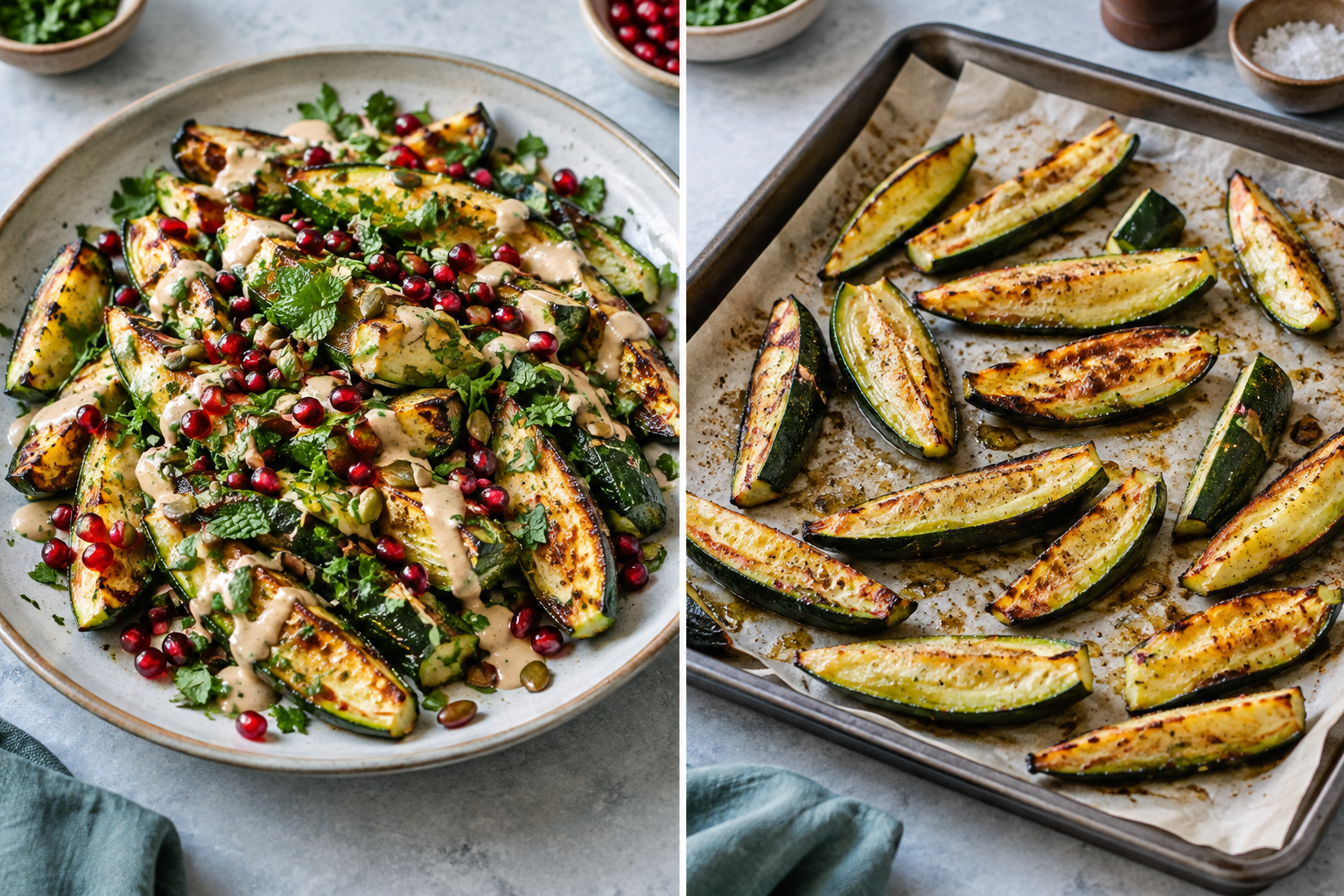
Courgette contains a lot of moisture. Give slices or strips plenty of room in a hot grill pan or on a large baking tray: that way, they brown instead of steaming. In Grilled courgette with lemon labneh and almonds, the slices stay firm; roasted courgette with tahini, pomegranate and herbs becomes soft, with tangy flavours and seeds for contrast. A spoonful of sauce or dressing balances the roasted flavour.
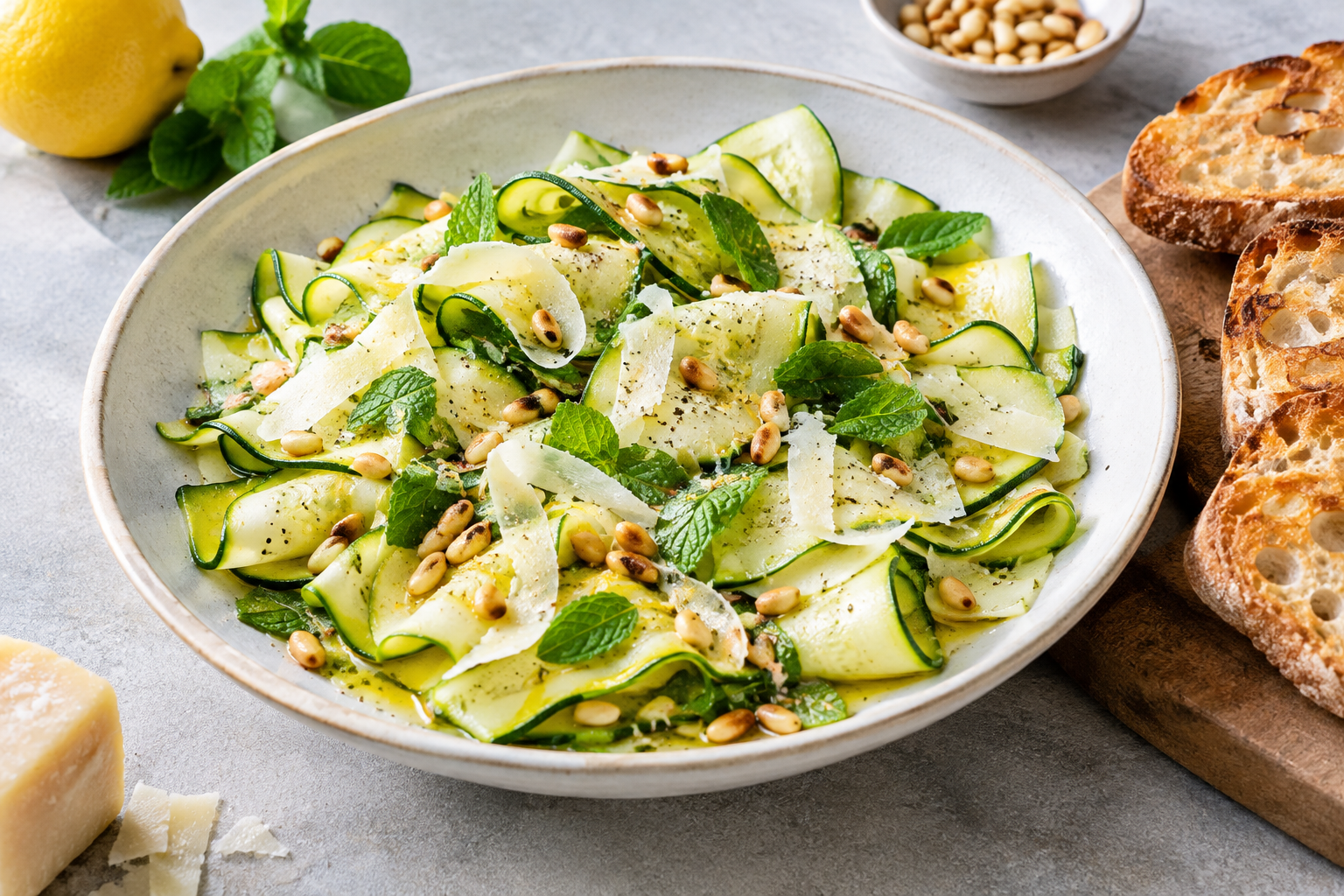
Medium courgettes work well for preparations like these: they’re easy to slice and hold their shape after cooking. Courgettes are generally plentiful in summer; outside the season, you can make the same recipes with shop-bought courgettes. Adjust the cooking time to the thickness of the pieces and take them off the heat as soon as they’re tender, not mushy. For recipes with raw ribbons, such as Zucchini carpaccio with lemon and pecorino, a young, firm courgette is useful. Shave it thinly, toss it with dressing shortly before serving and serve straight away.
Stuff, grate and drain well
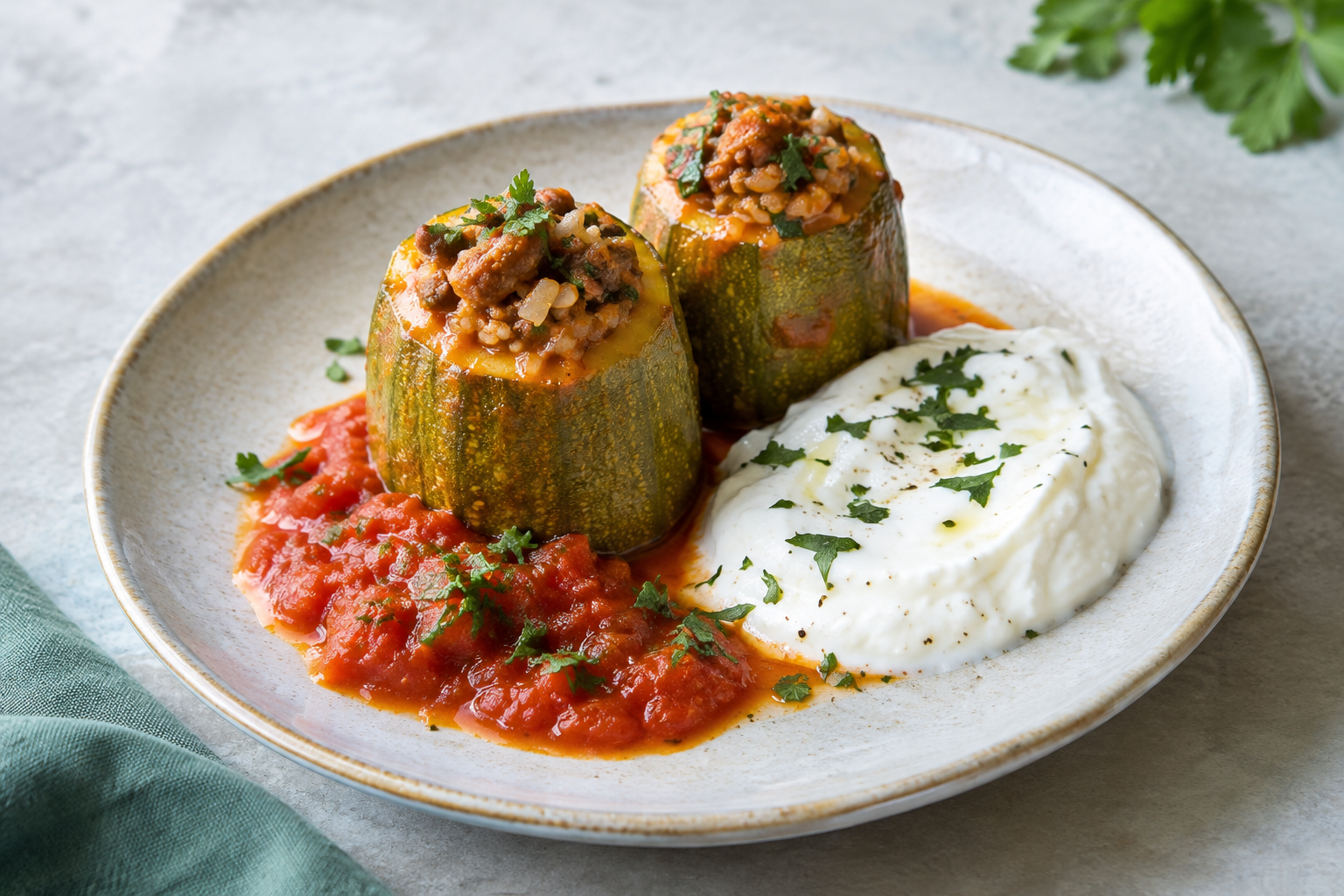
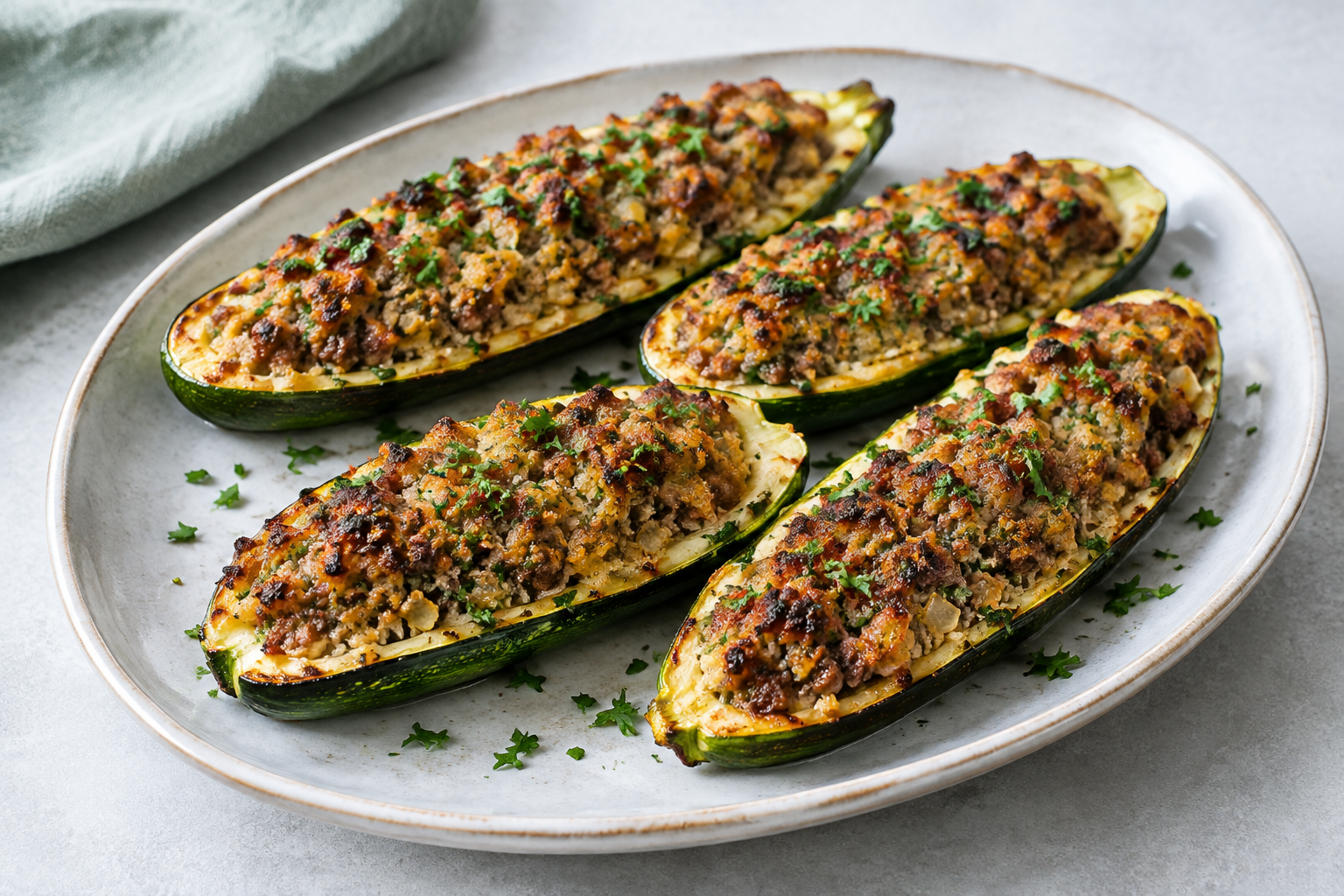
Stuffed courgette is a good choice if you want a meal where the vegetable and filling cook together. In Kabak dolması: Turkish stuffed courgette, the courgette is hollowed out and filled with minced meat and rice, which absorb moisture as they simmer. Don’t fill the cavities all the way: rice expands. Kousa bi laban: Syrian courgette in yoghurt sauce also uses stuffed courgettes, but the yoghurt is gently heated here. Don’t let the sauce boil hard; stirring gently helps keep it smooth. Both dishes call for small courgettes that fit snugly together in the pan.
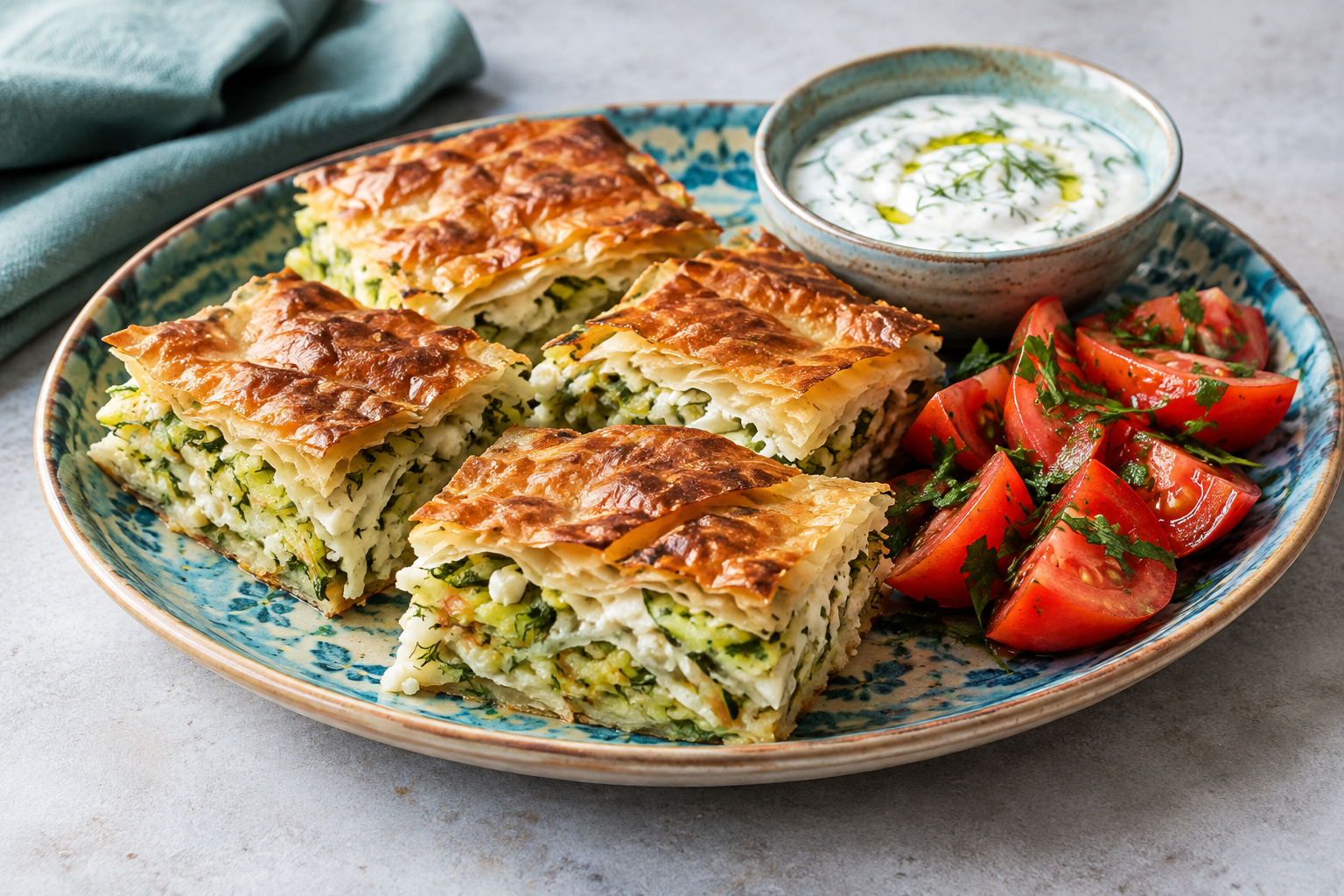
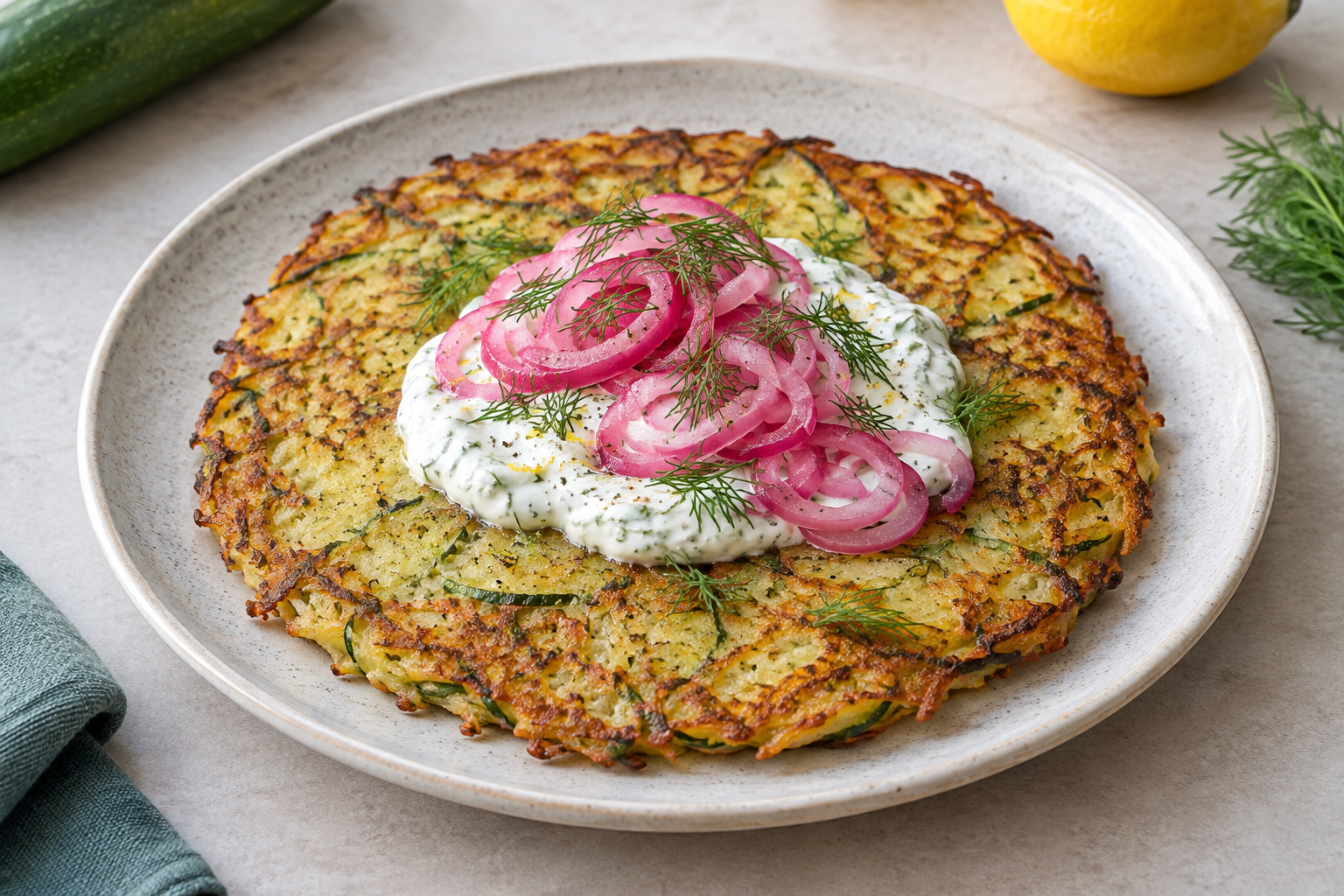
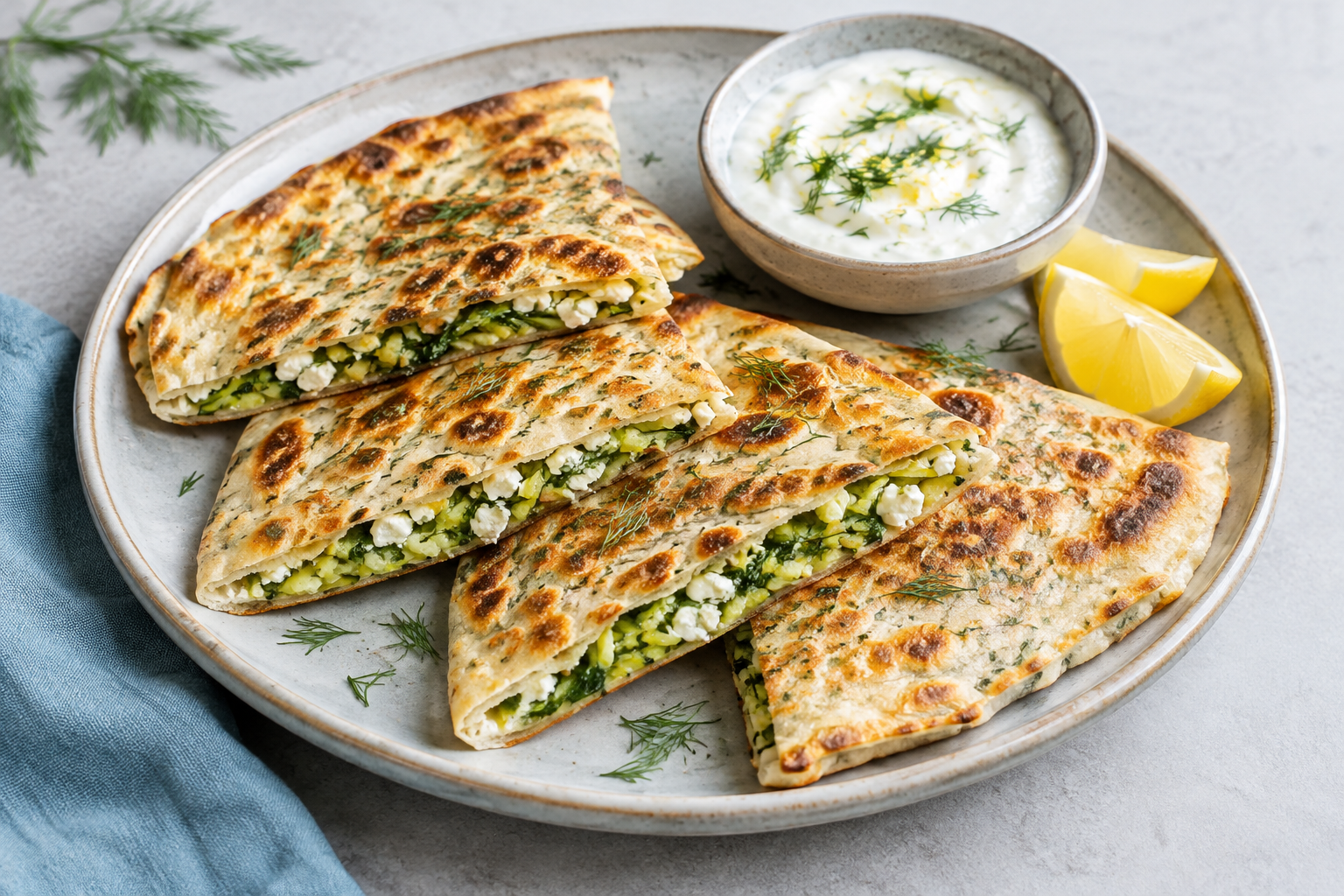
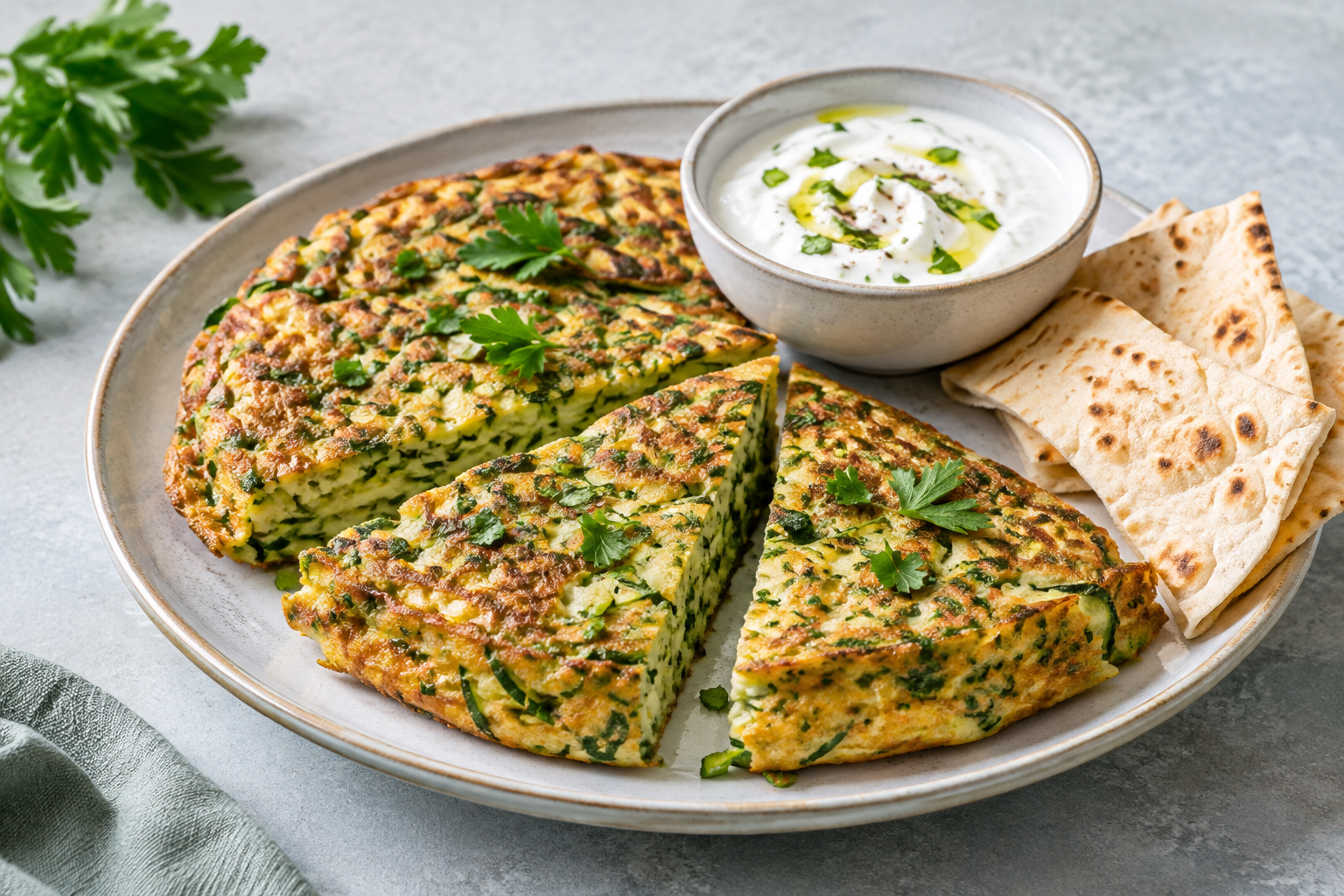
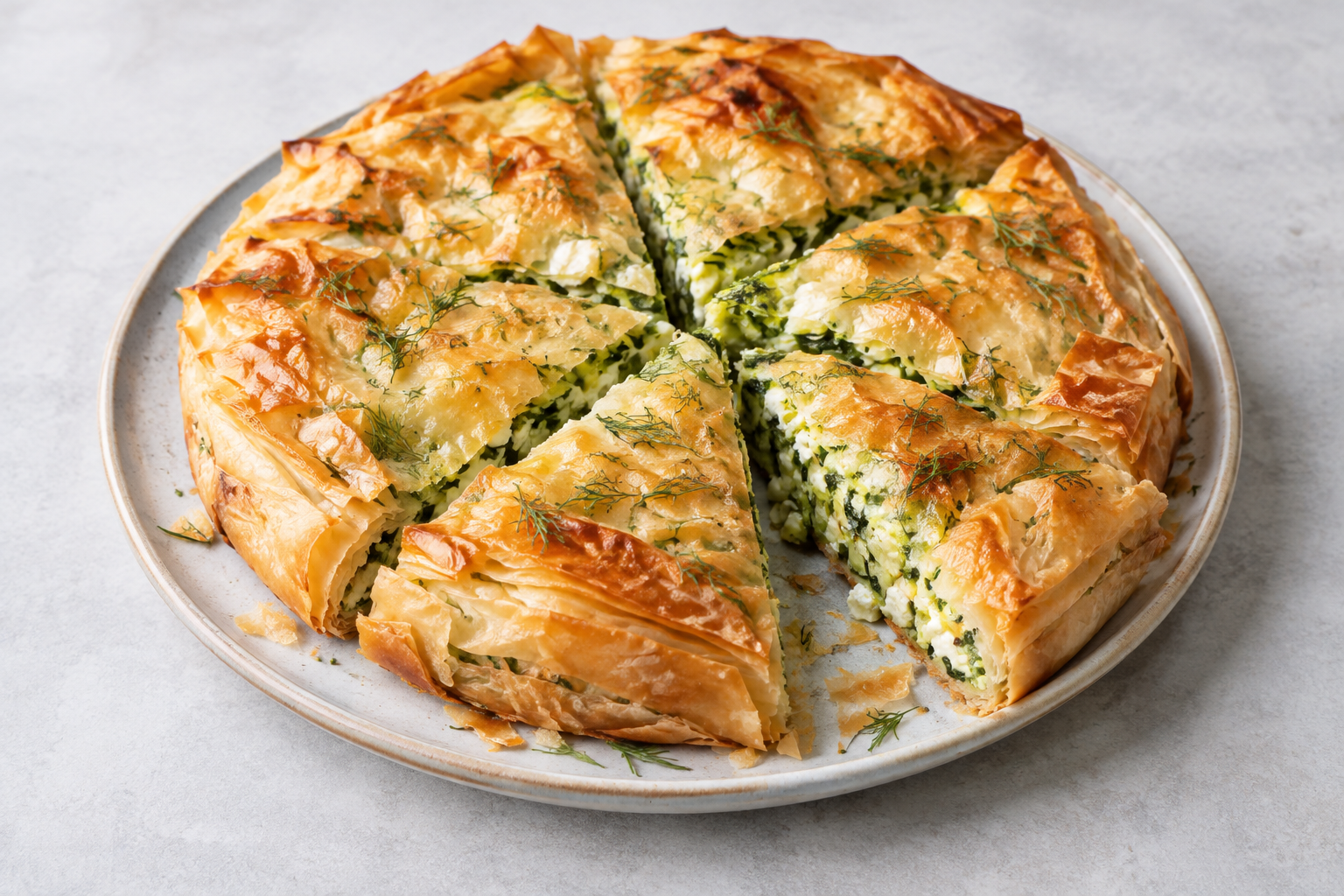
For rösti, fritters, börek and gözleme, managing moisture is key. Grating the courgette, lightly salting it and leaving it to stand helps draw out the moisture; then squeeze it out firmly. Otherwise, the batter may stay runny or the dough may be damp inside. Yufka and filo pastry aren’t the same, but both create a thin, crisp layer around the filling. For Turkish gözleme, the dough is folded over and cooked in a dry pan; börek gets a golden-brown crust in the oven. Feta is a handy substitute for Turkish white cheese, although the salt content differs: taste the filling before adding extra salt.
From a light lunch to a hearty baked dish
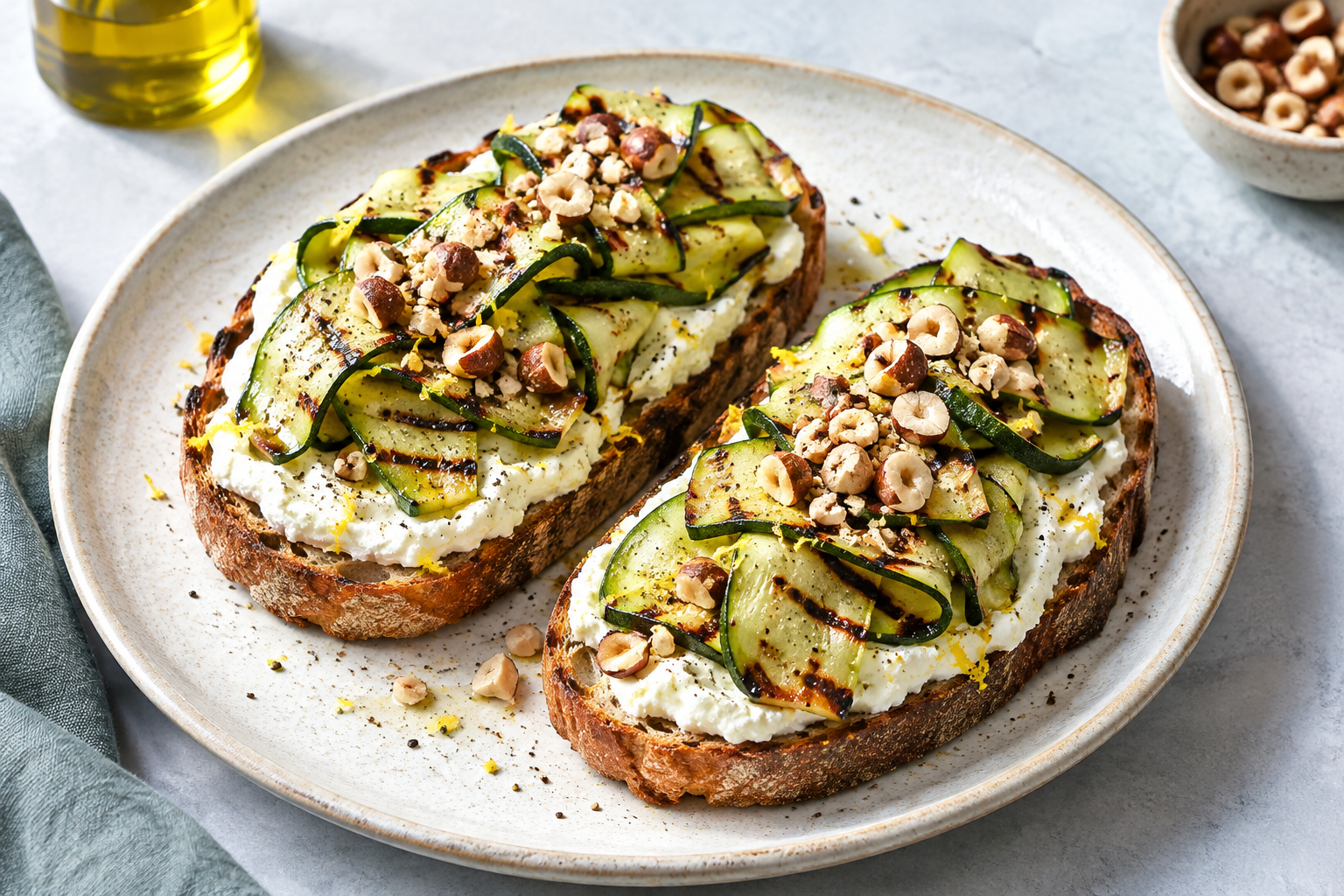
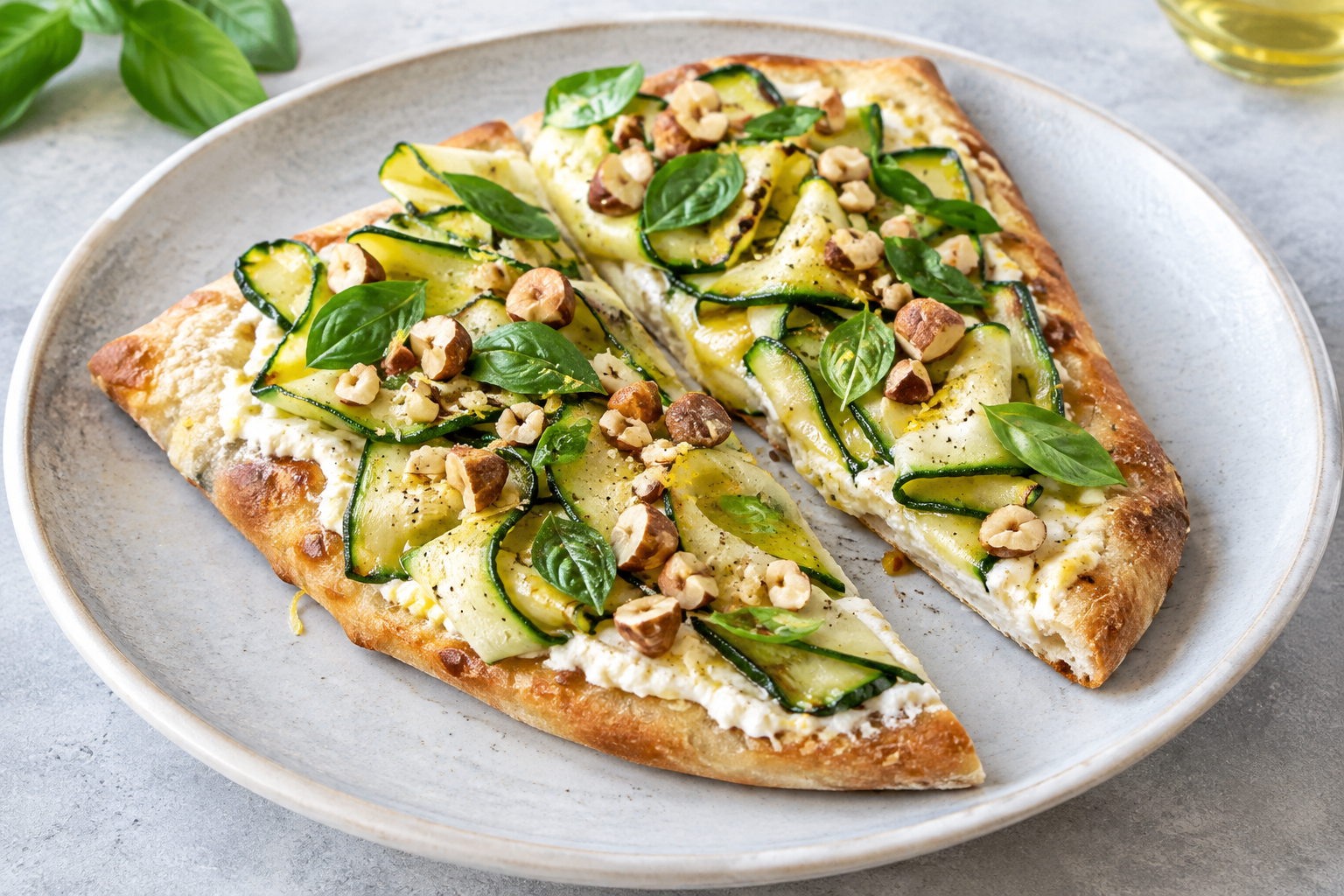
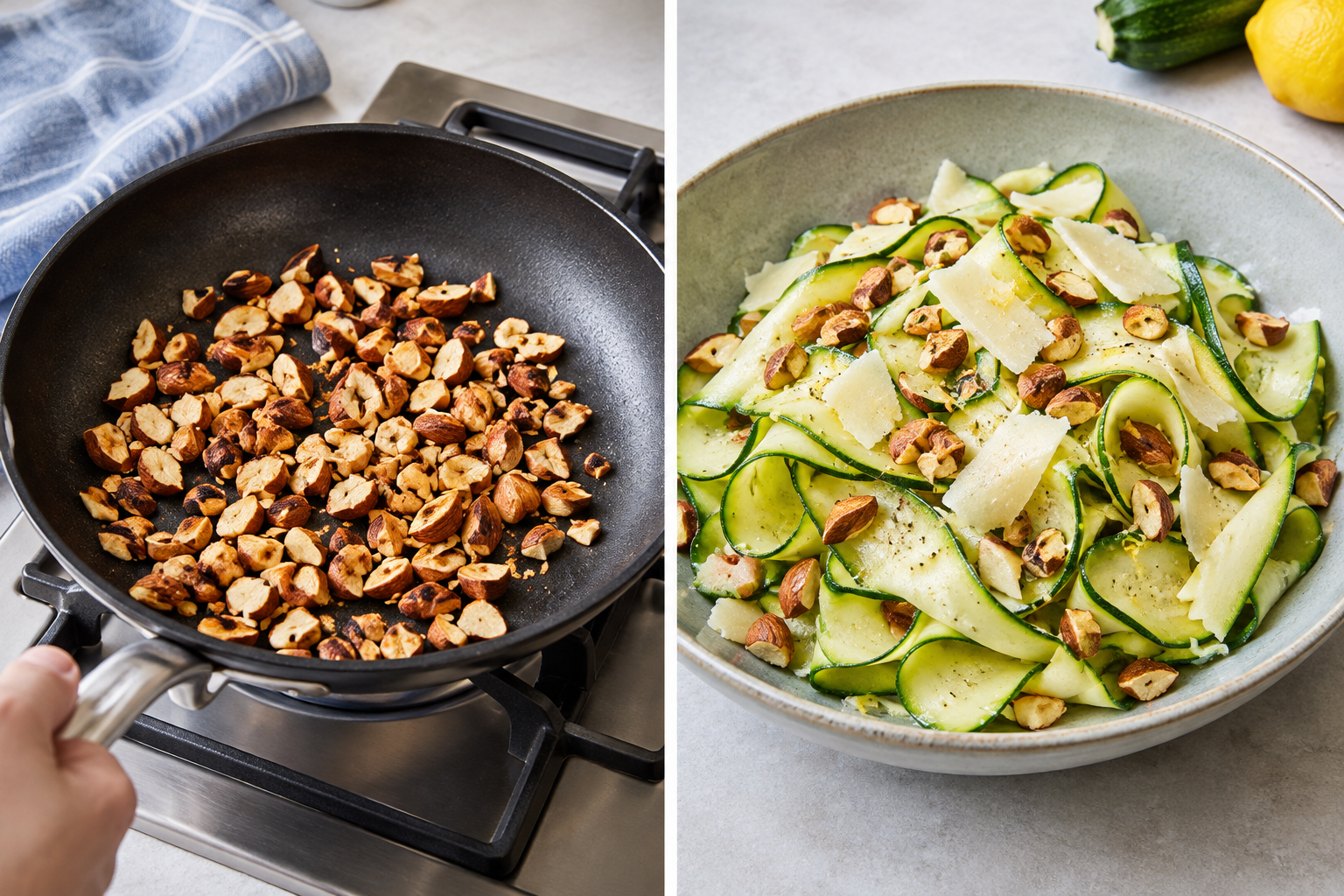
For a quick lunch, try Courgette ribbons with lemon, almonds and pecorino or Courgette toast with lemon ricotta and toasted hazelnuts. Lemon brightens the mild vegetable and cheese; nuts add crunch. Slice or shave the courgette just before serving and go easy on the dressing so the ribbons don’t turn limp. No pecorino to hand? Parmesan gives a similar savoury note, but is generally milder.
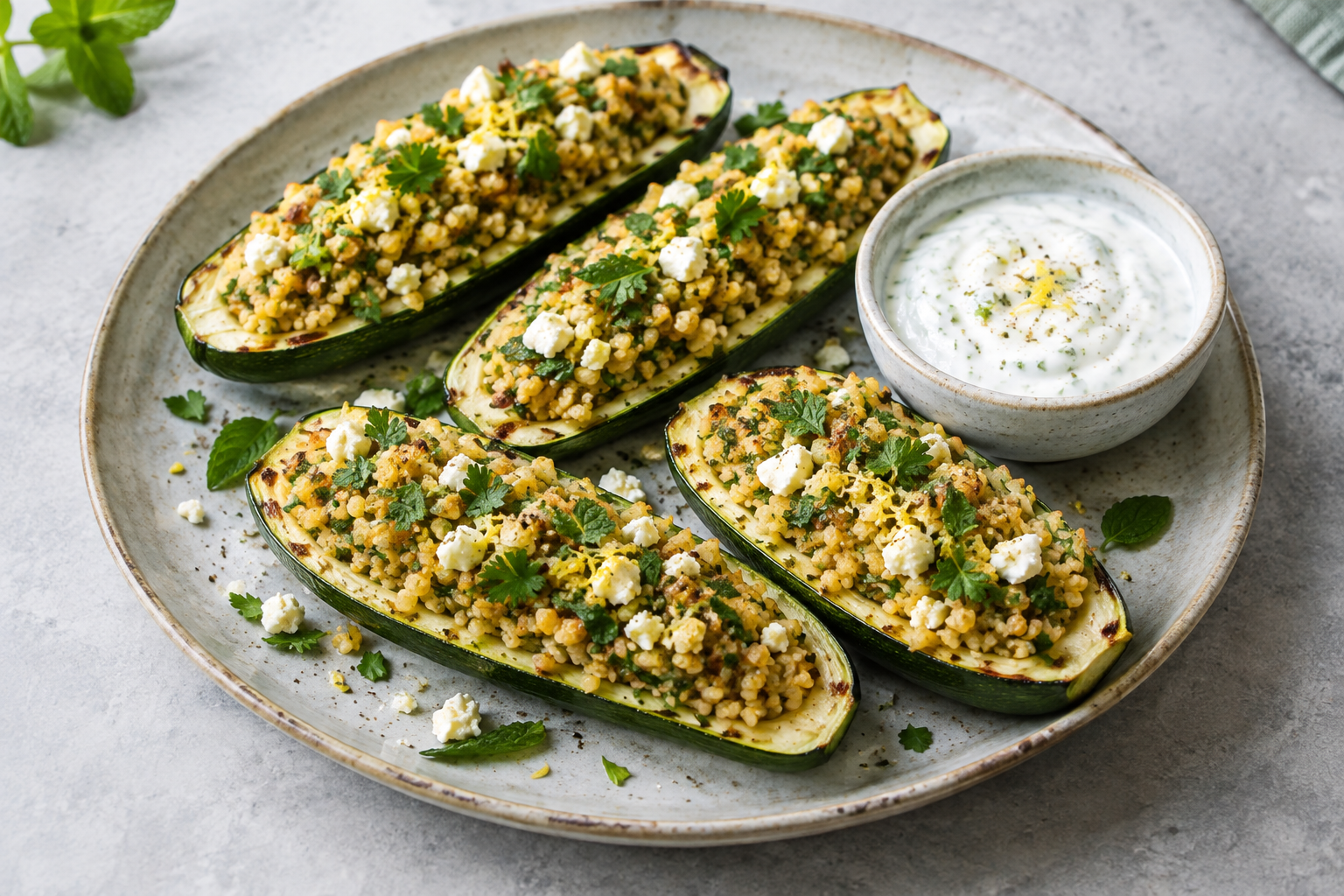
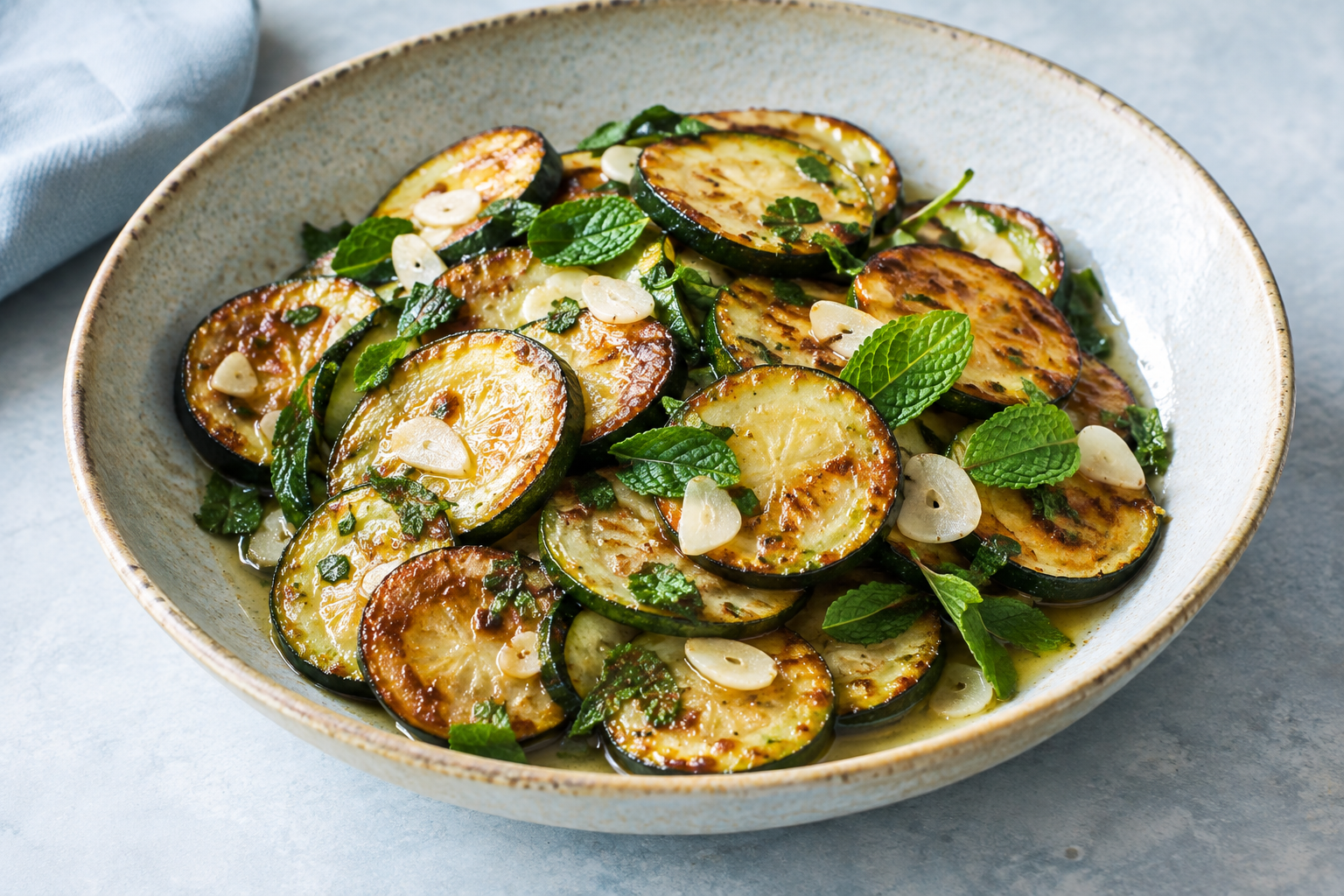
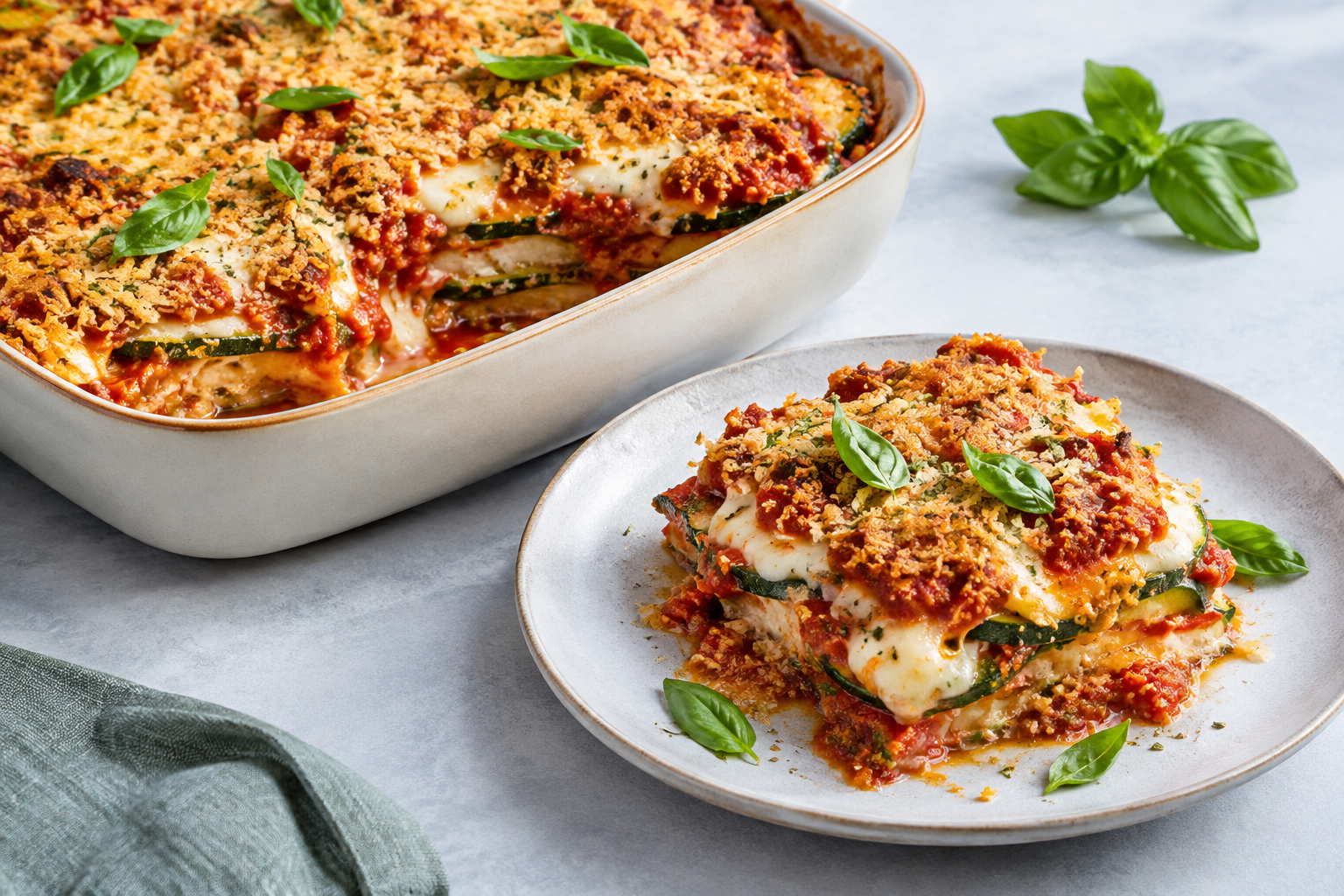
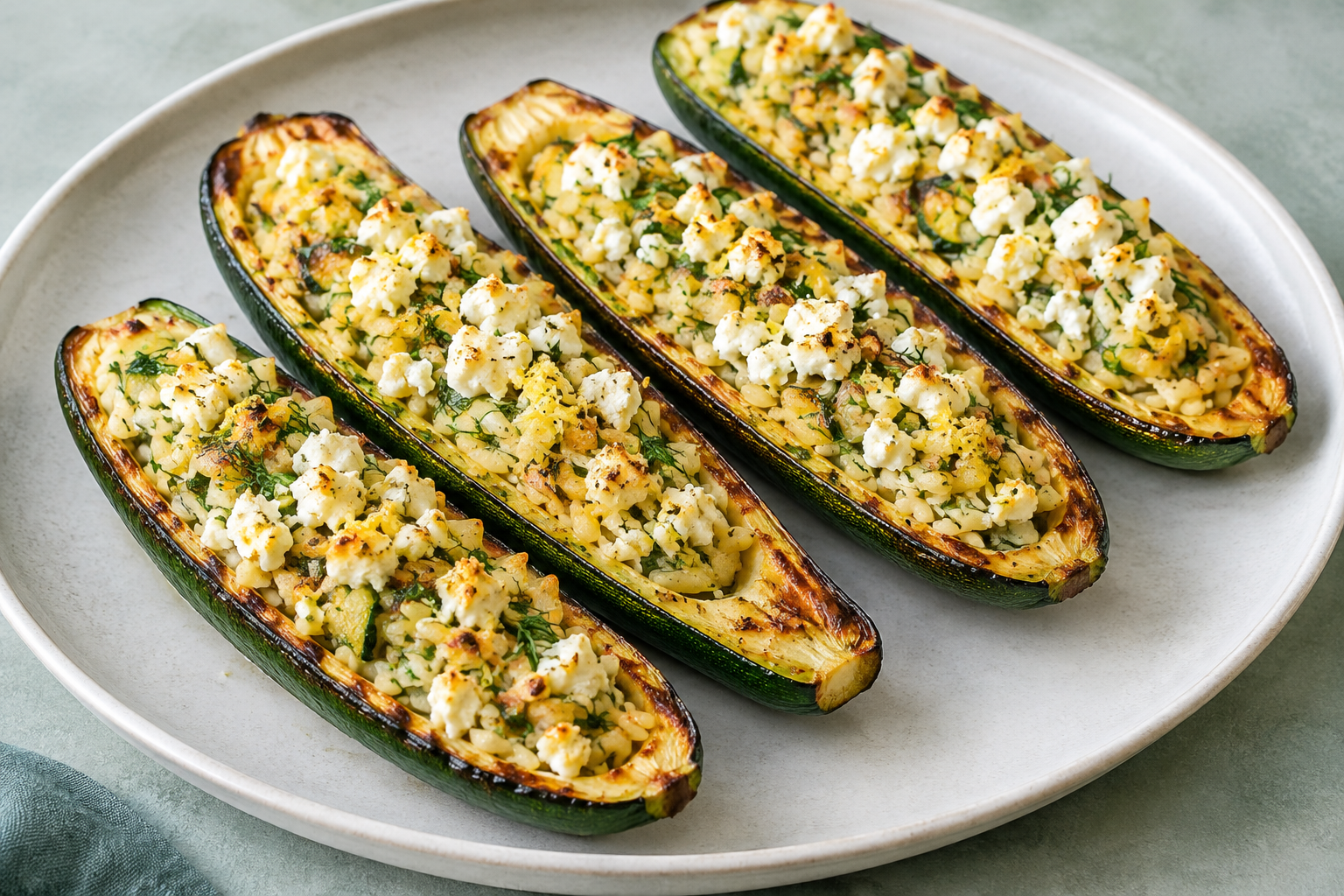
If you’re after something more substantial, choose Courgette parmigiana with tomato and crispy crumbs or Courgette stuffed with lemon orzo and feta. Drain the mozzarella well for the parmigiana and briefly fry the courgette slices first; this means less moisture in the baking dish and helps the breadcrumbs stay crisp. In courgettes farcies à la niçoise, bread and milk make a soft, cohesive filling. Serve these baked dishes with a simple salad. For a more distinctive side dish, Zucchine alla scapece takes a different route: fried courgette absorbs vinegar, garlic and mint as it rests. This sweet-and-sour, herby flavour profile goes well with bread or as part of a larger meal.
 Main course